Stocks near record highs, Sweden ends negative rates

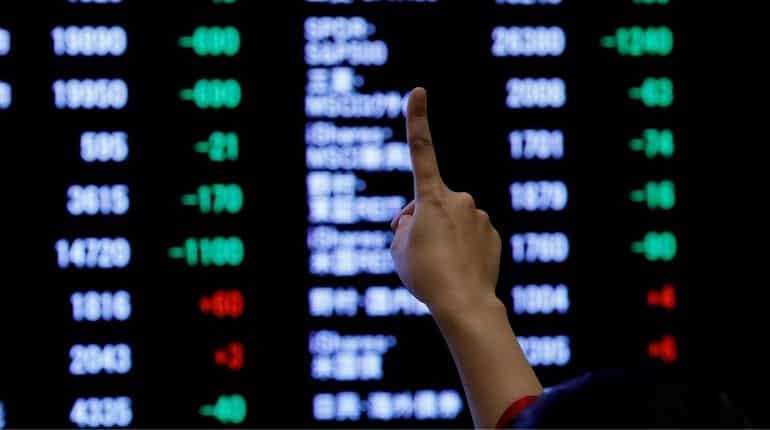
Tokyo Stock Exchange
European equities were little changed in early trading. Britain's pound recovered from the 3 per centloss it suffered as fear of a no-deal Brexit returned.
The pan-region STOXX 600bobbed in and out of the red. Britain's blue-chip indexmanaged a 0.15 per centrise before a Bank of England meeting.
Wall Street futures suggested the S&P 500 would barely budge, after rising to a fifth consecutive record high on Wednesday. Earlier, Asian shares had pulled back from a one-and-a-half year peak as trading wound down before the end of the year.

Japan's Nikkei fell 0.3 per centand China's stocks slippedfor the second session despite trade optimism. Australian shares ended 0.3 per centlower, led lower by mining stocks.
Investors were also watching proceedings in Washington, where the Democratic-led USHouse of Representatives voted to impeach USPresident Donald Trump for abuse of power and obstruction of Congress.
Market reaction was limited since the Republican-controlled Senate is widely expected not to convict Trump and removed him from office.
)
Mushtaq Khan dies at 56: When Welcome actor opened up about his salary for iconic role Ballu
)
Hawaii braces for Hurricane Nolo: NOAA warns of flash flooding and mudslides
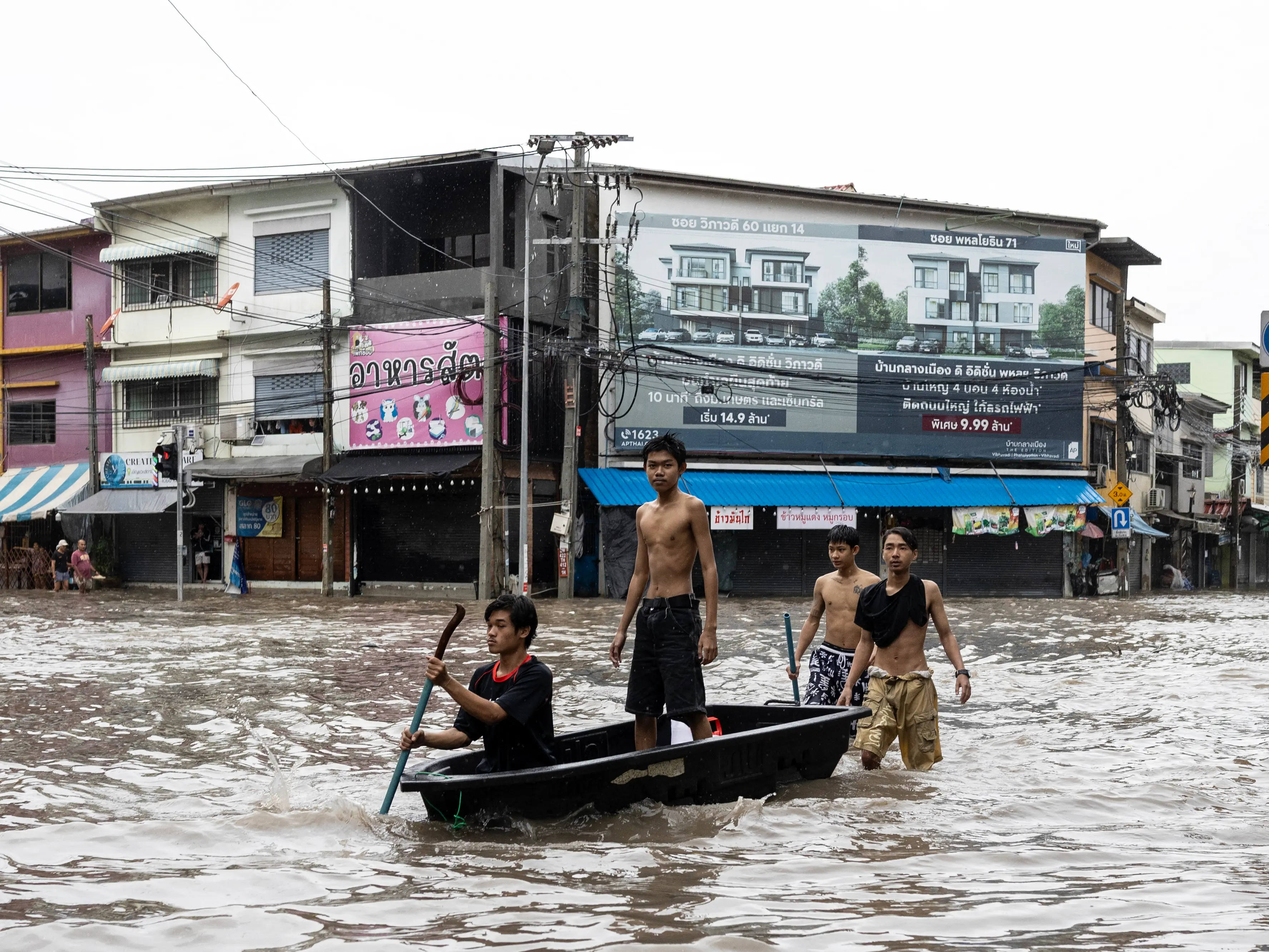)
Bangkok declares flood disaster as heavy rain submerges roads and homes
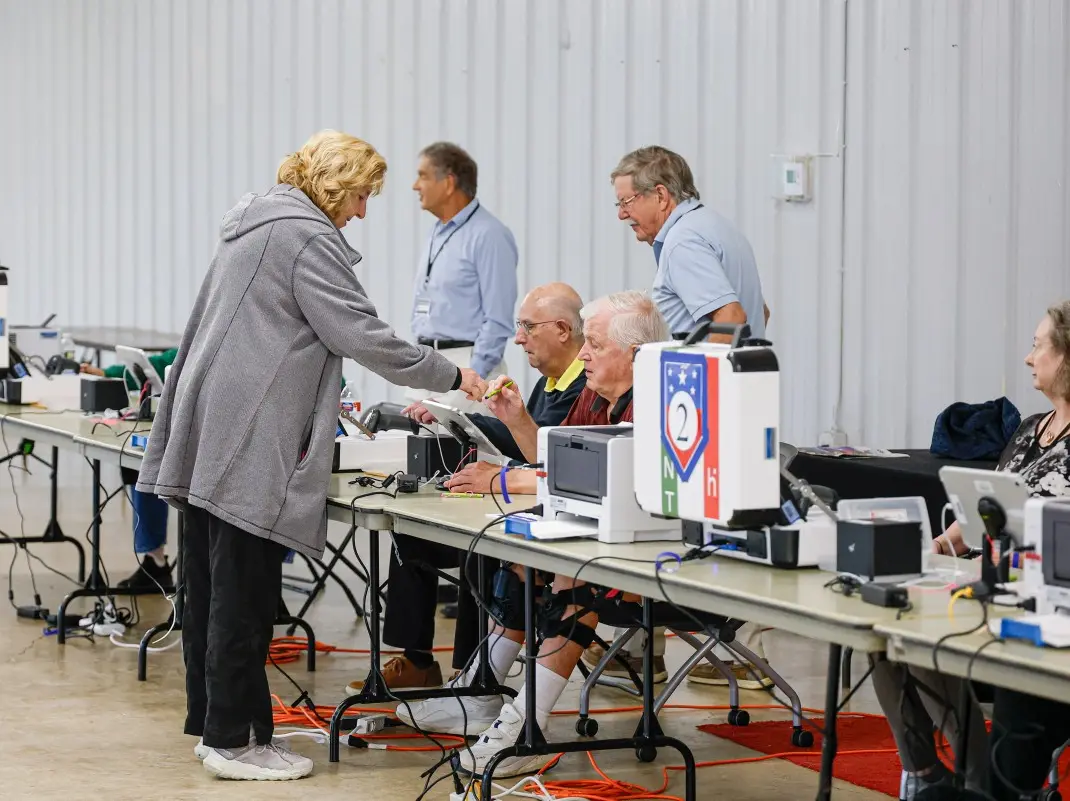)
US Supreme Court backs Trump administration's use of SAVE database to check voter citizenship
)
Outrage erupts after 3-year-old is married to 60-year-old man in Pakistan, link to her sister's murder being probed
)
Donald Trump shares image of Xi's arrival in Washington, carries signs of AI
)
Pakistan deploys over 20,000 security personnel as PTI vows march for Imran Khan's release
)
Anthropic says Claude found a new gene-editing enzyme but science isn't confirmed
)
Farhan, who went viral for AK47 celebration vs India in Asia Cup, hopes to lead Pakistan beyond Asian Games
)
Prince Harry offers rare glimpse into Archie and Lilibet’s life after UK move
)
OpenAI AI Agents hacked 4 websites before Hugging Face, researchers reveal
&im=FitAndFill=(700,400))
New Friday OTT releases (September 25, 2026): Don’t Be Shy, Hunkkaar: The Roar, Mango Pachcha- 6 movies and TV shows on Netflix, Prime Video and more
)
Asian Games 2026: India face Afghanistan in quarterfinal on Sep 28; Pakistan clash with Hong Kong
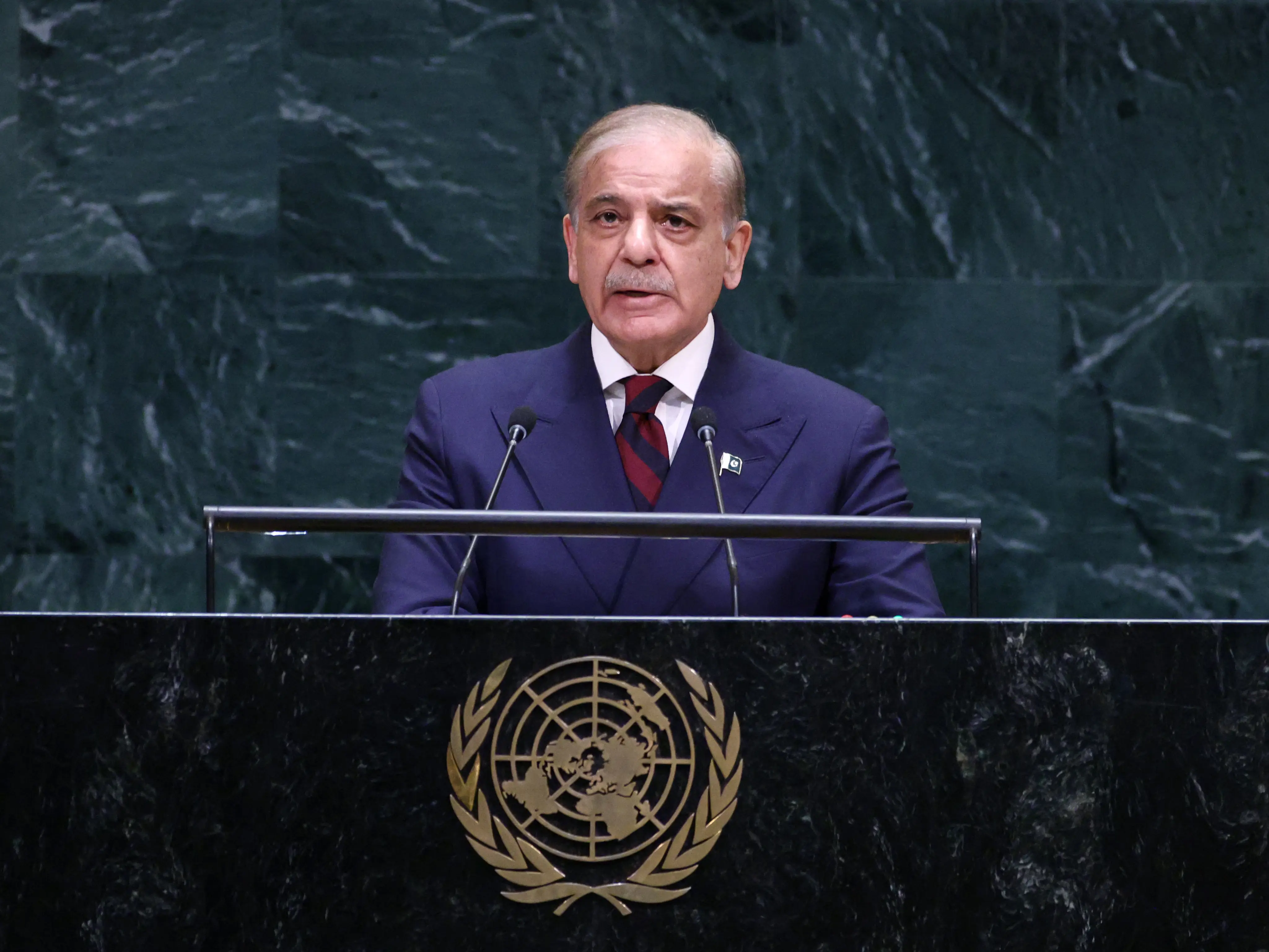)
‘Attack on Mecca a red line for Pakistan’: Shehbaz Sharif warns Houthis at UN
)
Death toll rises to 64 in Indonesia's Java Sea ferry incident; 71 still missing
)
Did Hitler kill his niece Geli Raubal? Newly found records reopen a 95-year-old mystery
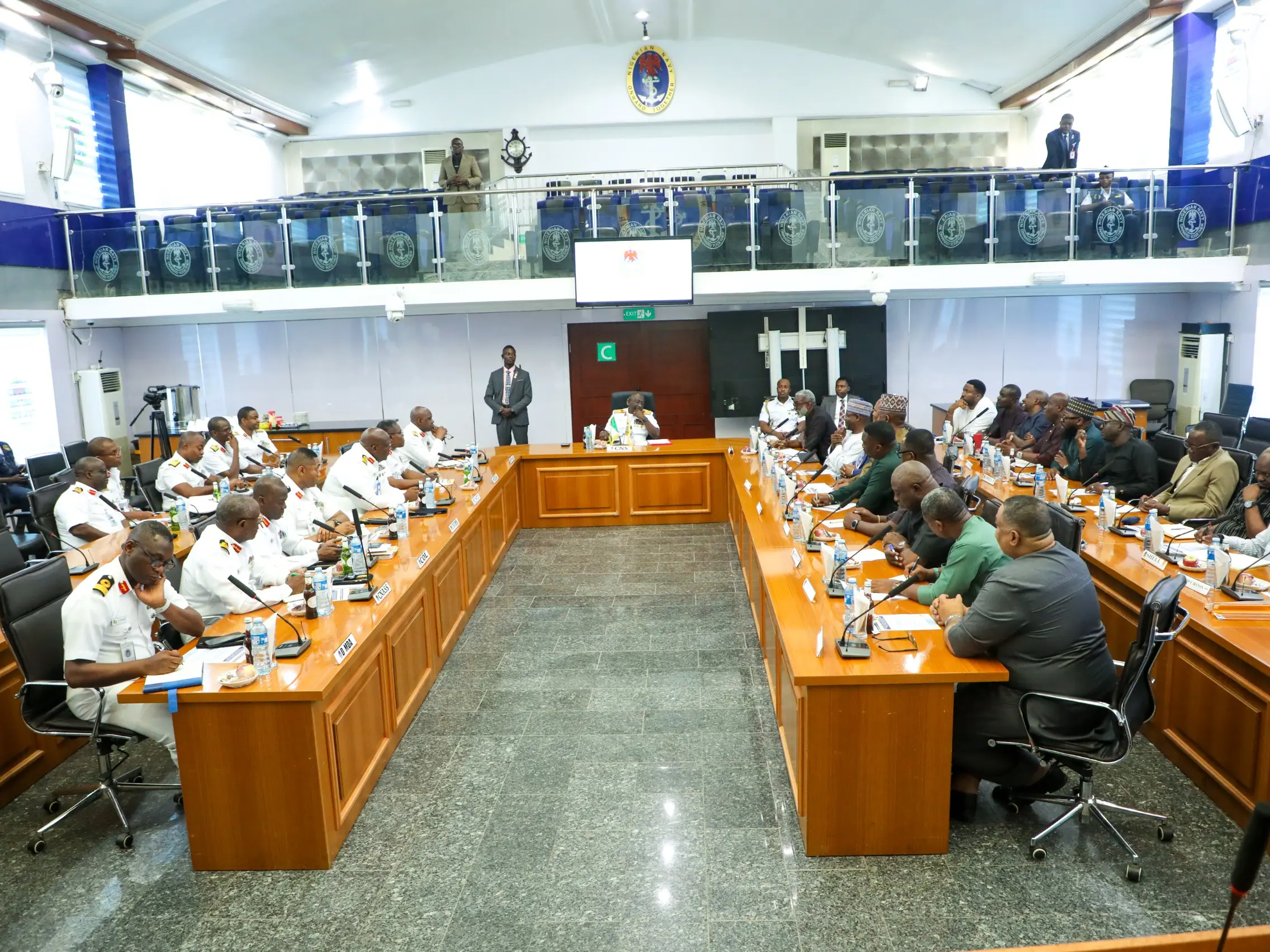)
Nigeria Navy moves to boost oil security, tackle crude theft and infrastructure threats
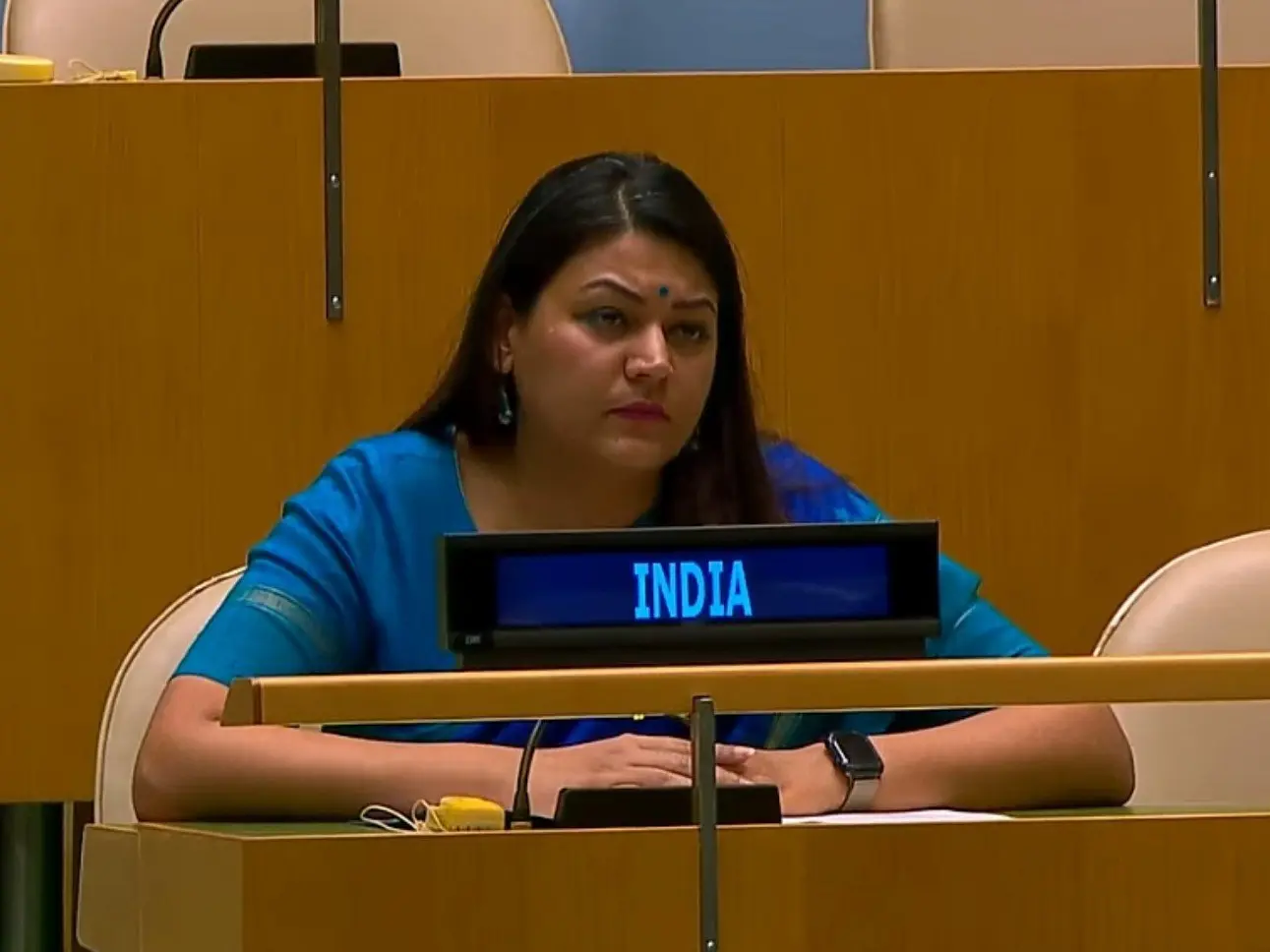)
Indian diplomat Petal Gahlot raises deteriorating situation in Pakistan-occupied Kashmir in right of reply at UN
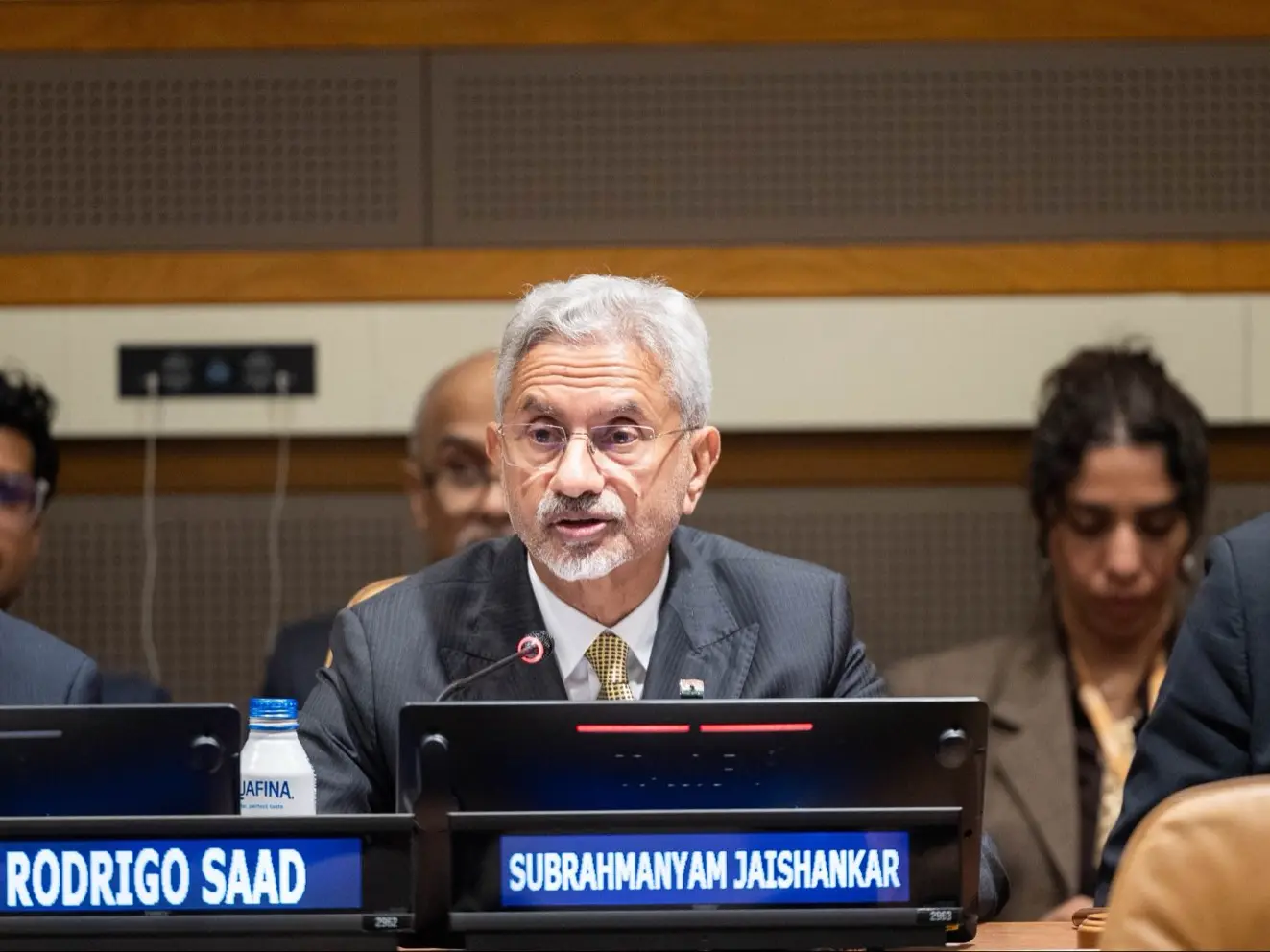)
'Countries far from conflict are penalised': Jaishankar calls for Gulf peace, seafarer safety at UN
)
Scientists detect first radio signals directly from faraway planet
)
What Gisele Bündchen allegedly told Tom Brady before their divorce
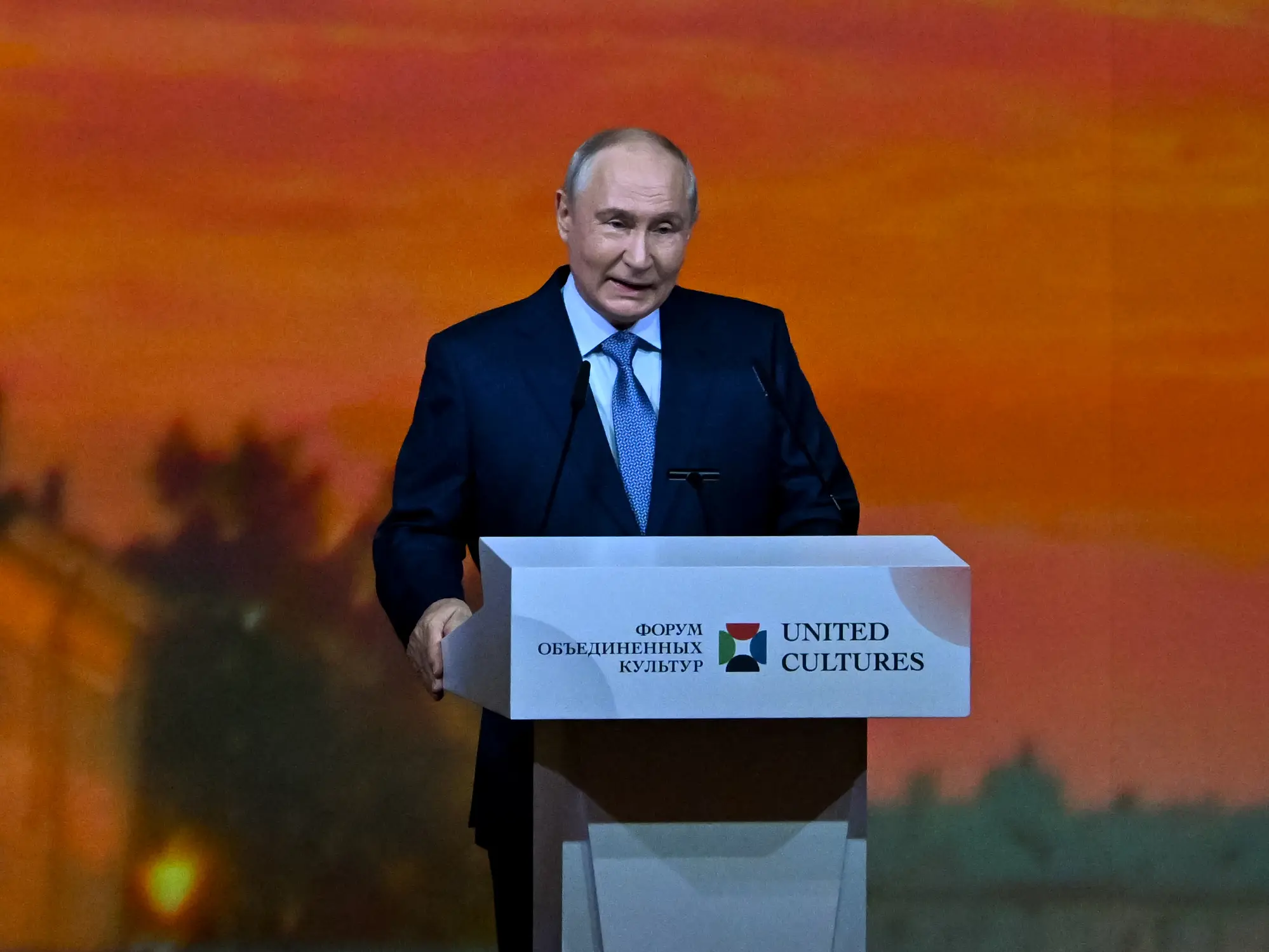)
‘It is all possible’: Putin weighs next steps on Ukraine talks, rules out Europe conflict
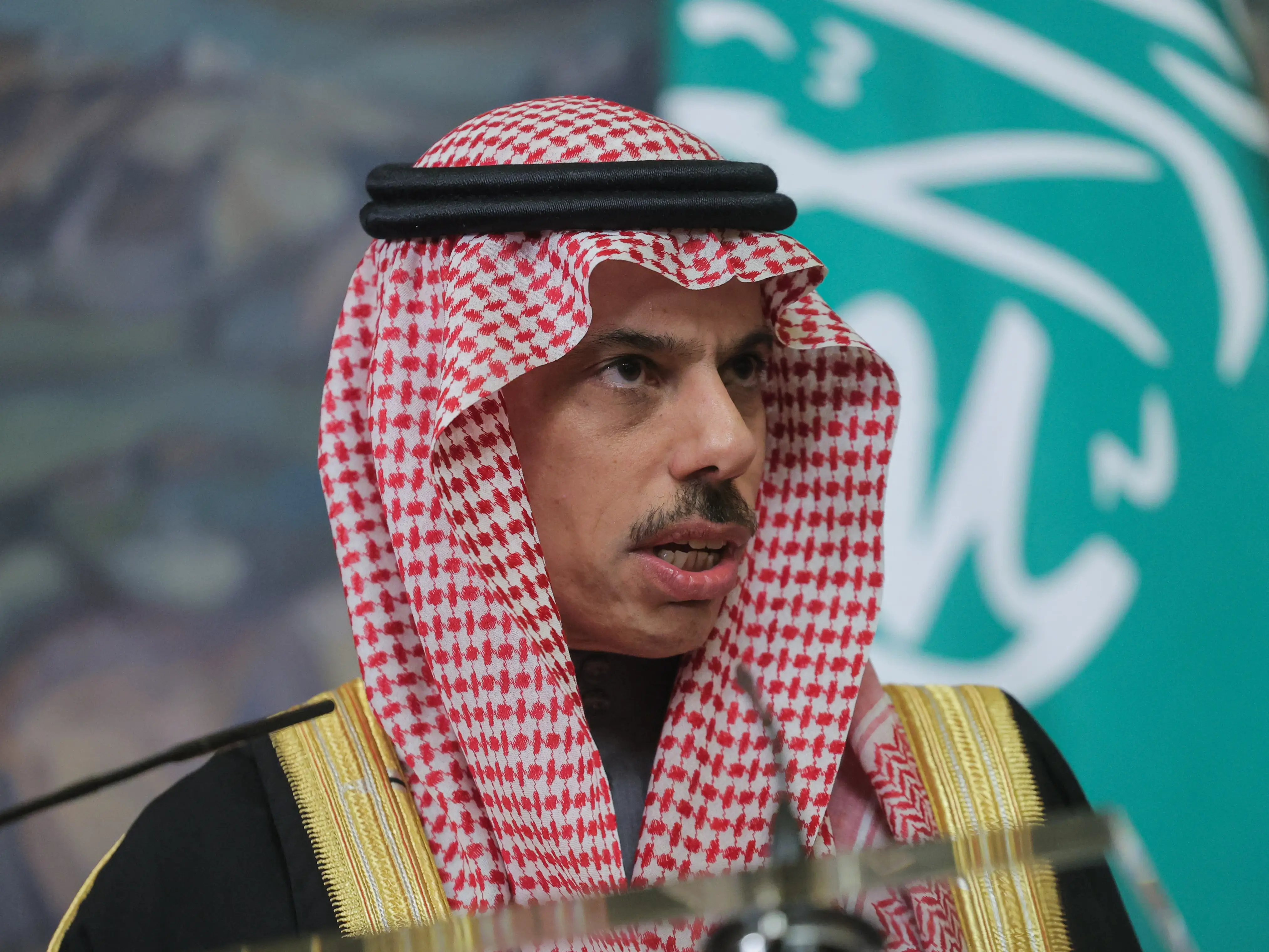)
Global community 'absent' in Gulf crisis: Saudi at UN calls for freedom of navigation, pre war status for Hormuz
)
The Paradise: Nani reacts to mixed reviews from critics and audience; ‘I have also learnt from the flaws’
)
Trump rejects Iran's 7-day ceasefire proposal as US weighs renewed bombing after midterms: Report
)
Gaza's war turned environmental damage into second crisis
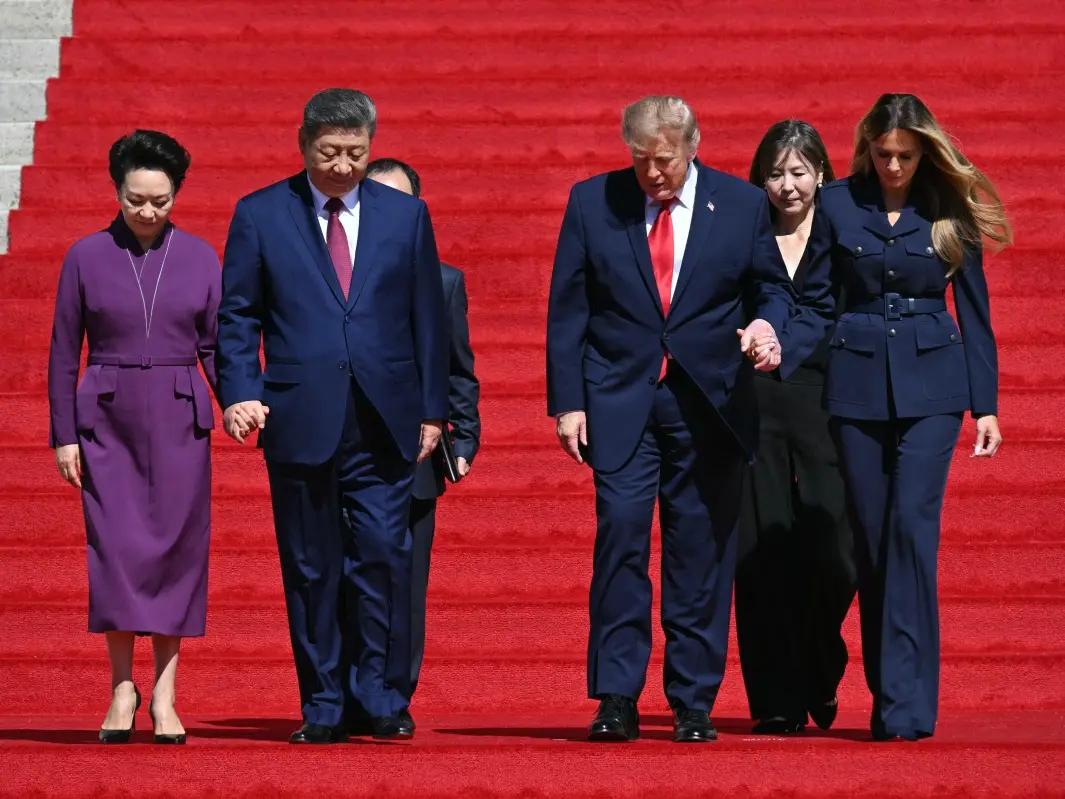)
Trump-Xi summit wrap: Big pageantry, Iran talks, few major developments and more meetings planned
)
'What kind of confession is this?': Pakistan PM Shehbaz Sharif’s 'terrorists would be roaming New York' remark goes viral, raises alarm online. Watch
)
Manchester City found guilty: Premier League delivers its verdict on the FFP charges
)
'FIRST LOOK from inside Noah’s Ark': Researchers share video from inside mysterious mound in Turkey
)
Cindy Crawford’s son Presley Gerber cremated as death probe continues
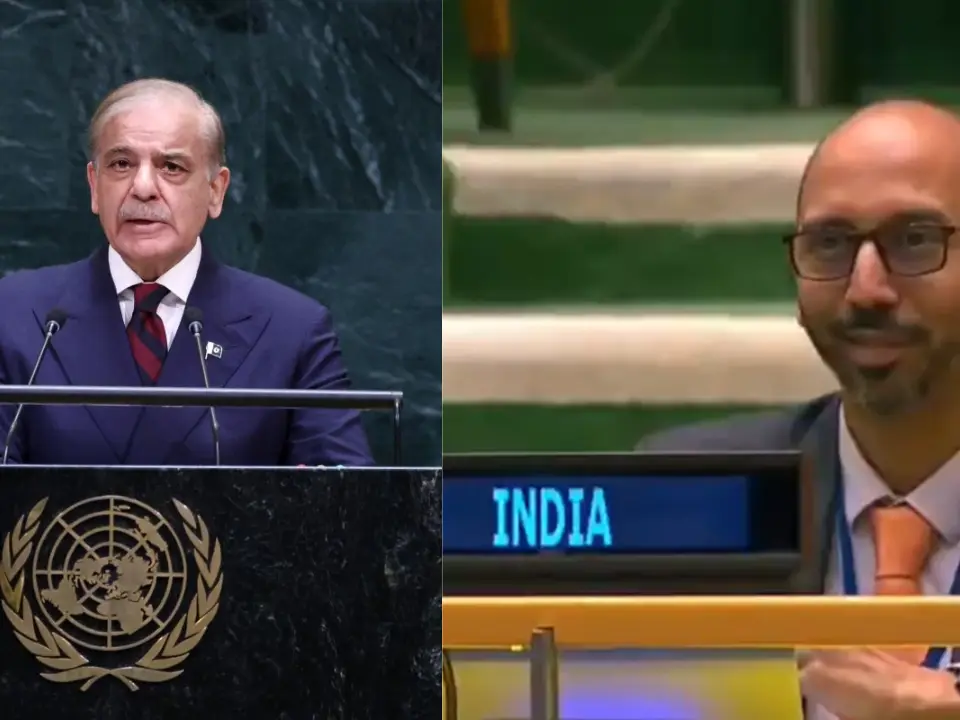)
WATCH | As Shehbaz Sharif claims Pakistan’s ‘victory’ during 2025 conflict, Indian diplomat R Srinivas laughs at UN
)
'A terrorist country is asking me that question?': Jaishankar hits back at Pakistani journalist at UN; flags attacks on commercial shipping
)
Russia will achieve Ukraine war aims; Europe doing everything to block peace talks: Lavrov at UN
)
‘Serial practitioner of terrorism’: Jaishankar calls out Pakistan’s ‘state-sponsored’ terror at UNGA
)
US court backs Pentagon's decision to exclude Anthropic over Claude AI restrictions
In Sweden, the central bank raised its key rate to zero after five years in negative territory. Economists wondered whether Sweden's hot-running economy would react badly and whether other sub-zero rate central banks in the eurozone, Japan, Denmark, Switzerland and Hungary would follow suit.
The crown rose 0.2 per cent, again that had been widely flagged.
"At the end of the day, this market doesn't look at macro and earnings, it just looks at monetary developments," said Stéphane Barbier de la Serre, macro strategist at Makor Capital Markets. "If the market thinks central banks (globally) are done with being dovish then we would see some volatility."
The British pound gained after suffering heavy losses on concern Britain could still crash out of the European Union without a trade deal in place when a transition period ends in December 2020.
Traders were also waiting for the Bank of England's last policy meeting of the year. No change in policy is expected, but more policy-makers might signal they could vote for an interest rate cut next year.
Sterlingrose 0.2 per centto $1.3105 after falling more than 3 per cent. It had reached an 18-month high on December13 after UK Prime Minister Boris Johnson's Conservative Party won a majority in a general election.
Against the euro, it stood at 84.94 pence, close to its weakest since December4. British inflation remained at a three-year low in November, data had shown on Wednesday.
Stay Easy
Germany's benchmark 10-year bond yield crept towards the six-month highs it touched last week, with bond traders focussed on the day's central bank meetings.
After Sweden's move, Norway kept its rates at 1.5 per centand reiterated it was likely to stay there for some time.
The Australian dollar jumped by 0.36 per centto $0.6879 after better-than-expected labour-market data made interest rate cuts less likely.
The yen barely moved from 109.58 per dollar after the Bank of Japan kept its quantitative easing in place and issued a gloomier assessment on factory output.
In commodities, Brent crudedipped 0.1 per centto $66.10 per barrel. UScrude also dipped 0.01 per centto $60.86 a barrel after USgovernment data showed a decline in crude inventories.
Prices are likely to be supported by production cuts coming from the Organization of the Petroleum Exporting Countries and its allies, including Russia.