Saudi's industrial production soars to highest level since 2022

&imwidth=600&imheight=450&format=webp&quality=medium "Saudi's industrial production soars to highest level since 2022")
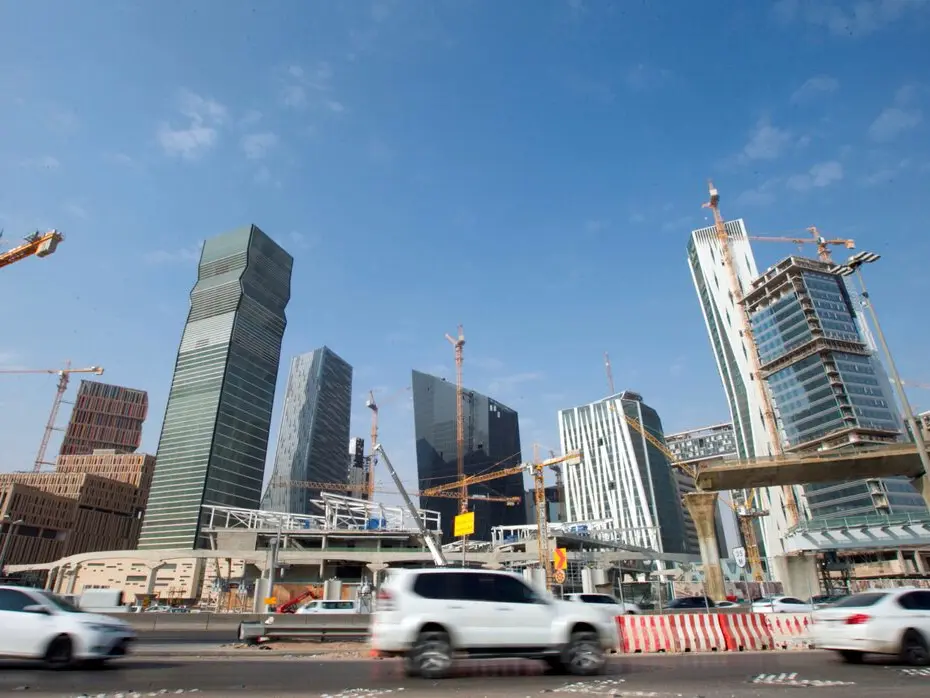
Cars drive past the King Abdullah Financial District in Riyadh, Saudi Arabia, November 12, 2017. Photograph: (Reuters)
The growth in Saudi's industrial production, fuelled by a robust recovery in manufacturing and a rise in crude output, signals continued momentum in the kingdom’s industrial sector and underscores the broader economic expansion that aligns with the country’s Vision 2030 diversification goals.
Saudi Arabia’s industrial production surged to its highest level since late 2022, with a notable 7.9 per cent year-on-year increase in June 2025, according to the latest data from the General Authority for Statistics (GASTAT). The growth, fuelled by a robust recovery in manufacturing and a rise in crude output, signals continued momentum in the kingdom’s industrial sector and underscores the broader economic expansion that aligns with the country’s Vision 2030 diversification goals.
Manufacturing and oil drive strong growth
The Industrial Production Index (IPI) for June 2025 hit 111.9, up 1.6 per cent from the previous month. The rise was predominantly driven by a sharp rebound in manufacturing activities, which jumped by 11.1 per cent from the same month last year. The production of refined petroleum products and chemicals led the way, with the manufacture of coke and refined petroleum products soaring 15.3 per cent andchemicals rising 18.7 per cent.
Mining and quarrying, which includes crude oil production, also saw significant growth, increasing by 6 per cent year-on-year. Saudi oil output reached 9.36 million barrels per day (bpd) in June, up from 8.83 million bpd in June 2024. The expansion in oil production comes as Saudi Arabia ramps up its output under the new OPEC+ supply policy, reversing a contraction seen in the first quarter of 2025.
Non-oil sector shows continued strength
In addition to the boost in oil-related activities, the kingdom's non-oil sector continues to play a pivotal role in driving economic growth. The non-oil segment of the industrial production index grew by 8.6 per cent in June 2025, further demonstrating Saudi Arabia's progress toward reducing its reliance on crude revenues. Notable gains were also recorded in utilities, including a 5.6 per cent increase in electricity, gas, steam, and air-conditioning supply, as well as a 6.9 per cent rise in water supply and waste management activities.
Trending Stories
&im=FitAndFill=(700,400)&imwidth=280&imheight=210&format=webp&quality=medium)
&imwidth=280&imheight=210&format=webp&quality=medium)
&imwidth=280&imheight=210&format=webp&quality=medium)
&imwidth=280&imheight=210&format=webp&quality=medium)
&imwidth=280&imheight=210&format=webp&quality=medium)
&imwidth=280&imheight=210&format=webp&quality=medium)
&imwidth=280&imheight=210&format=webp&quality=medium)
&imwidth=280&imheight=210&format=webp&quality=medium)
&imwidth=280&imheight=210&format=webp&quality=medium)
&imwidth=280&imheight=210&format=webp&quality=medium)
&imwidth=280&imheight=210&format=webp&quality=medium)
&imwidth=280&imheight=210&format=webp&quality=medium)
&imwidth=280&imheight=210&format=webp&quality=medium)
&im=FitAndFill=(700,400)&imwidth=280&imheight=210&format=webp&quality=medium)
&imwidth=280&imheight=210&format=webp&quality=medium)
&imwidth=280&imheight=210&format=webp&quality=medium)
&imwidth=280&imheight=210&format=webp&quality=medium)
&imwidth=280&imheight=210&format=webp&quality=medium)
&imwidth=280&imheight=210&format=webp&quality=medium)
&imwidth=280&imheight=210&format=webp&quality=medium)
&imwidth=280&imheight=210&format=webp&quality=medium)
&im=FitAndFill=(700,400)&imwidth=280&imheight=210&format=webp&quality=medium)
&imwidth=280&imheight=210&format=webp&quality=medium)
&imwidth=280&imheight=210&format=webp&quality=medium)
&im=FitAndFill=(700,400)&imwidth=280&imheight=210&format=webp&quality=medium)
&imwidth=280&imheight=210&format=webp&quality=medium)
&imwidth=280&imheight=210&format=webp&quality=medium)
&imwidth=280&imheight=210&format=webp&quality=medium)
&imwidth=280&imheight=210&format=webp&quality=medium)
&imwidth=280&imheight=210&format=webp&quality=medium)
&imwidth=280&imheight=210&format=webp&quality=medium)
&imwidth=280&imheight=210&format=webp&quality=medium)
&imwidth=280&imheight=210&format=webp&quality=medium)
&imwidth=280&imheight=210&format=webp&quality=medium)
&imwidth=280&imheight=210&format=webp&quality=medium)
This growth aligns with the broader economic trajectory, as Saudi Arabia’s gross domestic product (GDP) increased by nearly 4 per cent year-on-year in the second quarter, driven by both oil and non-oil activities. With continued investment in industrial diversification, Saudi Arabia is on track to meet its Vision 2030 targets, which aim to reduce the kingdom’s dependency on oil revenues.
As global oil prices remain a key factor in Saudi Arabia’s fiscal health, the government’s focus on economic diversification is becoming increasingly critical. The kingdom's fiscal breakeven oil price stands at $96 per barrel, higher than in previous years, reflecting the evolving economic landscape.
(With inputs from agencies)