
&imwidth=800&imheight=600&format=webp&quality=medium "OpenAI, Anthropic and SpaceX IPOs could shape the future of AI investing, says Perplexity CEO")
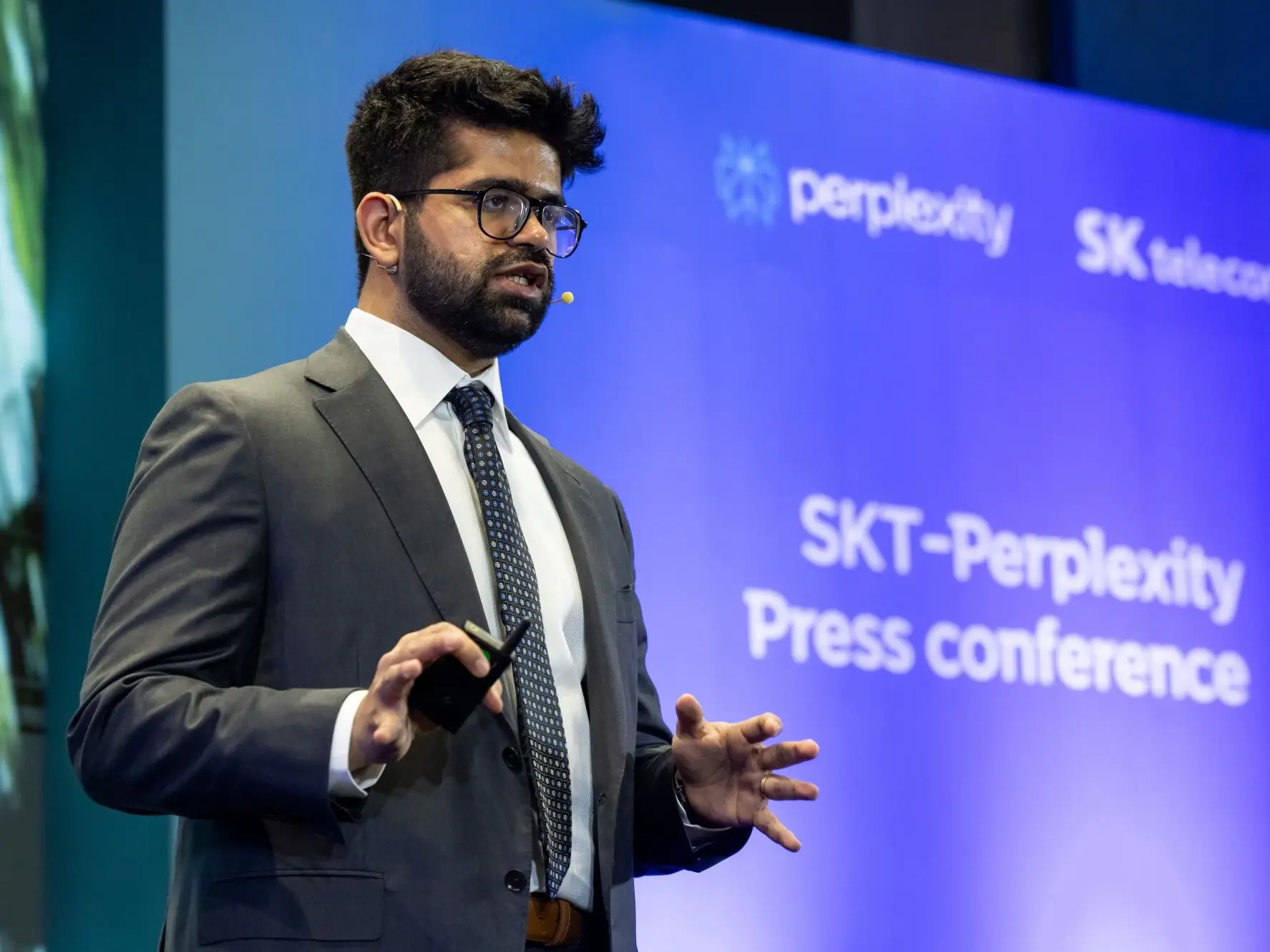
Perplexity plans to launch its initial public offering (IPO) in 2028 regardless of how investors respond to upcoming listings from OpenAI and Anthropic, according to CEO Aravind Srinivas.
Speaking to CNBC, Srinivas said the company's timeline remains unchanged even as some of the world's biggest artificial intelligence firms prepare to enter public markets. The comments come at a time when investor interest in AI companies is reaching new highs, with OpenAI, Anthropic and SpaceX all moving closer to major public offerings. Srinivas said Perplexity had already been planning a 2028 IPO and that recent developments in the market have not changed that strategy.
Why OpenAI and Anthropic IPOs matter to the AI industry

The AI industry is closely watching upcoming IPOs from some of its biggest players. Anthropic, the company behind Claude AI, recently filed confidentially for an IPO. OpenAI has also reportedly begun the process of preparing for a public listing. Both companies are among the most valuable AI firms in the world and are often referred to as "frontier AI labs" because they develop some of the most advanced AI models available today. Srinivas acknowledged that the success or failure of these listings could influence market sentiment. "I think it's important for the AI industry that these IPOs go well," he said during the interview. He also pointed to the upcoming SpaceX IPO as a potential indicator of investor appetite for large technology offerings. According to Srinivas, strong performances from these companies could strengthen confidence in the broader AI sector.
Are AI company valuations justified?
One of the biggest debates surrounding the AI industry is whether current valuations are sustainable. OpenAI and Anthropic have both attracted enormous investments, pushing their valuations to levels rarely seen in the technology sector.
Trending Stories
)
What’s in a name? Trump’s 'Lake America' move gets a tit-for-tat response from Canada
)
Outrage erupts after 3-year-old is married to 60-year-old man in Pakistan, link to her sister's murder being probed
)
Trump gifts Xi a bald eagle sculpture at White House dinner: Here’s what it symbolises
)
‘Not just a local tragedy’: Nepal PM Shah warns UN of growing climate threat, says Nepal floods were 'a warning to the world'
)
Farhan, who went viral for AK47 celebration vs India in Asia Cup, hopes to lead Pakistan beyond Asian Games
)
CNN, Politico and MS NOW back in White House after judge blocks Trump’s media ban
)
India-New Zealand FTA is ‘an expression of trust’, NZ High Commissioner Patrick John Rata says
Don't Be Shy movie review: A frothy coming-of-age tale that is too shy to experiment
)
Park Ji Hyun makes history as first Korean actress nominated for International Emmy
)
Tesla is preparing something big for Optimus: new Gen 3 models surface in app
)
Bias or safety concerns? Bengaluru CEO says firm will not hire men from UP, Bihar, Rajasthan, MP. Here's why
)
Trump's welcome to Xi demonstrates 'attraction' to dictators: Chuck Schumer
)
Nations League: Germany draw on Klopp debut; Portugal, Norway win
)
WION Iconic Tourism Summit 2026: Union Minister Shekhawat on 'experiential travel', peace diplomacy
)
Scientists detect first radio signals directly from faraway planet
)
A seven-day roadmap? Iran proposes plan to end war, reopen Strait of Hormuz and resume nuclear talks
)
The Vvaan Review: This Ekta Kapoor's Tulsi Virani-coded world can't be saved by Sidharth Malhotra and Tamannaah Bhatia
)
China to test supersonic jet that moves at Mach 2, double the speed of sound
)
Xi Jinping's 'special plane' vs Trump's Air Force One: What's the difference?
)
Ruckus in J&K Assembly over statehood resolution; BJP leaders enter well of house
)
UNGA 2026: Israeli PM attacks Britain, France for past colonialism
)
West Indies coach Sammy looking at India series as opportunity to finetune ahead of ODI World Cup 2027 qualifiers
)
‘We’ve never gotten along better’: Trump praises Xi, jokes about White House ballroom at high-stakes state dinner
)
Air India pilot suspended after failing pre-flight alcohol test on Zurich-Delhi route
)
Yemen called Trump for US military support in fight against Houthis: Official
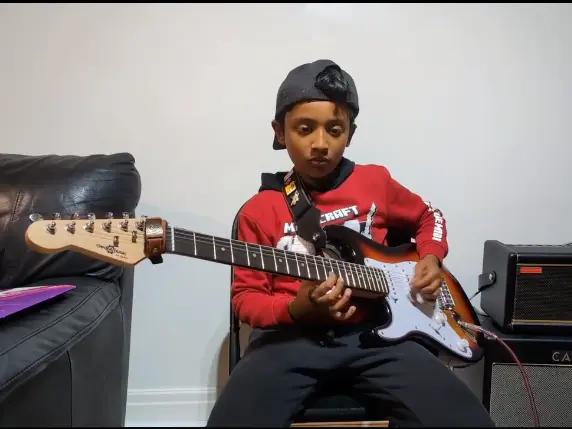)
Meet Adrian Abraham: 9-year-old Indian-origin guitar prodigy aiming for a Guinness World Record
)
US faces fresh cost crunch as mortgage rates hit 7%, oil tops $107 and gas prices surge
)
'Blockbuster' nor'easter develops an eye similar to hurricanes as warnings are issued
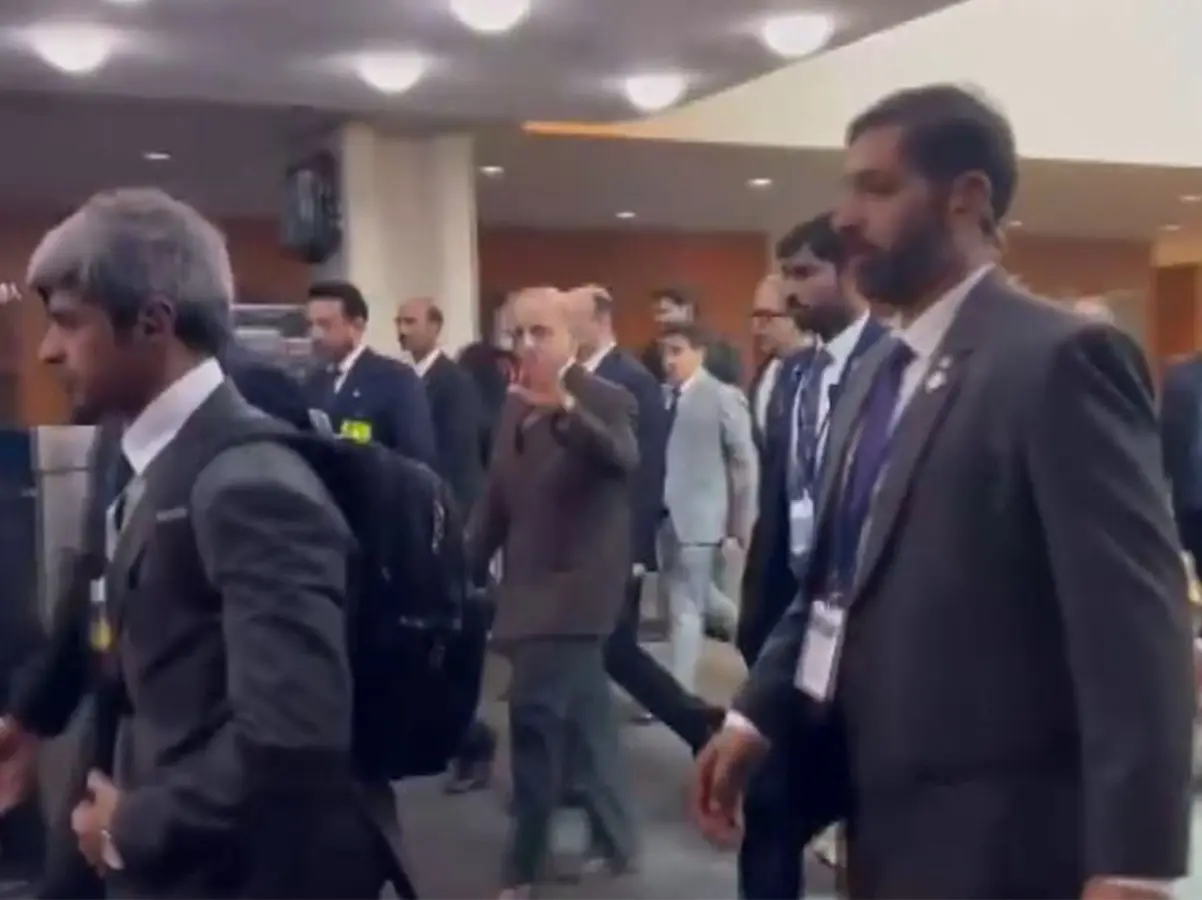)
WATCH: Pak PM Shehbaz Sharif refuses to answer on Hafeez Sayeed, walks away
)
OpenAI is building AI to fight cyber threats: What GPT-6 Cyber means for security
)
'Making history': Xi Jinping praises Trump as US-China leaders dine at White House
)
'What kind of confession is this?': Pakistan PM Shehbaz Sharif’s 'terrorists would be roaming New York' remark goes viral, raises alarm online. Watch
&im=FitAndFill=(700,400))
Netanyahu at UN: Mass walkout, attack on Mamdani and Iran threats | In Pics
)
'We do not wish to continue. It's America that must choose': Iran president Pezeshkian calls on US to end war
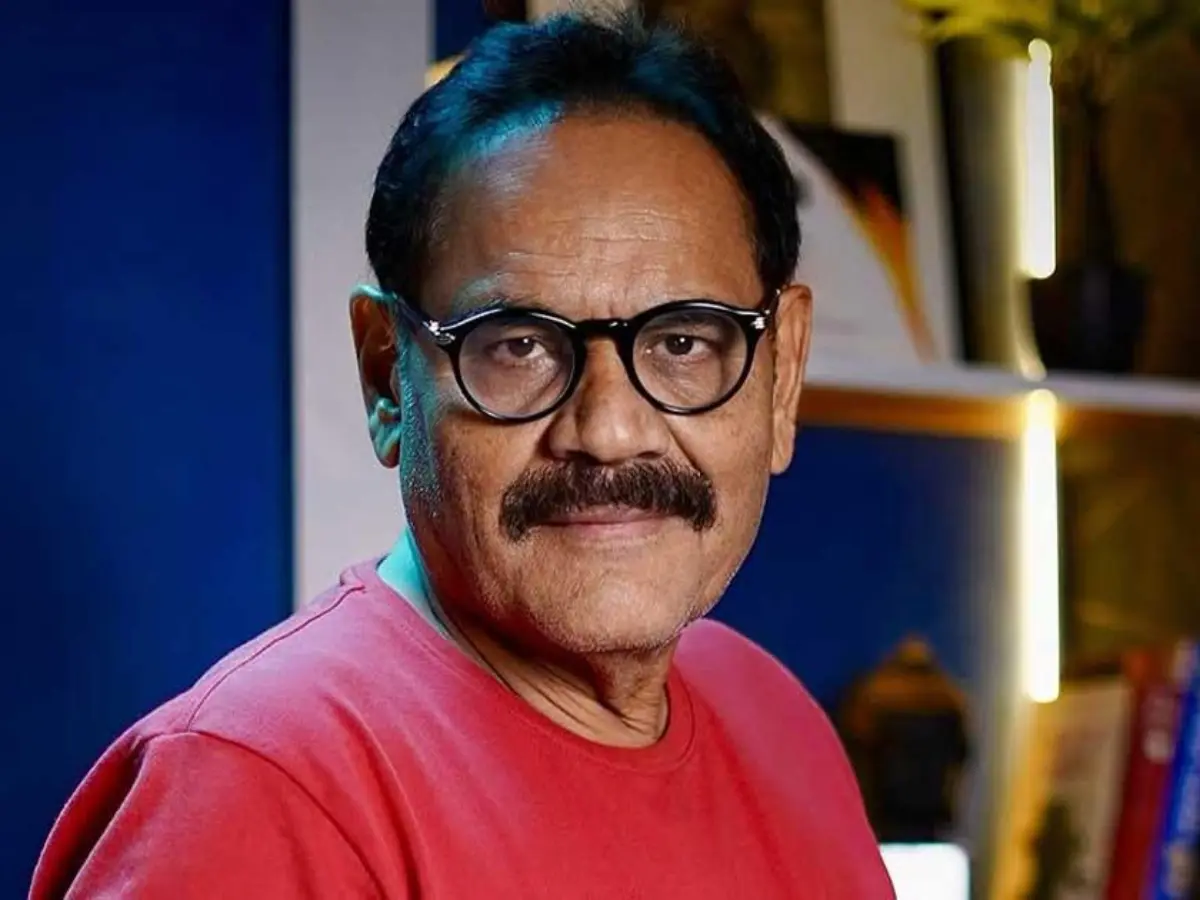)
Bollywood mourns Mushtaq Khan: Sunny Deol, Rajpal Yadav and others pay tribute
)
Myanmar training camp case: US national, 6 Ukrainians allowed to meet their families abroad
)
'FIRST LOOK from inside Noah’s Ark': Researchers share video from inside mysterious mound in Turkey
)
'Fund people, not bombs': Hundreds take to New York streets as Netanyahu delivers speech at UN; dozens arrested
)
Susan Sarandon and Hannah Einbinder detained by NYPD outside UN Headquarters
)
Srinivas believes those valuations are justified for now because the companies remain at the forefront of AI innovation. However, he warned that continued progress is essential. "If for six months you don't see a model capability advance from one of these two companies, then it's a problem for them," he said.
The comment highlights a growing expectation among investors that AI companies must continue delivering breakthroughs to maintain their value.
AI spending is becoming a major concern
Another important topic discussed by Srinivas was the growing cost of artificial intelligence. As businesses adopt AI tools across departments, spending on AI services has increased significantly. OpenAI CEO Sam Altman has previously described AI costs as a major issue for companies trying to scale usage. According to Srinivas, organisations are becoming more careful about how they spend money on AI. Instead of automatically choosing the most powerful model, businesses are increasingly looking for the most cost-effective solution for a particular task. This shift could reshape how companies deploy AI in the future.
The rise of 'tokenmaxxing'
Srinivas also discussed a trend known as "tokenmaxxing". The term refers to employees increasing their use of AI tools to appear more productive or technologically advanced. However, Srinivas argued that businesses are now moving beyond simply maximising AI usage. Instead, companies want AI systems that provide the best balance between performance and cost. Perplexity's platform already reflects this approach. The company's AI search engine can choose from multiple AI models depending on the user's request. For simpler tasks, the system may use a cheaper open-source model. For more complex requests, it can switch to advanced frontier models. According to Srinivas, this hybrid approach allows businesses to reduce costs while maintaining high-quality results.
Why Perplexity believes efficiency will matter more
Perplexity's strategy reflects a broader trend emerging across the AI industry. While many companies initially focused on accessing the most powerful AI models available, attention is now shifting towards efficiency and return on investment. Srinivas said that if an open-source model can complete a task successfully most of the time at a fraction of the cost, it often makes financial sense to use that model instead. "The future is still awesome for frontier intelligence," he said. "But it's not going to be mindless spending." This suggests the next phase of AI adoption may be defined not only by technological advances but also by how efficiently companies use those technologies.
What Perplexity's IPO plans tell us about the AI market
Perplexity's decision to maintain its 2028 IPO timeline shows confidence in the long-term future of artificial intelligence. The company appears to believe that demand for AI tools will continue growing, even as businesses become more selective about spending.
At the same time, the success of upcoming IPOs from OpenAI, Anthropic and SpaceX could provide valuable insight into how investors view the future of AI. For now, Srinivas remains optimistic. He believes the leading AI companies continue to innovate rapidly and that investor interest in the sector remains strong. As some of the biggest technology listings in history approach, the next few years could become a defining period for the artificial intelligence industry and the companies leading it.
