New Tax Rules Alert: Buying Luxury? Say Hello to 1% TCS on ₹10 Lakh+ Items

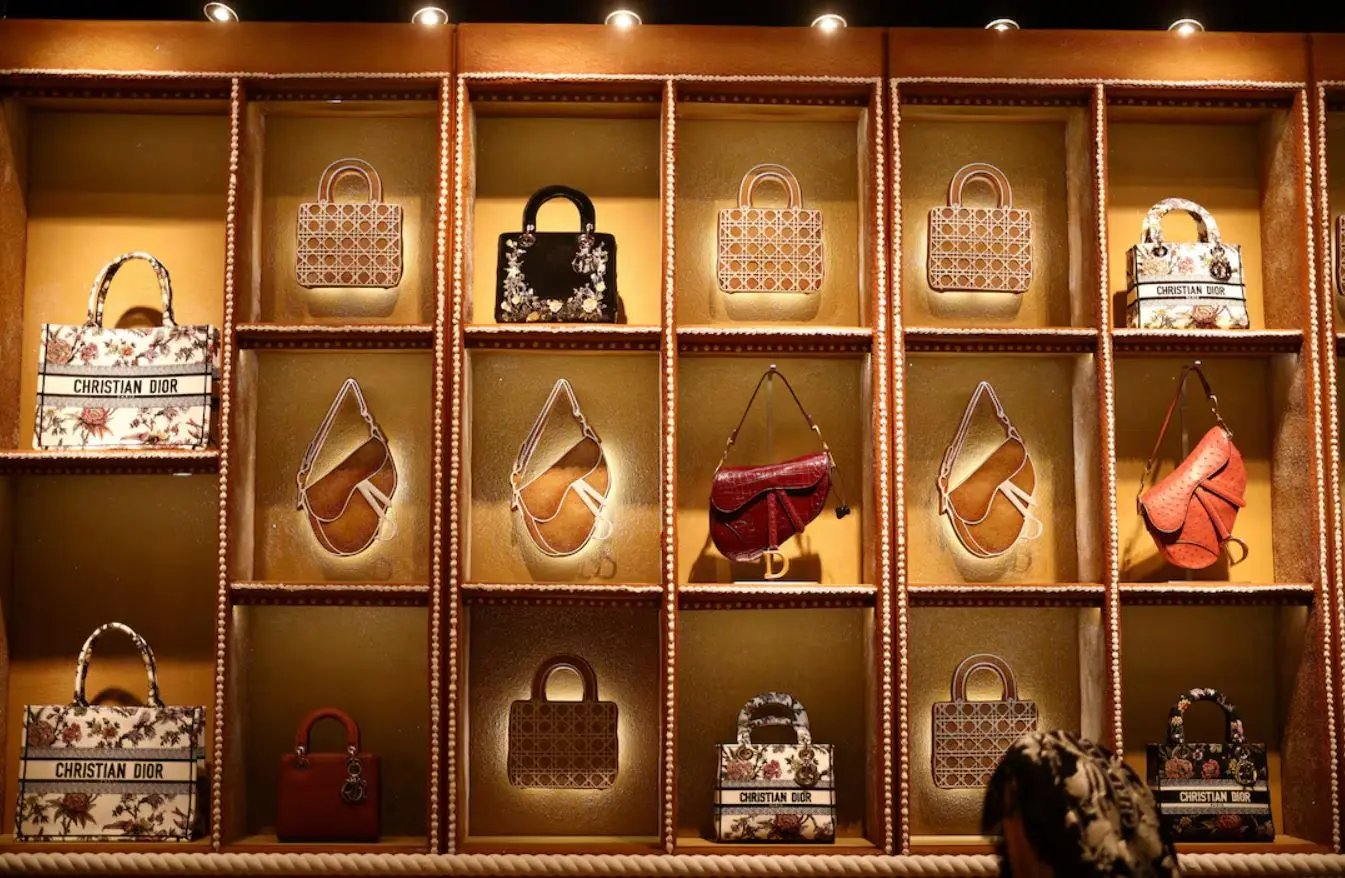
Business & Economy: Starting April 22, 2025, a 1% TCS will apply on luxury goods above ₹10 lakh, including items like yachts and designer handbags. This aims to enhance tax transparency and monitor high-value purchases.
Thinking of splurging on a designer handbag or a helicopter joyride? The taxman wants a piece too.
In a move aimed at tightening the net around big-ticket spending, the Central Board of Direct Taxes (CBDT) has implemented a new rule mandating 1% Tax Collected at Source (TCS) on luxury goods priced above ₹10 lakh, effective April 22, 2025.
What Will Attract the New 1% TCS?
The following luxury items are covered under the new rule if priced above ₹10 lakh:- Luxury wristwatches
- Paintings, sculptures, antiques
- Collectables like coins and stamps
- Premium vehicles: yachts, helicopters, rowing boats, canoes
- High-end sunglasses
- Luxury handbags and purses
- Designer footwear
- Golf kits and ski wear
- Home theatre systems
- Horses used in racing or polo
For example, if you're purchasing a designer watch worth ₹15 lakh, you’ll now pay an additional ₹15,000 as TCS. The seller collects this and deposits it with the Income Tax Department against your PAN.
Trending Stories
&imwidth=280&imheight=210&format=webp&quality=medium)
&imwidth=280&imheight=210&format=webp&quality=medium)
&imwidth=280&imheight=210&format=webp&quality=medium)
&imwidth=280&imheight=210&format=webp&quality=medium)
&imwidth=280&imheight=210&format=webp&quality=medium)
&imwidth=280&imheight=210&format=webp&quality=medium)
&imwidth=280&imheight=210&format=webp&quality=medium)
&imwidth=280&imheight=210&format=webp&quality=medium)
&imwidth=280&imheight=210&format=webp&quality=medium)
&imwidth=280&imheight=210&format=webp&quality=medium)
&imwidth=280&imheight=210&format=webp&quality=medium)
&imwidth=280&imheight=210&format=webp&quality=medium)
&imwidth=280&imheight=210&format=webp&quality=medium)
&imwidth=280&imheight=210&format=webp&quality=medium)
&imwidth=280&imheight=210&format=webp&quality=medium)
&imwidth=280&imheight=210&format=webp&quality=medium)
&imwidth=280&imheight=210&format=webp&quality=medium)
&imwidth=280&imheight=210&format=webp&quality=medium)
&imwidth=280&imheight=210&format=webp&quality=medium)
&imwidth=280&imheight=210&format=webp&quality=medium)
&im=FitAndFill=(700,400)&imwidth=280&imheight=210&format=webp&quality=medium)
&imwidth=280&imheight=210&format=webp&quality=medium)
&imwidth=280&imheight=210&format=webp&quality=medium)
&imwidth=280&imheight=210&format=webp&quality=medium)
&imwidth=280&imheight=210&format=webp&quality=medium)
&imwidth=280&imheight=210&format=webp&quality=medium)
&imwidth=280&imheight=210&format=webp&quality=medium)
&imwidth=280&imheight=210&format=webp&quality=medium)
&imwidth=280&imheight=210&format=webp&quality=medium)
What is TCS?
Tax Collected at Source (TCS) is a mechanism where the seller collects tax from the buyer during a high-value transaction. This ensures the government gets early visibility on luxury consumption and helps widen the tax base.
How Do Buyers Claim It?
TCS paid will be reflected in your Form 26AS, which is your tax passbook. It can be claimed as credit during Income Tax Return (ITR) filing.
Part of a Larger Reform
The provision for this TCS was introduced in the Finance Act, 2024, during the Union Budget. It aligns with broader reforms aimed at simplifying TDS and TCS rules, which took effect on April 1, 2025. These reforms are designed to reduce compliance burdens for ordinary taxpayers and traders by making high-value financial transactions, such as foreign remittances, business deals, and now luxury spending, more transparent and efficient.
The government believes such targeted levies will foster a more equitable tax regime and help India align with global standards of tax surveillance and compliance.According to two official notifications issued by the CBDT—one specifying the goods and another outlining the threshold and tax rate—sellers are now required to collect 1% TCS from buyers at the time of payment. This tax will be levied on the entire transaction amount exceeding ₹10 lakh.