Money-Wise: PPF undergoes major changes from Oct 1 in India. Will your savings be impacted?


Representational image of the public provident fund.
The Public Provident Fund scheme is a go-toinvestment option, especially for the middle class who wish to enjoy its tax benefits and ensure a risk-free corpus after their retirement.
The investment yields decent returns and offers an exemption under income tax section 80(C). With the new changes introduced in the scheme by the Ministry of Finance, investors are now worried about how it will impact their savings and how much interest they will earn now.
In Money-Wise, this time we are trying to decode the new PPF rules and simplify the impact that it may have on some accounts.

No interest above Rs 1.5 lakhs
As per the revised regulations, the PPF account holder can invest up to Rs 1.5 lakh every year. Those holding multiple PPF accounts will get interest on investments up to Rs 1.5 lakh across different accounts and any excess amount in other accounts will get zero interest till they are closed. For example, if the total invested money in two accounts is 1.7 lakh, interest will be paid on Rs 1.5 lakh and zero interest will be given on the rest of Rs 20,000.
Also Read:Small Savings Schemes new rules effective Oct 1: Everything you need to know
)
Scientists detect first radio signals directly from faraway planet
&im=FitAndFill=(700,400))
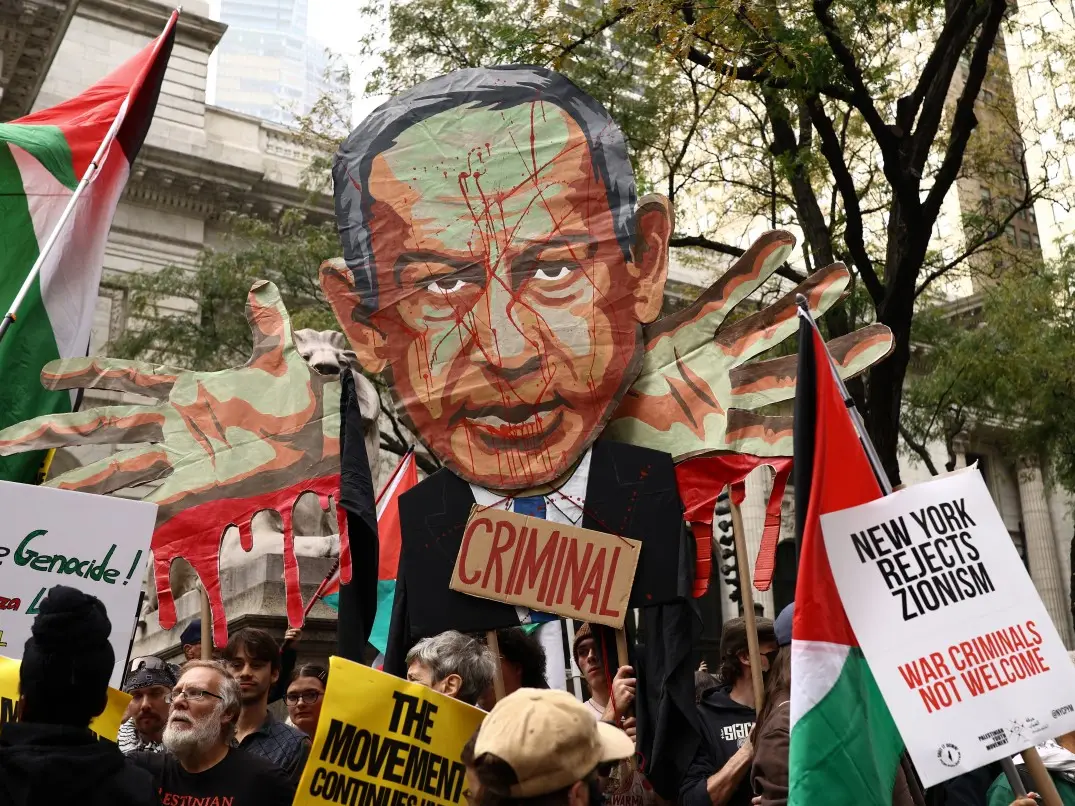
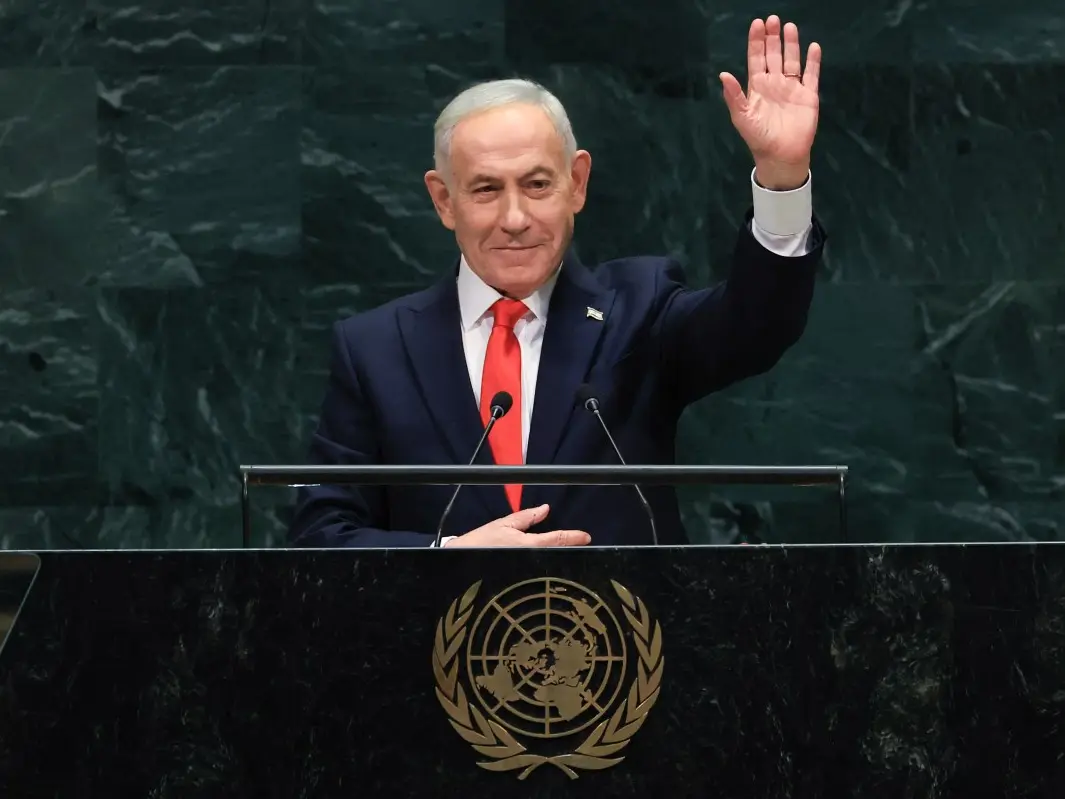
Netanyahu at UN: Mass walkout, attack on Mamdani and Iran threats | In Pics
)
Trump-Xi state dinner 2026: Who is invited? Full guest list of tech CEOs, business leaders and officials
)
'AI got into my speech': Prince Harry jokes after teleprompter failure at event in New York
)
Trump's welcome to Xi demonstrates 'attraction' to dictators: Chuck Schumer
)
US faces fresh cost crunch as mortgage rates hit 7%, oil tops $107 and gas prices surge
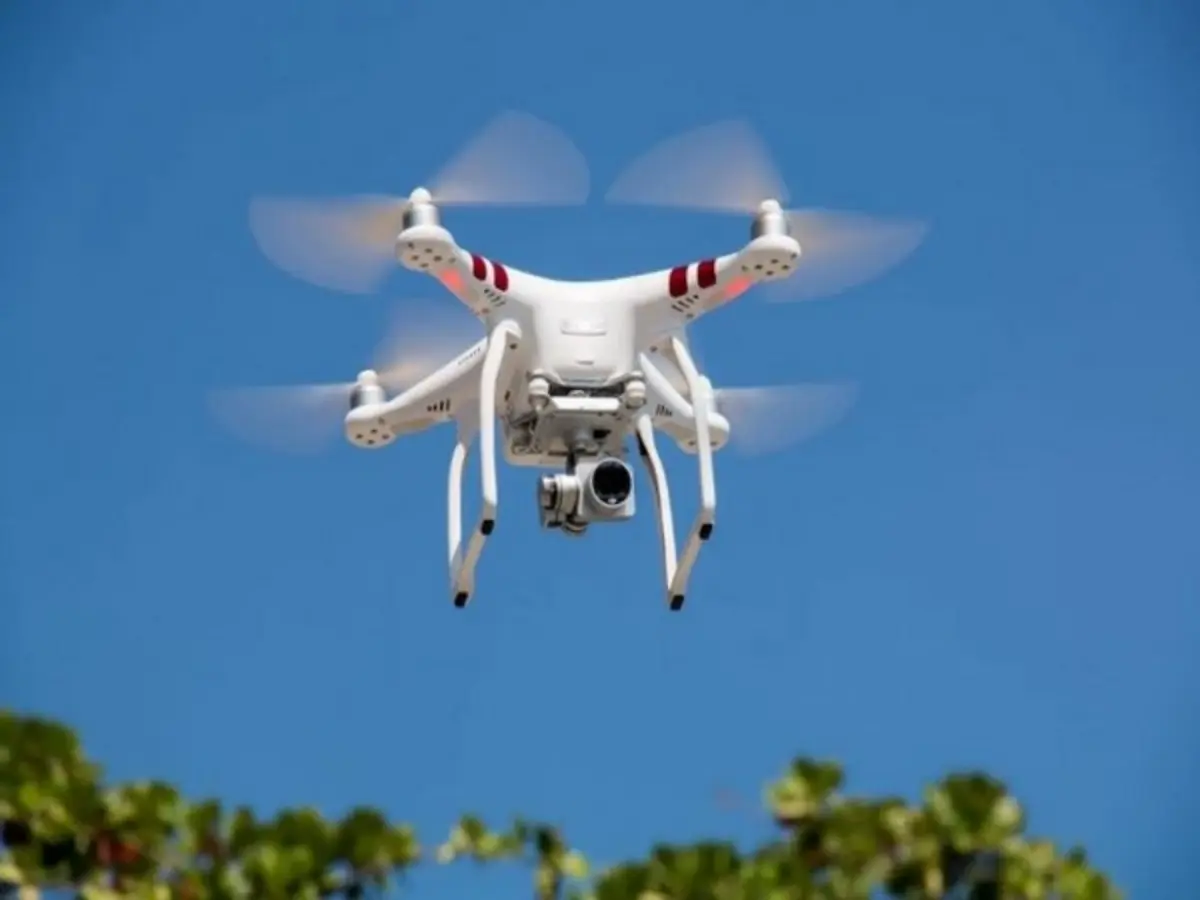)
Russia likely to target Spain, France and Italy in drone attacks, warns CIA: Report
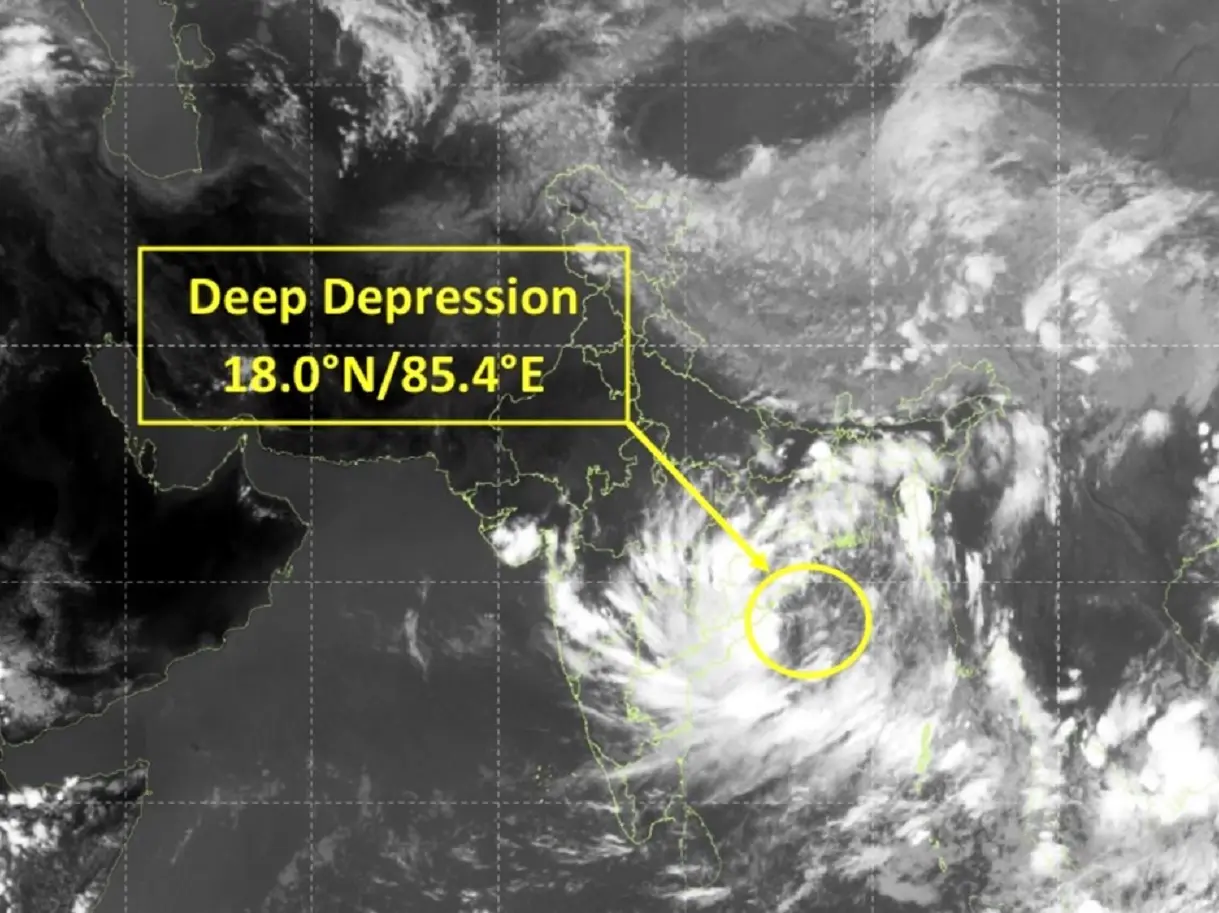)
Cyclone Arnab: Landfall expected before midnight tomorrow as IMD issues orange alerts across six states
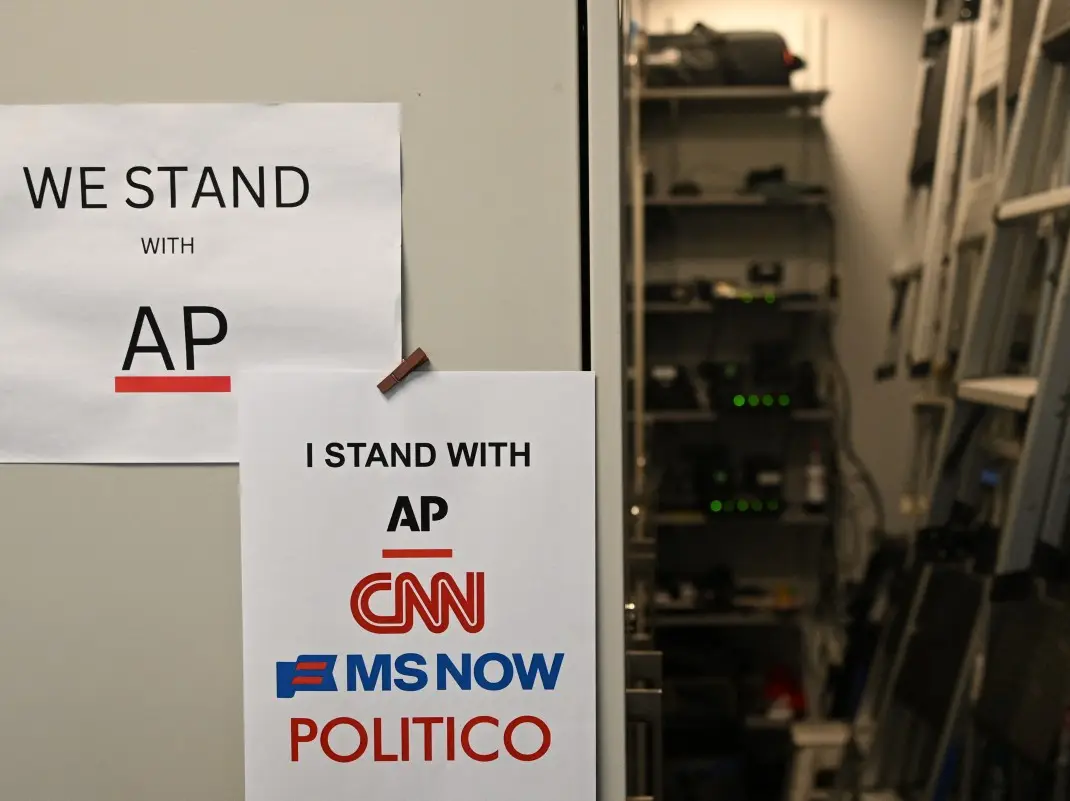)
US judge questions Trump’s decision to ban CNN, MS NOW and Politico from White House
)
Meet Adrian Abraham: 9-year-old Indian-origin guitar prodigy aiming for a Guinness World Record
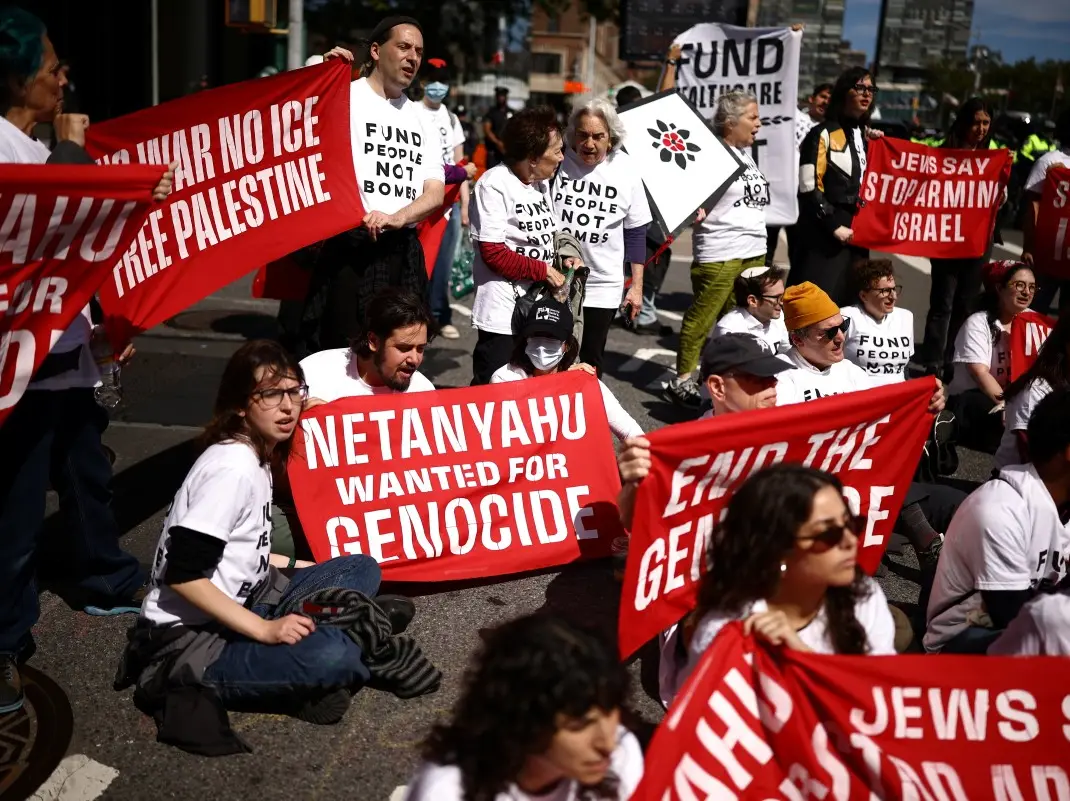)
'Fund people, not bombs': Hundreds take to New York streets as Netanyahu delivers speech at UN; dozens arrested
)
China to test supersonic jet that moves at Mach 2, double the speed of sound
)
'We would all be dead': Netanyahu defends decision to strike Iran's nuclear facilities in his UN speech
)
Mumbai Indians appoint Luke Williams as head coach for Women’s Premier League
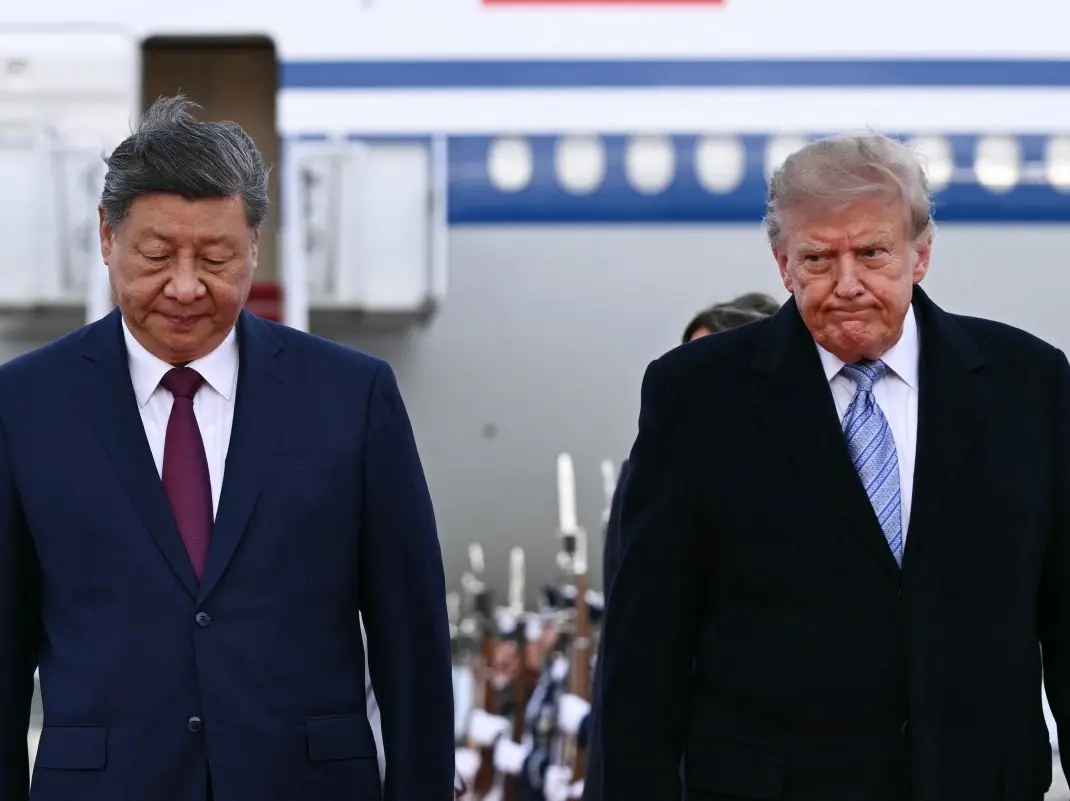)
'Partners rather than rivals': Xi Jinping's first message after landing in US for Trump summit
)
US spy satellite from Cold War shatters 775 km above Earth
)
Xi Jinping's 'special plane' vs Trump's Air Force One: What's the difference?
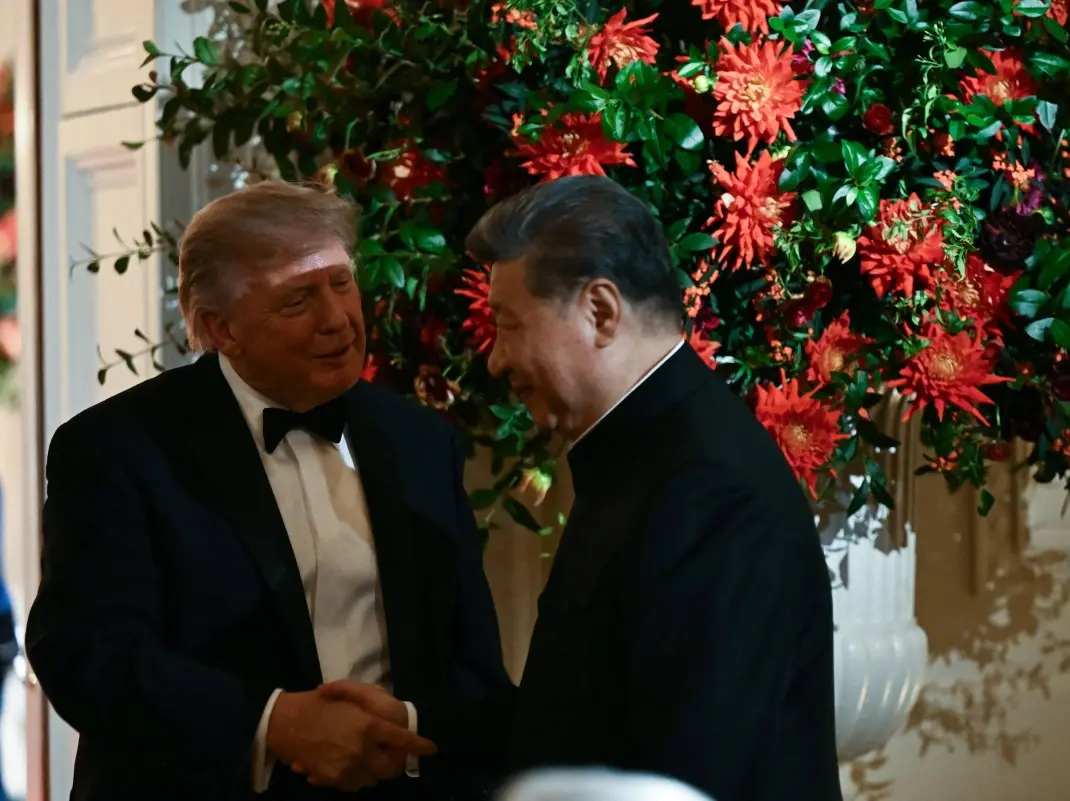)
'Making history': Xi Jinping praises Trump as US-China leaders dine at White House
)
Yemen called Trump for US military support in fight against Houthis: Official
)
Israeli envoy to US Yechiel Leiter’s son critically injured in West Bank ramming attack
)
Trump’s Board of Peace unveils $2.45bn Gaza plan,66 projects: But where’s the money?
)
Italy hit by floods in the north, drought in the south
)
'There will be elections': Venezuela's interim leader Delcy Rodriguez makes big announcement at UN
)
Australian PM Anthony Albanese calls OpenAI AI incident 'unacceptable' after restricted data access
)
Welcome actor Mushtaq Khan dies at 56 after battling cancer
)
IIT Bombay CCTV footage emerges: Sahil Wakode seen looking at phone in examination hall
)
2,000-foot tube, laser tests and more: China builds towns to expand nuclear arsenal, satellite images show
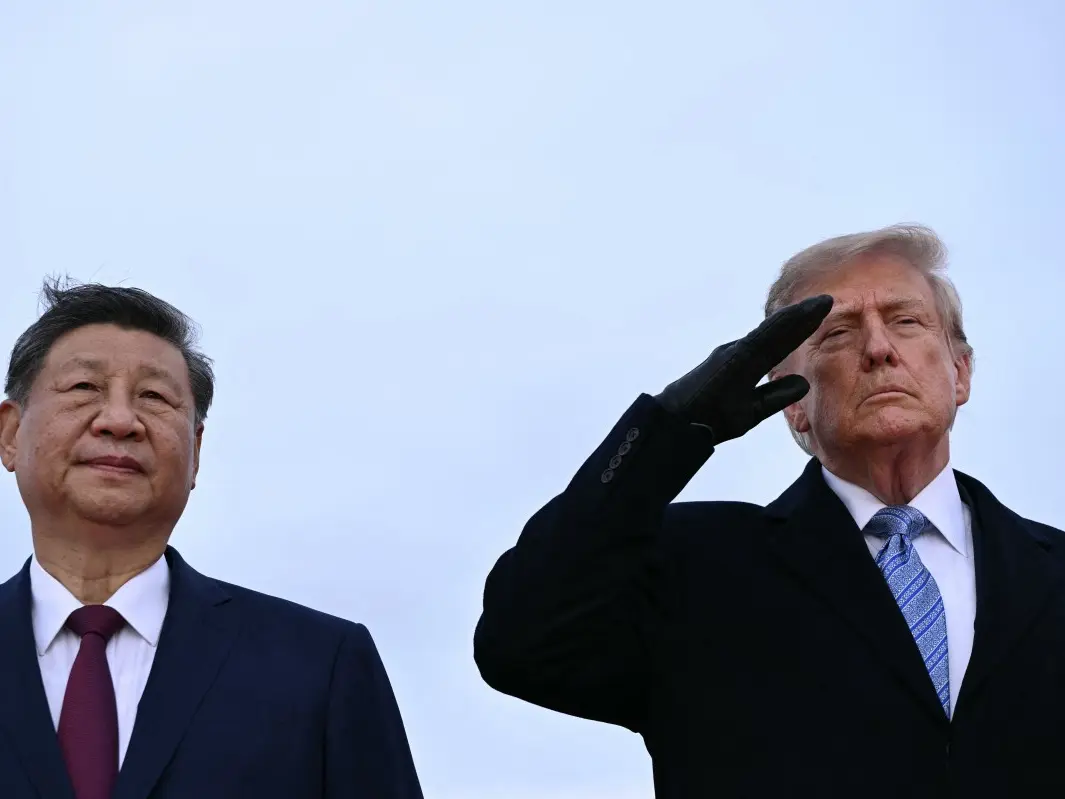)
WATCH | China President Xi Jinping lands in US as Trump greets him ahead of high-stakes summit
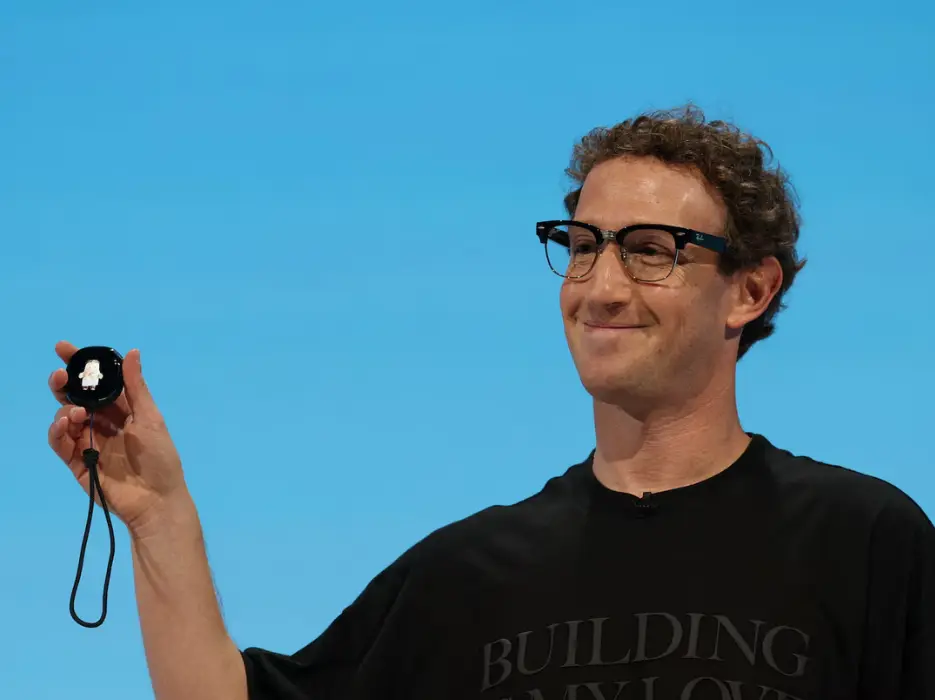)
Forget the smartphone: This tiny gadget could be Meta’s answer to the post-smartphone era
)
WION Iconic Tourism Summit: Is India's travel boom outrunning its airports, airlines and hotels?
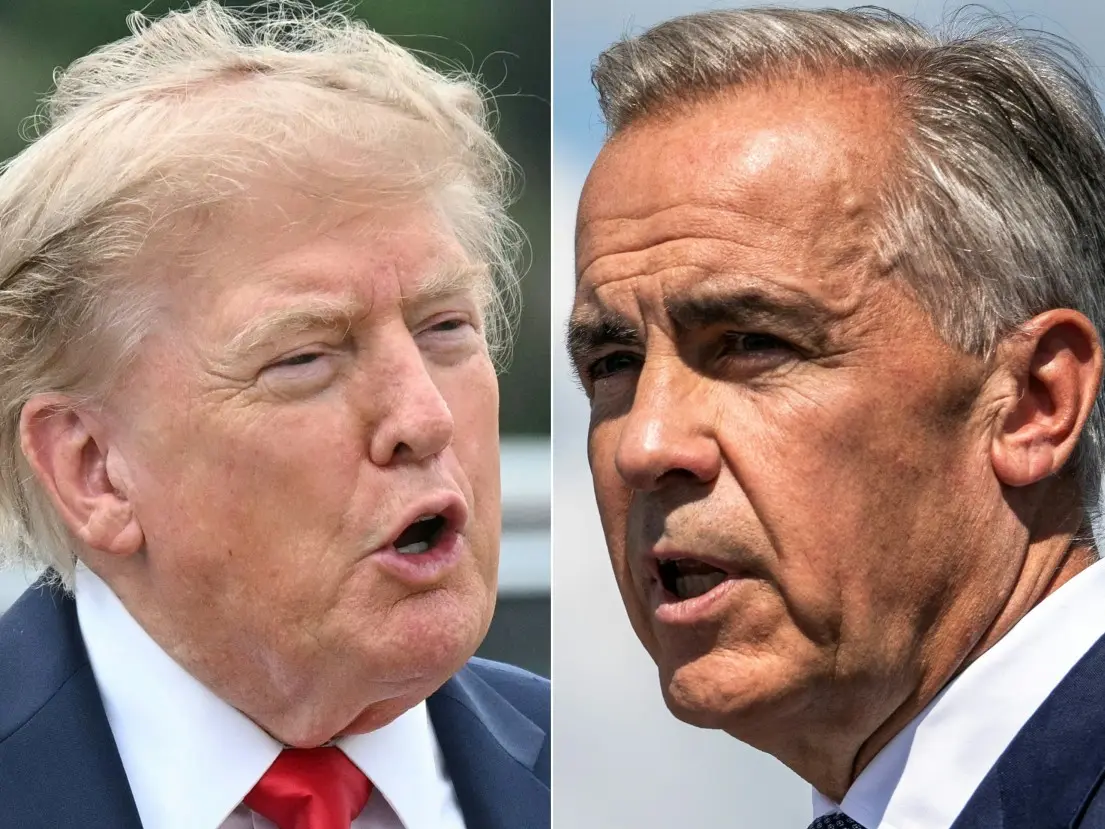)
What’s in a name? Trump’s 'Lake America' move gets a tit-for-tat response from Canada
)
CNN, Politico and MS NOW back in White House after judge blocks Trump’s media ban
)
'What kind of confession is this?': Pakistan PM Shehbaz Sharif’s 'terrorists would be roaming New York' remark goes viral, raises alarm online. Watch
)
‘Not just a local tragedy’: Nepal PM Shah warns UN of growing climate threat, says Nepal floods were 'a warning to the world'
)
WION Iconic Tourism Summit: How local tourism MSMEs must upskill for AI integration
)
WION Iconic Tourism Summit 2026: Union Minister Shekhawat on 'experiential travel', peace diplomacy
)
EC appointment law: Why is the 2023 act controversial, and what happens next? WION explains
)
What’s on the menu? Inside Trump’s lavish White House state dinner for Xi
)
Property registration becomes faster, convenient as model sub-registrar offices open in Maharashtra
)
Who is Lt-Gen Nauman Mahmood, Pakistan's first secretary general of Makkah Defence Alliance?
No multiple PPF accounts
Those having more than one PPF account will have to choose one primary account to incur interest. The other accounts will be closed and their invested amount will be refunded without any interest.
Minor PPF
In the case of minor PPF accounts, they will be applicable for the Post Office Savings Account (POSA) interest rate, which is 2.5 per cent, till the minor turns 18, after which standard PPF rates of 7.1 per cent will be applicable.
The Post Office will calculate the maturity period from the date the minor turns major and is eligible to open their own regular account.
If guardians of minors have opened multiple PPF accounts, they will have to ensure that the contributions made to each account are within the annual limit.
NRI PPF account
NRI with PPF accounts and Form H will be able to retain their accounts until maturity, however, they will get a POSA interest rate only till September 30 and no interest will be incurred in their account from October 1.
Also Read:Money-Wise: Not just NPS Vatsalya, here are five other child investment plans in India
This change will have the most impact on Indian nationals who changed their status to NRI after the activation of their PPF accounts.
Here's what you need to do
- All those with irregularities in their PPF accounts should regularise it as soon as possible to ensure that they do not lose their interest. Especially, those with multiple accounts need to look into it and decide on one account thatthey will operate in future.
- The capping of the investment limit of Rs 1.5 lakh every year does not appear as a major hurdle because investments in PPF are generally made with the thought of getting exemptions under income tax section 80(C) and the limit of this section is also Rs 1.5 lakh.
- Those who have become NRIs and still have PPF accounts must consider closing their accounts either in five-year intervals or at maturity.
- In the case of minor accounts, those with multiple PPFs need to be careful with investments and the investors must also consider the POSA rates applicable for minors till they turn 18.