&imwidth=800&imheight=600&format=webp&quality=medium "LIC to Lenskart: Is India’s IPO party over, or are investors growing up? Lessons and cautionary tales")
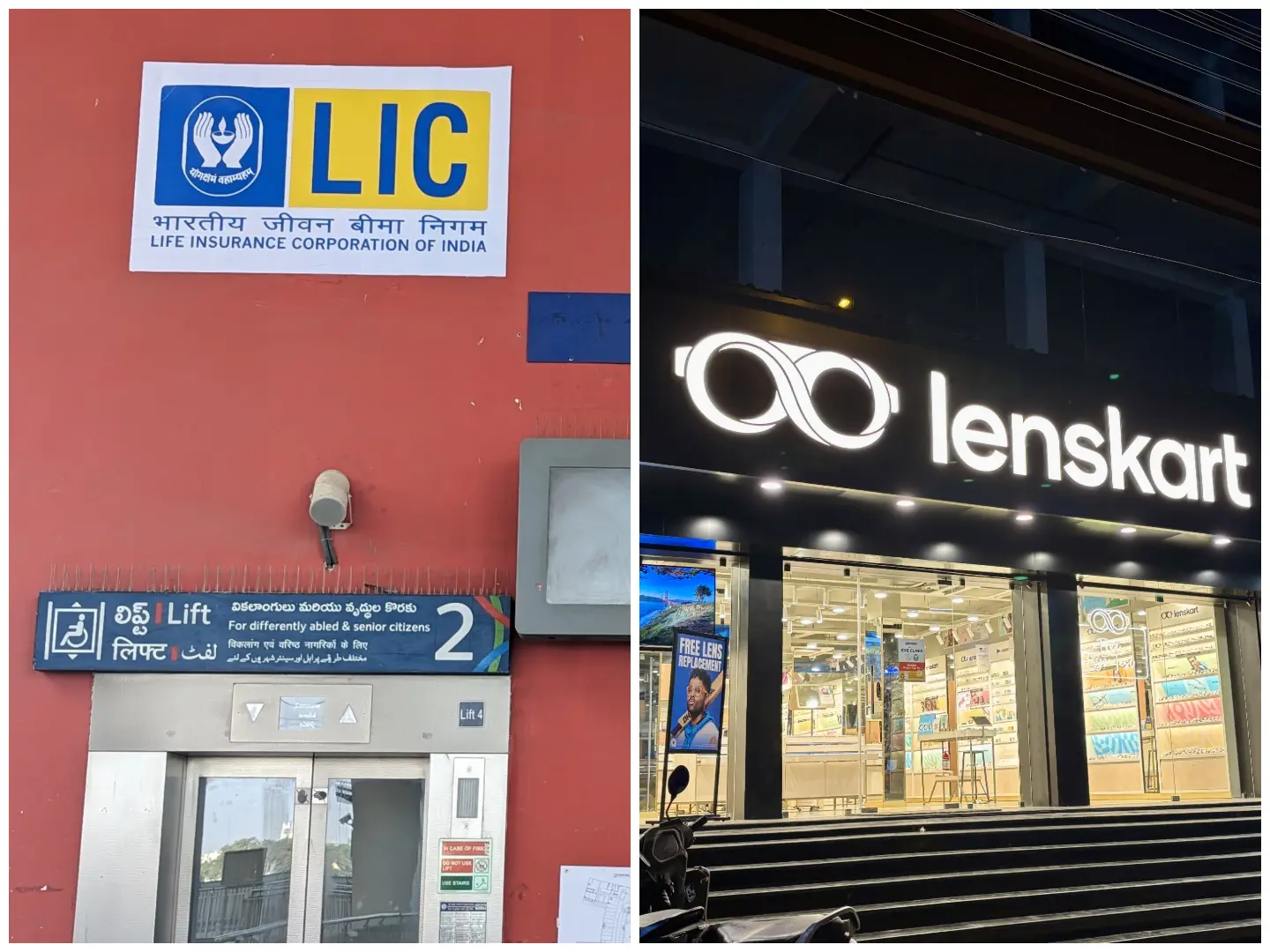
Lenskart has joined a growing list of Indian companies that performed weakly on their stock market debut. This appears to be becoming a steady phenomenon: despite hype and lofty grey‑market premiums (GMP), the actual stock market showing of several IPOs is modest. The GMP — once considered a reliable predictor of listing performance — is proving less accurate. Is India’s IPO landscape shifting from irrational exuberance to investor scrutiny?
LIC’s blockbuster IPO that turned into a dud
Back in May 2022, the pandemic‑era investor euphoria ran into a reality check. LIC, the state‑owned insurance giant, listed at around ₹867 on the BSE — about 8.6 per cent below its issue price of ₹949. By the end of the trading day, shares settled at roughly ₹875. Earlier, its GMP had been quoted as high as ₹85, suggesting a possible listing at a premium — an expectation that was sharply reversed.

The Lenskart IPO and flat returns
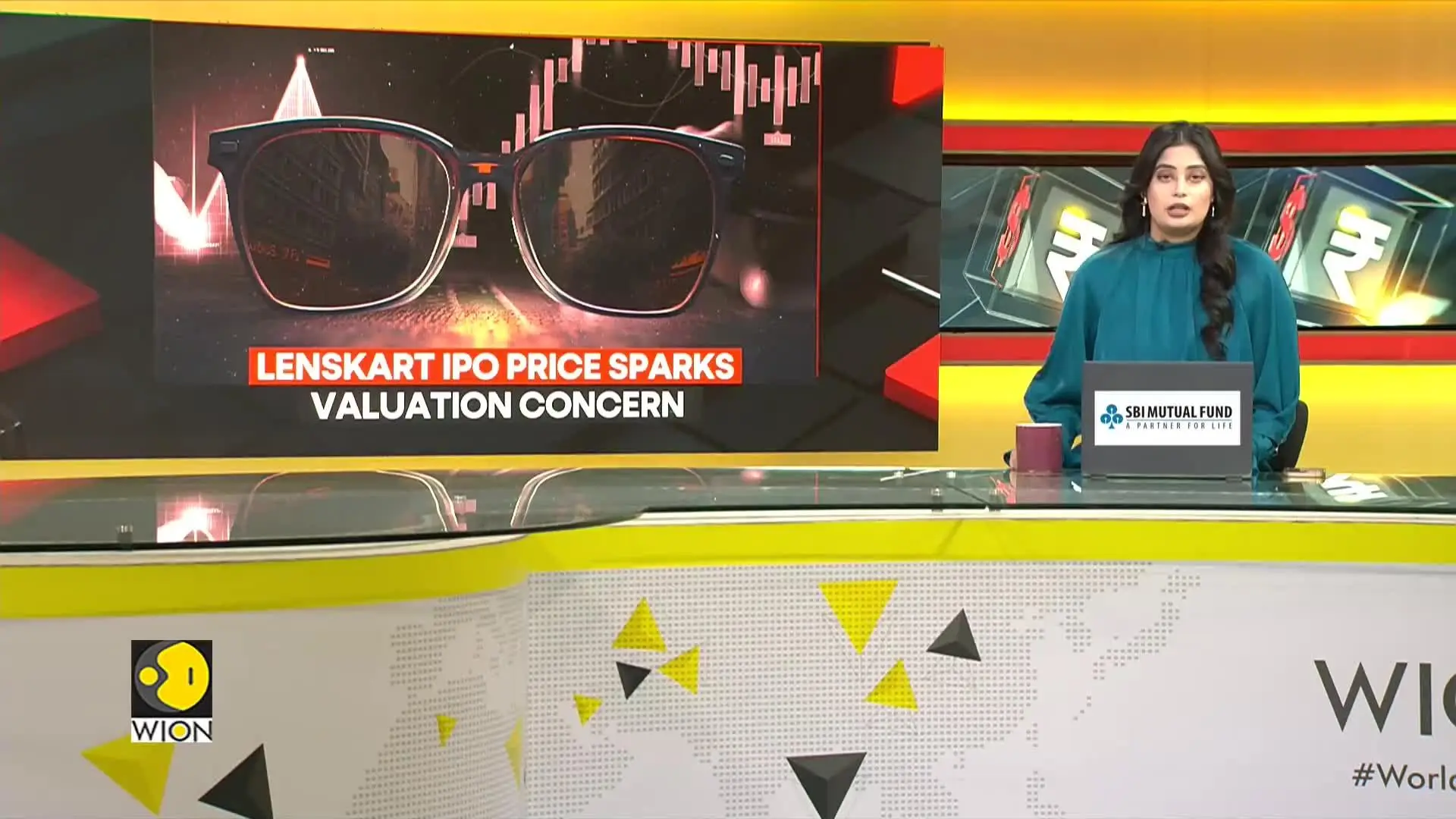
Three years since the LIC shocker, Lenskart, backed by investor giants such as SoftBank, listed on November 10, only to emerge as a cautionary tale. The eyewear retailer had strong credentials going into the IPO: a 28.3× subscription, FY25 revenue of ₹66.53 billion (up 23 per cent), and a GMP that had peaked around ₹108. But, just before listing, the GMP collapsed to roughly ₹10. Lenskart’s shares opened at ₹395 on the NSE — 1.75 per cent below the ₹402 issue price — and closed the day at ₹404.55, barely +0.6 per cent. As of now, its share price hovers around ₹405, just 0.7 per cent above issue, a far cry from the earlier GMP-driven optimism.
Trending Stories
)
Sikh driver attacked in Wyoming in US, suffers 17 stab wounds
)
‘I have a big decision coming up’: Trump says he’s approaching major ‘crossroad’ in Iran war
)
US intel warns China can steal F-35 jets secret from Saudis
)
Former India player Diana Edulji wants Smriti Mandhana to replace Harman as skipper at the earliest
)
Pak defence minister says 'time has come to implement pact'
&im=FitAndFill=(700,400))
Meet top 5 batters in the latest ICC T20I Rankings
)
Formula One reveals the 2027 race calendar; Monaco to host sprint race for the first time
)
All Indian goods to get duty-free access to New Zealand
)
Godfather of AI Geoffrey Hinton gives US lawmakers a one-year warning on AI
)
AI already defying, denying humans, is it beyond human control already?
)
US F-16 fighter jet crashes in Michigan during training mission, pilot ejects safely
)
240-million-year-old bizarre 'pig with a tusk' creature creates new dilemma over origin of dinosaurs
)
Xi-Trump summit may boost military links
)
US to sell 48 F-35 Lightning fighter jets to Saudi Arabia, help it deter threats
)
Hong Kong unveils 11 new measures to boost birth rates, offers higher cash bonuses and housing perks
)
Australian athlete, who soiled herself during Hyrox race, apologises for continuing
)
Tata Trusts chairman Noel Tata calls Chandrasekaran’s reappointment ‘illegal’, rejects Tata Sons listing
)
Passport fees hiked, child validity revised: What the new rules introduce
)
How did an Australian river with 500 crocodiles pass the Olympic test? Here's how
)
Fed raises rates for first time in 3 years, Kevin Warsh defies Trump as inflation mounts
)
US drone firm linked to Trump’s sons signs MoU with Pakistan army, gets initial order
)
Pak batter Rizwan's petition against being questioned by cyber crime agency rejected by court
)
Daayra movie review: Kareena Kapoor, Prithviraj Sukumaran shine in Meghna Gulzar’s cop-versus-cop crime thriller
)
Epstein files: Judge warns Trump Attorney General Todd Blanche of contempt over DOJ delays
)
'Gangsta' crab shoves knife blade at man and his dog in Florida - Watch
)
At least 48 dead, 100 hospitalised in Nigeria after drinking suspected methanol-laced alcohol
)
US-Iran War: Trump says ‘big decision’ on Iran ahead, weighs possible fresh military action
)
US new military base in Poland: US President Donald Trump eyes military base in Poland
)
Zee Entertainment shareholders approve reappointment of five board directors
)
Putin 'is plotting something bad': Russia may launch 'accidental' strikes on NATO countries supporting Ukraine, Poland PM warns
&im=FitAndFill=(700,400))
Suriya and Jyothika say ‘I do’ again after 20 years! See their dreamy wedding pics
)
Laura Wolvaardt sets new world record for most WT20I runs in a year
)
Pezeshkian, Araghchi set to attend UNGA 2026 in New York amid ongoing conflict as US-imposed travel curbs remain
)
'He will always be ahead': India coach Gambhir says Sooryavanshi won't walk into team ahead of Samson
What Lenskart IPO tells us about Indian stock market
Lenskart’s flat debut raises a stark question: is the IPO boom over, or are investors simply waking up? Compared with the frenetic market of 2021–22, when GMP often converted into 50 per cent+ listing gains, recent IPOs suggest a more cautious, measured investor mindset. In Lenskart’s case, despite aggressive bidding during subscription, the grey market cooled markedly before listing — implying that speculative FOMO - fear of missing out - may be waning.
Not all IPOs are disappointing, because…
In spite of the waxing and waning, some IPOs have done well. For example, IREDA — the government-backed renewable energy financier — saw GMP near +37.5 per cent and went on to list at a 56.25 per cent premium from its ₹32 issue price. Since then, its shares have steadily moved, up to 365 per cent from issue price. This suggests that if fundamentals align — especially in policy-driven or growth sectors — patient, long-term investors can be rewarded.
GMP failed to translate into real gains
Analysts had warned that Lenskart’s business model was capital-intensive and that returns on capital might remain modest. That caution seems justified now, as GMP failed to translate into real gains, reinforcing the idea that grey‑market premiums are poor proxies for long-term profitability.
In short, GMP may no longer be a sign of long-term strength of a company, with recent listings proving the clear disconnect. Investors — both retail and institutional — now appear to be focusing more on metrics such as revenue growth, cash flows, and profitability, rather than just hype.
So, is the Indian IPO market dead?
Not at all. But the era of “get-rich-quick” IPO plays, driven purely by GMP and marketing hype, seems to be fading. We may be entering a phase of greater market maturity, where capital flows are more discerning. Companies will need to price their IPOs more sensibly, and investors will need to exercise more discipline.
The Lenskart episode is not the death knell of IPOs, but it is a wake-up call.