India's growth very solid, government should heed RBI's message: IMF

RBI and IMF
It is important for the Indian government to heed the RBI's message on financial stability, IMF's Chief Economist Maurice Obstfeld said, amid reports of friction between the central bank and the finance ministry.
Addressing a group of journalists here, he also said the International Monetary Fund does not want politicians "manipulating" central banks for political ends.
"There is debate over whether it's better for financial stability to be the remit of the central bank or an independent regulator...The UK in 1997, split them, then put them back together again. I'm not going to take a position on that...But I think...The central bank does have to be intimately concerned with financial stability to some degree and with the payment system," he said, responding to a specific question on the recent developments in India regarding the RBI and the government.

"We need to think about what is the best institutional framework in which financial policy can be set with regard to long-term stability of the economy, not just to performance over political horizon," Obstfeld said.
"Well, I think they (the RBI and the Indian government) have reached an agreement on how to proceed. I think their (RBI) message that financial stability is important is correct. And it is important for the government to heed that," he added.
Responding to a series of questions on the attempt in certain countries like the US, India, Argentina and Turkey to curb independence of central banks, Obstfeld said central banks' role as a financial regulator is critical.
&im=FitAndFill=(700,400))
National Film Awards 2026: Kartik Aaryan, Mammootty, Yami Gautam, Randeep Hooda and other key winners
)
The Verdict | Moral policing isn’t culture or discipline, it’s crime
)
‘Shame on you’: Netanyahu vows to ‘tell the truth’ about Mamdani at UN ahead of New York visit
)
ICC plans T20I expansion and fewer ODIs in 2027–2031 FTP cycle: Report
)
Erdogan again raises Kashmir issue at UNGA, calls for dialogue under UN Charter
)
Trump revives India-Middle East-Europe economic corridor as India emerges central to West Asia’s future: What is it?
)
World leaders repeatedly call Gaza crisis ‘genocide’ as Israel’s war dominates opening sessions of UNGA
)
IIT Bombay professor Suryanarayana Doolla sent on leave amid Sahil Wakode death probe
)
American manufacturing is reshoring faster than its factory floors can absorb
)
'Mumma’s boy from Gwalior who dared to dream': Kartik Aaryan pens long note after first National Award win
)
'Our team opened the gate of gold medals': Harmanpreet Kaur on India’s Asian Games final win
)
US and China vie for AI dominance as calls grow for regulation | Gravitas
&im=FitAndFill=(700,400))
New OTT releases this week (September 21-27, 2026): Shaque: Trust No One, Hunkkaar, Don’t Be Shy- 5 new titles coming to Netflix, Prime Video and more
)
Four decades after leaving Kolkata, the Birlas may be coming back for more
)
WION Iconic Tourism Summit and Iconic Awards 2026: India's travel economy leaders gather in Delhi
)
IND vs JPN, one-off T20I: Japan captain Kendel on pushing India to the brink - ‘It was special’
)
Over 4,200 books withdrawn from circulation in J&K colleges, 94% from Kashmir
)
Raaka creates history! Allu Arjun’s film secures Guinness World Record ahead of release
)
Oil slips to $98 as Saudi Arabia restarts East-West oil pipeline
)
Who is Clavicular? The 20-year-old controversial 'Looksmaxxing' influencer charged with rape allegations
)
Trump calls on nations to quit ‘rogue’ and ‘out-of-control’ International Criminal Court, rips UN
)
Yemen clashes kill 154 people in two days as cornered Saudi battles Houthi offensive | Gravitas
)
WION Iconic Tourism Summit and Awards 2026: Key voices to discuss India’s tourism future
)
Bomb scare in New York amid UNGA: Suspicious suitcase found near UN headquarters
)
'This is normally what toddlers do': Why a psychiatrist is raising fresh questions about Trump’s recent behaviour
)
Gravitas | Boosting NHS productivity could save 20,600 lives in UK annually: Report
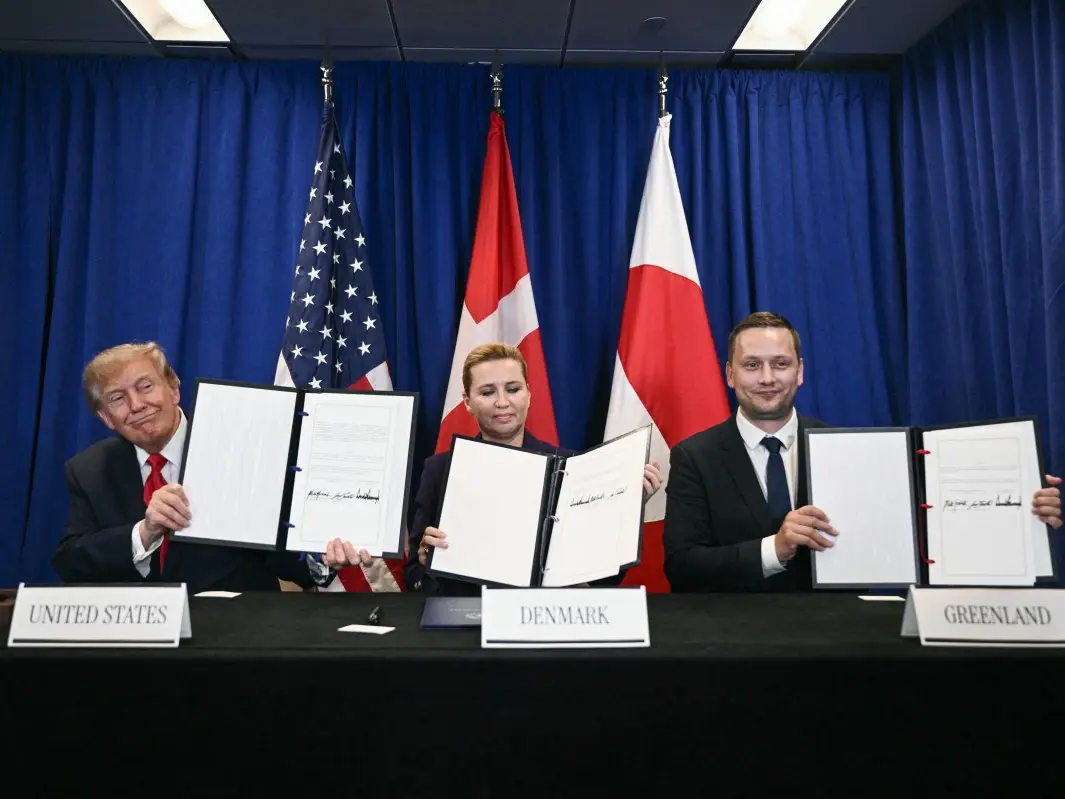)
Trump signs Greenland security deal with Denmark, paving way for two new US military bases
)
Saudi Arabia exits China-led mBridge digital currency platform amid Saudi-Houthi conflict
72nd National Film Awards: Kartik Aaryan receives Best Actor honour for Chandu Champion in Gujarat
)
Glitch in the matrix caught on camera: Woman vanishes after talking to reporter
)
Explainer: Why rare-earth export licences and Board of Trade are US priorities ahead of Trump-Xi summit
)
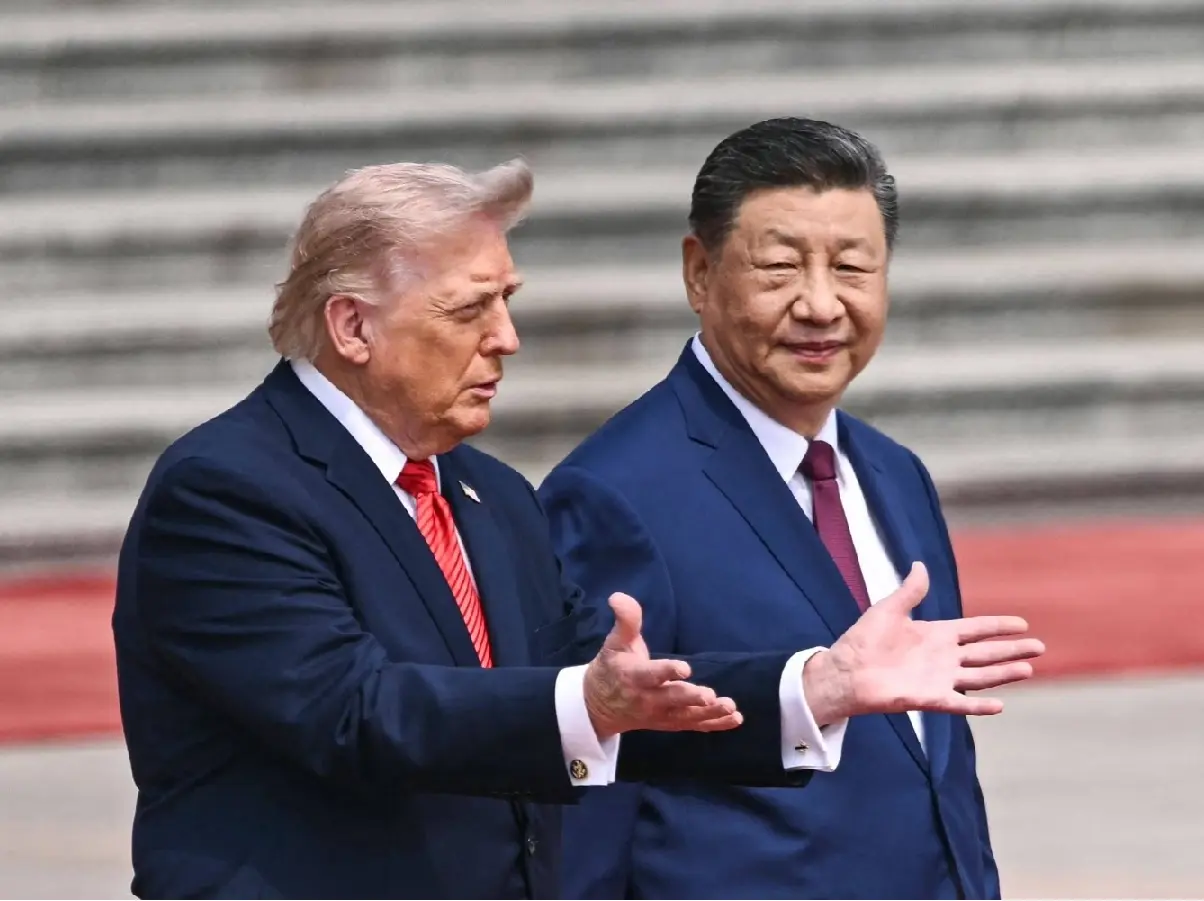
Trump-Xi summit: From trade to Taiwan, what will the US and Chinese presidents discuss in Washington?
)
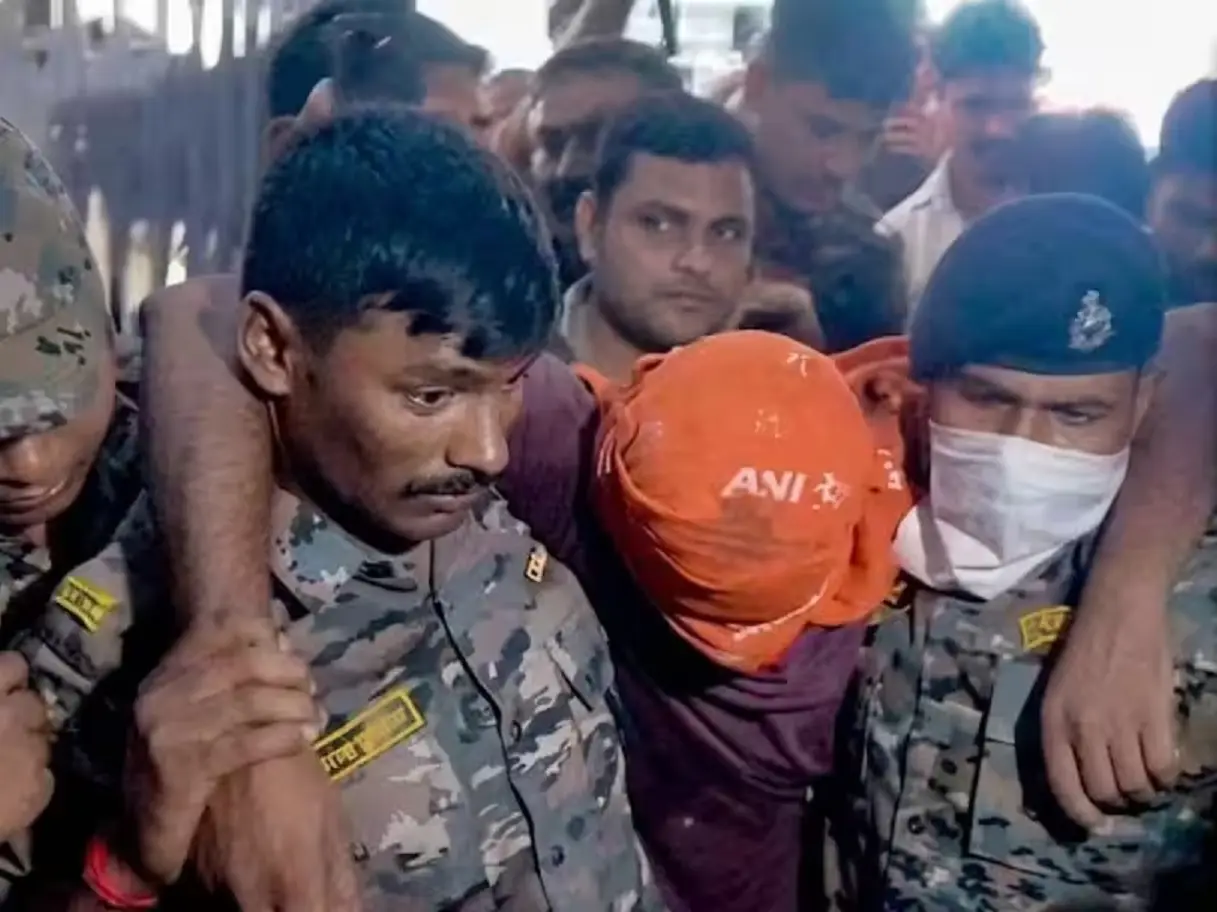
Key accused in Bihar's Jamui molestation case, arrested after police shoot him in leg
)
Justice eludes Air India 1985 bombing victims as Canada probe goes 'inactive' | Gravitas
)
‘Strike a deal or drive Iran into hell’: Trump issues fresh warning to Tehran at UNGA
)
Major League Soccer referee sacked for sexist comment about female match referee
)
Cyclone Arnab: Landfall expected before midnight tomorrow as IMD issues orange alerts across six states
Central banks have "much greater power than you thought". They are fundamentally involved in financial stability policy, in fiscal policy, he said.
Obstfeld said if one looks at the record, the decisions taken by central banks worldwide did stabilise the economy by avoiding much worse losses in output and employment.
However, at the same time, he said, their moves also raised questions of transparency and accountability.
"So, it's not a shock that people raise these questions and it does create a challenge for central banks to be more transparent and to communicate more effectively with a broader public about what they are about and what they are doing," Obstfeld said.
If the central bank cannot communicate more effectively about what it is doing, then there is a possibility of political manipulation where politicians attack the central bank and undermine it, he said.
"Clearly, we don't want politicians manipulating the central bank for political ends," Obstfeld added.
After serving as IMF's chief economist for more than three years, 66-year-old Obstfeld is set to retire this month-end and will return to the University of California, Berkley. Gita Gopinath, Indian American economist from the Harvard University, would replace him from the first week of January.
India's growth has been "very solid" over the past four years, IMF's chief economist Maurice Obstfeld added, praising the fundamental economic reforms like the GST and the Insolvency and Bankruptcy Code carried out by the government.
"India under the government of Prime Minister Narendra Modi has carried out some really fundamental reforms. These include the Goods and Services Tax (GST), the Insolvency and Bankruptcy Code...A lot of what they have done on financial inclusion has been really important," Obstfeld told a group of journalists here.
He said one risk that has become much more evident in the last few years has been non-bank finance, usually called shadow banking.
"There is a big challenge of stricter, oversight," the economist said.
Noting that there has long been a legacy of corporate debt associated with bad infrastructure projects in India, Obstfeld said it has been very concentrated in banking system.
"But as the government is trying to better oversee the banking system, these loans have migrated to shadow banking and that is an area where more needs to be done to contain financial pressures, which we are beginning to see in India," he said.