Indian electronics makers lose steam as US tariff risks loom

&imwidth=600&imheight=450&format=webp&quality=medium "Indian electronics makers lose steam as US tariff risks loom")
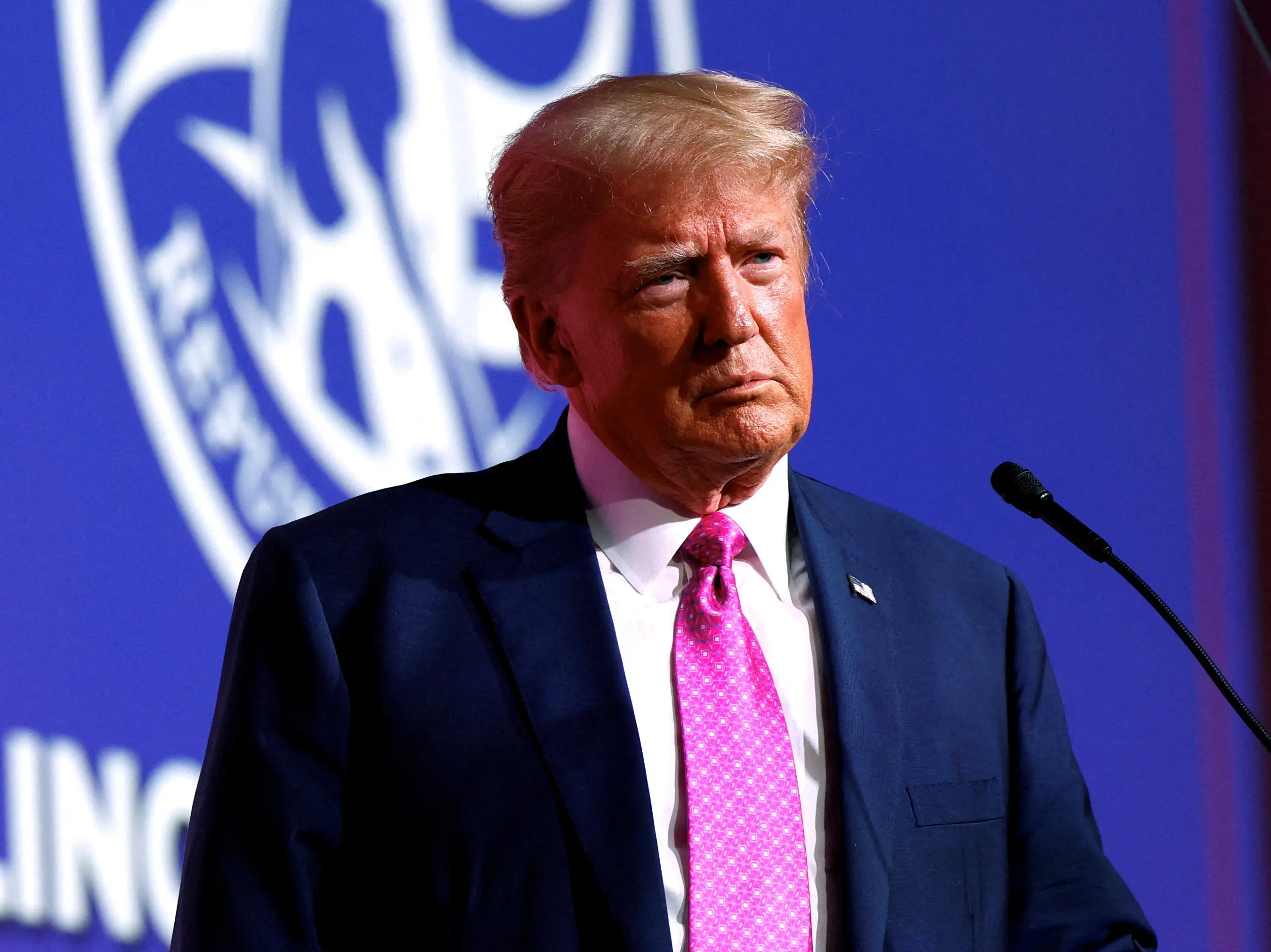
US President Donald Trump. Photograph: (Reuters)
Amid US tariffs tension, Indian equity markets showed caution, with Nifty declining for six weeks due to weak earnings and global trade uncertainty.
Indian equity markets opened the week on a cautious note, with the Nifty index logging its sixth consecutive week of declines and sentiment weighed down by weak earnings commentary and global trade uncertainty. As per Bloomberg, chart analysts are closely watching the 200-day moving average, now just within reach a level that could offer some technical support if it holds.
As per Bloomberg, India’s electronics contract manufacturing sector is starting to show cracks, even before the full impact of US tariffs is felt. Bloomberg reports that PG Electroplast shocked investors on Friday by slashing both profit and revenue forecasts for the current fiscal year, citing weaker air-conditioner demand due to an early monsoon. The announcement sparked selling across the industry, with shares of Amber Enterprises, Syrma SGS, and Dixon Technologies coming under pressure.
SBI cautious but confident
State Bank of India, the country’s largest lender, delivered a mixed outlook. As per Bloomberg, while its June-quarter retail and corporate loan growth outpaced the industry average, management warned of short-term margin pressure and flagged the risk that US tariffs could slow investments and consumer spending. Even so, SBI remains upbeat about mortgage demand and corporate lending, projecting a recovery in net interest margins by the fourth quarter, Bloomberg noted.
Hotels post strong metrics but lag in market
India’s hospitality sector is reportedly maintaining steady operational performance with stable room rates, rising occupancy levels, and a robust expansion pipeline, particularly in smaller cities, according to Yes Securities data cited by Bloomberg. Yet, hotel stocks have underperformed the broader market this year, suggesting valuations already price in much of the sector’s growth potential.
Trending Stories
)
)
)
)
)
)
)
)
)
)
)
)
)
&im=FitAndFill=(700,400))
)
)
)
)
)
)
)
)
)
)
)
)
)
)
)
)
)
&im=FitAndFill=(700,400))
)
)
)
)
)
)
)
)
)
)
Tariff tensions weigh on India’s market position
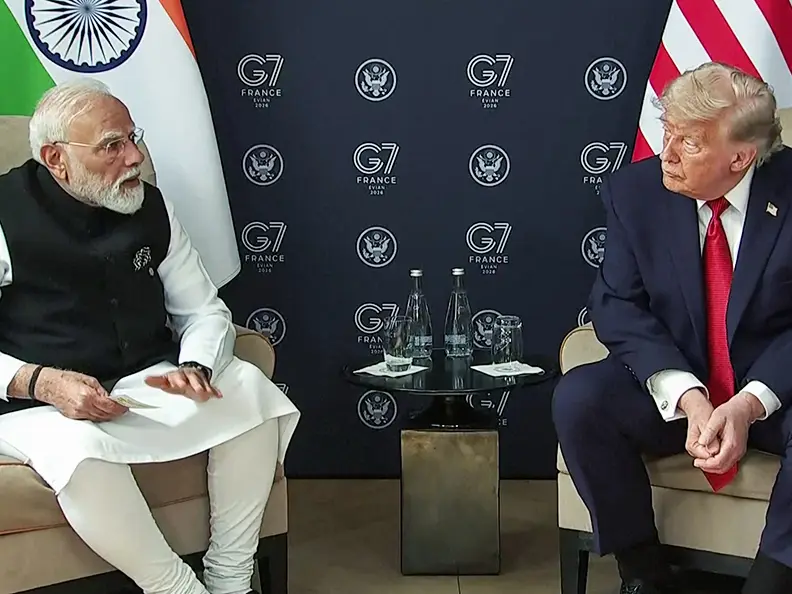
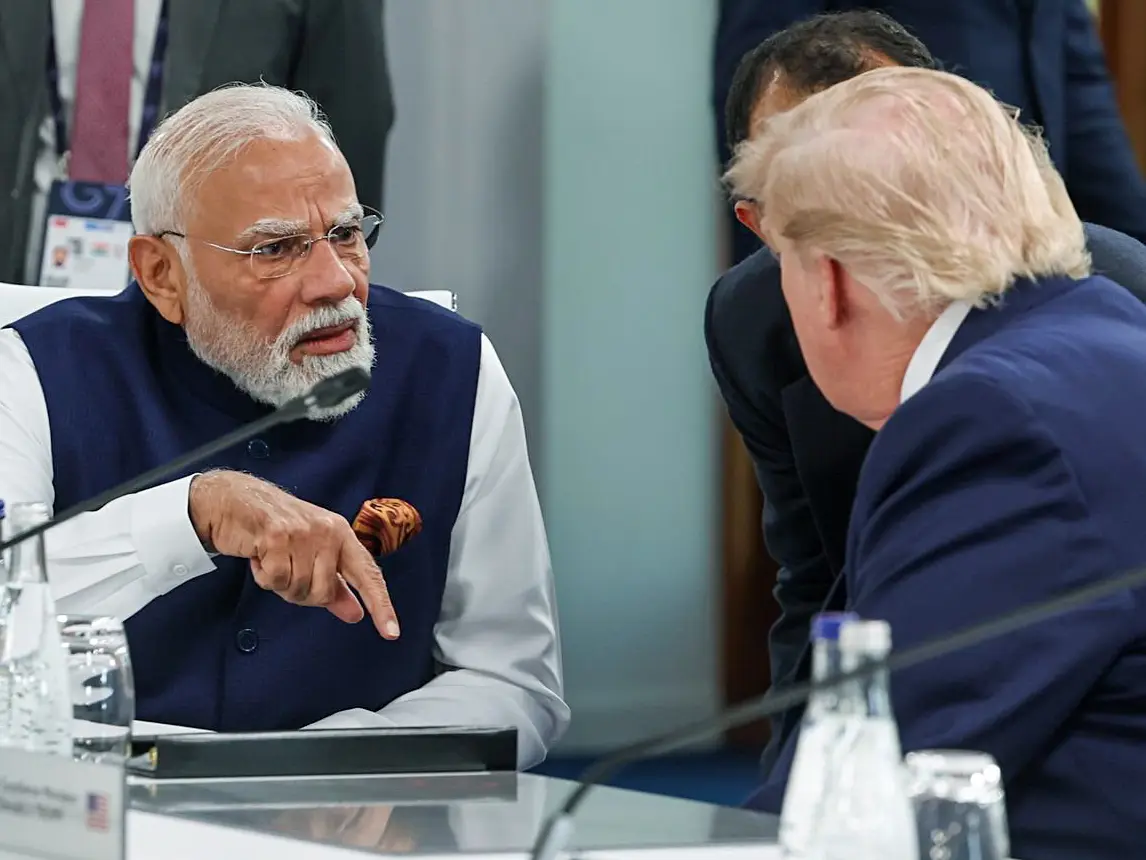
The escalating tariff standoff between US President Donald Trump and India is emerging as another headwind for investors. Bloomberg data shows that India’s equity market now trails China’s onshore market by $6.3 trillion, the widest gap since March and is on track for its biggest annual underperformance versus China since 2017. Analysts warn that unless trade tensions ease, India’s bid to position itself as the next global growth engine could face further setbacks.
(With inputs from the agencies)