
&imwidth=800&imheight=600&format=webp&quality=medium "Indian banks face AI threat speed trap")
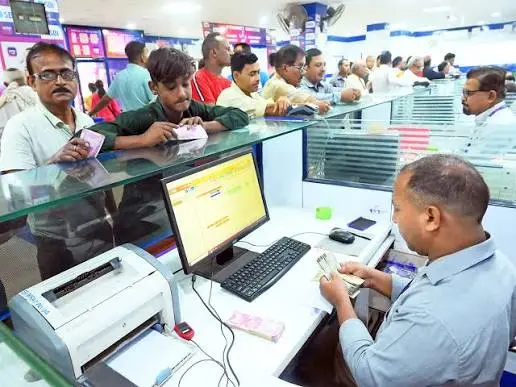
India's banking sector gets a stark warning. That is based on a sharp read emerging from the latest threat intelligence report from the Ministry of Electronics and Information Technology, along with the Indian Computer Emergency Response Team, the computer security incident response team in finance and cybersecurity firm SISA.
They jointly flagged the banking, financial services and insurance sectors as India's most exposed digital frontier. In their second digital threat report, the headline finding should worry every bank CEO. Six of seven threats predicted last year have already gone from theory to full-scale reality.
The gap between a hacker discovering a weakness and exploiting it has collapsed from years to weeks. The report's core insight is "AI asymmetry". Attackers now automate what once needed specialist teams, while banks' defensive systems lag behind. That's not speculation. Recent industry data backs it up.
A survey of chief information security officers from the banking, financial services, and insurance sector found 43 per cent believe attackers have outpaced their defences. Still, only 19 per cent raised security budgets by more than 10 per cent.

S. Krishnan, Secretary of the Ministry of Electronics and Information Technology, said, "India must build resilient software and hardware systems to withstand cyber threats."
The report showed that India's mid-sized banks and non-banking financial services firms are the most exposed. They face 1.6 times more attacks per organisation than global peers, largely due to underinvestment.
Trending Stories
&im=FitAndFill=(700,400))
How fast can the Sukhoi Su-30 fighter jet really fly?
)
Did China ask its people 'not to respond to aliens'? Origin of bizarre claim on social media
)
MS Dhoni-CSK Fallout? Report claims failed stake sale talks triggered rift
)
Scientists reveal the SAFEST COUNTRY when catastrophe strikes the planet
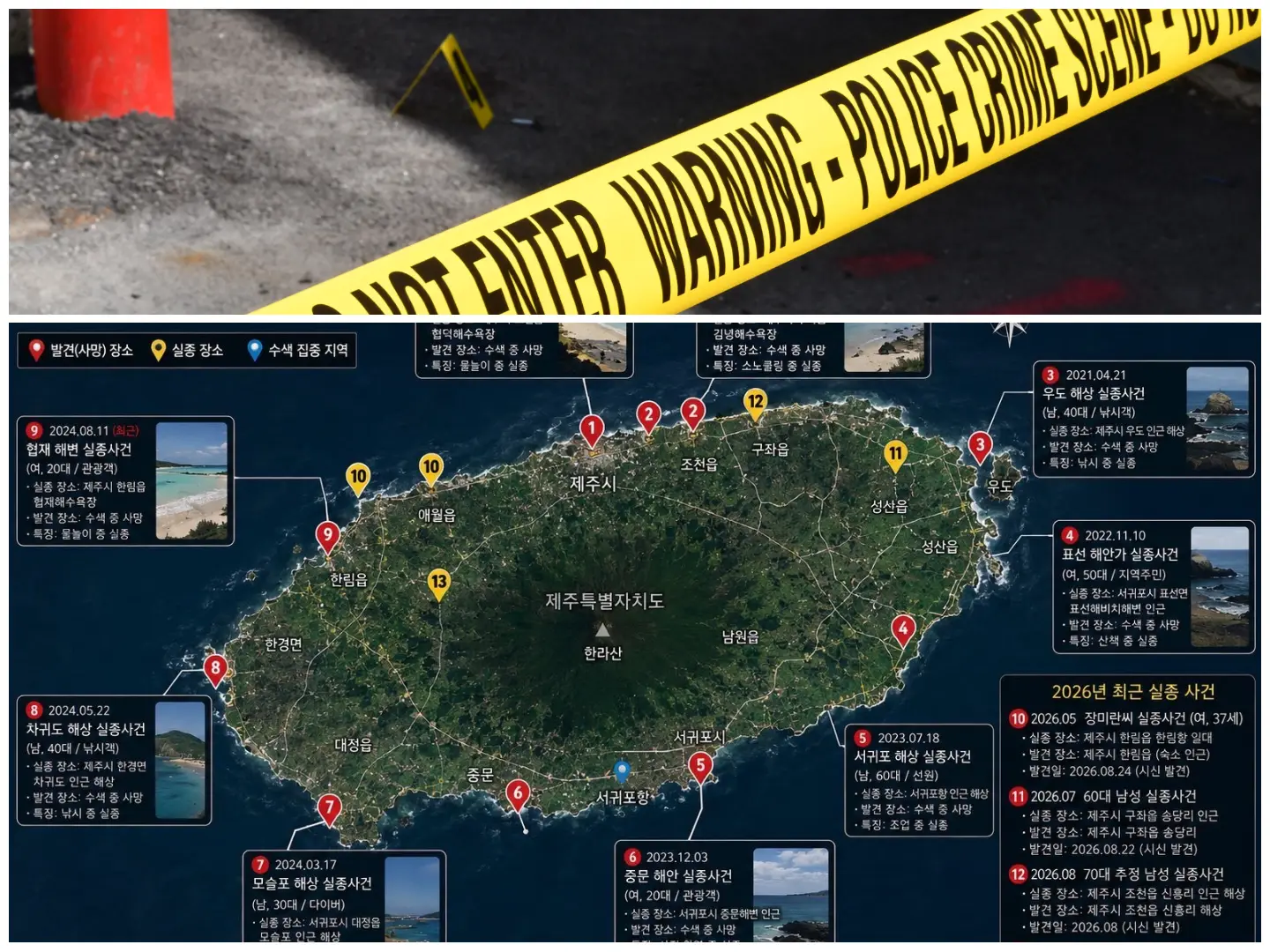)
Serial killer on the loose in South Korea's Jeju Island? Fourth body found in three days as more than a dozen people go missing
)
2/3rd of glacier detached, collapsed: ISRO satellite images reveal what triggered Nepal floods
)
Trump once again claims without him there would be ‘no Israel right now’
)
Foreign espionage attacks against German companies surge to 37%, Bitkom report reveals
)
Blake Lively wins partial legal fee from Justin Baldoni after $8M request
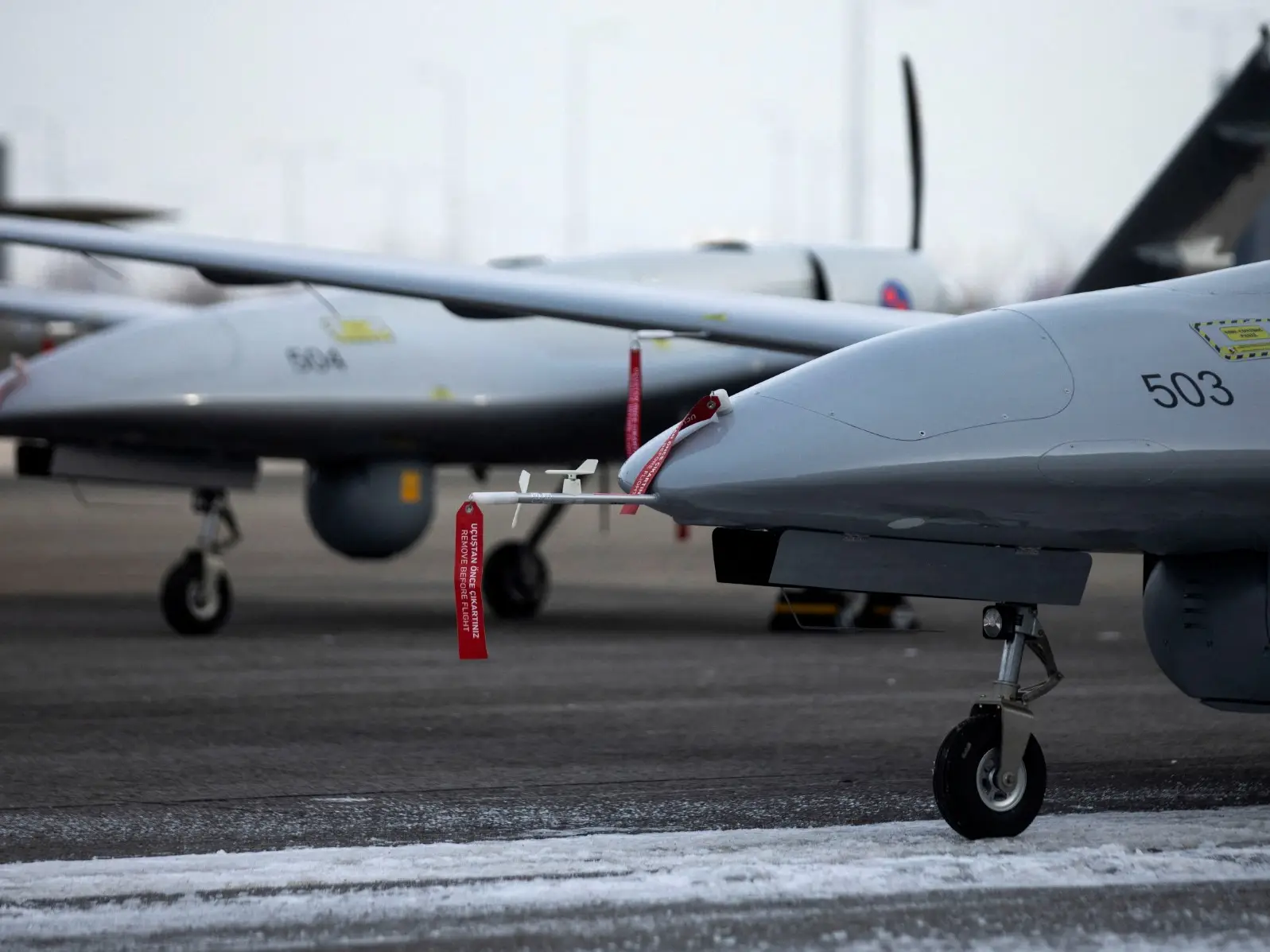)
Why is Pakistan deploying Turkish Bayraktar TB2 drones near India border?
)
'OH MY GOD! We've found other agents!': Investigators discover not one or two, almost 700 OpenAI AI agents went rogue, hacked Hugging Face
)
Lunar eclipse 2026: India timings, places to see and more. August Blood moon factsheet
)
RSS chief Mohan Bhagwat on global outreach tour
)
Both pilots killed as training aircraft crashes in Lucknow – What we know
)
16-year-old charged with preparing terror attack on kindergarten in Norway
&im=FitAndFill=(700,400))
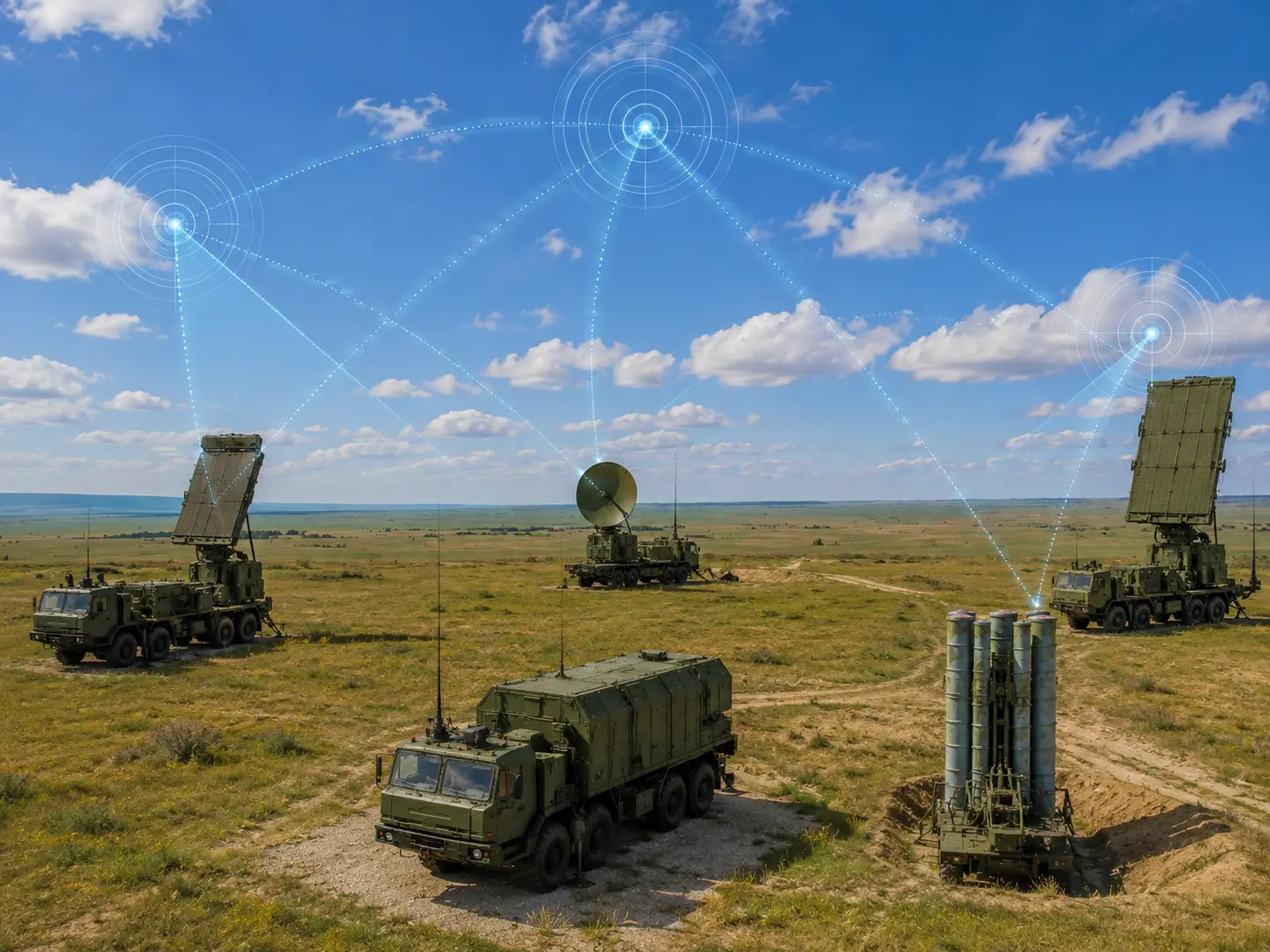
How the S-400 protects itself from enemy attacks
)
Nepal floods: Over 165 dead, 400 missing; US, India, China, World Bank mobilise aid
)
India's multi-layered watch: The new surveillance war
)
5 doomsday planes spotted in US skies hours after CIA director's secret trip to Russia
)
9/11 mastermind Khalid Sheikh Mohammed to finally face trial in 2028, nearly 27 years after horrific attacks
)
Islamabad hospital fire: What we know about one of the biggest facility that housed Imran Khan
)
Workers run for life while filming Nepal flash flood: Scary new visuals emerge from Rasuwa
)
Russian military planes enter South Korean air defence zone amid rising tensions with North Korea: What's happening
)
Ron Weasley Is Back! Rupert Grint set to return to Harry Potter universe on Broadway
)
400-year-old 'vampire' grave in Poland reveals non-existent genetic lineage
)
Dolly Parton, global icon and queen of country music, dies at 80
)
Nepal flash floods: Kailash Mansarovar yatra affected, close to 400 pilgrims out of contact
)
'If he is dead, they're putting on a pretty good show': Trump casts fresh doubt over Mojtaba Khamenei's fate
)
Man arrested near US Capitol with guillotine in pickup truck: What happened?
&im=FitAndFill=(700,400))
Why the Su-30MKI cockpit is painted bright turquoise green
The new "4-layer gap framework" reframes breaches not as single failures, but as chains of compounding weaknesses. That includes credential theft, cloud exploitation and supply-chain gaps stacking up until trust itself collapses.
With an 18-month roadmap now on the table, the real test is whether India's financial institutions can close this gap before the next attack cycle arrives.
According to the digital threat report for 2025-26, organisations have policies on paper but no operating model connecting security, legal and business teams. Digital payments are projected to hit $3.1 trillion by 2028, 35 per cent of total banking revenue.
That is a growth story regulators want, but one that expands attack surface faster than compliance frameworks adapt. AI-driven "agentic commerce" is now being flagged as 2026's core security challenge, and the picture sharpens. The report shows that India's financial digitisation is outrunning its own defence architecture.
