IMF downgrades growth forecasts for China and Euro area, cites uneven global recovery


IMF logo (File Photo)
The International Monetary Fund (IMF) has revised its growth projections downward for both China and the euro area while emphasising the uneven and sluggish nature of the global economic recovery. Despite acknowledging the "remarkable strength" of the U.S. economy, the IMF has trimmed its global real GDP growth forecast for 2024 by 0.1 percentage points to 2.9 per cent, from its July projection, while maintaining the 2023 growth forecast at 3.0 per cent. In comparison, world output expanded by 3.5 per cent in 2022.
Reuters cited Pierre-Olivier Gourinchas, Chief Economist at the IMF, who noted that while the global economy is recovering from the COVID-19 pandemic, Russia's invasion of Ukraine, and last year's energy crisis, growth trends vary widely across different regions. He expressed concerns about medium-term growth prospects, describing them as "mediocre." Gourinchas also highlighted several risks, including the real estate crisis in China, volatile commodity prices, geopolitical fragmentation, and resurgence in inflation.
Regarding the recent Israel-Palestinian conflict, Gourinchas stated that it was too early to assess its potential impact on the global economy, emphasising the need to consider various scenarios that have yet to be explored.

The IMF's outlook underscores the challenges facing the global economy, characterised by the persistent effects of the pandemic, Russia's conflict in Ukraine, rising interest rates, extreme weather events, and reduced fiscal support. The total global output in 2023 is expected to be 3.4 per cent lower than pre-pandemic projections, equating to approximately $3.6 trillion.
Gourinchas described the current state of the global economy as "limping along" and falling short of a full recovery. The IMF's medium-term outlook predicts growth of 3.1 per cent in 2028, a significant drop from the 4.9 per cent forecast made just before the global financial crisis of 2008-2009.
Regarding inflation, the IMF expects a decline due to lower energy and food prices. It anticipates a drop in annual average inflation to 6.9 per cent in 2023, down from 8.7 per cent in 2022, and further to 5.8 per cent in 2024. Core inflation, which excludes food and energy prices, is expected to decrease gradually, reaching 6.3 per cent in 2023 and 5.3 per cent in 2024.
)
Trump-Xi Summit: Trade, Taiwan and the red lines shaping US-China talks | Race To Power
)
US citizen injured in Illinois after ICE agents mistook him for fugitive, hospitalised
)
US judge questions Trump’s decision to ban CNN, MS NOW and Politico from White House
)
Afghan woman cyclist who disguised herself as a boy to escape Taliban, wins Asian Games medal
)
Trump signs Greenland security deal with Denmark, paving way for two new US military bases
)
IND vs JPN T20I: How an overturned wide became point of difference between India's win and a tie
)
IIT Bombay CCTV footage emerges: Sahil Wakode seen looking at phone in examination hall
)
Cyclone Arnab: Landfall expected before midnight tomorrow as IMD issues orange alerts across six states
)
NBA player Steven Adams shares hilarious GTA VI theory
)
TMC revives impeachment push against CEC Gyanesh Kumar after report of internal dissent
)
WION Iconic Tourism Summit 2026: Union Minister Shekhawat on 'experiential travel', peace diplomacy
)
ICC plans T20I expansion and fewer ODIs in 2027–2031 FTP cycle: Report
)
'AI got into my speech': Prince Harry jokes after teleprompter failure at event in New York
)
WION Iconic Tourism Summit: Seychelles envoy says India partnership is important for Seychelles
)
Scientists detect first radio signals directly from faraway planet
)
China to test supersonic jet that moves at Mach 2, double the speed of sound
)
WION Iconic Tourism Summit: 'Hanuman Ansh' Director on blockbuster success
)
Open AI, Anthropic CEO urges caution over rapid AI development at UN Security Council, call for 'extreme care'
)
Bomb scare in New York amid UNGA: Suspicious suitcase found near UN headquarters
)
Hours before Xi-Trump meeting, US announces visa curbs targeting birth tourism: What is it?
)
WION Iconic Tourism Summit: Is India's travel boom outrunning its airports, airlines and hotels?
)
WION Iconic Tourism Summit and Awards 2026: Key voices to discuss India’s tourism future
)
Trump-Xi state dinner 2026: Who is invited? Full guest list of tech CEOs, business leaders and officials
)
American manufacturing is reshoring faster than its factory floors can absorb
&im=FitAndFill=(700,400))
New OTT releases this week (September 21-27, 2026): Shaque: Trust No One, Hunkkaar, Don’t Be Shy- 5 new titles coming to Netflix, Prime Video and more
)
WATCH | China President Xi Jinping lands in US as Trump greets him ahead of high-stakes summit
)
Australian PM Anthony Albanese calls OpenAI AI incident 'unacceptable' after restricted data access
)
'What kind of confession is this?': Pakistan PM Shehbaz Sharif’s 'terrorists would be roaming New York' remark goes viral, raises alarm online. Watch
)
WION Iconic Tourism Summit: How local tourism MSMEs must upskill for AI integration
)
Elephants hide behind trees, stage surprise attack on poachers targeting rhinos in South Africa
)
'Putin is patient zero': Zelensky slams Russian president at UNGA, accuses him of using fighters from 47 countries
&im=FitAndFill=(700,400))
National Film Awards 2026: Kartik Aaryan, Mammootty, Yami Gautam, Randeep Hooda and other key winners
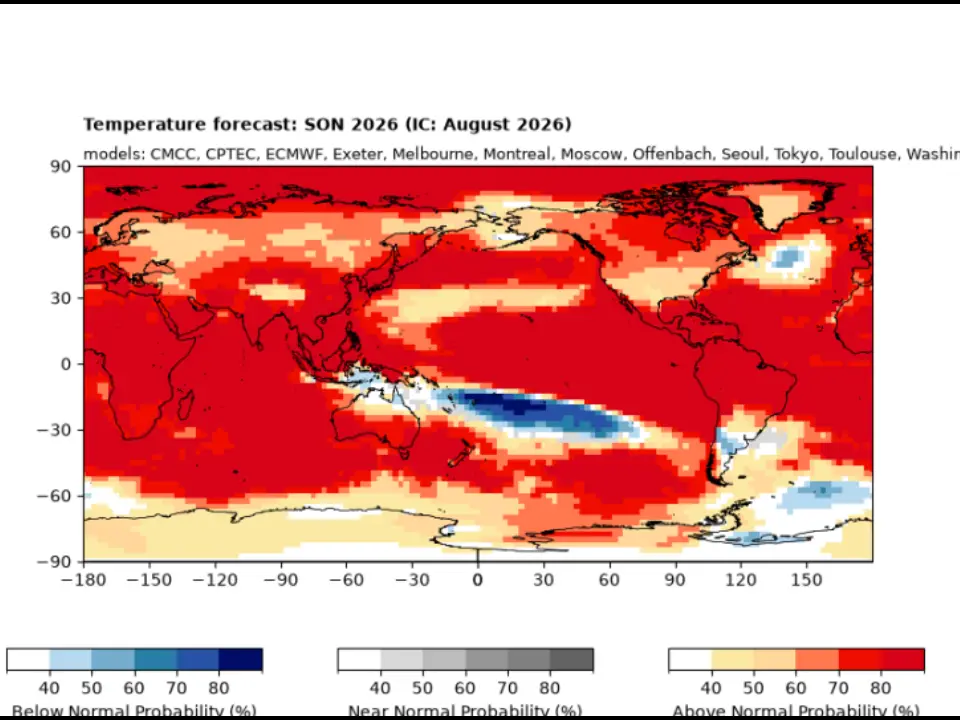)
El Niño 2026 heats up to become strongest in 1,000 years
)
Israeli envoy to US Yechiel Leiter’s son critically injured in West Bank ramming attack
&im=FitAndFill=(700,400))
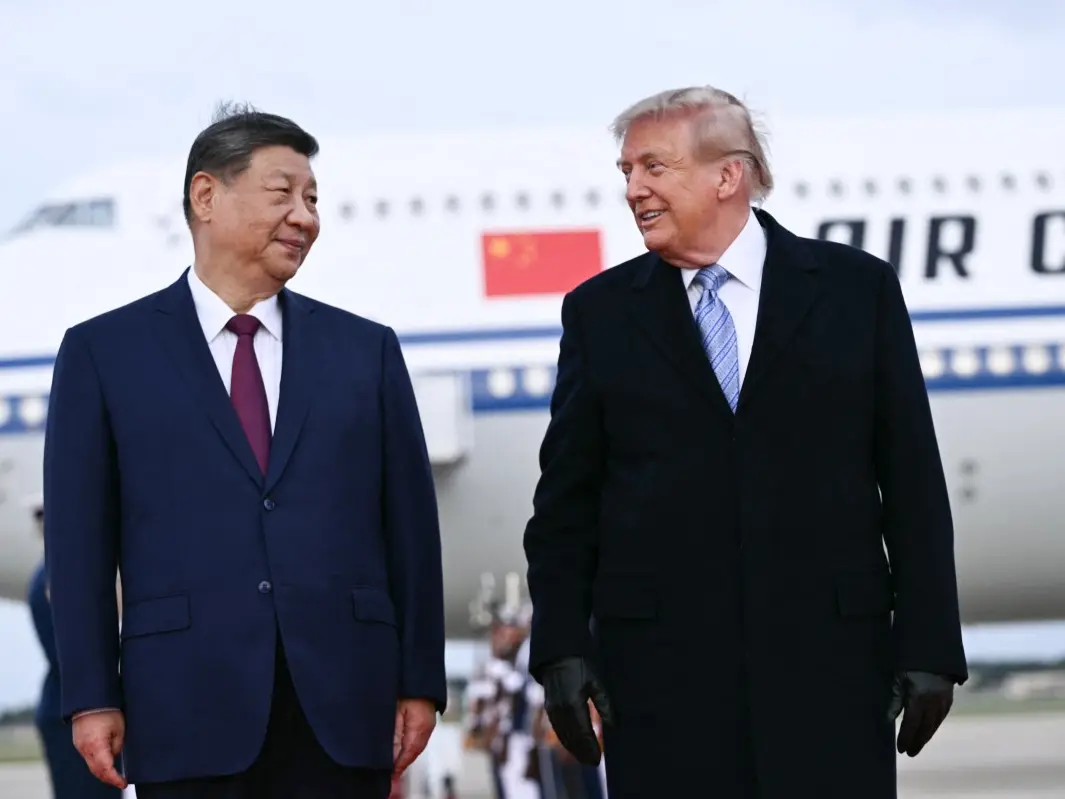
Trump welcomes Xi Jinping in rare airport gesture: Photos from Chinese President's arrival in US
)
Anne Hathaway to run in supporting race for Nolan's epic
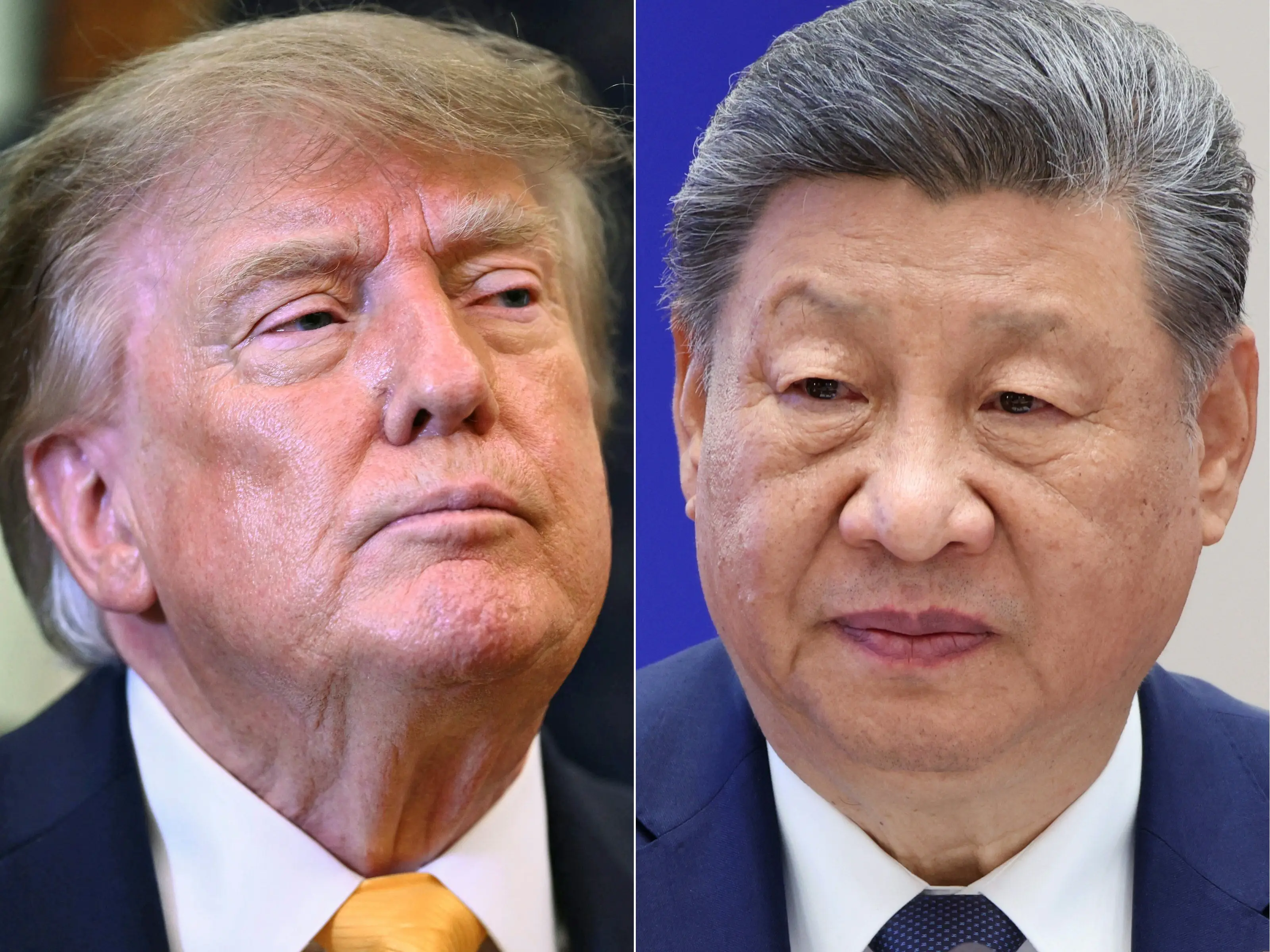)
Xi-Trump meeting: China’s human rights red line and past protests explained
Gourinchas cautioned against premature interest rate cuts, citing strong labour markets and the absence of a wage-price spiral despite robust employment and low unemployment rates in most advanced economies.
The IMF recommended that countries remain vigilant with their monetary policies until inflation shows sustained decline and urged them to rebuild fiscal buffers to address future challenges or shocks.
In terms of growth, the IMF raised its growth forecast for the United States, citing strong business investment and consumption, making it the only major economy surpassing pre-pandemic projections. In contrast, China's GDP growth is expected to slow to 5.0 per cent in 2023 and 4.2 per cent in 2024, primarily due to a real estate crisis and weak external demand.
The IMF also downgraded its growth estimates for the euro area to 0.7 per cent in 2023 and 1.2 per cent in 2024, while the UK saw its growth forecast revised upward for 2023 but lowered for 2024. Japan is expected to experience growth of 2.0 per cent in 2023, mainly driven by pent-up demand, tourism, monetary policy, and auto exports, with a stable outlook for 2024.
(Inputs from Reuters)
WATCH WION LIVE HERE