G20 Summit: Biden woos developing nations to counter China

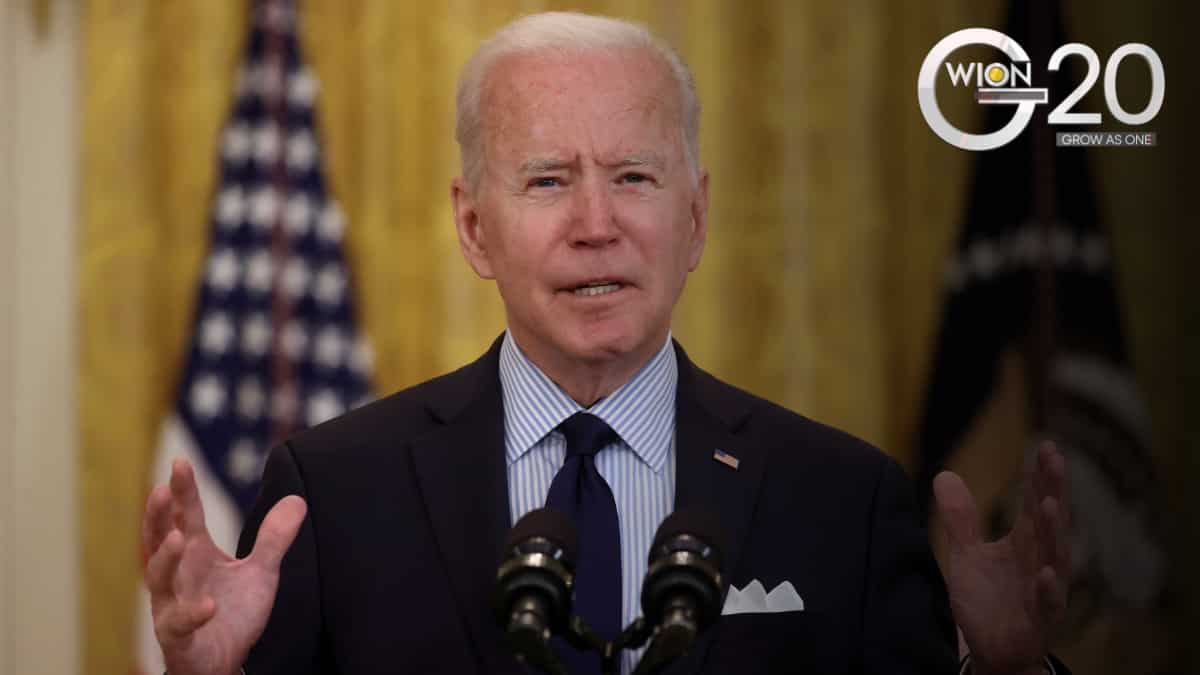
Joe Biden
As U.S. President Joe Biden brings an offer to the “Global South” to this weekend’s Group of 20 (G20) conference in India, he carries the message indicating that, no matter what happens to the Chinese economy, the United States can assist support development in China’s place.
Biden hopes to persuade fast-growing economies in Africa, Latin America, and Asia that there is an alternative to China’s Belt and Road project, which has funnelled billions of dollars to developing countries but left many of them deeply in debt. Biden will be armed with money for the World Bank and pledges of sustained US engagement.
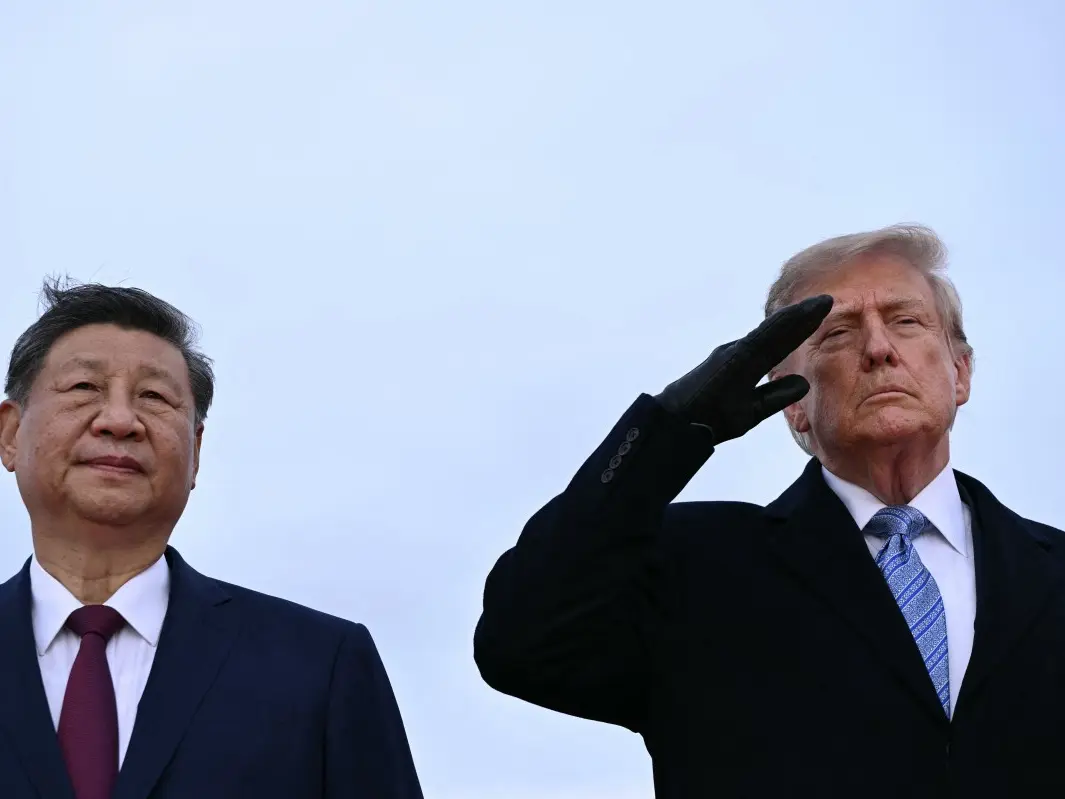
At least one thing will work in his favour: Chinese President Xi Jinping won’t be present at the summit.

Although Biden expressed his disappointment, the absence of Xi with China’s economy struggling, provides Washington with an opportunity to shift the agenda of a political club it has tried to control.
In order to free up hundreds of billions of dollars in additional funds for grants and loans, Biden’s plan for the World Bank reform and increased funding for the lender’s infrastructure and climate help in developing countries are at the centre of his proposal.
In addition to past efforts by the United States and its close allies to generate $600 billion by 2027 in public and private funding for the Partnership for Global Infrastructure and Investment, in an attempt to emerge as an alternative to the Belt and Road that does not include China, the White House is asking Congress for $3.3 billion.
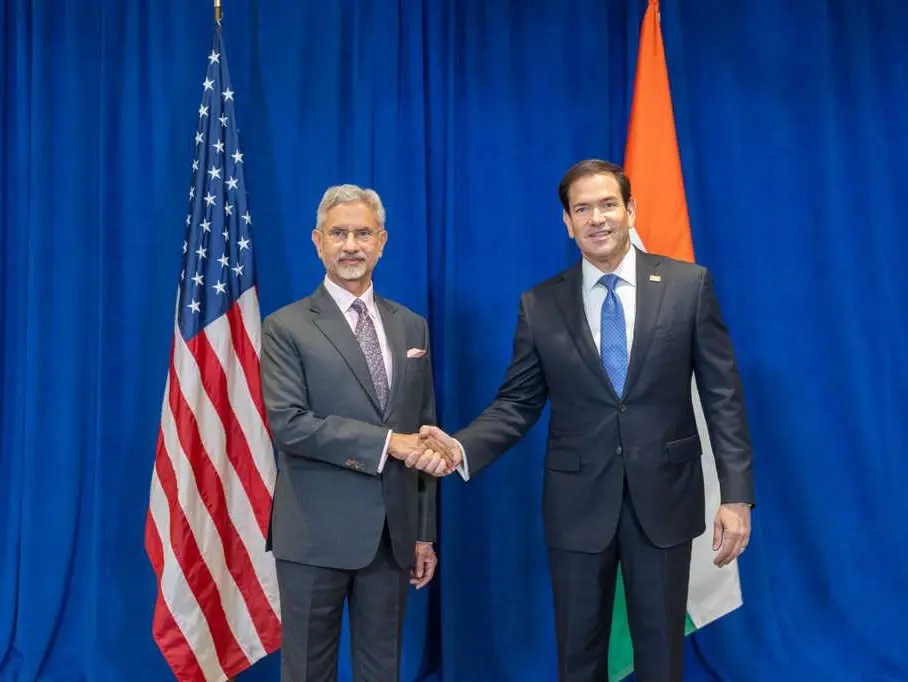)
US Secretary of state Marco Rubio to visit India on 19th October
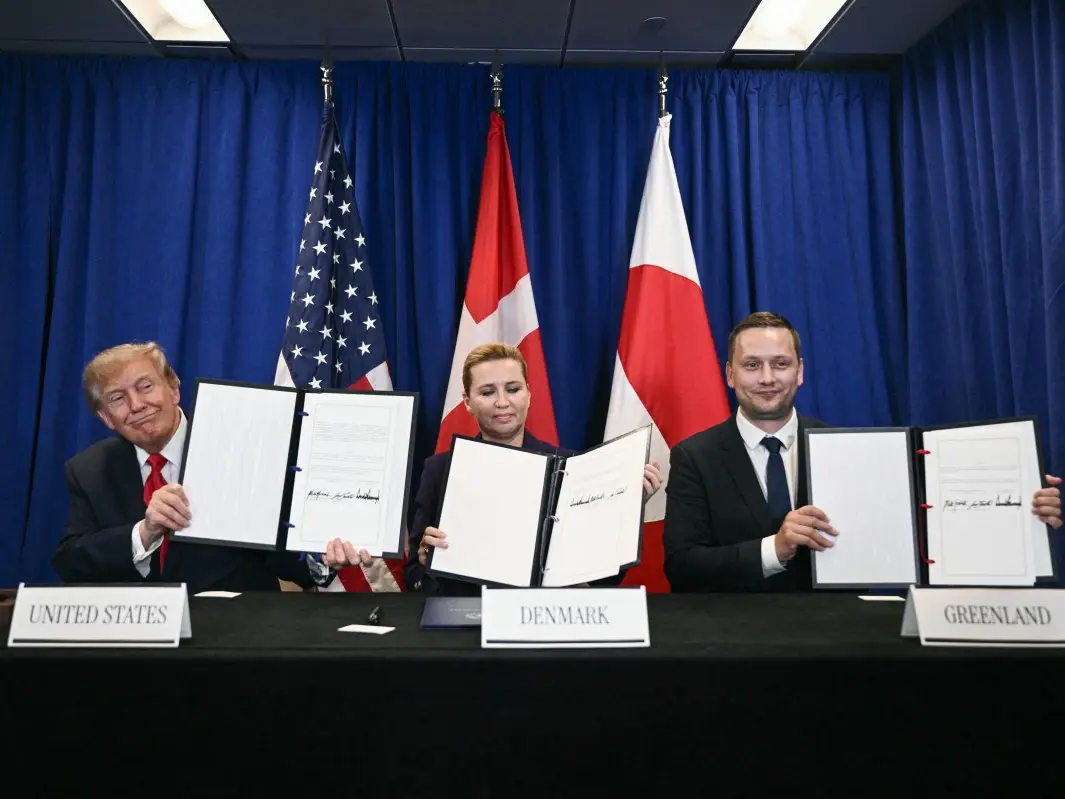)
Trump signs Greenland security deal with Denmark, paving way for two new US military bases
)
IND vs JPN T20I: How an overturned wide became point of difference between India's win and a tie
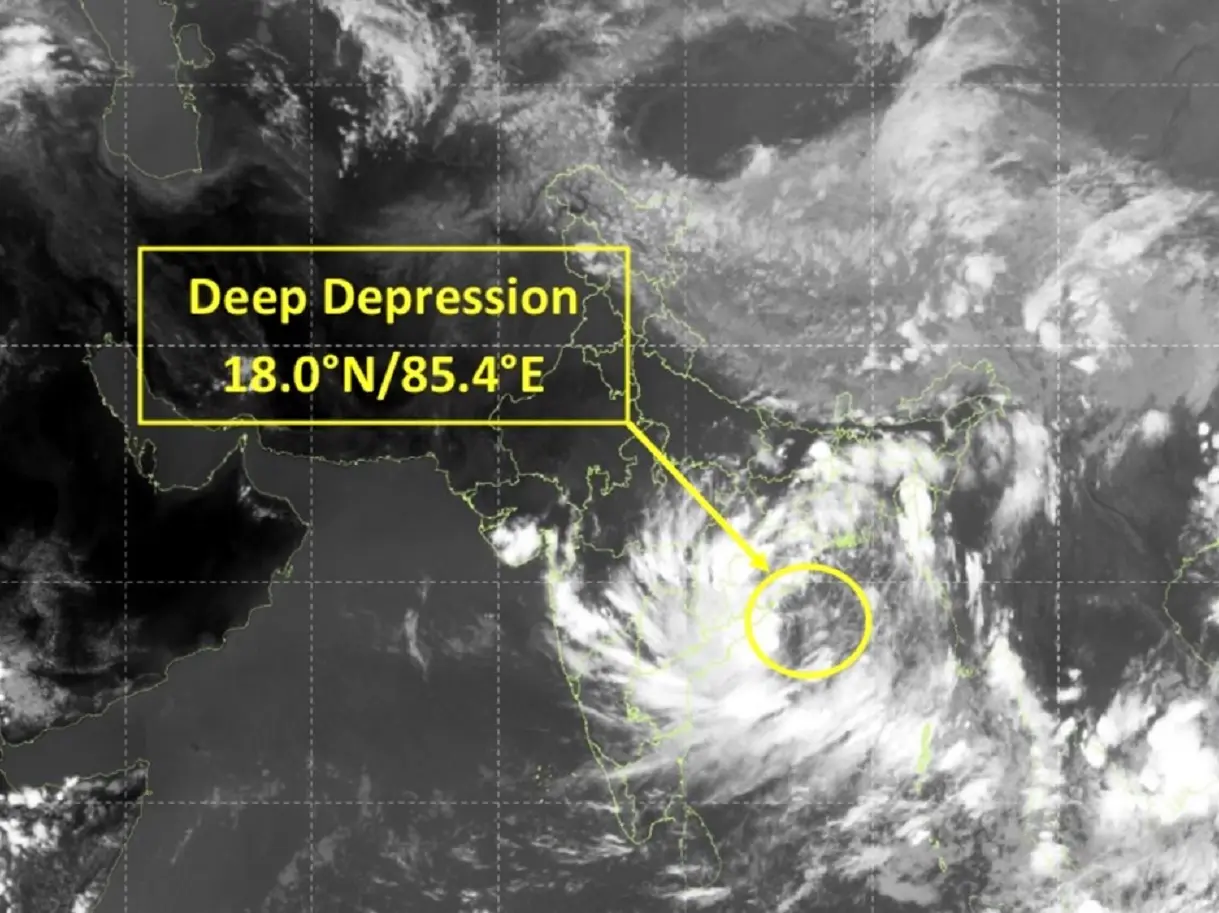)
Cyclone Arnab: Landfall expected before midnight tomorrow as IMD issues orange alerts across six states
)
TMC revives impeachment push against CEC Gyanesh Kumar after report of internal dissent
)
ICC plans T20I expansion and fewer ODIs in 2027–2031 FTP cycle: Report
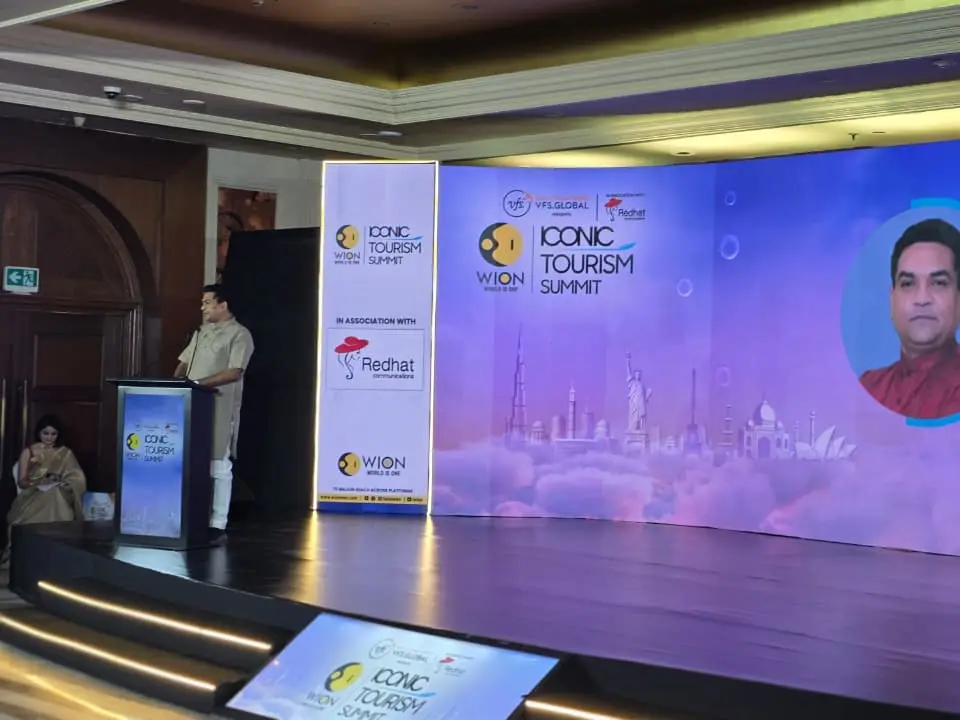)
WION Iconic Tourism Summit: Minister Kapil Mishra shares Delhi tourism future, invites industry to be partners
)
‘Iran will never bend at the knee’: Pezeshkian hits back at Trump at UNGA
)
WION Iconic Tourism Summit: South African envoy pushes for direct air connectivity with India
)
WION Iconic Tourism Summit: Seychelles envoy says India partnership is important for Seychelles
)
Scientists detect first radio signals directly from faraway planet
)
China to test supersonic jet that moves at Mach 2, double the speed of sound
)
Forget apps: Qualcomm CEO says AI agents will change how we use smartphones
)
Bomb scare in New York amid UNGA: Suspicious suitcase found near UN headquarters
)
Mamata demands CEC Gyanesh Kumar's arrest, calls for fresh Bengal polls with old voter list
)
WION Iconic Tourism Summit and Awards 2026: Key voices to discuss India’s tourism future
)
Trump-Xi state dinner 2026: Who is invited? Full guest list of tech CEOs, business leaders and officials
)
American manufacturing is reshoring faster than its factory floors can absorb
&im=FitAndFill=(700,400))
New OTT releases this week (September 21-27, 2026): Shaque: Trust No One, Hunkkaar, Don’t Be Shy- 5 new titles coming to Netflix, Prime Video and more
)
WATCH | China President Xi Jinping lands in US as Trump greets him ahead of high-stakes summit
)
Trump calls on nations to quit ‘rogue’ and ‘out-of-control’ International Criminal Court, rips UN
)
UP farmer kills wife, 2 priests during ‘spirit possession’ ritual, shoots 9yo son
)
'What kind of confession is this?': Pakistan PM Shehbaz Sharif’s 'terrorists would be roaming New York' remark goes viral, raises alarm online. Watch
)
Elephants hide behind trees, stage surprise attack on poachers targeting rhinos in South Africa
)
Pilot recreates Mona Lisa in sky over Oklahoma and Arkansas in four-hour flight: VIDEO
)
IIT Bombay professor Suryanarayana Doolla sent on leave amid Sahil Wakode death probe
)
'Putin is patient zero': Zelensky slams Russian president at UNGA, accuses him of using fighters from 47 countries
&im=FitAndFill=(700,400))
National Film Awards 2026: Kartik Aaryan, Mammootty, Yami Gautam, Randeep Hooda and other key winners
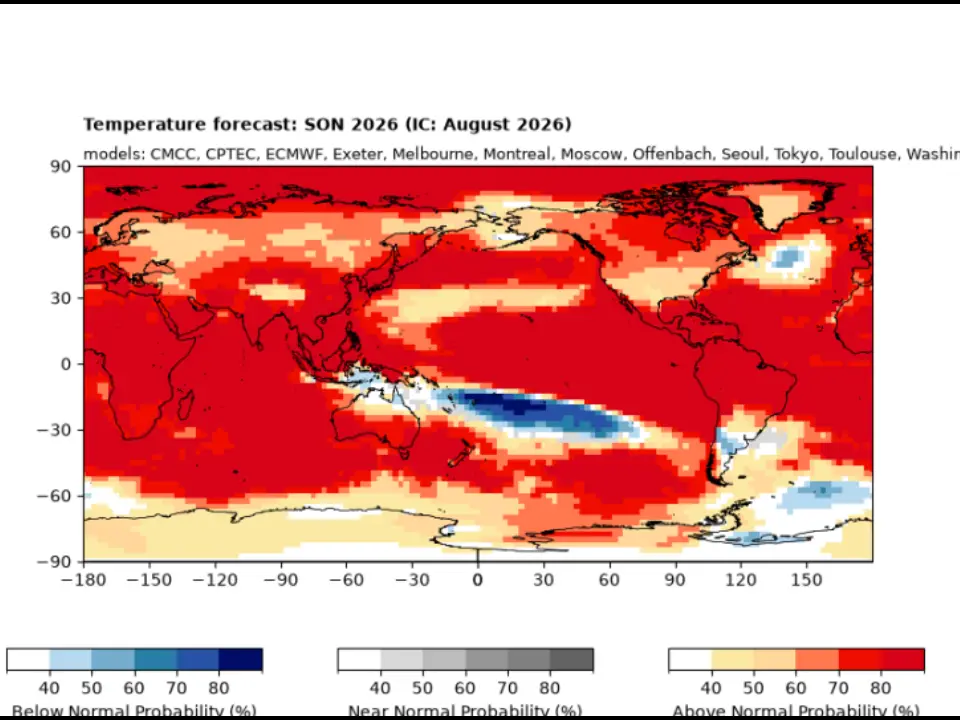)
El Niño 2026 heats up to become strongest in 1,000 years
)
Anne Hathaway to run in supporting race for Nolan's epic
)
Israeli envoy to US Yechiel Leiter’s son critically injured in West Bank ramming attack
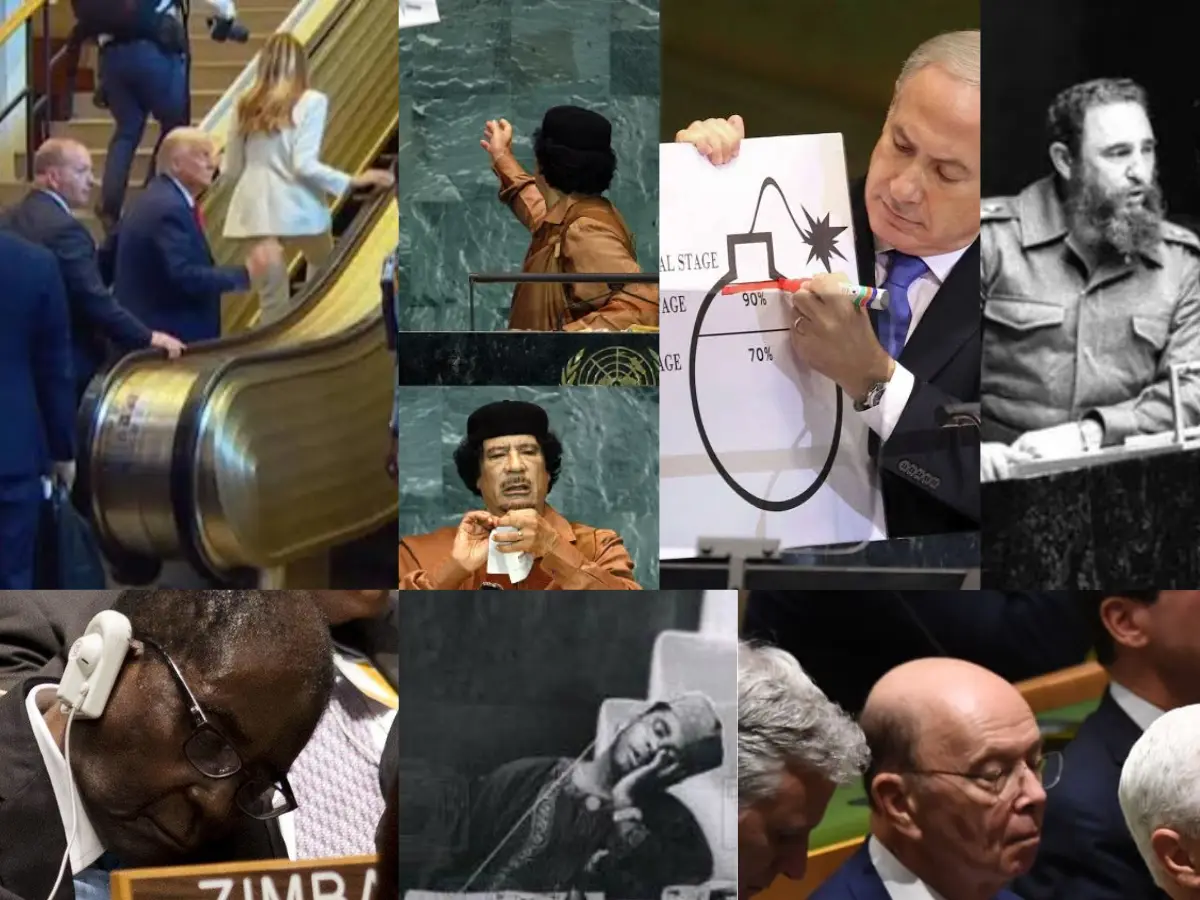)
From Gaddafi tearing up UN Charter to Trump’s ‘escalatorgate’: Most unforgettable UNGA moments
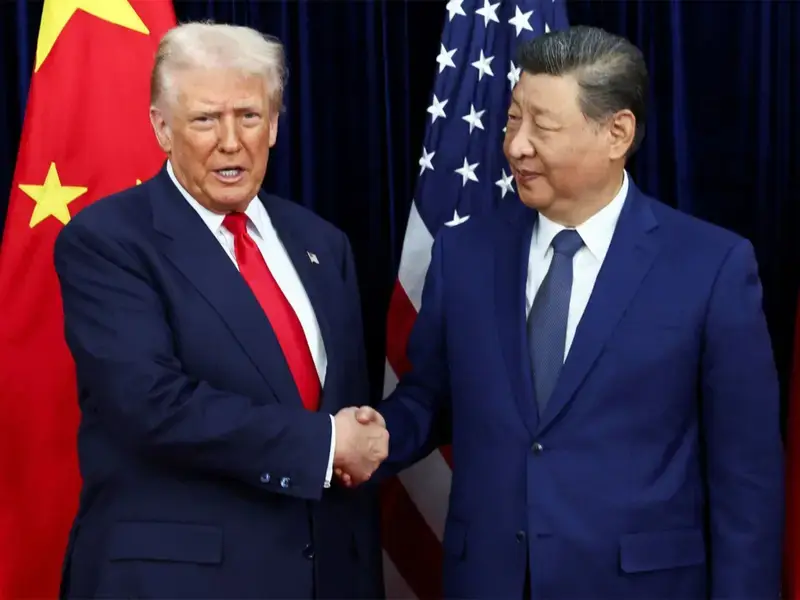)
'Taiwan and human rights are red lines': China warns US ahead of Xi-Trump visit
)
Googlebook is here: Google launches $899 AI laptops with Gemini, Android phone integration
Zack Cooper, a senior fellow focused on Asia at the American Enterprise Institute said, “Xi’s absence from the G20 does give the United States an opening, which could be compounded by the challenges that China's economic downturn will have for Belt and Road spending.”
“But the question ... is whether the United States will be able to step up,” he further added.
Rapid expansion and excessive debt
Chinese Premier Li Qiang will serve as China’s representative at the G20 summit, where global leaders are grappling with declining economic growth and the looming risk of a property debt crisis. Russian President Vladimir Putin has opted out of attending the event, instead delegating Foreign Minister Sergei Lavrov.
According to the IMF’s projections, regions such as the Middle East, Central Asia, developing nations in Asia, and sub-Saharan Africa are expected to achieve robust GDP growth ranging from 3.2 per cent to 5.0 per cent next year. This pace outpaces the modest 1 per cent growth forecast for the United States and the 3 per cent global average.
Nevertheless, these regions confront significant hurdles in realising their growth potential, notably as climate change strains outdated infrastructure, much of which dates back to the colonial era.
The combination of the ongoing COVID-19 pandemic, surging inflation, and rising U.S. interest rates has created mounting concerns regarding the sustainability of these countries’ debt loads. This has fuelled fears reminiscent of the Asian financial crisis that prompted the establishment of the G20 in 1999.
‘Taking sides’
Biden’s foreign policy is founded on the principles of confronting Russia’s actions in Ukraine, managing competition with China, and rejuvenating U.S. alliances that were overlooked by his predecessor, Trump, who is likely to be the Democratic candidate’s Republican rival in the 2024 presidential election.
While these endeavours have yielded positive results with traditional U.S. allies, they have garnered less support from developing nations, including Brazil, India, and South Africa. These countries have been striving to avoid being caught in the crossfire of Washington’s disputes with Beijing and Moscow while simultaneously seeking increased Western investment.
Khulu Mbatha, a former foreign policy advisor to South African President Cyril Ramaphosa, emphasised the need to maintain a neutral stance, stating, "We must have the ability to navigate without aligning with either side, much like our approach to the Ukraine conflict."
On the other hand, Xi is also exploring new avenues to engage with the developing world. He recently hosted a meeting of Central Asian leaders and discussed development initiatives in May. Additionally, at the BRICS summit in South Africa last month, he underscored the vitality of the Chinese economy.
The BRICS group, comprising Brazil, Russia, India, China, and South Africa, is a relatively new alliance compared to the G20. It operates independently of Washington and is planning to expand its membership to include Saudi Arabia, Iran, Ethiopia, Egypt, Argentina, and the United Arab Emirates.
Xi is also anticipated to attend an Asia-Pacific Economic Cooperation (APEC) summit in San Francisco in November, where he may have an opportunity to meet with Biden.
(With inputs from Reuters)
WATCH WION LIVE HERE