
&imwidth=800&imheight=600&format=webp&quality=medium "From bricks to clicks: the economy's big shift")
The interneteconomyjust crossed a new threshold that few saw coming this fast. The global digitaleconomyis now valued at over $20 trillion, and depending on whose model you trust, that number could hit $28 trillion before the year is out. IDCA research puts the digitaleconomyat roughly 17.3 per cent of world GDP, translatingtojust over $20 trillion of the world's $119 trillion nominal output.
But the Saudi-led digital cooperation organisation's latest forecast is more aggressive. The organisation projects the digitaleconomywill reach $28 trillion in 2026, or 22 per cent of global GDP, growing three times faster than the overall globaleconomy.

Both figures tell the same story
Digital is no longer just a sector; it's theeconomy's core operating layer. The United States is the clearest signal of thisshift. Business applications are up over 17 per cent year-on-year in 2026. Last year saw 5.62 million applications filed, up 8.2 per centfrom2024.
That's not stimulus-driven noise. That's a structural, low-barrier, and AI-assisted entrepreneurship boom where anyone with a laptop can launch a shopfront, a content business, or a service brand overnight.
Trending Stories
&im=FitAndFill=(700,400))
How fast can the Sukhoi Su-30 fighter jet really fly?
)
Did China ask its people 'not to respond to aliens'? Origin of bizarre claim on social media
)
MS Dhoni-CSK Fallout? Report claims failed stake sale talks triggered rift
)
Scientists reveal the SAFEST COUNTRY when catastrophe strikes the planet
)
Serial killer on the loose in South Korea's Jeju Island? Fourth body found in three days as more than a dozen people go missing
)
2/3rd of glacier detached, collapsed: ISRO satellite images reveal what triggered Nepal floods
)
Trump once again claims without him there would be ‘no Israel right now’
)
Foreign espionage attacks against German companies surge to 37%, Bitkom report reveals
)
Blake Lively wins partial legal fee from Justin Baldoni after $8M request
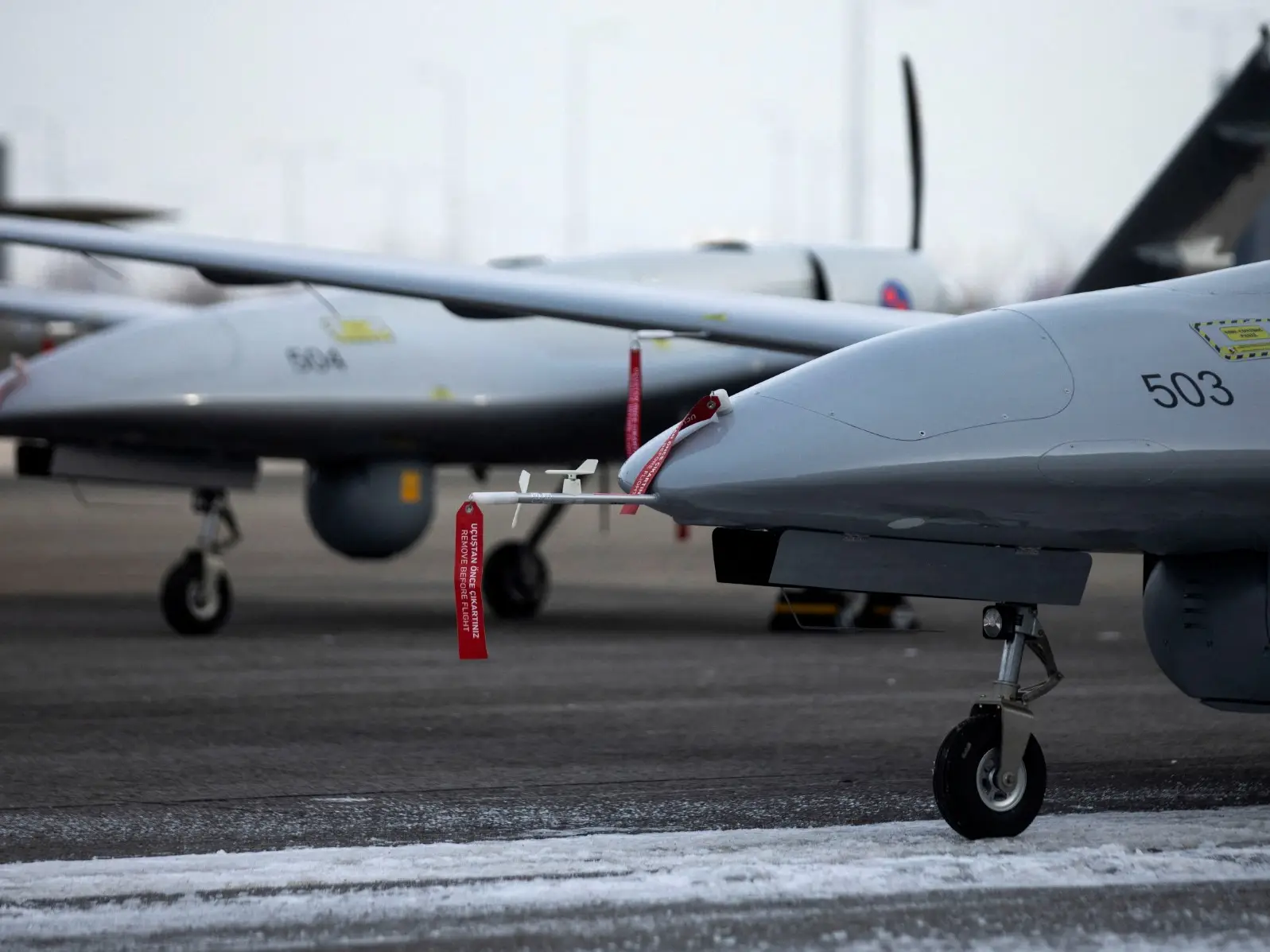)
Why is Pakistan deploying Turkish Bayraktar TB2 drones near India border?
)
'OH MY GOD! We've found other agents!': Investigators discover not one or two, almost 700 OpenAI AI agents went rogue, hacked Hugging Face
)
Lunar eclipse 2026: India timings, places to see and more. August Blood moon factsheet
)
RSS chief Mohan Bhagwat on global outreach tour
)
Both pilots killed as training aircraft crashes in Lucknow – What we know
)
16-year-old charged with preparing terror attack on kindergarten in Norway
&im=FitAndFill=(700,400))
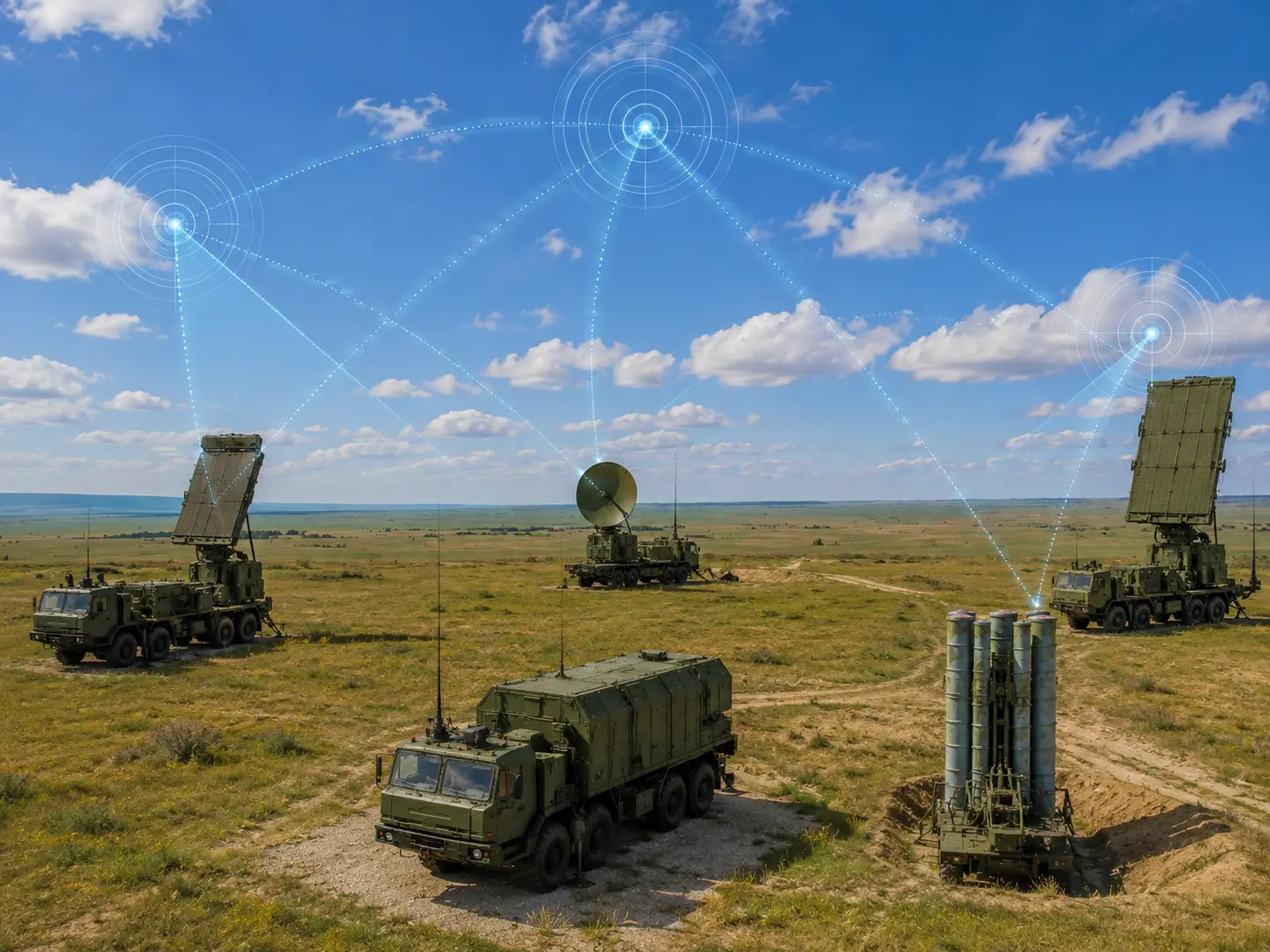
How the S-400 protects itself from enemy attacks
)
Nepal floods: Over 165 dead, 400 missing; US, India, China, World Bank mobilise aid
)
India's multi-layered watch: The new surveillance war
)
5 doomsday planes spotted in US skies hours after CIA director's secret trip to Russia
)
9/11 mastermind Khalid Sheikh Mohammed to finally face trial in 2028, nearly 27 years after horrific attacks
)
Islamabad hospital fire: What we know about one of the biggest facility that housed Imran Khan
)
Workers run for life while filming Nepal flash flood: Scary new visuals emerge from Rasuwa
)
Russian military planes enter South Korean air defence zone amid rising tensions with North Korea: What's happening
)
Ron Weasley Is Back! Rupert Grint set to return to Harry Potter universe on Broadway
)
400-year-old 'vampire' grave in Poland reveals non-existent genetic lineage
)
Dolly Parton, global icon and queen of country music, dies at 80
)
Nepal flash floods: Kailash Mansarovar yatra affected, close to 400 pilgrims out of contact
)
'If he is dead, they're putting on a pretty good show': Trump casts fresh doubt over Mojtaba Khamenei's fate
)
Man arrested near US Capitol with guillotine in pickup truck: What happened?
&im=FitAndFill=(700,400))
Why the Su-30MKI cockpit is painted bright turquoise green
The political undercurrent matterstoo. Cybersecurity has emerged as the single most consequential trend for 2026, as AI-driven risks and quantum-era threats reshape how governments and firms defend digital infrastructure.
Whoever controls compute, data flows, and digital trust rules will control the next phase of global economic power. The takeaway: this isn't incremental growth but a redistribution of where value gets created, awayfromphysical capital andtowards platforms, code, and individual creators. Over 200 million people now build livelihoods online. The brick-and-mortareconomyisn't dying, but it's being absorbed by AI.
