Exploring the trend: Blue-collar workers seek physical, psychological well-being in addition to fair pay

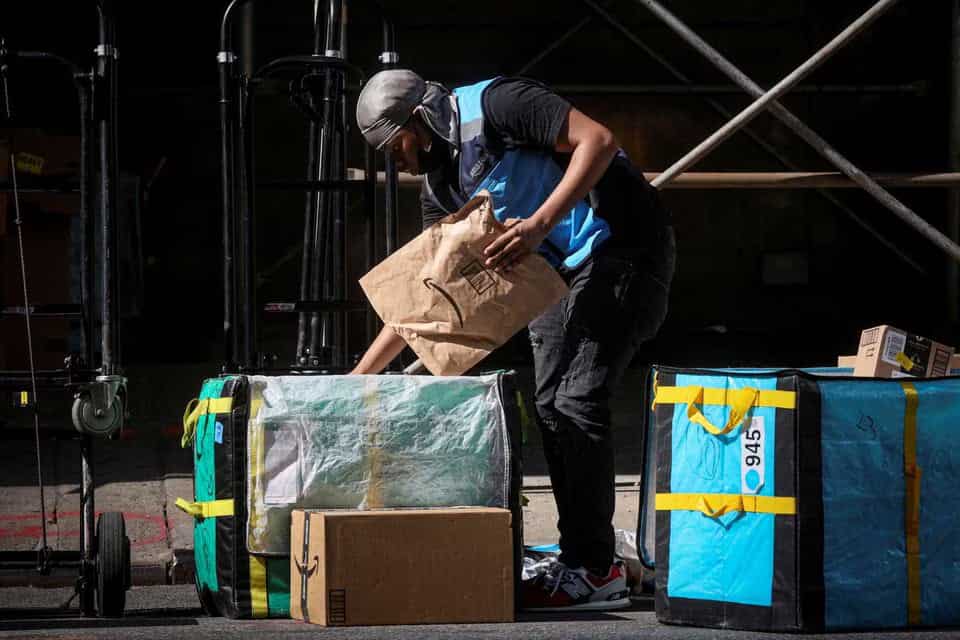
An Amazon delivery worker sorts packages out for delivery
According to a research by global hiring platform, Indeed, blue-collar workers are looking for jobs that could potentially offer them physical safety and psychological well-being in addition to fair pay.
Although fair compensation is a major concern and priority for blue-collar job seekers, the survey conducted by Indeed indicated that 82 per cent of blue-collar job searchers are looking for positions that will allow them to earn enough money to live comfortably rather than earn just enough to cover their basic needs.
The report indicated that at present, just 18 per cent of the workforces are able to make such earnings. At present, up to 56 per cent of blue-collar workers earn just enough to cover their bare necessities. Furthermore, 39 per cent of Gen Z blue-collar workers make incomes that fall short of covering their essential expenses.

Commenting on the need for fair pay among blue-collar workers and the current shift in pay-structures, Nirupama VG, the founder and managing director at the recruitment solutions firm, AdAstra said, “companies, especially in sectors such as e-commerce and logistics, are leaning towards performance-linked pay structures, offering to join perks and larger incentives linked to individual and team performances. This not only manages the fixed costs for organisations but also incentivises a meritocratic culture, potentially fostering a win-win scenario for both employers and employees.”
According to the report, a sizeable 73 per cent of job seekers give workplace safety top priority as it helps with preventing accidents and injuries.
Additionally, professions that reduce physical and mental stress at work are sought after by 49 per cent of respondents. Blue-collar workers may experience physical stress as a result of the manual labour, which can cause ache, fatigue, and other physical health problems.
&imwidth=180&imheight=135&format=webp&quality=medium)
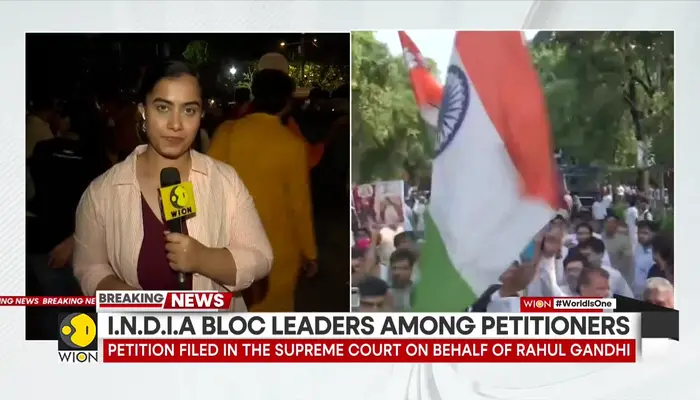
Rahul Gandhi's plea against Election Commission delayed as Supreme Court registry flags 14 ‘defects’
&im=FitAndFill=(700,400)&imwidth=180&imheight=135&format=webp&quality=medium)
Navratri 2026: 9 days, 9 forms of Goddess Durga and 9 colours- Check the complete list
&imwidth=180&imheight=135&format=webp&quality=medium)
Korean peninsula tensions escalate as North Korea launches multiple ballistic missiles, PACOM says 'no threat to US personnel'
&imwidth=180&imheight=135&format=webp&quality=medium)
Trump weighs firing Kimberly Guilfoyle as US ambassador to Greece amid misconduct allegations: Report
&imwidth=180&imheight=135&format=webp&quality=medium)
Anti-SIR protest in Mumbai: Protestors wear black masks & ribbons in Mumbai
&imwidth=180&imheight=135&format=webp&quality=medium)
UK PM Andy Birnham renews claims of Russian meddling in Brexit vote
&imwidth=180&imheight=135&format=webp&quality=medium)
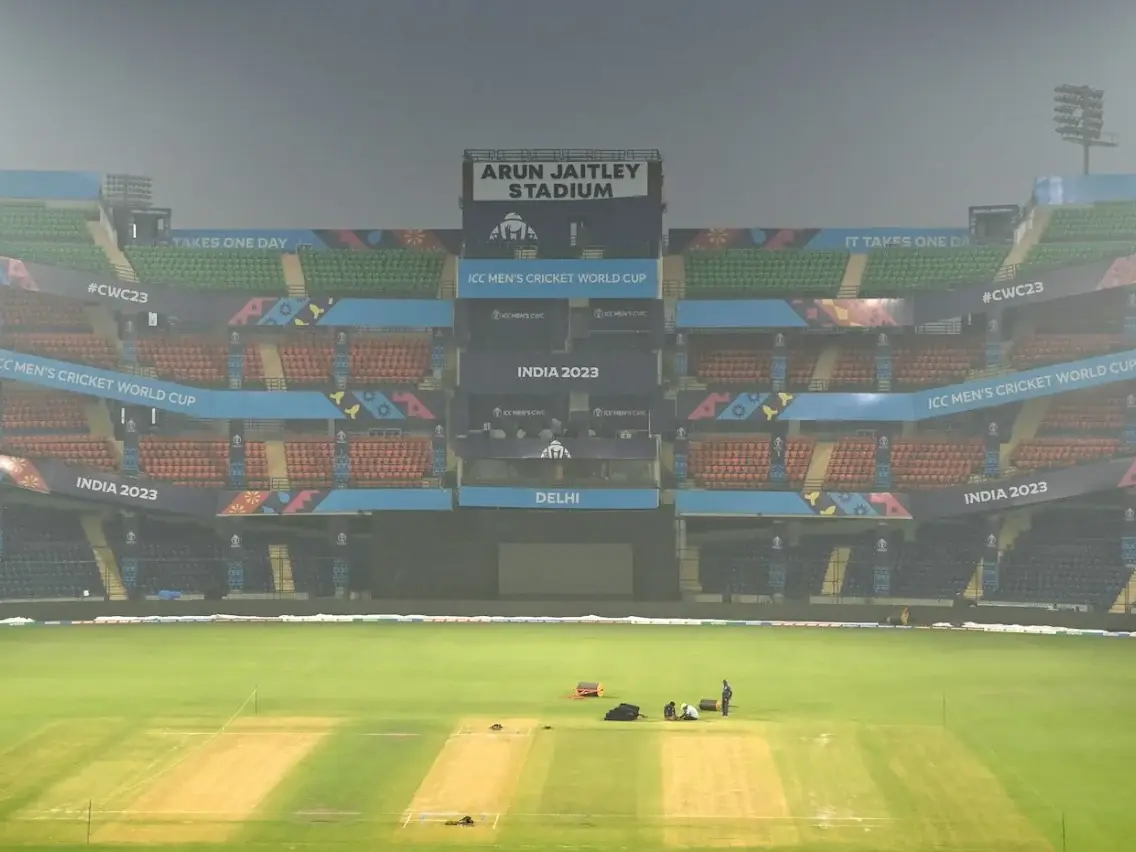
BCCI rejects venue shift reports, India vs Sri Lanka 1st ODI to remain in Delhi
&imwidth=180&imheight=135&format=webp&quality=medium)
'Absolutely disgusting': Australia slams US plan to livestream Nidal Hasan's execution; Mike Johnson raises concerns, warns of terrorist propaganda
&imwidth=180&imheight=135&format=webp&quality=medium)
1,500 drones illuminate Mumbai sky as Cordelia Cruises unveils second ship, Cordelia Sky
&imwidth=180&imheight=135&format=webp&quality=medium)
Houthis warns US of 'painful response' if Washington joins Saudi war in Yemen as airlines suspend flights to Saudi Arabia
&imwidth=180&imheight=135&format=webp&quality=medium)
Congress demands action against chief election commissioner
&imwidth=180&imheight=135&format=webp&quality=medium)
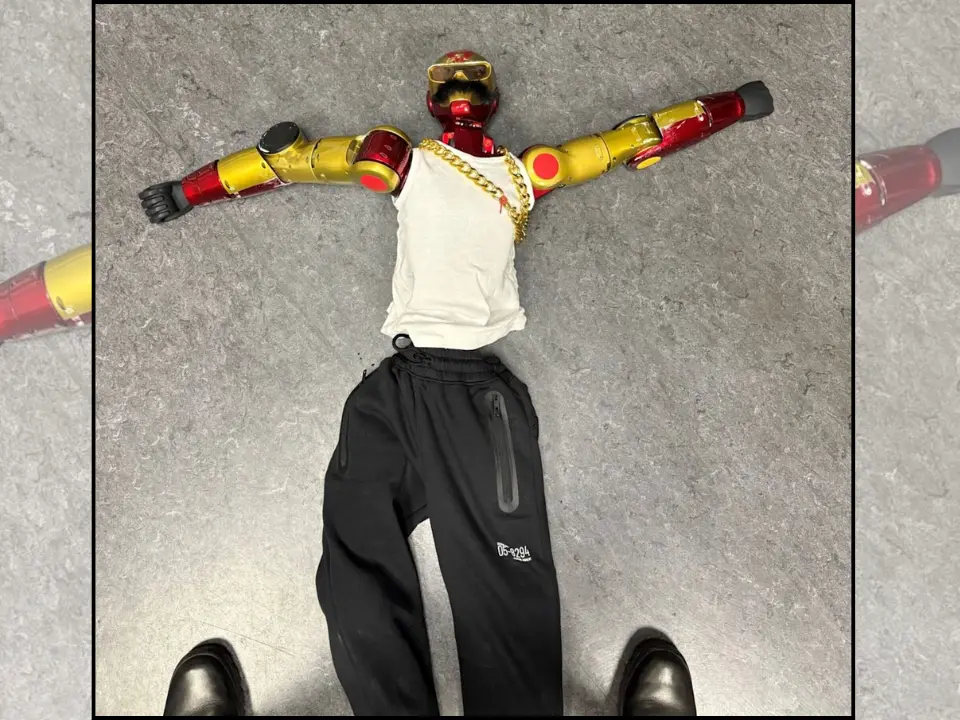
Robot gropes girl, makes thrusting movements in bizarre crime in Germany
&imwidth=180&imheight=135&format=webp&quality=medium)
'Turn approver, resign, we'll forgive you': Rahul Gandhi claims receiving messages from CEC Gyanesh Kumar
&imwidth=180&imheight=135&format=webp&quality=medium)
'I will not be silenced': Ilhan Omar alleges political intimidation after federal officers search her Washington home
&imwidth=180&imheight=135&format=webp&quality=medium)
Pakistan's government blames PTI for rise of terrorism in Khyber Pakhtunkhwa
&imwidth=180&imheight=135&format=webp&quality=medium)
‘This is just the start’: Maaya Rajeshwaran on historic ITF title, confidence boost and future goals
&imwidth=180&imheight=135&format=webp&quality=medium)
I.N.D.I.A. Bloc lists 10 requests to Supreme Court
&im=FitAndFill=(700,400)&imwidth=180&imheight=135&format=webp&quality=medium)
IMF World Economic Outlook: 10 economies to watch for growth in FY27 and FY28 - Where does India stand?
&im=FitAndFill=(700,400)&imwidth=180&imheight=135&format=webp&quality=medium)
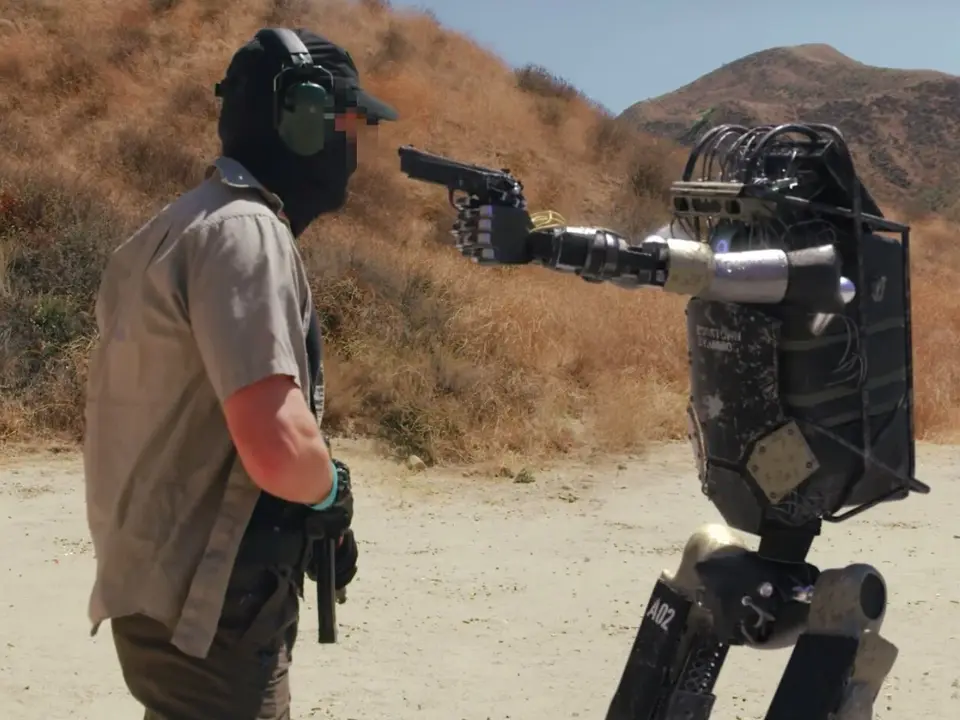
How does a robot decide what to do next?
&imwidth=180&imheight=135&format=webp&quality=medium)
Is the AI chip boom already over? Global semiconductor stocks slide as investors question unbridled spending
&imwidth=180&imheight=135&format=webp&quality=medium)
L Murugan resigns as Union Minister, expresses wish to return to grassroots
&imwidth=180&imheight=135&format=webp&quality=medium)
Trump says he 'may' meet North Korean leader Kim Jong Un during upcoming Asia trip
&imwidth=180&imheight=135&format=webp&quality=medium)
'Ouch!!! That must hurt': Kangana Ranaut hails Kamal Haasan's sharp reply to Elon Musk over Starlink row
&imwidth=180&imheight=135&format=webp&quality=medium)
Sidhu Moose Wala’s younger brother wins hearts by recreating late singer’s signature move at Toronto Hologram Show
&imwidth=180&imheight=135&format=webp&quality=medium)
Girl 'dead' for 8 hours wakes up at her own funeral, dad insists she wasn't breathing
&imwidth=180&imheight=135&format=webp&quality=medium)
UK school ditches technology, shifts from screen to pen and paper for learning
&imwidth=180&imheight=135&format=webp&quality=medium)
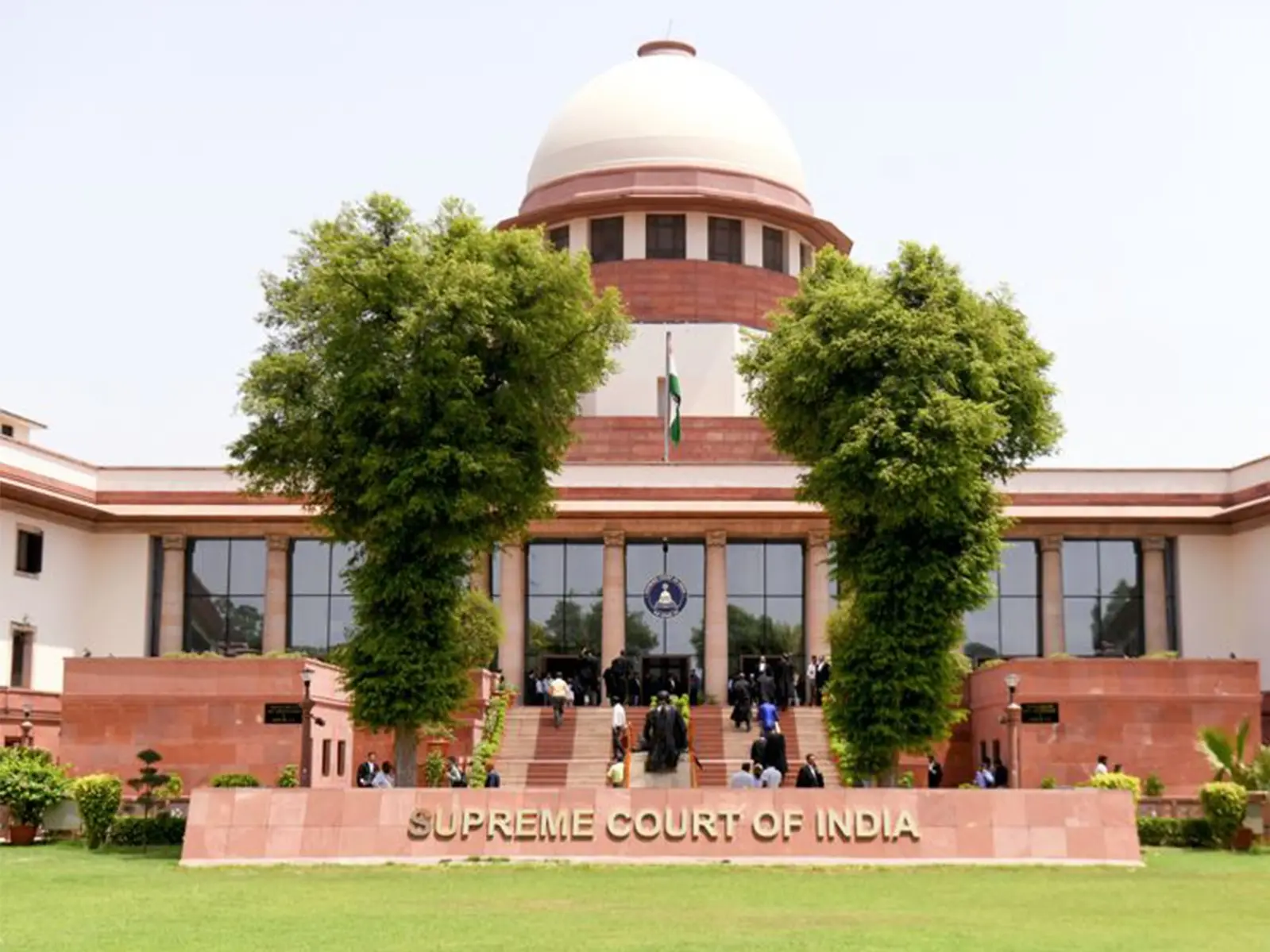
Opposition’s 10 demands in Supreme Court petition range from stay on SIR to audit of voter rolls
&imwidth=180&imheight=135&format=webp&quality=medium)
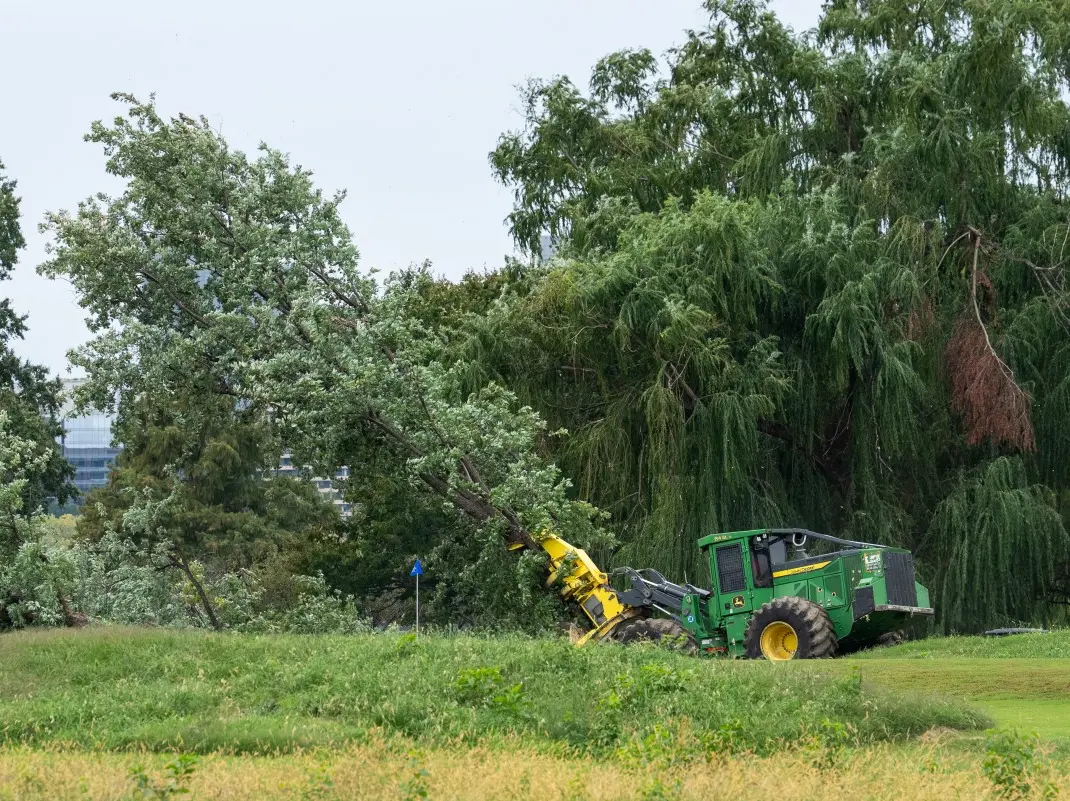
'I am thoroughly unamused': Judge slams Trump administration after 400 trees cut at Washington golf course
&im=FitAndFill=(700,400)&imwidth=180&imheight=135&format=webp&quality=medium)
New OTT releases this week (October 12-18, 2026): Sacrifice, Koffee with Karan S9, Roadies Rebirth- 6 titles coming on Netflix, JioHotstar and more
&imwidth=180&imheight=135&format=webp&quality=medium)
China’s gold rush puts billion in focus
&imwidth=180&imheight=135&format=webp&quality=medium)
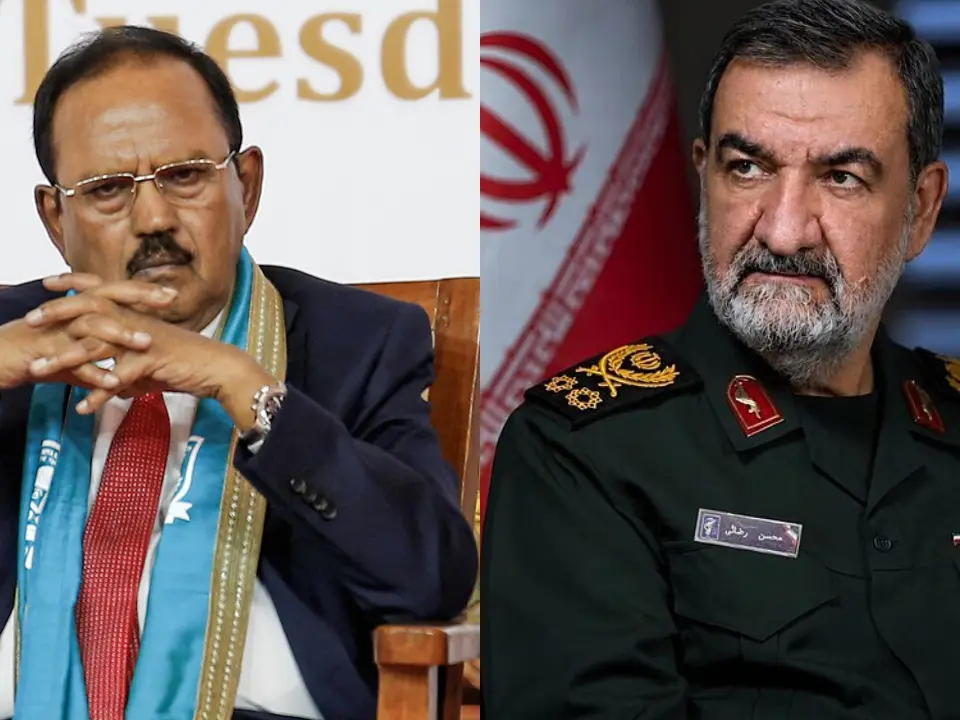
India's Ajit Doval, Iran's Mohsen Rezaei hold talks amid escalating West Asia tensions, discuss 'issues of mutual interest'
&imwidth=180&imheight=135&format=webp&quality=medium)
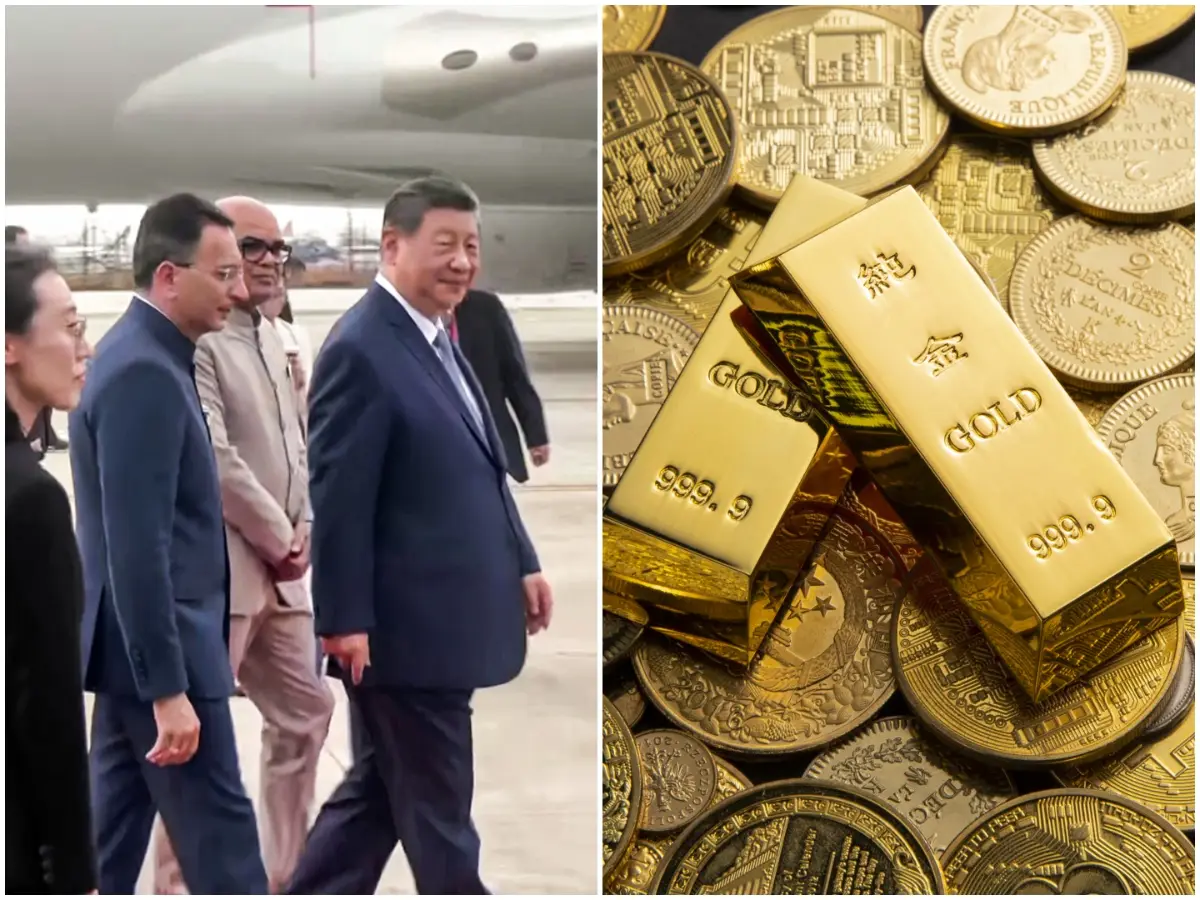
New Cold War: Why is China buying more gold? Explained
&imwidth=180&imheight=135&format=webp&quality=medium)
Anupam Kher joins Ranbir Kapoor's Ramayana as Jatayu, new poster unveiled
&imwidth=180&imheight=135&format=webp&quality=medium)
'Almost certainly': UK Prime Minister Andy Burnham says Iran's IRGC behind RAF Fairford threat
&imwidth=180&imheight=135&format=webp&quality=medium)
Elon Musk pumps $276 million into Republican campaigns ahead of US midterm elections
A company that tackles these issues and fosters a supportive, positive environment is crucial for overall wellbeing and job satisfaction, especially in light of the potential psychological stress that comes with high-pressure work conditions.
Taking the example of Covid19, Nirupama said that presently for blue-collar workers, companies are now launching tailored health programmes that include special insurance coverage and initiatives to increase public awareness of physical and mental health.
On the other hand, for Indian blue-collar workers looking for employment abroad, Aditi Banerjee, Co-Founder and CEO of the international recruitment firm, Magic Billion said, “through the initiative of the 'Emigration Clearance' facilitated by the offices of Protectors of Emigrants (POE), we ensure that our citizens are not exploited in foreign lands. This process verifies the employment contract, and the authenticity of the foreign employer, integrating necessary insurance coverage, thus acting as a protective layer safeguarding the rights and well-being of emigrants.”
Since Blue-collar occupations are informal in nature, they do not provide the same level of job security as formal jobs, job security is a top priority for 71 per cent of job-seekers. Wages in the informal sector are often low and workers are not provided with benefits like health insurance or retirement plans. Due to economic downturns or changes in the business, they are also more susceptible to layoffs or job losses. In times of economic uncertainty, job security guarantees that employees will still be paid.
Banerjee claims that there is currently an evident change in the blue-collar job sector, partially influenced by international trends and technological improvements. The skills that blue-collar population possesses are highlighted by these trends, enabling them to participate in an international work. In order to improve these blue-collar workers’ integration, employers in the UK and Germany also wish to up-skill candidates.
WATCH WION LIVE HERE