Energy trading houses grapple with cash surplus ahead of London meet

A sign is pictured in front of the Vitol Group
As the world's leading energy trading houses gear up for their annual industry gathering in London this week, they confront a significant challenge: what to do with their huge cash reserves.
Despite maintaining a veil of secrecy around their financial positions, sources indicate that major players such as Vitol, Trafigura, Mercuria, and Gunvor collectively possess billions of dollars in surplus, even after disbursing record dividends.
An unnamed executive from one of these top trading houses revealed to Reuters, "We borrow much less from banks and are waiting for good investment opportunities. But those are slim, especially in loss-making green energy."

This sentiment puts a spotlight on a growing trend among trading houses to seek out profitable ventures among a landscape denoted by sluggish growth in renewable energy sectors like wind, solar, and hydrogen.
Reports suggest that Vitol, the world's largest trader, has boosted its total equity to a staggering $26 billion, with projections hinting at a potential rise to nearly $30 billion based on its 2023 performance.
Similarly, Mercuria and Gunvor have each amassed around $6 billion in equity and retained earnings in recent years, according to insider sources. However, all three companies declined to comment on these figures. Trafigura, on the other hand, disclosed a remarkable growth in its equity to $16.5 billion in its latest report.
)
The Early Spring is proof not everyone can talk about their real feelings, and it is perfectly OK
)
UN votes to ‘correct the map’ as India backs fairer world view
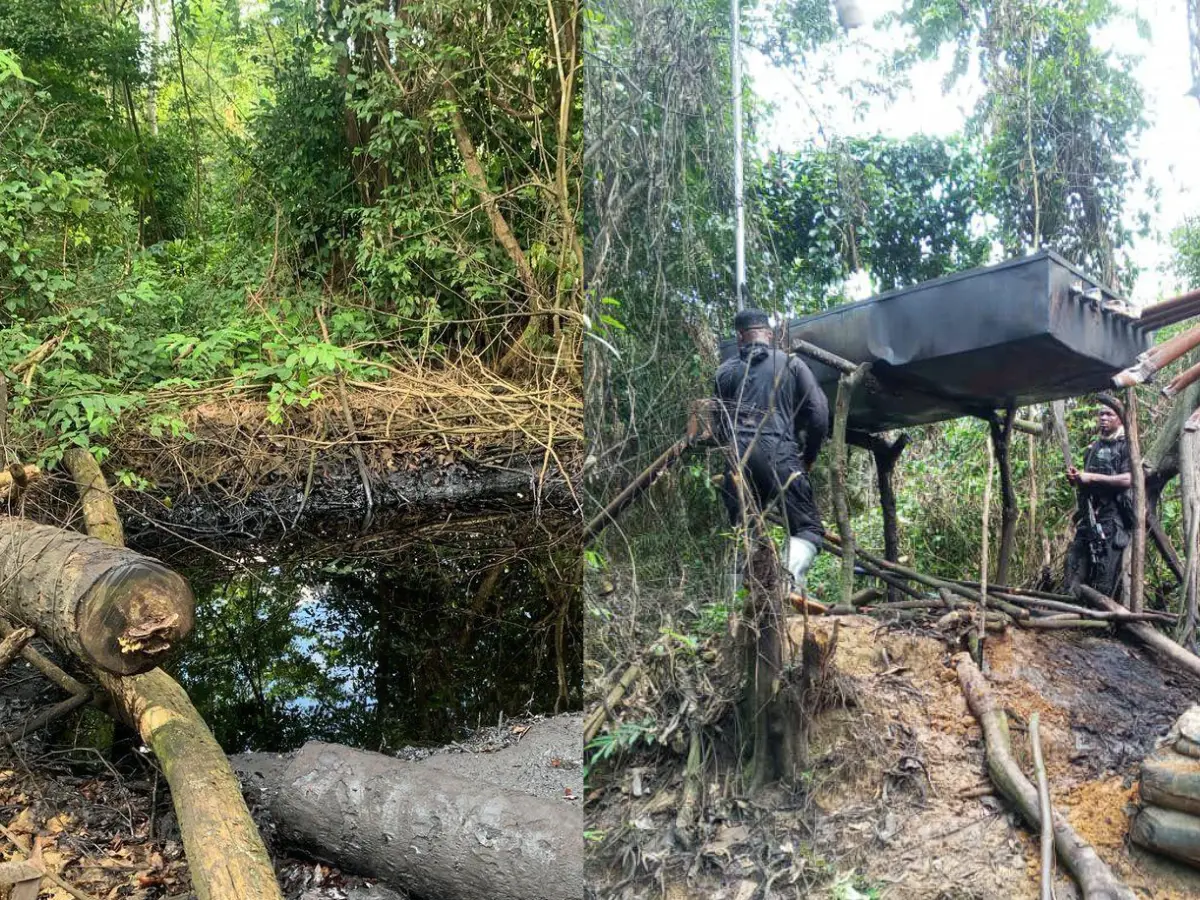)
Nigerian Navy discovers 99,000 litres of suspected stolen, illegally refined products as it intensifies anti-crude oil theft operations
)
Who is Aditi Paudel? 17-year-old becomes Japan's first literacy ambassador
)
Bengaluru: Officials find 40 kg expired chilli at chairman's club
)
Jaishankar rejects trade link to ending Ukraine war
)
Israeli strikes on Lebanon kill three, injure 23 despite truce
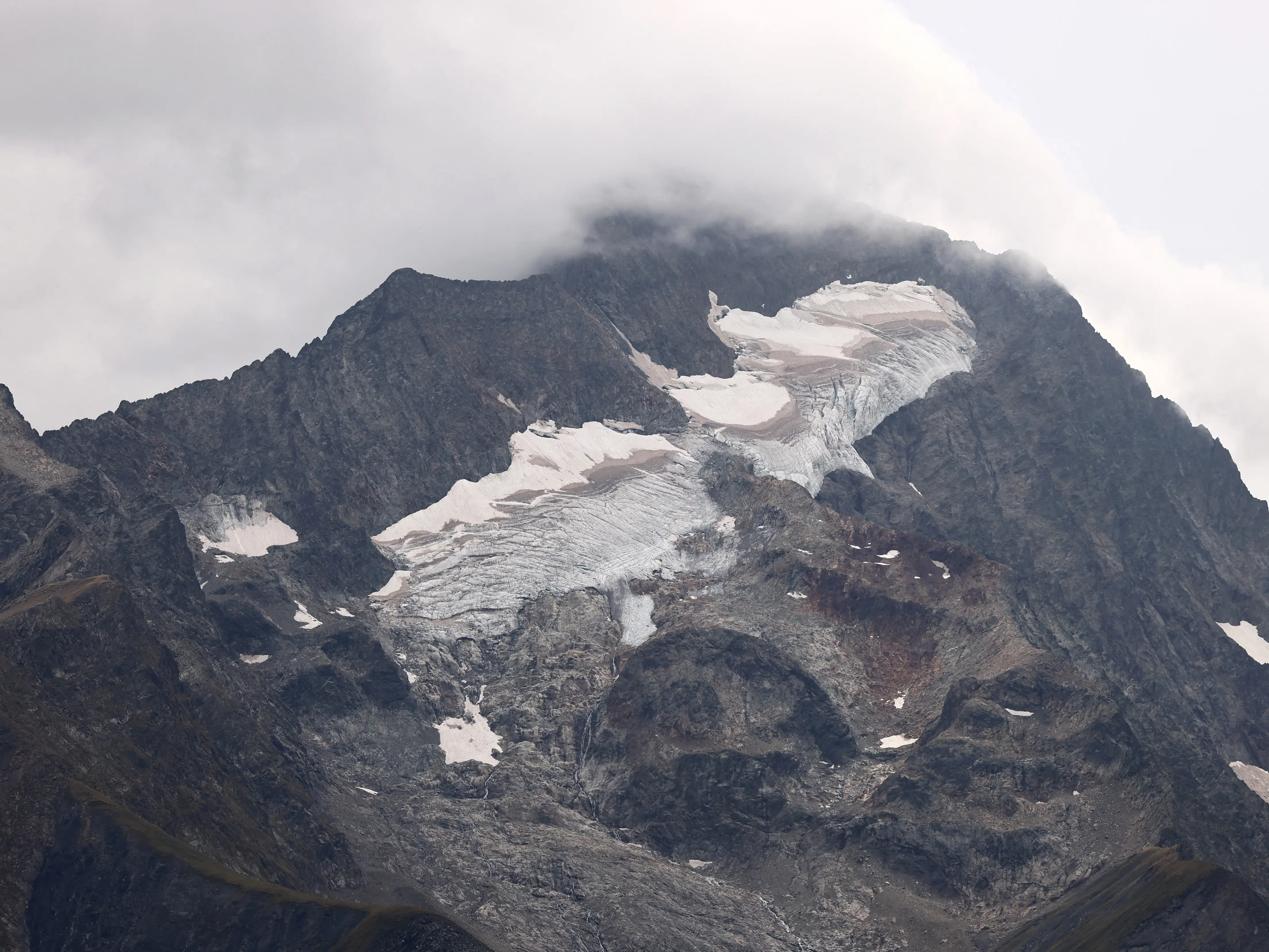)
Alpine glacier was covered with sheep wool sheets to prevent melting. It worked
)
South Korea mulls deploying military assets to Strait of Hormuz
)
World's fifth-largest economy, British army can't afford to train
)
Breaking | Vance takes the podium: First White House briefing since Leavitt's exit
)
Taiwan raises 'concerns' over China's missile test
)
BRICS 2026: $1 trillion sovereign capital set to converge in Delhi for first iBRICS Summit
)
What is Iran's Pickaxe Mountain that Trump has again threatened to bomb?
)
UN votes to correct world map that visually shrank Africa for 450 years
)
Former NewJeans member Danielle launches YouTube channel, hints at new solo journey
)
Bangladesh batter Towhid Hridoy creates history with 350 not out in South Africa
)
Brendan Fraser’s transformation fuels The Mummy 4 excitement as fans welcome back Rick O’Connell
&im=FitAndFill=(700,400))
Krishna Janmashtami 2026: From Dhaniya Panjiri to Makhana Kheer- 5 best sweet dishes perfect for celebrating Lord Krishna’s birth
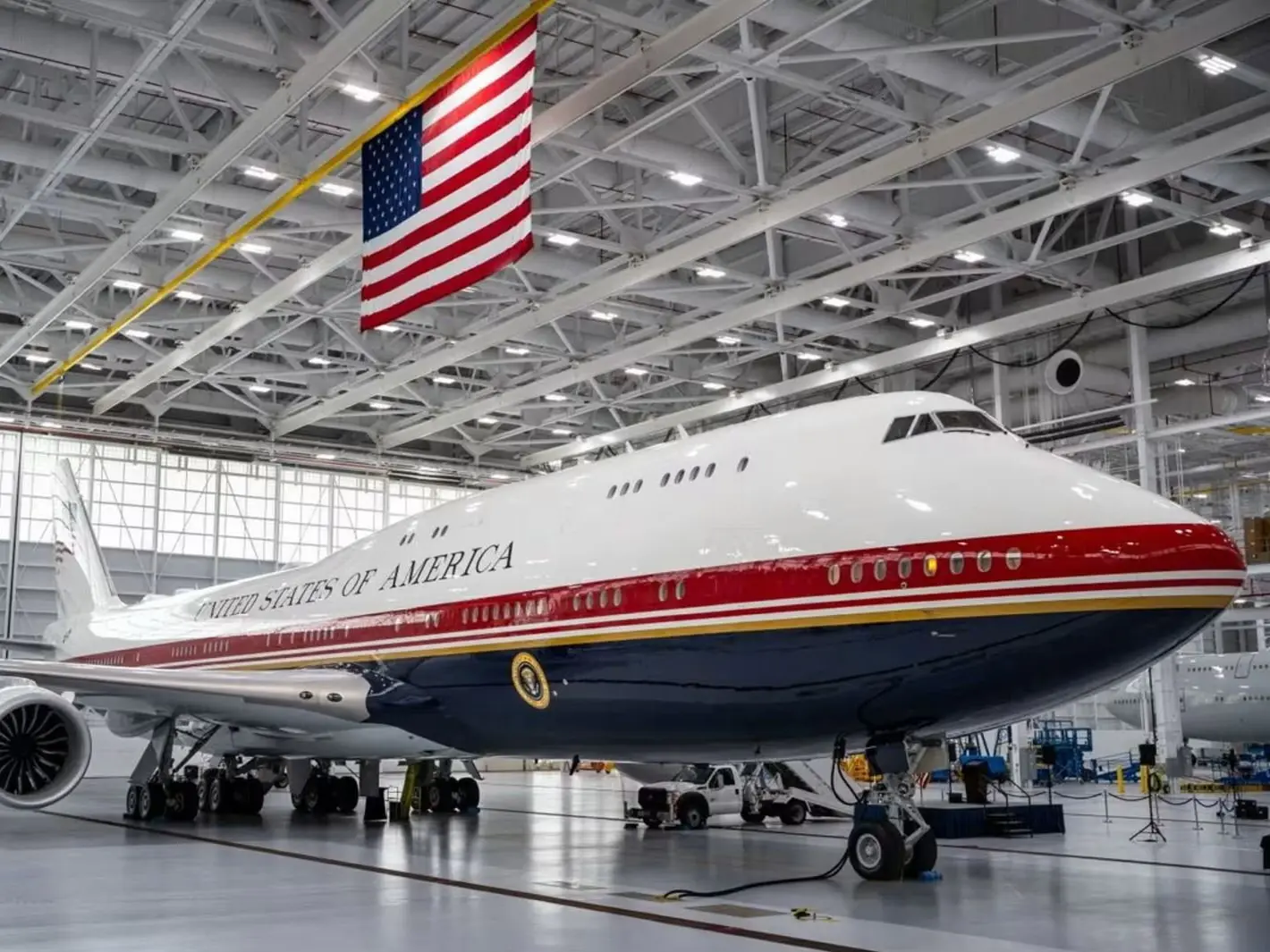)
Donald Trump plans to travel to Ireland on Qatari-donated jet amid security concerns
)
Nazi-looted art to return to Jewish heirs
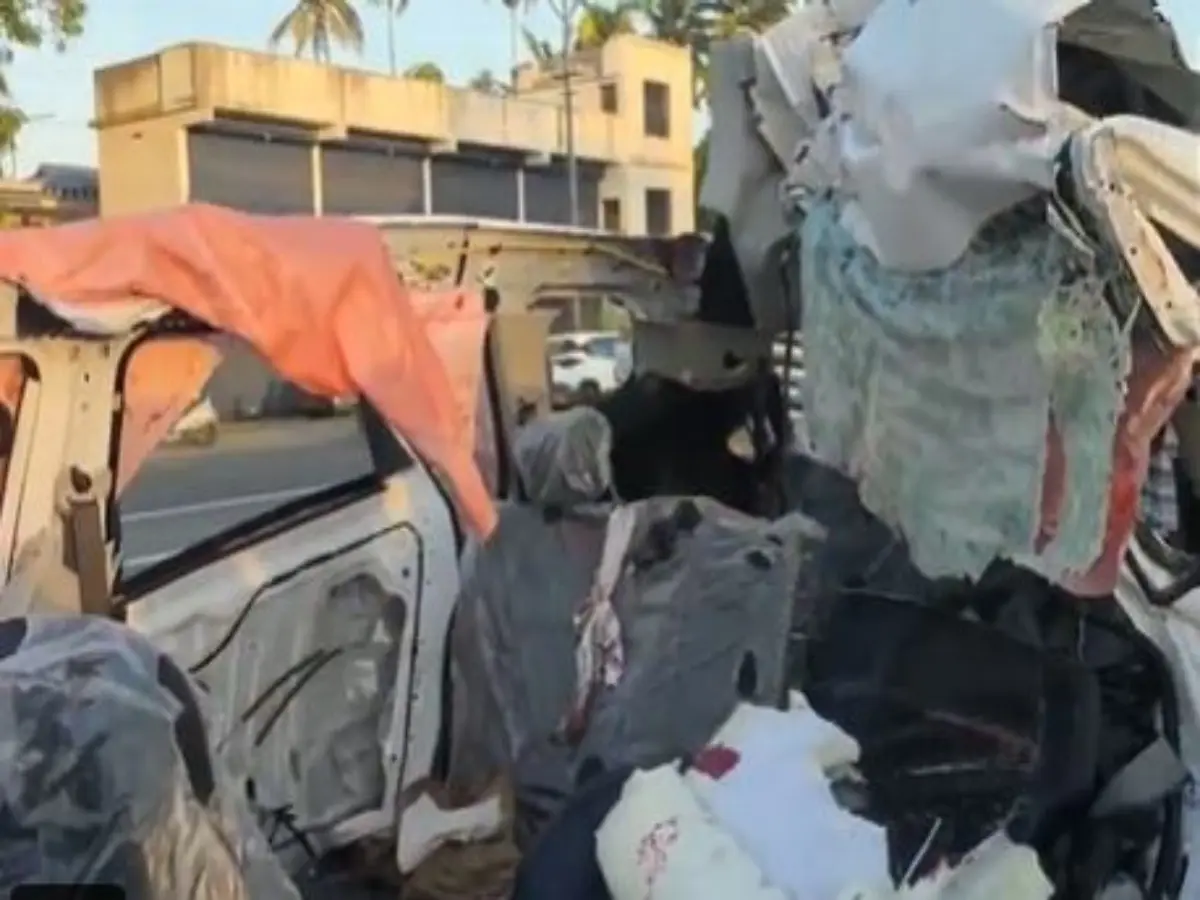)
Eight killed in Kerala’s Thrissur after car rams into lorry parked on highway
&im=FitAndFill=(700,400))
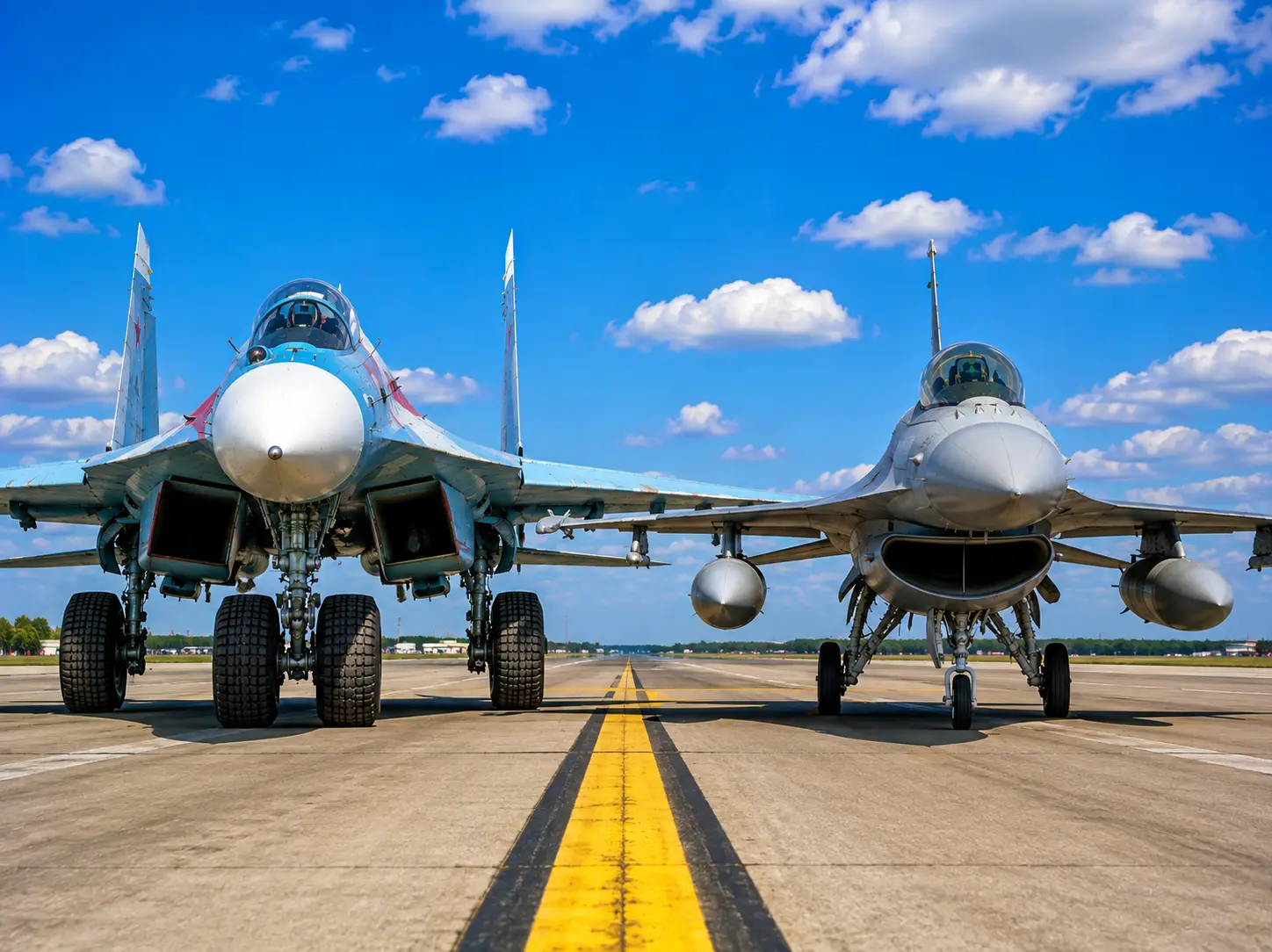
Why Russian fighter jets use bulky, low-pressure tyres compared to US jets
)
FBI-wanted fraud accused arrested in Jalandhar over $600,000 scam
&im=FitAndFill=(700,400))
Why US tanks weigh over 20 tons more than Russian tanks
&im=FitAndFill=(700,400))
New Friday OTT releases (September 4, 2026): GDN, Dhamaal 4, Jagamae Sangeetham- Watch 6 new movies and TV shows on Netflix, Prime Video and more
)
Killing the Himalayas slowly: Human urine is melting a glacier on Mount Everest
Regardless of these large sums, the equity of these trading giants still pales in comparison to oil majors like Shell and BP.
The cash dilemma facing these trading houses is expected to be a focal point of discussions during International Energy Week in London.
Historically, traders favored minimal cash reserves and preferred to distribute the bulk of their profits as dividends. However, recent events, such as the surge in gas prices following disruptions in Russian gas supplies to Europe, prompted a shift in strategy.
Margin calls, triggered by price fluctuations, compelled traders to contribute more of their own cash, leading to a reassessment of risk management practices. Consequently, trading houses began strenghtening their equity and retaining earnings as a precautionary measure.
"We beefed up our equity, and as a result, more of our trade became self-financed," remarked a trading executive familiar with the industry's response to margin calls. This move towards self-financing signifies a departure from heavy reliance on bank borrowing, which was common practice in the past.
While traders like Trafigura maintain extensive credit lines with numerous banks, the margin call crisis of 2022 prompted a reevaluation of borrowing practices. Banks, reluctant to extend further credit, encouraged traders to explore alternative financing options, prompting many to retain earnings and fortify their equity positions.
Looking ahead, the trajectory of bank borrowing hinges on several factors, including interest rate fluctuations and investment patterns within the industry. Even with predictions of a potential uptick in borrowing once interest rates decline, traders remain cautious.
"Sometimes traders just borrow money and put it back on deposit with the same or different bank so it pays interest," noted another trading executive, underscoring the complex financial strategies employed by these entities. As the energy trading landscape continues to evolve, navigating the delicate balance between cash reserves, equity, and investments remains paramount for these global players.
In the bustling halls of London's energy conference, between discussions on market trends and strategies, the issue of surplus cash will undoubtedly loom large.
(With inputs from Reuters)