

&imwidth=800&imheight=600&format=webp&quality=medium "ECB to hold rates as Trump tariff threat saga continues")
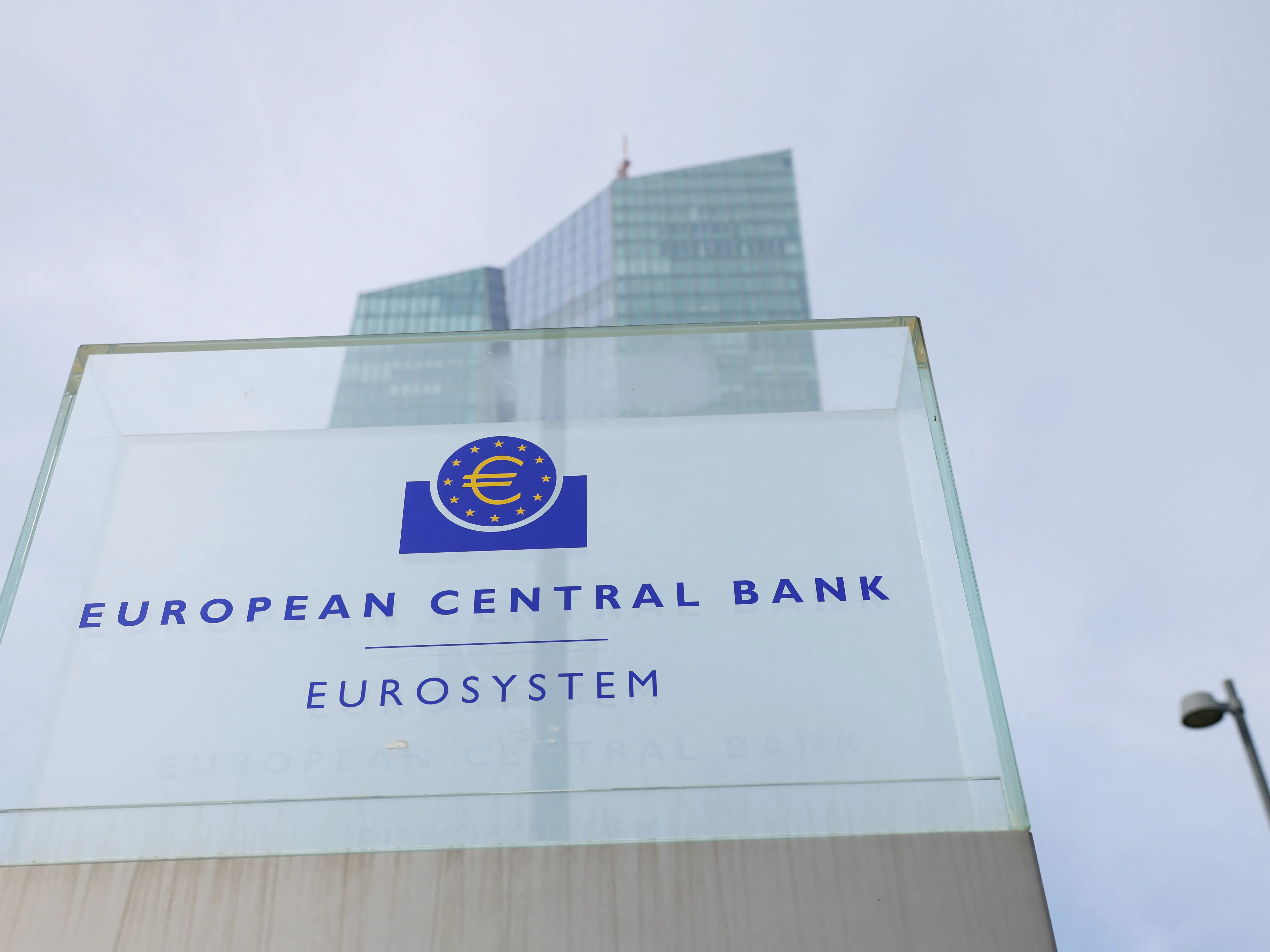
In a week marked by major political and economic uncertainty, the European Central Bank will reportedly take a big step and is expected to stand its ground. The ECB is likely to keep interest rates unchanged at 2 per cent. This reportedly comes despite growing fears of a potential 30 per cent tariff barrage from US President Donald Trump. According to Bloomberg reports, this announcementis due Thursday, which will be the last before a seven-week summer recess. Though there is no concrete US action yet, ECB officials have chosena wait-and-watch tactic even as signs of economic strain begin to surface across Europe, Asia and Latin America. Inflation in Europe is almost near its target, but a stronger euro and fiscal trouble in France putting pressure on the outlook.
From the Federal Reserve to the Bank of Japan, other Central Banks across the globe are also reportedly holding off major moves. In response to Trump’s widening trade war, as the economic data trickles in, September may see a wave of decisions that could reshape monetary policy.
As Euro strengthens, ECB to play safe
The ECB’s Governing Council is reportedly expected to stick to its “meeting-by-meeting” approach despite the rising risk. Policymakers see little reason to act in hassle as inflation near the 2 per cent target and no material impact yet seen from Trump’s tariff threats. However, the euro’s recent strength is a concern as it threatens to make European exports less competitive and could further reportedly drag inflation lower.
Further clouding the regional outlook, France faces a potential political turmoil over its growing fiscal deficit. The ECB President Christine Lagarde is likely to acknowledge that growth risk remain “titledto the downside”, while it also signals that a possible cut in September can might be on the table depending on the incoming data, as per Bloomberg.
What about Fed?
Trending Stories
&imwidth=180&imheight=135&format=webp&quality=medium)
Blasts heard in Sanaa as Saudi-led coalition warns civilians to evacuate; Houthis vow retaliation
&imwidth=180&imheight=135&format=webp&quality=medium)
China's counter-surveillance industry booms amid heightened espionage fears | Gravitas
&imwidth=180&imheight=135&format=webp&quality=medium)
Saudi Arabia strikes Yemen oil sites as Houthi missiles target Riyadh; 'limited fire' breaks out at Aramco
&im=FitAndFill=(700,400)&imwidth=180&imheight=135&format=webp&quality=medium)
Navratri 2026: 9 days, 9 forms of Goddess Durga and 9 colours- Check the complete list
&imwidth=180&imheight=135&format=webp&quality=medium)
Trump accuses Houthis of driving up oil prices before US midterms, warns of consequences
&imwidth=180&imheight=135&format=webp&quality=medium)
New Delhi rejects Beijing’s claims and remarks on Ladakh location naming exercise
&imwidth=180&imheight=135&format=webp&quality=medium)
US Midterms 2026: In Alaska, cost-of-living anxiety meets strangest ballot in high-stakes Senate race
&imwidth=180&imheight=135&format=webp&quality=medium)
CMs Vijay-Naidu meet in Vijayawada, discuss water sharing, river-linking
&imwidth=180&imheight=135&format=webp&quality=medium)
'Don't ever mess with nature!': Trump’s tiger attack post triggers social media backlash as victim's family issues heartbreaking tribute
&imwidth=180&imheight=135&format=webp&quality=medium)
OpenAI employee arrested by FBI after allegedly hiding recording device in office
&imwidth=180&imheight=135&format=webp&quality=medium)
Man dies at Six Flags Georgia: Past accidents at Six Flags amusement parks across US
&imwidth=180&imheight=135&format=webp&quality=medium)
1,500 drones illuminate Mumbai sky as Cordelia Cruises unveils second ship, Cordelia Sky
&imwidth=180&imheight=135&format=webp&quality=medium)
Pope Leo XIV diagnosed with lung cancer after surgery, Vatican says 'successful surgery and recovering'
&imwidth=180&imheight=135&format=webp&quality=medium)
Pakistan to chair UN-backed global Borrowers’ Platform as its own debt burden mounts, triggers sarcastic reactions on social media
&imwidth=180&imheight=135&format=webp&quality=medium)
Suicidal man survives jump from 11th floor in Japan, could now be tried for murder
&imwidth=180&imheight=135&format=webp&quality=medium)
Robot gropes girl, makes thrusting movements in bizarre crime in Germany
&imwidth=180&imheight=135&format=webp&quality=medium)
France accuses Musk of ‘online harassment’ of European leaders, warns of poll interference
&imwidth=180&imheight=135&format=webp&quality=medium)
MI5 chief warns Russia is UK’s ‘aggressor number one’ as Iran and AI threats grow
&imwidth=180&imheight=135&format=webp&quality=medium)
'Turn approver, resign, we'll forgive you': Rahul Gandhi claims receiving messages from CEC Gyanesh Kumar
&imwidth=180&imheight=135&format=webp&quality=medium)
Inside the alleged drug-money trail behind a Mumbai couple’s properties
&imwidth=180&imheight=135&format=webp&quality=medium)
‘My president, I mean my husband’: Trump's new press secretary Katie Zacharia's first briefing goes off the rails in 14 minutes
&im=FitAndFill=(700,400)&imwidth=180&imheight=135&format=webp&quality=medium)
IMF World Economic Outlook: 10 economies to watch for growth in FY27 and FY28 - Where does India stand?
&imwidth=180&imheight=135&format=webp&quality=medium)
Marco Rubio to visit India next week, focus on energy cooperation and strategic ties
&imwidth=180&imheight=135&format=webp&quality=medium)
Is the AI chip boom already over? Global semiconductor stocks slide as investors question unbridled spending
&imwidth=180&imheight=135&format=webp&quality=medium)
L Murugan resigns as Union Minister, expresses wish to return to grassroots
&imwidth=180&imheight=135&format=webp&quality=medium)
'Ouch!!! That must hurt': Kangana Ranaut hails Kamal Haasan's sharp reply to Elon Musk over Starlink row
&imwidth=180&imheight=135&format=webp&quality=medium)
Girl 'dead' for 8 hours wakes up at her own funeral, dad insists she wasn't breathing
&imwidth=180&imheight=135&format=webp&quality=medium)
Sidhu Moose Wala’s younger brother wins hearts by recreating late singer’s signature move at Toronto Hologram Show
&imwidth=180&imheight=135&format=webp&quality=medium)
UK school ditches technology, shifts from screen to pen and paper for learning
&im=FitAndFill=(700,400)&imwidth=180&imheight=135&format=webp&quality=medium)
New OTT releases this week (October 12-18, 2026): Sacrifice, Koffee with Karan S9, Roadies Rebirth- 6 titles coming on Netflix, JioHotstar and more
&imwidth=180&imheight=135&format=webp&quality=medium)
Rahul Gandhi speaks on Anti-CeC protests: Gathering over tea after Supreme Court rally
&imwidth=180&imheight=135&format=webp&quality=medium)
Anupam Kher joins Ranbir Kapoor's Ramayana as Jatayu, new poster unveiled
&imwidth=180&imheight=135&format=webp&quality=medium)
Measles kills again: 6 dead in Pennsylvania as America faces its worst outbreak in decades | Gravitas
&imwidth=180&imheight=135&format=webp&quality=medium)
Ken Paxton's Dubai night out with two US fugitives sparks political storm as Texas Senate race tightens
&imwidth=180&imheight=135&format=webp&quality=medium)
Mundhe: Fight against unsafe food goes on
&imwidth=180&imheight=135&format=webp&quality=medium)
Cornell University suspends fraternity parties over 2024 gang rape allegations
In the United States, the Federal Reserve is reportedly in a communication blackout ahead of its July 29-30 policy meeting. But data scheduled this week will reportedly offer insights into the state of economy. Amid the growing pressure, Housing remains a weak spot.
Bloomberg projects that in June, the existing home sales will show little movement, while new-home sales data, which will be out on Thursday, may post a slight recovery after a steep drop in May. Services PMI, durable goods orders, and S&P Global’s manufacturing are also on the calendar. Though Feb Chair Jerome Powell will make brief remarks Tuesday at a banking conference, markets don’t expect any fresh policy signals before the July meeting.
Asia
Amid Trump’s tariffs saga, central banks across Asia are treading carefully. China’s loan prime rates data, which is expected on Monday, will reportedly remain unchanged. Meanwhile, India’s July PMIs on Thursday will reportedly offer a snapshot of business activity as domestic demand tries to offset slower global growth. Inflation data from Tokyo and factory output figure, which due Friday will help gauge consumer strength. While South Korea’s early export data, Taiwan’s employment numbers, and Singapore’s industrial production round out the region’s economic pulse.
Australia, too, is in focus. Minutes from the Reserve Bank’s recent meeting, when it unexpectedly held rates, may signal how close it is to cutting again. RBA Governor Michele Bullock is set to speak on Thursday.
UK
In Britain, the economic picture remains fragile. Public finance data is due Tuesday, followed by key PMIs on Thursday and retail sales on Friday. Any negative surprises could heighten market pressure as the unemployment are rising and growth is faltering,
The Bank of England will face lawmakers on Tuesday in a testimony on financial stability, after its recent report flagged risks tied to highly leveraged hedge funds and UK bond exposure.
Emerging markets face inflation dilemma
Several central banks in emerging markets are set to decide on interest rates this week. Turkey is reportedly expected to resume cutting rates on Thursday, potentially lowering its key rate to 43.5 per cent from 46 per cent. Nigeria, Hungary, Ukraine, and Russia also reportedly hold policy meetings.
The Bank of Russia, in particular, may reportedly opt for a deeper cut following June’s 100 basis point reduction. As Nigeria sits at 22.2 per cent, with food and core prices rising again, inflation remains stubborn in many economies despite high rates.
Latin America
Under President Javier Milei, Argentina’s May GDP-proxy data, which is reportedly due Monday, could confirm a strong rebound. After liberalising currency controls and securing a $20 billion IMF deal, April’s economic activity rose nearly 8 per cent year-on-year, and forecasts for Q2 remain upbeat.
Mexico, by contrast, is reportedly showing signs of strain. Economic activity data and mid-month inflation numbers is due mid-week and are likely to reflect slowing momentum. The central bank has reportedly hinted at slowing its easing cycle as inflation expectations remain high.
In Brazil, mid-month inflation is reportedly expected to decline for a third straight reading, but market watchers remain cautious. 2025 inflation forecasts are still above the central bank’s target, despite falling prices.
For now, global central banks reportedly appear to be holding their nerve. But the backdrop is shifting fast. Trump’s tariff threats, volatile currencies, and fragile political environments are forcing policymakers into a wait-and-see mode. As per Bloomberg, September could bring a flurry of rate cuts or at the very least, major course corrections. Until then, markets are in a holding pattern, scanning every data point for signs of what lies ahead.