Dollar-strapped Egypt resorts to selling state assets to Gulf nations

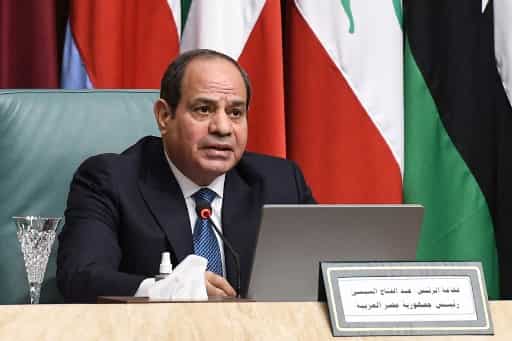
File photo of Egypt's President Abdel Fattah al-Sisi.
Egypt is running out of dollars and is attempting to bolster its finances by selling state assets to rich Gulf countries, showed a media report.That despite a $3 billion rescue loan from the International Monetary Fund (IMF). Calling the latest funding attempt a win-win for all parties, experts claim the new deal will call for long-term structural improvements rather than the unconditional rescue deals from the past.
IMF had warned that Egypt would face a financing gap of around $17 billion over the next four years, and Cairo expects the plan to sell state assets will help reduce the deficit. The deal offers a quick way for countries like Kuwait, Qatar, Saudi Arabia, and the United Arab Emirates to acquire properties, land, and holdings in state companies in Egypt.
With those countries seeking to diversify beyond their oil and gas-based economies, Cairo's offer is lucrative, especially as the Egyptian pound has taken a beating. A weaker currency makes investment cheaper for a foreign entity.

The war on the edge of Europe, the Russia-Ukraine crisis, pushed global investors to shelter into safe-haven dollar-denominated assets and hurt almost every other currency on the other side of the exchange rate. The Egyptian pound was no exception to the surging dollar bets.
Egypt has become an appealing investment destination for Gulf countries due to a sharp devaluation of its currency and lucrative offers provided by President Abdel Fattah al-Sisi. The North African country has traditionally been an import-dependent economy, and the steep fall in its currency, almost half the value lost against the dollar in less than a year, has cut the country's foreign exchange coffer by 20 per cent since February last year.
Over 80 per cent of the country's forex reserves of $34.2 billion are comprised of deposits from wealthy Gulf affiliates. The nation's foreign debt has more than tripled to $155 billion in the last ten years.
&imwidth=180&imheight=135&format=webp&quality=medium)
Rahul Gandhi's plea against Election Commission delayed as Supreme Court registry flags 14 ‘defects’
&im=FitAndFill=(700,400)&imwidth=180&imheight=135&format=webp&quality=medium)
Navratri 2026: 9 days, 9 forms of Goddess Durga and 9 colours- Check the complete list
&imwidth=180&imheight=135&format=webp&quality=medium)
Korean peninsula tensions escalate as North Korea launches multiple ballistic missiles, PACOM says 'no threat to US personnel'
&imwidth=180&imheight=135&format=webp&quality=medium)
Trump weighs firing Kimberly Guilfoyle as US ambassador to Greece amid misconduct allegations: Report
&imwidth=180&imheight=135&format=webp&quality=medium)
Anti-SIR protest in Mumbai: Protestors wear black masks & ribbons in Mumbai
&imwidth=180&imheight=135&format=webp&quality=medium)
UK PM Andy Birnham renews claims of Russian meddling in Brexit vote
&imwidth=180&imheight=135&format=webp&quality=medium)
BCCI rejects venue shift reports, India vs Sri Lanka 1st ODI to remain in Delhi
&imwidth=180&imheight=135&format=webp&quality=medium)
'Absolutely disgusting': Australia slams US plan to livestream Nidal Hasan's execution; Mike Johnson raises concerns, warns of terrorist propaganda
&imwidth=180&imheight=135&format=webp&quality=medium)
1,500 drones illuminate Mumbai sky as Cordelia Cruises unveils second ship, Cordelia Sky
&imwidth=180&imheight=135&format=webp&quality=medium)
Houthis warns US of 'painful response' if Washington joins Saudi war in Yemen as airlines suspend flights to Saudi Arabia
&imwidth=180&imheight=135&format=webp&quality=medium)
Congress demands action against chief election commissioner
&imwidth=180&imheight=135&format=webp&quality=medium)
Apple HomeView smart home hub may launch soon with A18 chip, display and Siri controls: What to expect
&imwidth=180&imheight=135&format=webp&quality=medium)
'Turn approver, resign, we'll forgive you': Rahul Gandhi claims receiving messages from CEC Gyanesh Kumar
&imwidth=180&imheight=135&format=webp&quality=medium)
'I will not be silenced': Ilhan Omar alleges political intimidation after federal officers search her Washington home
&imwidth=180&imheight=135&format=webp&quality=medium)
Robotic surgery, advanced treatment: What is coming to this small Gujarat town?
&imwidth=180&imheight=135&format=webp&quality=medium)
Pakistan's government blames PTI for rise of terrorism in Khyber Pakhtunkhwa
&imwidth=180&imheight=135&format=webp&quality=medium)
‘This is just the start’: Maaya Rajeshwaran on historic ITF title, confidence boost and future goals
&im=FitAndFill=(700,400)&imwidth=180&imheight=135&format=webp&quality=medium)
How does a robot decide what to do next?
&imwidth=180&imheight=135&format=webp&quality=medium)
Trump says he 'may' meet North Korean leader Kim Jong Un during upcoming Asia trip
&imwidth=180&imheight=135&format=webp&quality=medium)
'Ouch!!! That must hurt': Kangana Ranaut hails Kamal Haasan's sharp reply to Elon Musk over Starlink row
&imwidth=180&imheight=135&format=webp&quality=medium)
Sidhu Moose Wala’s younger brother wins hearts by recreating late singer’s signature move at Toronto Hologram Show
&imwidth=180&imheight=135&format=webp&quality=medium)
Girl 'dead' for 8 hours wakes up at her own funeral, dad insists she wasn't breathing
&imwidth=180&imheight=135&format=webp&quality=medium)
UK school ditches technology, shifts from screen to pen and paper for learning
&imwidth=180&imheight=135&format=webp&quality=medium)
Opposition’s 10 demands in Supreme Court petition range from stay on SIR to audit of voter rolls
&imwidth=180&imheight=135&format=webp&quality=medium)
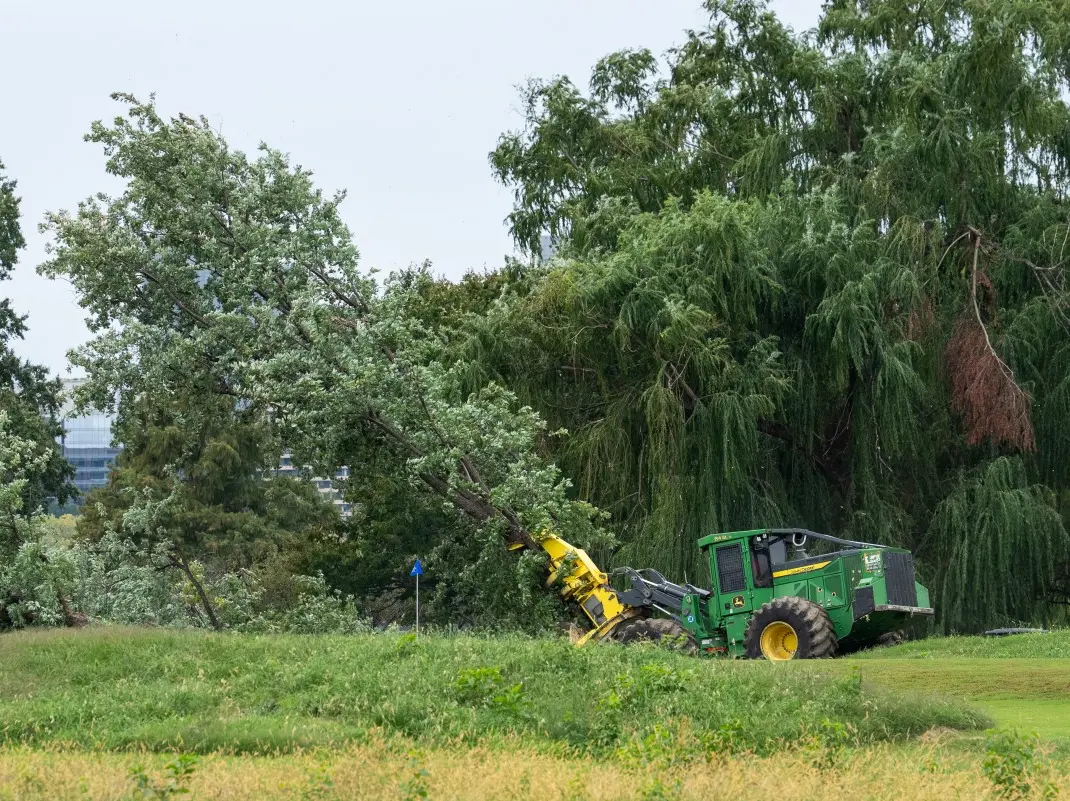
'I am thoroughly unamused': Judge slams Trump administration after 400 trees cut at Washington golf course
&imwidth=180&imheight=135&format=webp&quality=medium)
Portugal Federation confirms Cristiano Ronaldo’s return to national team despite suspension
&im=FitAndFill=(700,400)&imwidth=180&imheight=135&format=webp&quality=medium)
New OTT releases this week (October 12-18, 2026): Sacrifice, Koffee with Karan S9, Roadies Rebirth- 6 titles coming on Netflix, JioHotstar and more
&imwidth=180&imheight=135&format=webp&quality=medium)
Delhi protest: CJI Surya Kant declines to meet India Bloc leaders
&imwidth=180&imheight=135&format=webp&quality=medium)
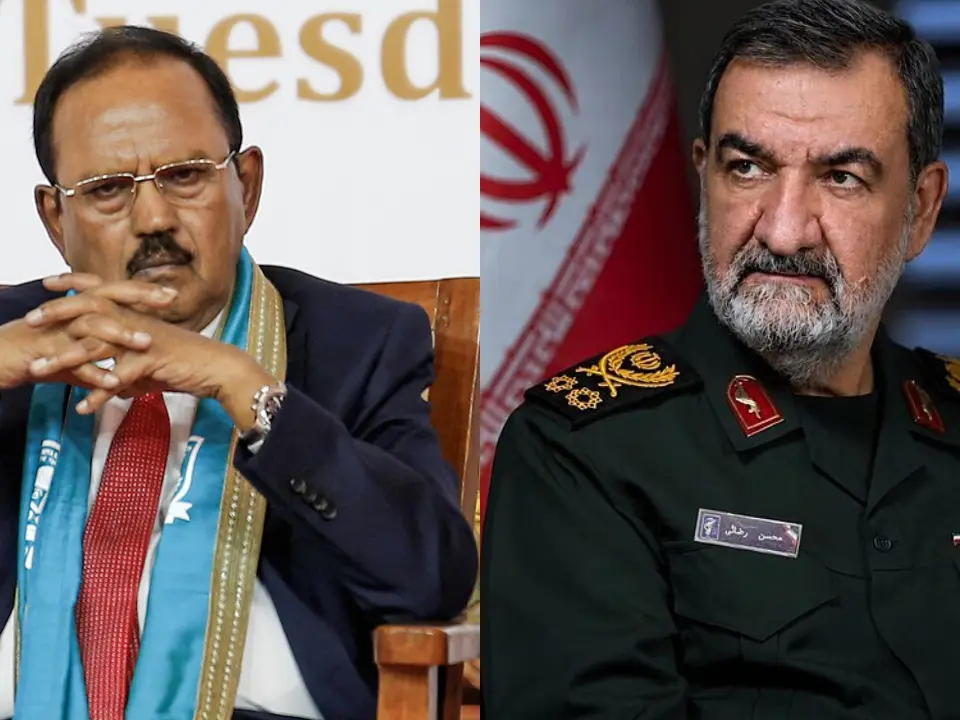
India's Ajit Doval, Iran's Mohsen Rezaei hold talks amid escalating West Asia tensions, discuss 'issues of mutual interest'
&imwidth=180&imheight=135&format=webp&quality=medium)
'Almost certainly': UK Prime Minister Andy Burnham says Iran's IRGC behind RAF Fairford threat
&imwidth=180&imheight=135&format=webp&quality=medium)
Elon Musk pumps $276 million into Republican campaigns ahead of US midterm elections
According to a media report, President Abdel Fattah al-Sisi at the World Government Summit in Dubai said, "a country like Egypt needs a trillion-dollar budget each year. Do we have that money? No. Do we have half of it? No. Do we have a quarter of it? No." Sisi acknowledged the "support from friends, the UAE, Saudi Arabia, and Kuwait."
But this time, Gulf nations have warned that Cairo cannot get the aid without conditions anymore, and there needs to be more transparency and long-term structural reforms.
Indeed, Saudi Arabia's finance minister Mohammed al-Jaadan has cautioned the days of restriction-free assistance are finished.
"We used to give direct grants and deposits without strings attached, and we are changing that," Jaadan said at Davos in January, explaining the kingdom will be demanding "to see reforms".
The IMF, too, had laid down stringent conditions, including Egypt opening up its economy and increasing the private sector's share to 65 per cent from the current 30 per cent by 2025.
Egypt, for its part, has tried to establish the new order. According to calculations by the Egyptian business weekly outlet Enterprise, 66 mergers and acquisitions were finalised in Egypt in 2022, more than double the number of deals executed in 2021. The majority of those were military deals. Emirati and Saudi firms had most of the stakes in 40 military deals.
WATCH WION LIVE HERE
You can now write for wionews.com and be a part of the community. Share your stories and opinions with us here.