

&imwidth=800&imheight=600&format=webp&quality=medium "BOJ board member signals rate hikes after pause to assess US tariffs")
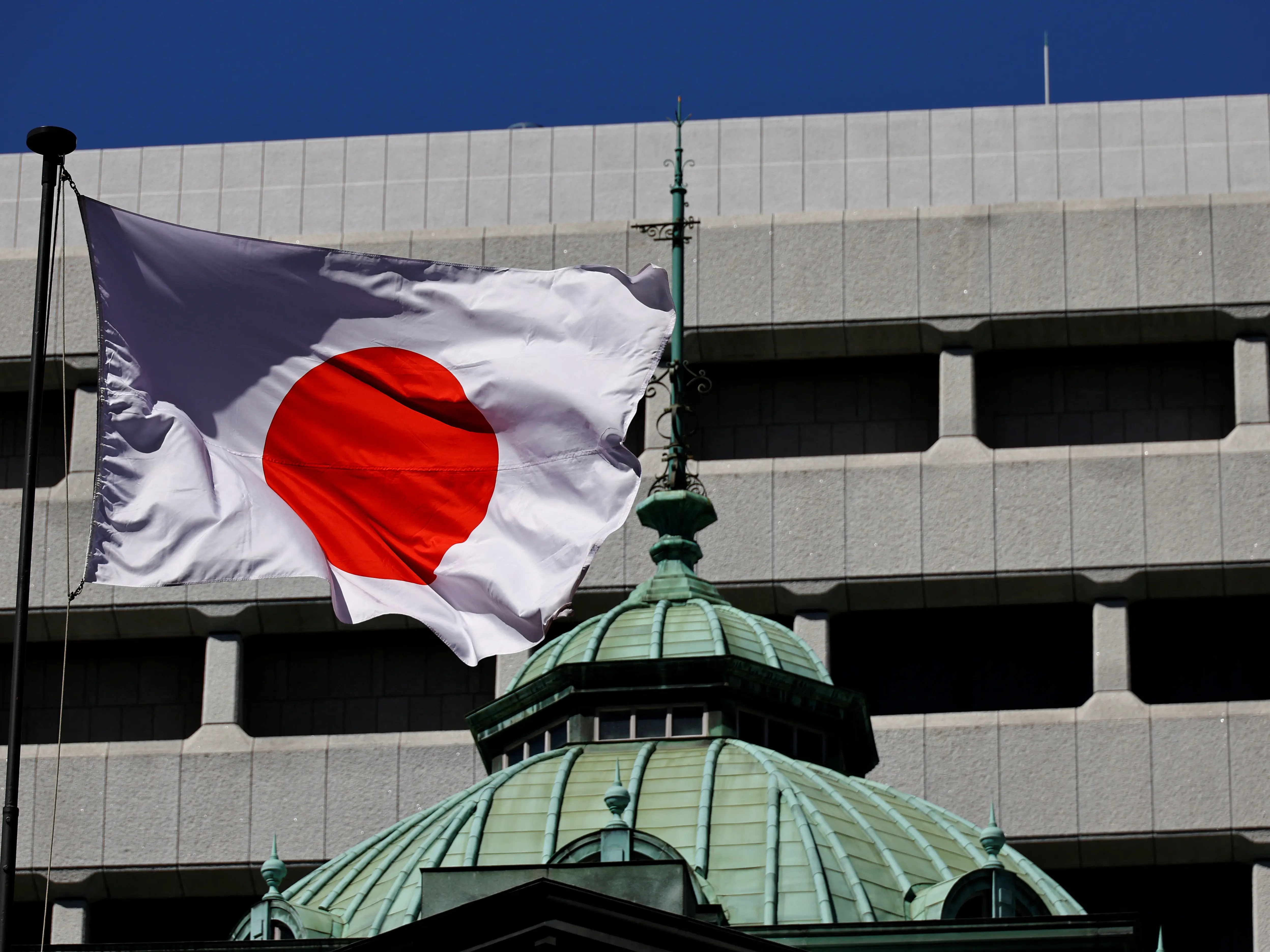
A senior Bank of Japan policymaker has called for resuming interest rate hikes following a temporary pause to evaluate the impact of US tariffs, in a sign the central bank remains committed to moving away from its ultra-loose monetary policy as inflation pressures gather strength. According to Reuters, BOJ board member Hajime Takata said on Thursday that Japan was making steady progress toward achieving the central bank’s 2 per cent inflation target. He cited robust corporate profits and persistent labour shortages driving wages higher factors underpinning what he described as “home-made inflation.”
While acknowledging the need to “wait and see” due to uncertainties over US trade policy under President Donald Trump, Takata emphasised that the BOJ should be ready to shift policy “nimbly” in response to any changes in the global economic environment. “My view is that the BOJ is currently only pausing its policy interest rate hike cycle, and should continue to make a gear shift after a certain period of ‘wait and see’,” Takata said in a speech on Thursday, as quoted by Reuters.
Cautious optimism despite tariff risks
Takata’s remarks, reported by Reuters, highlight the delicate balancing act facing the BOJ. The central bank ended its massive stimulus programme last year and raised short-term interest rates to 0.5 per cent in January, its first hike in over a decade. However, concerns about the economic impact of US tariffs prompted the BOJ to cut its growth forecasts in May.
According to Reuters, while the BOJ remains cautious about external headwinds, Takata expressed optimism that Japan’s domestic inflation dynamics are strengthening. He argued that medium- and long-term price expectations are steadily rising, not only due to higher raw material costs but also sustained wage increases.
“Japan is finally seeing signs of home-made inflation, a prerequisite for rate hikes,” Takata said, as per Reuters. However, he cautioned that US tariffs could weigh on Japan’s exports, capital expenditure, and corporate appetite for wage growth. Takata stated that the BOJ must assess these risks carefully before proceeding with further policy tightening.
Trending Stories
&imwidth=180&imheight=135&format=webp&quality=medium)
Nobel laureate Machado, who dedicated prize to Trump, confirmed as Venezuela opposition leader
&imwidth=180&imheight=135&format=webp&quality=medium)
India moves to buy 10,000 more AI chips for a national compute pool open to startups
&imwidth=180&imheight=135&format=webp&quality=medium)
MI5 is opening an AI threat centre, and OpenAI just told MPs the worst isn't over
&imwidth=180&imheight=135&format=webp&quality=medium)
'We are not sitting in ivory towers, we are aware': SC issues notice to Rahul Gandhi, Akhilesh Yadav
&imwidth=180&imheight=135&format=webp&quality=medium)
'It's a joy to see the makers bring it on such a grand scale': SS Rajamouli on Ramayana
&imwidth=180&imheight=135&format=webp&quality=medium)
China responds to Trump's Press Secretary Katie Zacharia after toilet remark: 'Visit China more often'
&imwidth=180&imheight=135&format=webp&quality=medium)
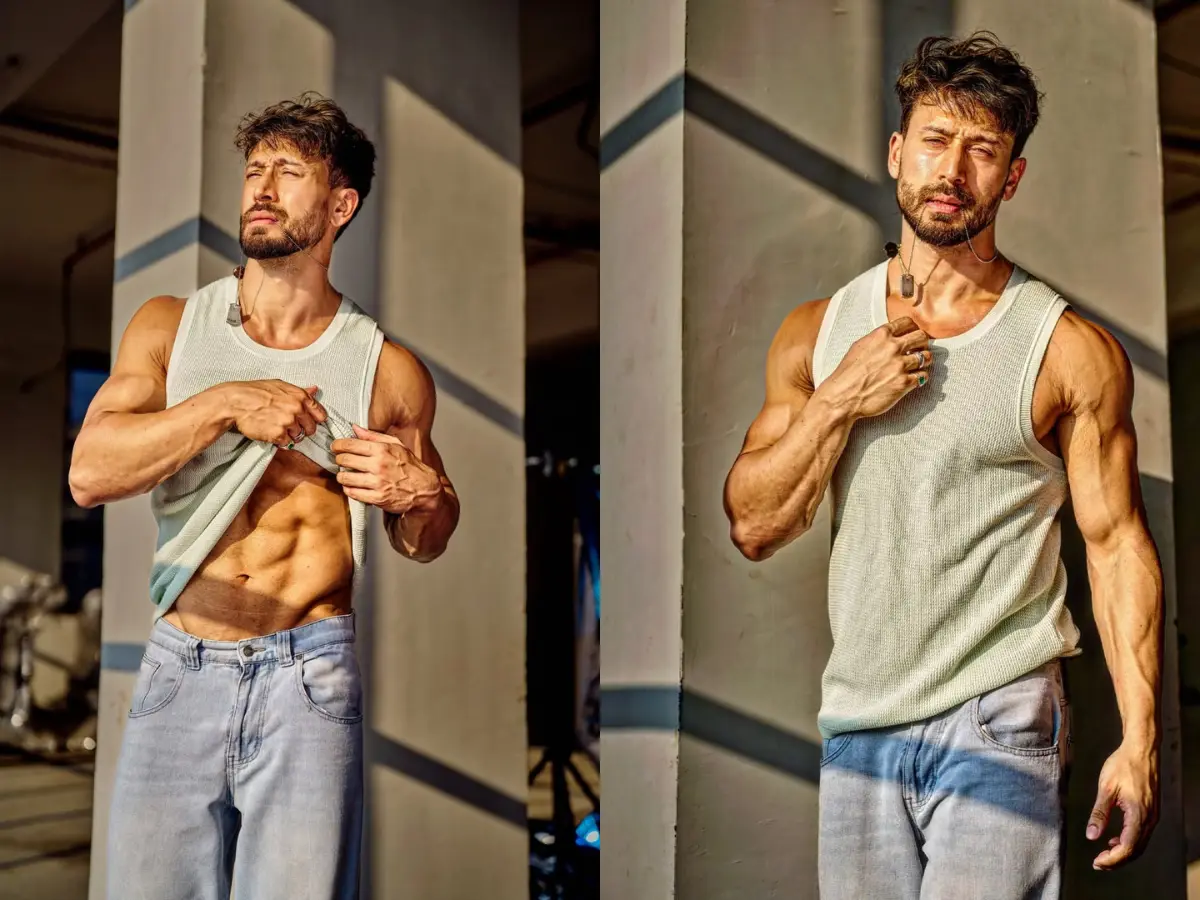
Tiger Shroff attacked by three gunmen in Mumbai, actor safe, two injured
&imwidth=180&imheight=135&format=webp&quality=medium)
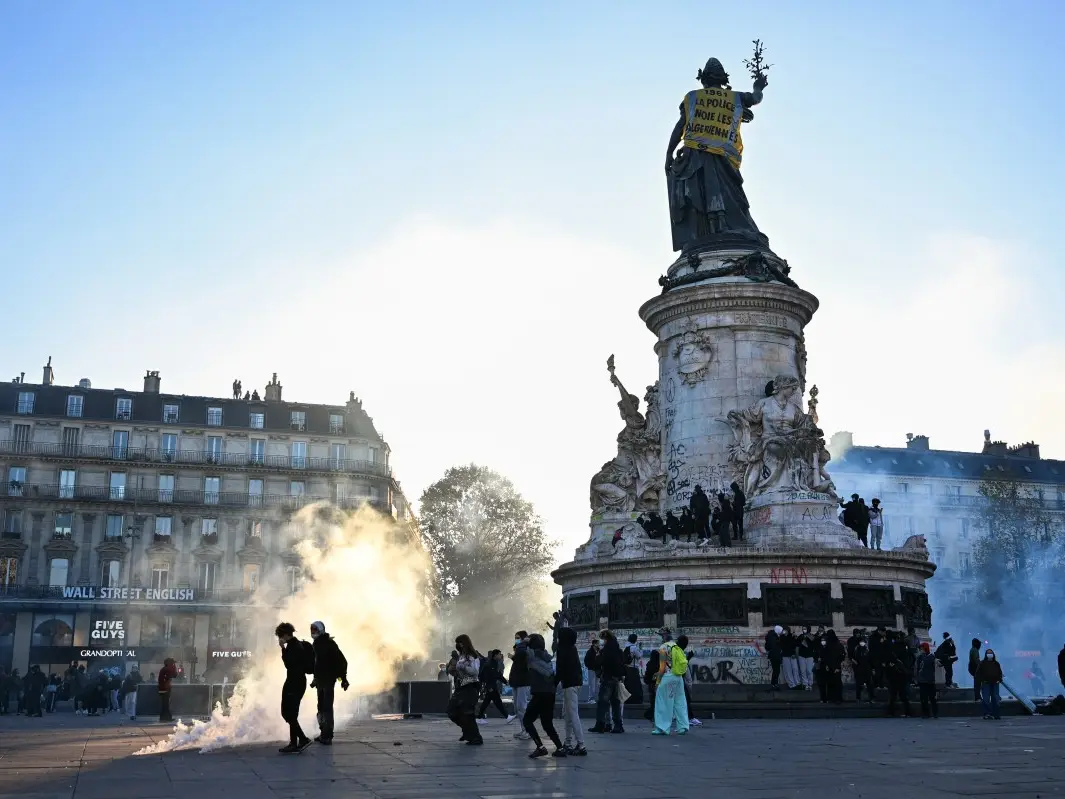
Why France looks the most fragile in the G7 amid protests and budget deadlock
&imwidth=180&imheight=135&format=webp&quality=medium)
Lizard people? Ex-US Army sniper claims soldier killed by 'reptilian beings' in battle near Area 51
&imwidth=180&imheight=135&format=webp&quality=medium)
Anirudh Ravichander-Kavya Maran wedding: Telangana CM reveals Chennai reception date
&imwidth=180&imheight=135&format=webp&quality=medium)
Tiger Shroff shows injuries after Juhu firing incident; Eknath Shinde says Mumbai won’t tolerate gang wars
&imwidth=180&imheight=135&format=webp&quality=medium)
Elon Musk features on Lucknow's 'anti-India' Ravan poster alongside Rahul Gandhi, Akhilesh
&imwidth=180&imheight=135&format=webp&quality=medium)
'Those who have destroyed must pay': Macron says France feels 'anger and shame' over protest violence
&imwidth=180&imheight=135&format=webp&quality=medium)
Cattle-feed bran in biscuits, detergent in milk: FSSAI acts against 3 companies
&imwidth=180&imheight=135&format=webp&quality=medium)
Anthropic’s public benefit plan: What its 5% share commitment means for AI’s future
&imwidth=180&imheight=135&format=webp&quality=medium)
Tiger Shroff firing incident update: All three shooters arrested from Kota railway station
&imwidth=180&imheight=135&format=webp&quality=medium)
2.5 lakh cap, 4-passenger limit: What is Delhi's new e-rickshaw draft policy
&imwidth=180&imheight=135&format=webp&quality=medium)
4 killed, 19 critically injured in grass fire at Canada's largest military base
&imwidth=180&imheight=135&format=webp&quality=medium)
Brendan Taylor overtakes Andy Flower to become Zimbabwe’s leading ODI run-scorer
&imwidth=180&imheight=135&format=webp&quality=medium)
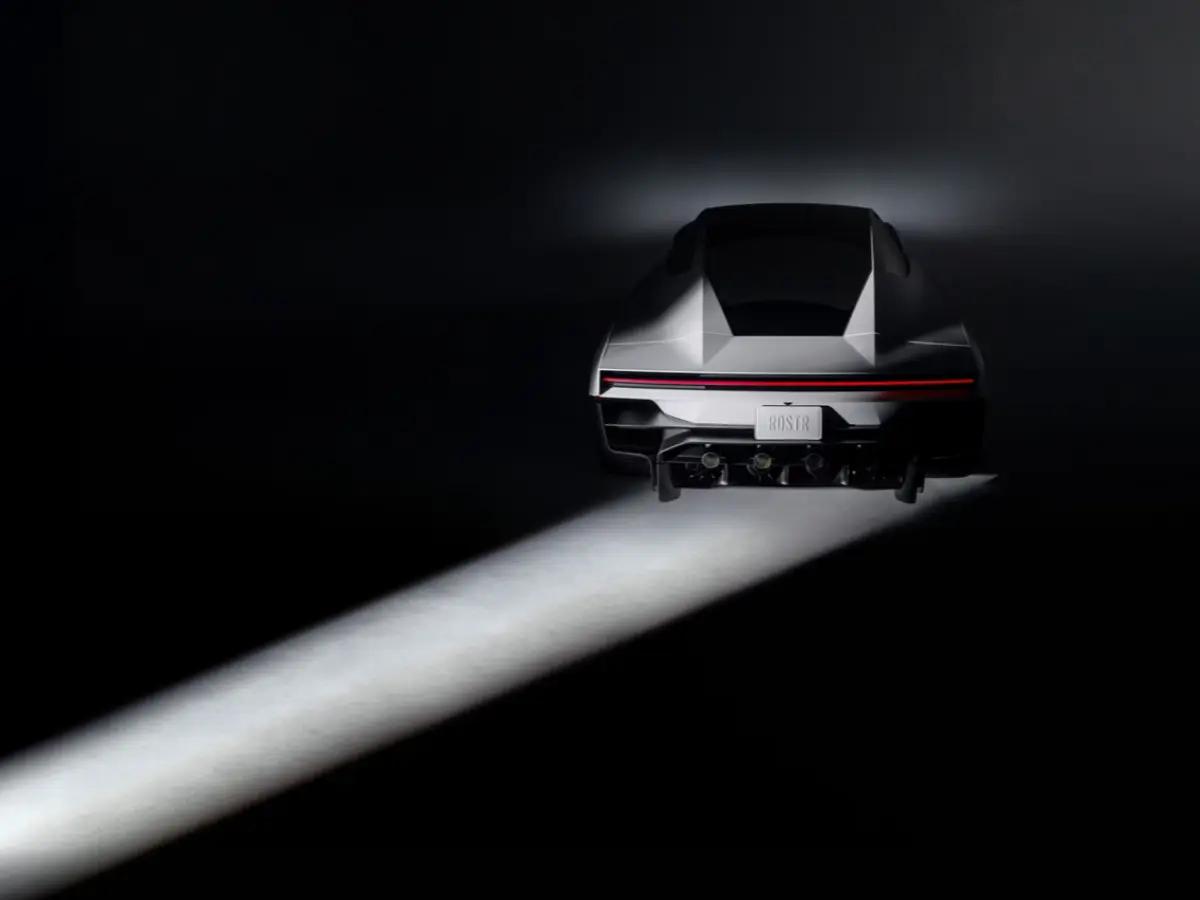
Flying car race: Alef Aeronautics welcomes Tesla Roadster '11 years' later, but are the two models the same?
&imwidth=180&imheight=135&format=webp&quality=medium)
Researchers name newly discovered Andean plant after Argentina legend Lionel Messi
&imwidth=180&imheight=135&format=webp&quality=medium)
Priest dies after crucifix falls on his head during livestreamed Mass in Ecuador | VIDEO
&imwidth=180&imheight=135&format=webp&quality=medium)
Putin seeks Trump-Xi summit on Ukraine war, proposes talks alongside APEC: Report
&imwidth=180&imheight=135&format=webp&quality=medium)
WATCH | iPhones, luxury perfumes floating in Hormuz? Iranian fishermen make bizarre discovery
&imwidth=180&imheight=135&format=webp&quality=medium)
No Ravindra Jadeja, Yashasvi Jaiswal in India’s 2027 ODI World Cup plans: Report
&imwidth=180&imheight=135&format=webp&quality=medium)
After Kennedy Center and reflecting pool disputes, Trump turns to Washington golf course plan amid legal battle
&imwidth=180&imheight=135&format=webp&quality=medium)
US to review Russia sanctions waiver within 60 days as Rubio cites India’s ‘substantial’ Russian energy imports
&im=FitAndFill=(700,400)&imwidth=180&imheight=135&format=webp&quality=medium)
Tesla Roadster engineering: The hidden hardware behind its flying demonstration
&imwidth=180&imheight=135&format=webp&quality=medium)
No Kings' Instagram suspended during early-voting campaign
&imwidth=180&imheight=135&format=webp&quality=medium)
NFl 2026/27 - Saints vs Steelers to go ahead in Paris next week despite protest
&im=FitAndFill=(700,400)&imwidth=180&imheight=135&format=webp&quality=medium)
5 technologies that could make the Tesla Roadster one of the most unusual cars ever built
&imwidth=180&imheight=135&format=webp&quality=medium)
Cattle feed found in biscuits of Indian company, FSSAI sends legal notice
&imwidth=180&imheight=135&format=webp&quality=medium)
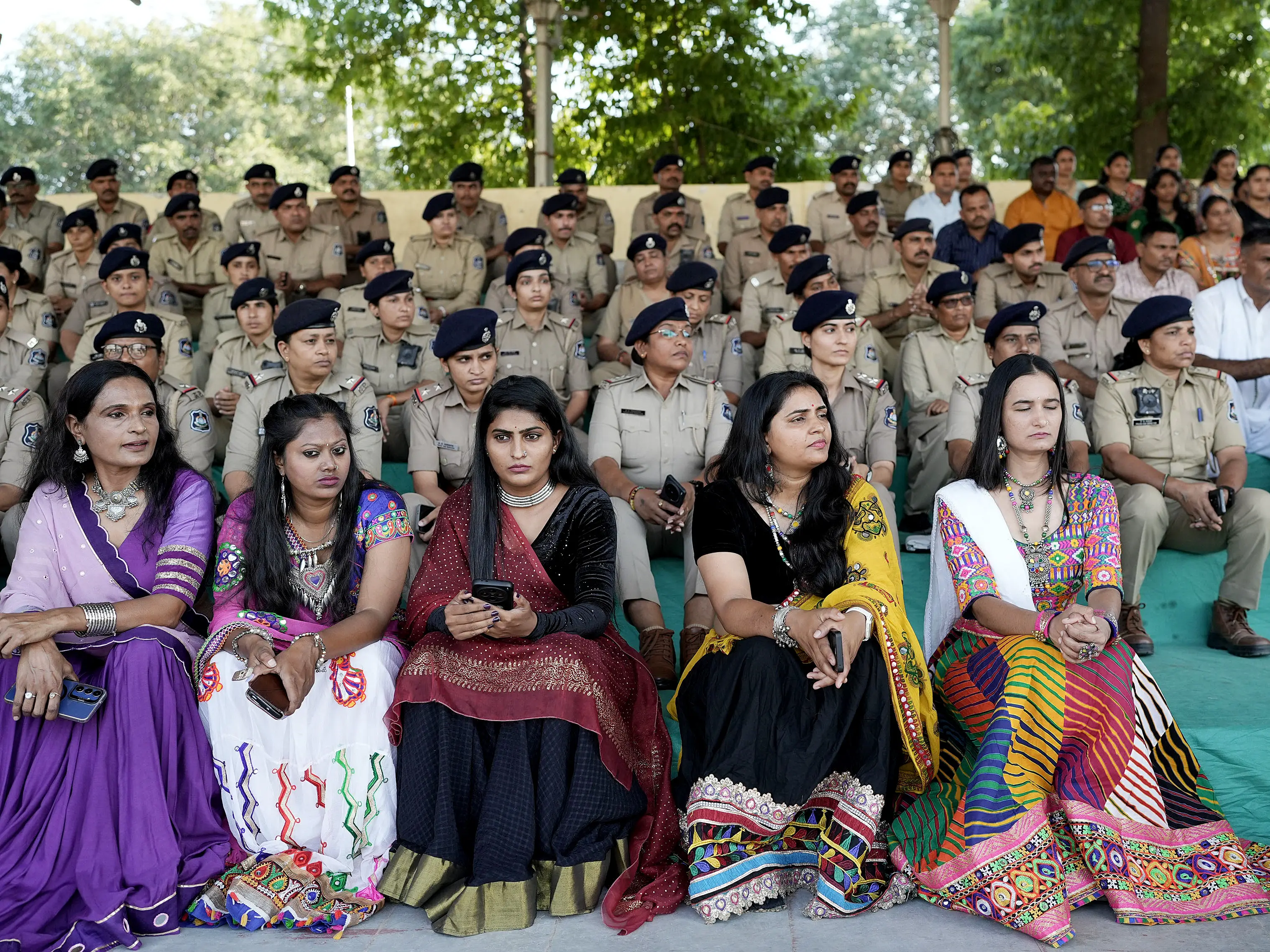
'We feel like Mr India': Gujarat’s undercover SHE team guard garba nights at Navratri
&imwidth=180&imheight=135&format=webp&quality=medium)
Kylie Jenner makes Victoria’s Secret debut in $50 million diamond-encrusted design as Timothée Chalamet cheers
&imwidth=180&imheight=135&format=webp&quality=medium)
Lawrence Bishnoi gang claims responsibility for firing at Tiger Shroff over ties to Salman Khan
No clear timeline for the next hike
Despite suggesting that rate hikes should resume, Takata offered no specifics on the timing of the BOJ’s next move, citing persistent uncertainty over the direction of US economic policy. “We can’t say now with any pre-set idea,” he said when asked about the prospect of another rate increase this year, according to Reuters.
Takata also noted that if the US Federal Reserve were to cut interest rates to support the American economy, the divergence between the Fed’s easing bias and the BOJ’s tightening stance could drive up the yen and hit Japanese corporate profits.
Breaking free from ‘false dawns’
Takata underscored, as reported by Reuters, that Japan’s economy has experienced repeated “false dawns” in the past, brief recoveries derailed by global demand shocks. But he expressed confidence that this time could be different, with Japanese firms increasingly willing to raise both prices and wages. “My expectation is that Japan will see a ‘true dawn’ this time,” Takata said, according to Reuters.
He added that while the long-term damage from US tariffs may be limited compared with the bilateral trade tensions of the 1990s, since Trump’s levies target a wide range of countries, the BOJ still needed to move cautiously. “I believe the BOJ should gradually and cautiously shift gears in its monetary policy,” he concluded, signalling support for a full, though careful, withdrawal of the central bank’s unconventional easing programme, as quoted by Reuters.
(With inputs from the agencies)