Billion-dollar satellite, Viasat, risks disrupting space insurance market


Viasat offices
Valued at over $1 billion, Viasat's orbiting satellites have drawn the attention of space insurers, who are bracing for potential substantial claims.
The company's $1 billion ViaSat-3 Americas satellite, which is critical to increasing its fixed-broadband coverage and competing with rivals such as Elon Musk's Starlink, encountered an unforeseen difficulty while deploying its antenna in space in April.
If Viasat declares it a total loss, industry officials anticipate the claim would be a record-breaking $420 million, making it more difficult and expensive for other satellite operators to obtain insurance. Due to the financial risk of insuring such a costly satellite, ViaSat-3 is most likely protected by insurance from different providers.

The Seatle Times quoted Denis Bensoussan, head of satellite insurance for Beazley Insurance, as saying, "No single insurer wants to take the risk by itself; no other big insurer was prepared to openly reveal its involvement as a satellite underwriter."
Viasat's satellite woes affect insurance landscape
Viasat's problems in orbit come just a few years after major insurers such as American International Group and Allianz SE wound down their space portfolios. As a result, the $553 million market has a narrower pool of suppliers to bear the risks.
)
What’s in a name? Trump’s 'Lake America' move gets a tit-for-tat response from Canada
)
Trump gifts Xi a bald eagle sculpture at White House dinner: Here’s what it symbolises
)
‘Not just a local tragedy’: Nepal PM Shah warns UN of growing climate threat, says Nepal floods were 'a warning to the world'
)
CNN, Politico and MS NOW back in White House after judge blocks Trump’s media ban
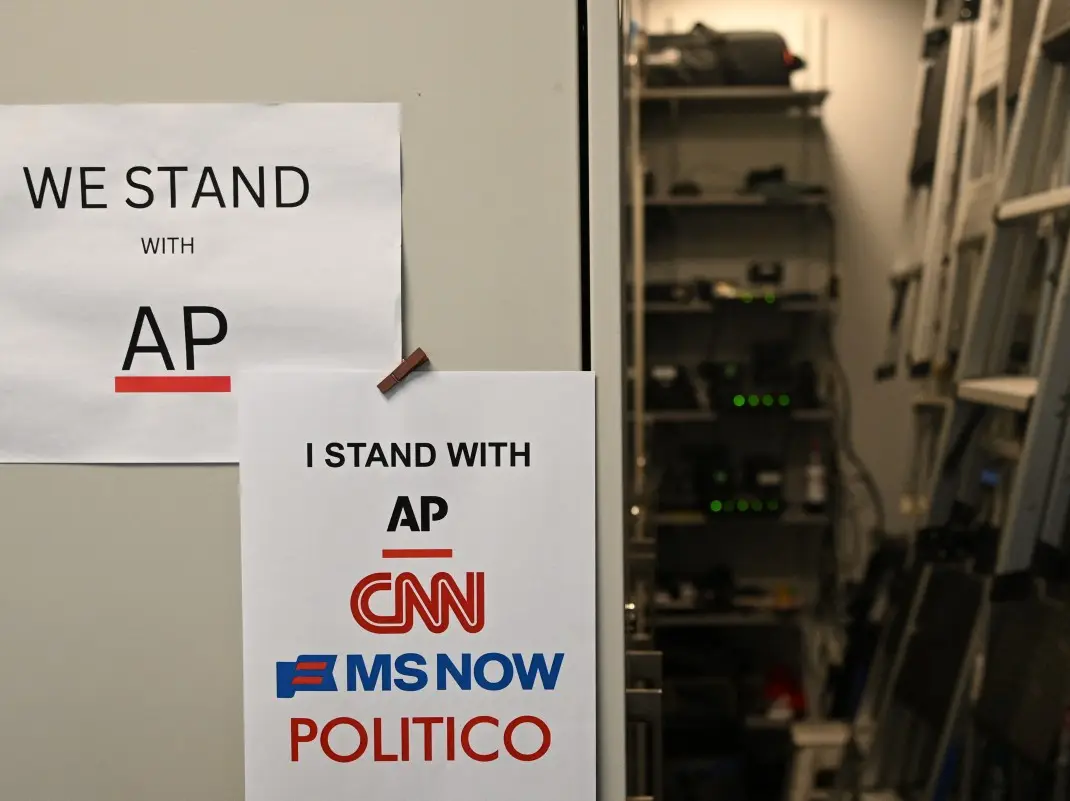)
US judge questions Trump’s decision to ban CNN, MS NOW and Politico from White House
)
Farhan, who went viral for AK47 celebration vs India in Asia Cup, hopes to lead Pakistan beyond Asian Games
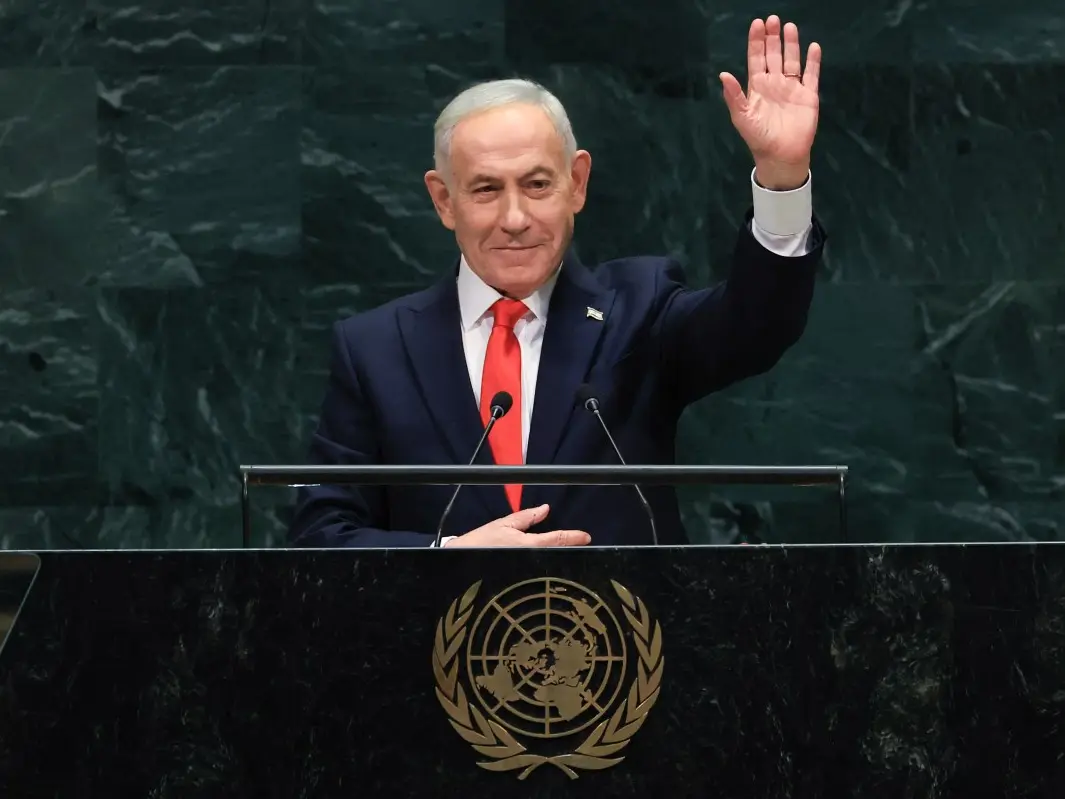)
'We would all be dead': Netanyahu defends decision to strike Iran's nuclear facilities in his UN speech
)
IIT Bombay CCTV footage emerges: Sahil Wakode seen looking at phone in examination hall
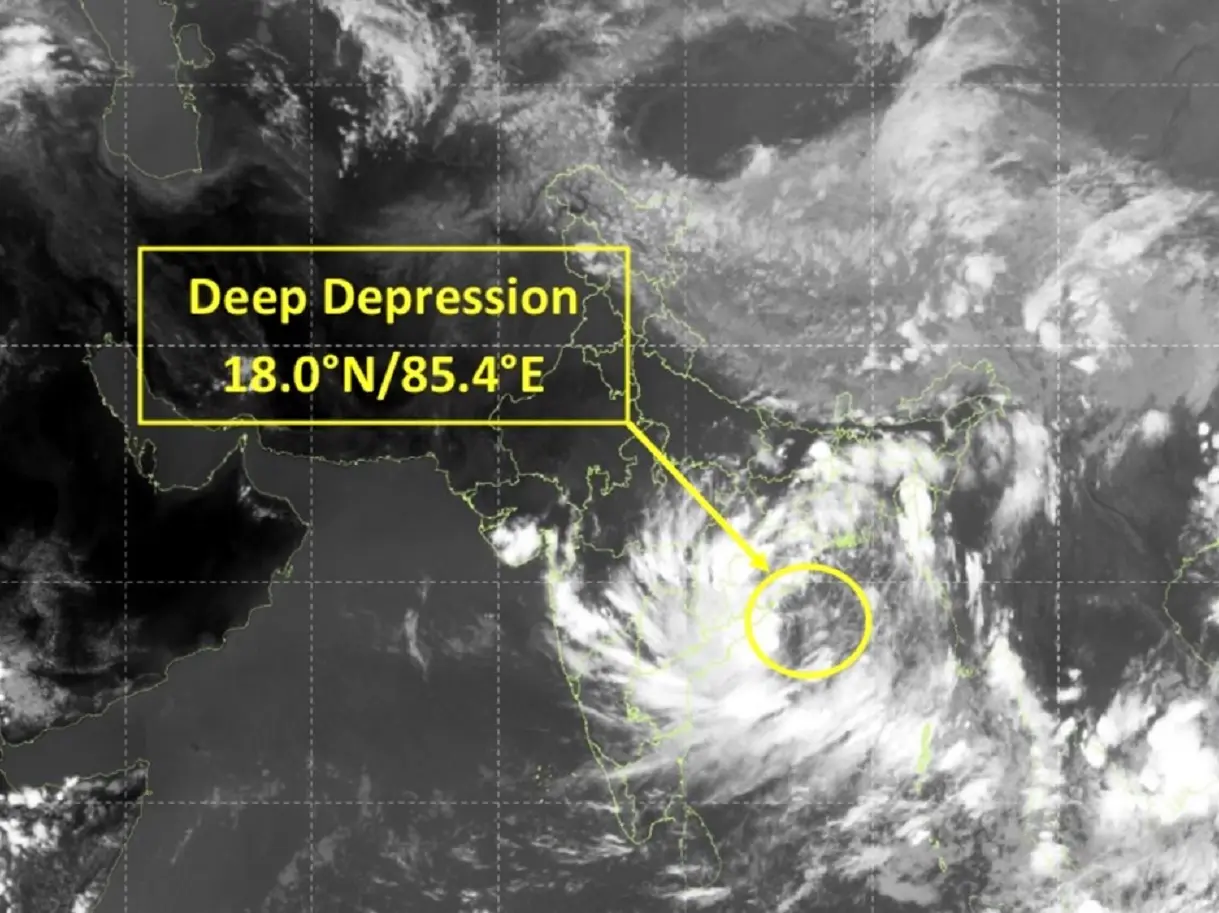)
Cyclone Arnab: Landfall expected before midnight tomorrow as IMD issues orange alerts across six states
)
Welcome actor Mushtaq Khan dies at 56 after battling cancer
)
Trump's welcome to Xi demonstrates 'attraction' to dictators: Chuck Schumer
)
WION Iconic Tourism Summit 2026: Union Minister Shekhawat on 'experiential travel', peace diplomacy
)
Nations League: Germany draw on Klopp debut; Portugal, Norway win
)
Scientists detect first radio signals directly from faraway planet
)
A seven-day roadmap? Iran proposes plan to end war, reopen Strait of Hormuz and resume nuclear talks
)
China to test supersonic jet that moves at Mach 2, double the speed of sound
)
Xi Jinping's 'special plane' vs Trump's Air Force One: What's the difference?
)
UNGA 2026: Israeli PM attacks Britain, France for past colonialism
)
West Indies coach Sammy looking at India series as opportunity to finetune ahead of ODI World Cup 2027 qualifiers
)
‘We’ve never gotten along better’: Trump praises Xi, jokes about White House ballroom at high-stakes state dinner
)
Nearly half of young people trust AI over humans to check facts, major study finds
)
'Partners rather than rivals': Xi Jinping's first message after landing in US for Trump summit
)
Yemen called Trump for US military support in fight against Houthis: Official
)
2,000-foot tube, laser tests and more: China builds towns to expand nuclear arsenal, satellite images show
)
Meet Adrian Abraham: 9-year-old Indian-origin guitar prodigy aiming for a Guinness World Record
)
US faces fresh cost crunch as mortgage rates hit 7%, oil tops $107 and gas prices surge
)
Trump-Xi state dinner 2026: Who is invited? Full guest list of tech CEOs, business leaders and officials
)
Alarming video emerges as landslide damages houses in Sikkim’s Rimbi village. Watch
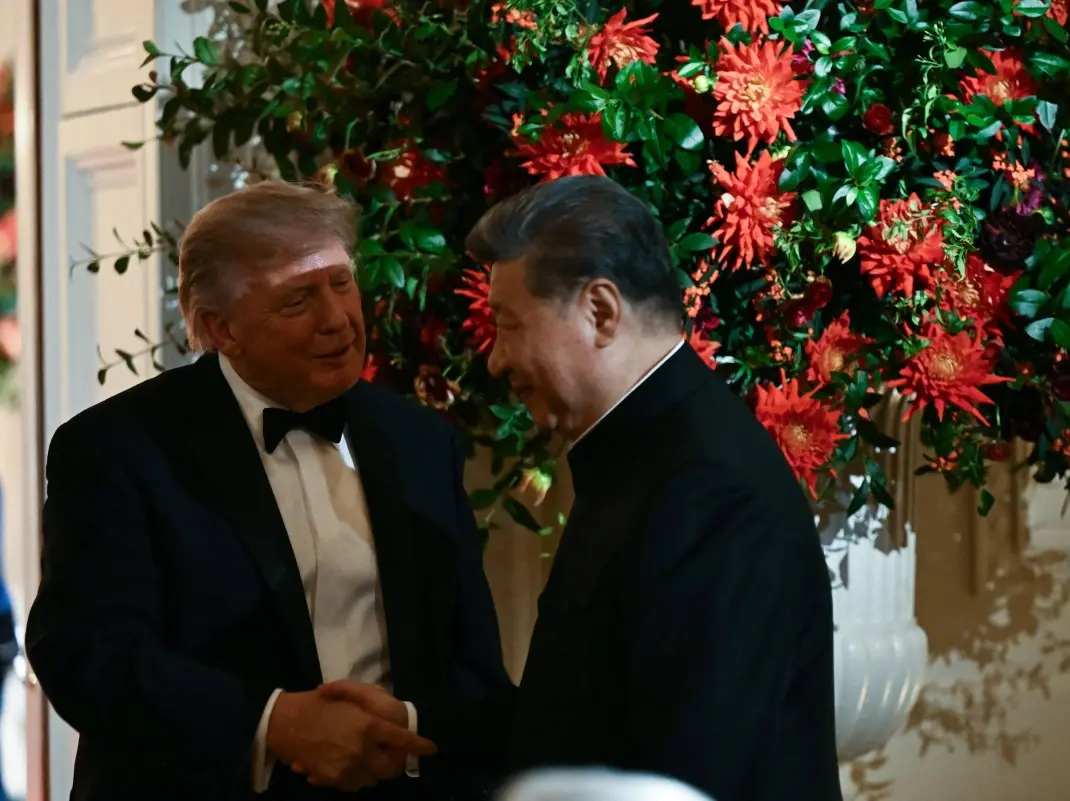)
'Making history': Xi Jinping praises Trump as US-China leaders dine at White House
)
Australian PM Anthony Albanese calls OpenAI AI incident 'unacceptable' after restricted data access
)
'What kind of confession is this?': Pakistan PM Shehbaz Sharif’s 'terrorists would be roaming New York' remark goes viral, raises alarm online. Watch
&im=FitAndFill=(700,400))
Netanyahu at UN: Mass walkout, attack on Mamdani and Iran threats | In Pics
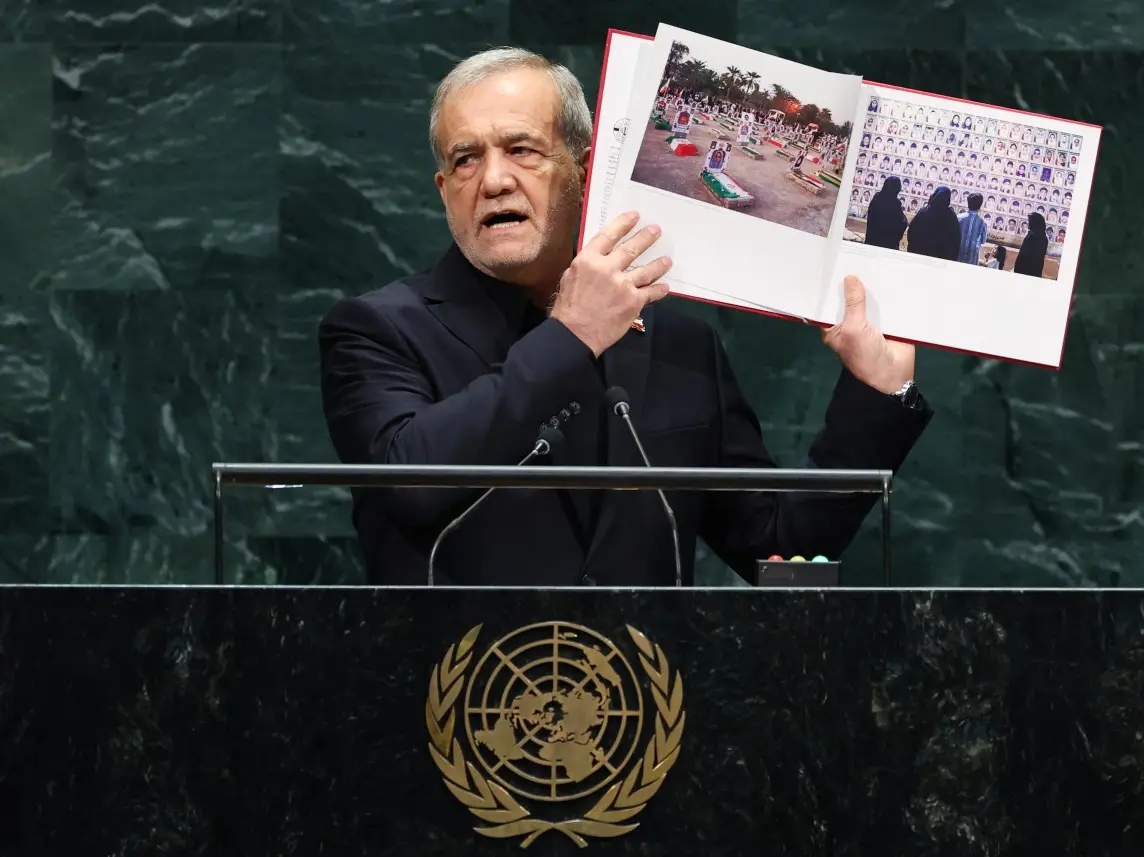)
'We do not wish to continue. It's America that must choose': Iran president Pezeshkian calls on US to end war
)
WION Iconic Tourism Summit: How local tourism MSMEs must upskill for AI integration
)
Bollywood mourns Mushtaq Khan: Sunny Deol, Rajpal Yadav and others pay tribute
)
EC appointment law: Why is the 2023 act controversial, and what happens next? WION explains
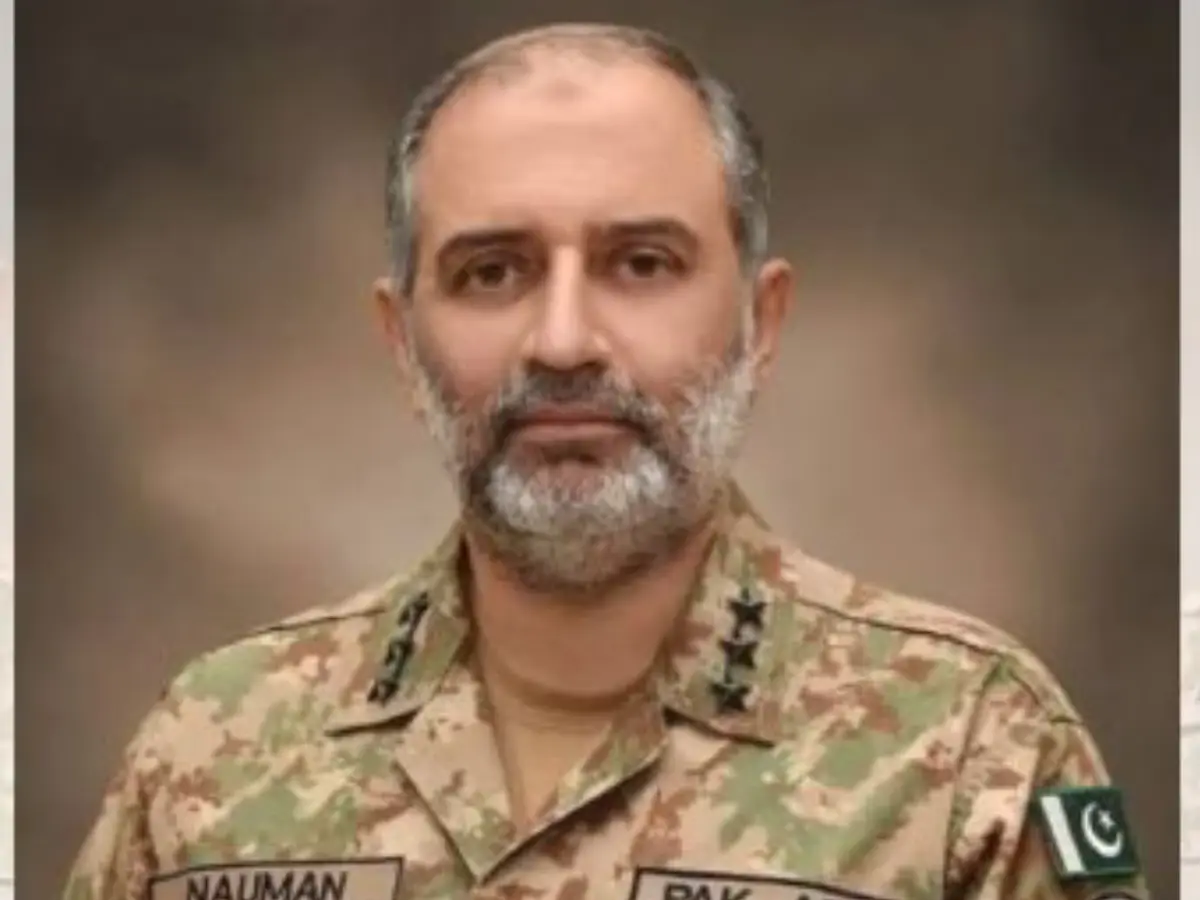)
Who is Lt-Gen Nauman Mahmood, Pakistan's first secretary general of Makkah Defence Alliance?
)
Israeli envoy to US Yechiel Leiter’s son critically injured in West Bank ramming attack
)
'Fund people, not bombs': Hundreds take to New York streets as Netanyahu delivers speech at UN; dozens arrested
While big telecommunications companies with multimillion-dollar satellites continue to seek coverage, other space operators focused on launching huge batches of lesser satellites into low Earth orbit, such as Musk's SpaceX, aren't. To them, the loss of one satellite is nothing.
Executives at Viasat said it is too early to speculate on whether the company will launch a lawsuit. "We can take another couple or three months to obtain accurate measurements and then make those decisions without any consequences," Viasat CEO Mark Dankberg told analysts on August9, as reported by The Seattle Times, following the company's announcement of better-than-expected quarterly earnings.
Investors, on the other hand, are concerned. ViaSat stock dropped 28 percent in a single day, setting a new low after the company announced the ViaSat-3 problem in July. Executives now predict that the satellite problem would slow growth in 2025, although the impact would be restricted to its fixed-broadband service, which accounts for approximately 13 percent of its revenue.
Last month, William Blair's Louie DiPalma informed clients that the company's ViaSat-2 satellite, launched in 2017, also encountered an antenna abnormality, prompting a $188 million claim.
Following the discovery of the Inmarsat-6 issue, Viasat and other industry players "will almost certainly face significant difficulties in obtaining insurance for future satellite launches," DiPalma said in a note Friday.
WATCH WION LIVE HERE