Biden administration relaxes EV mileage rule, providing relief to automakers

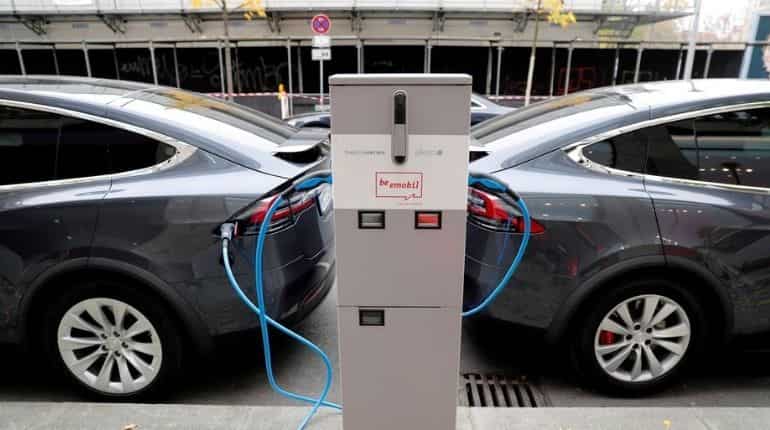
The sales of electric vehicles (EV) and plug-in hybrids have outpaced the diesel cars
In a significant move that marks a victory for Detroit automakers, the Biden administration has announced a relaxation of proposed rules that would have imposed strict requirements on manufacturers regarding the production of electric vehicles (EVs).
The decision, unveiled by the Department of Energy, comes after intense negotiations with automakers, who raised concerns about meeting aggressive targets for EV transition.
Initially proposed regulations aimed to push EV market share to 67 per cent of all new cars sold by 2032, a stark increase from the less than 8 per cent recorded last year.

However, the revised rules offer automakers more flexibility by slowing down the phase-out of existing regulations, which provided additional fuel-economy credits for EV sales.
This adjustment is expected to ease pressure on manufacturers, particularly the Detroit Three – General Motors, Ford, and Stellantis – known for their reliance on gas-guzzling trucks and SUVs.
The Biden administration's retreat on the stringent EV push is perceived as a strategic move, considering the political landscape leading up to the 2024 presidential election.
&imwidth=180&imheight=135&format=webp&quality=medium)
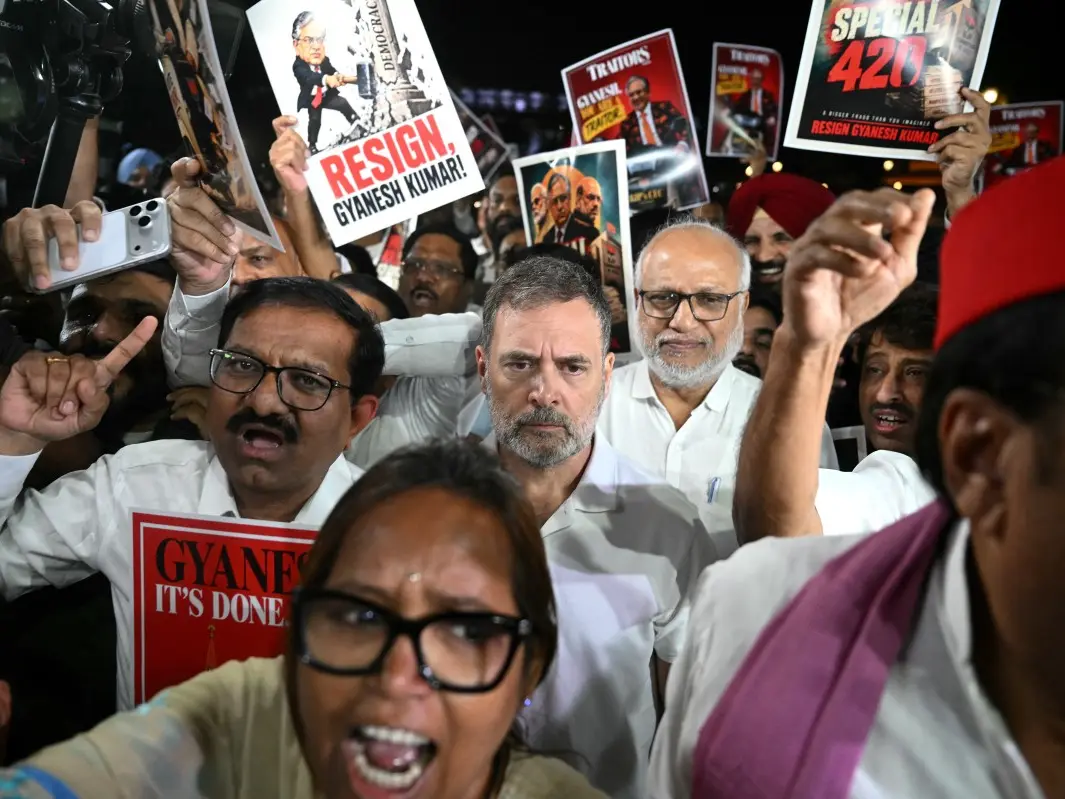
Rahul Gandhi's plea against Election Commission delayed as Supreme Court registry flags 14 ‘defects’
&im=FitAndFill=(700,400)&imwidth=180&imheight=135&format=webp&quality=medium)
Navratri 2026: 9 days, 9 forms of Goddess Durga and 9 colours- Check the complete list
&imwidth=180&imheight=135&format=webp&quality=medium)
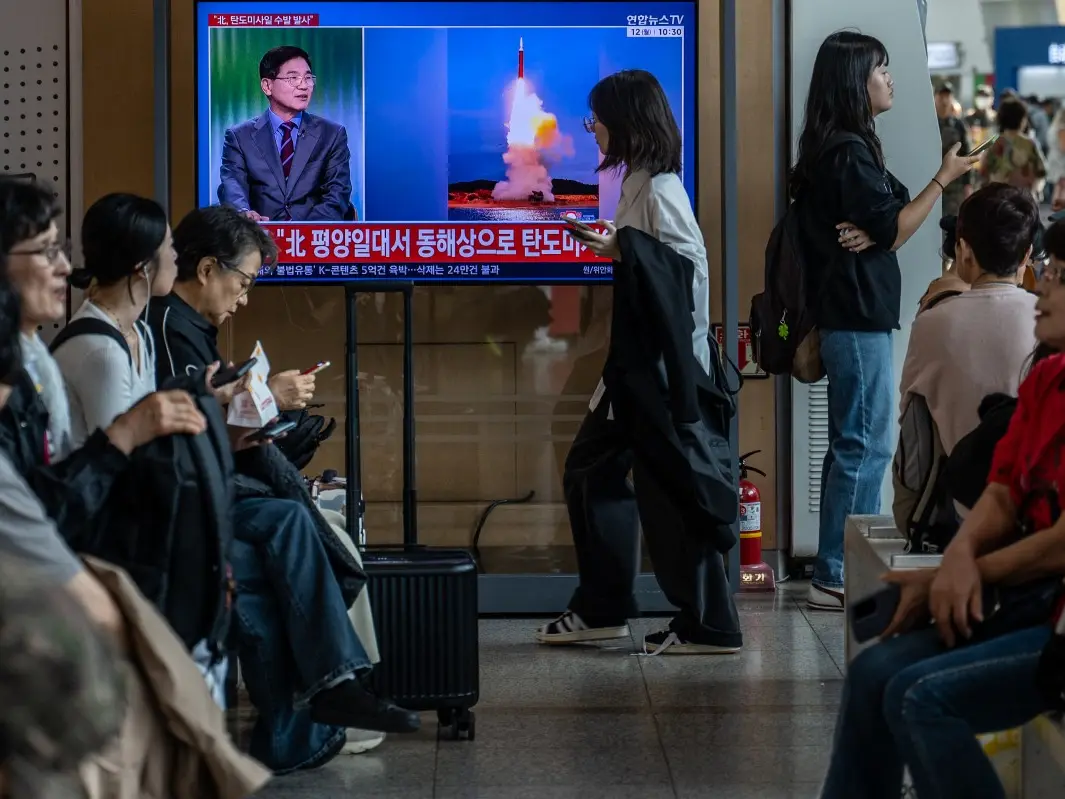
Korean peninsula tensions escalate as North Korea launches multiple ballistic missiles, PACOM says 'no threat to US personnel'
&imwidth=180&imheight=135&format=webp&quality=medium)
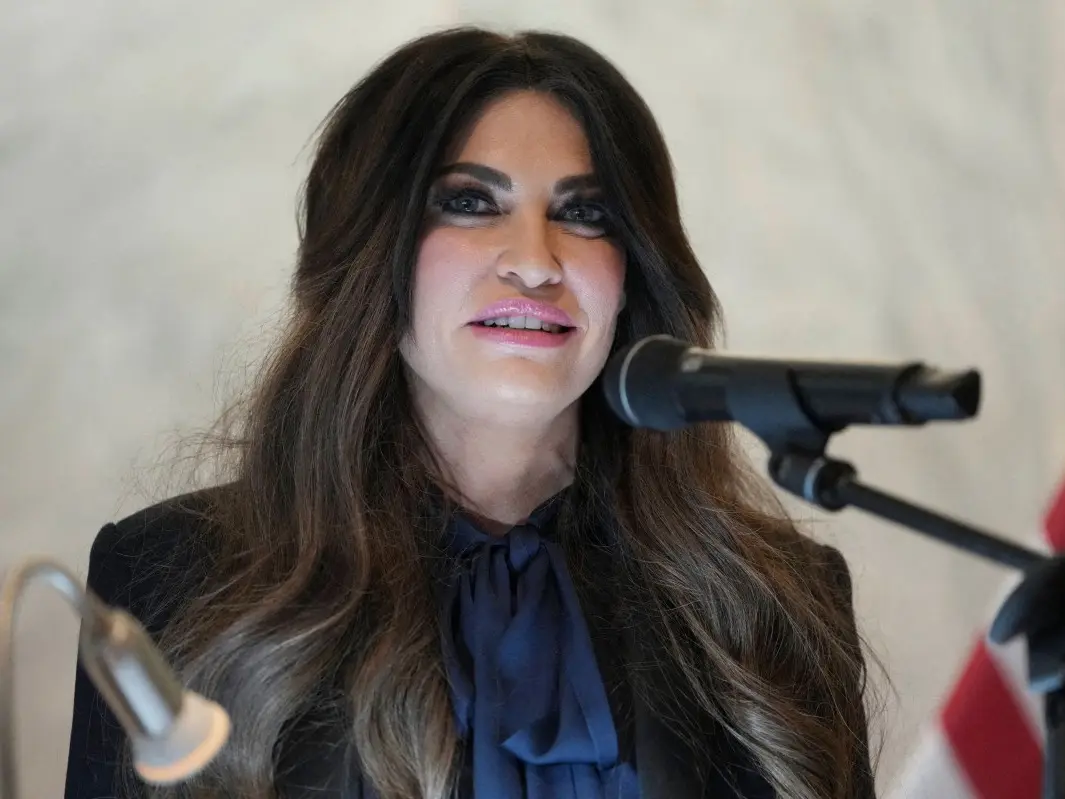
Trump weighs firing Kimberly Guilfoyle as US ambassador to Greece amid misconduct allegations: Report
&imwidth=180&imheight=135&format=webp&quality=medium)
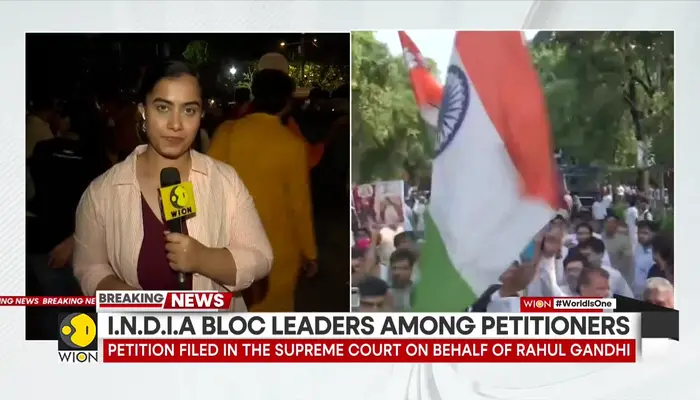
Anti-SIR protest in Mumbai: Protestors wear black masks & ribbons in Mumbai
&imwidth=180&imheight=135&format=webp&quality=medium)
UK PM Andy Birnham renews claims of Russian meddling in Brexit vote
&imwidth=180&imheight=135&format=webp&quality=medium)
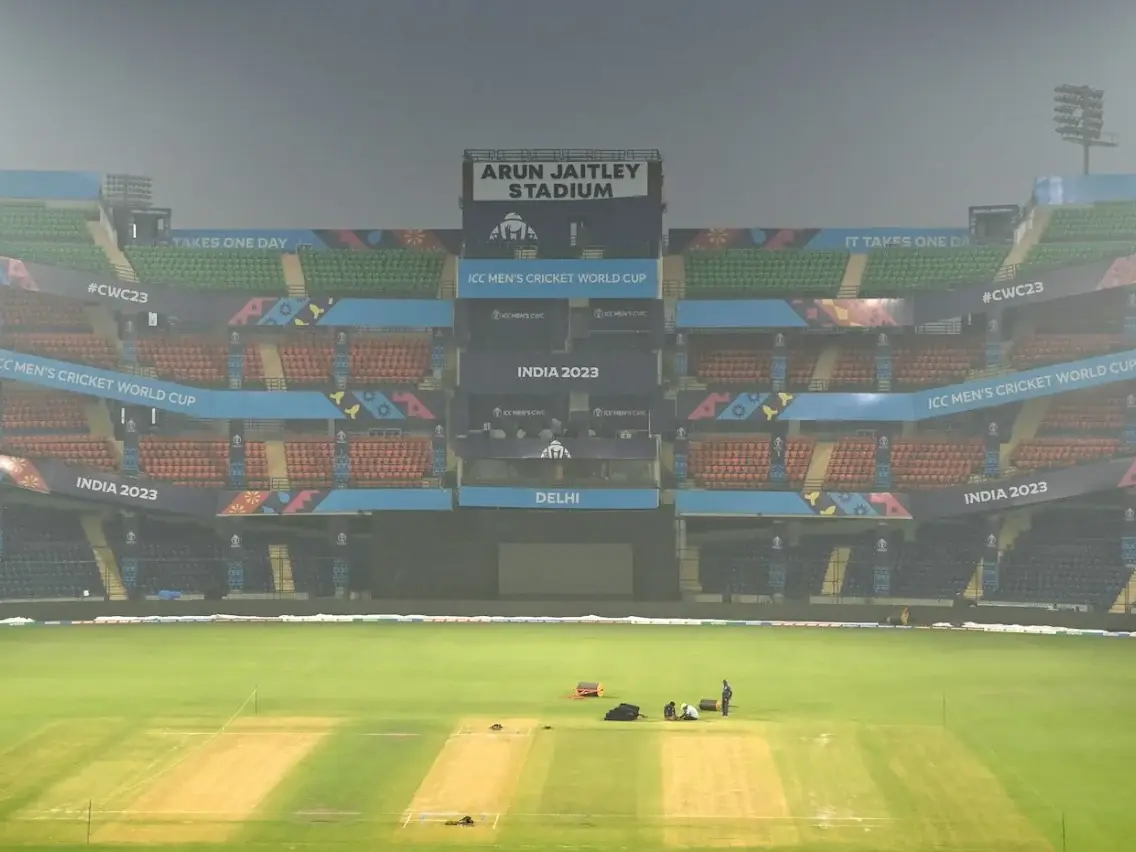
BCCI rejects venue shift reports, India vs Sri Lanka 1st ODI to remain in Delhi
&imwidth=180&imheight=135&format=webp&quality=medium)
'Absolutely disgusting': Australia slams US plan to livestream Nidal Hasan's execution; Mike Johnson raises concerns, warns of terrorist propaganda
&imwidth=180&imheight=135&format=webp&quality=medium)
1,500 drones illuminate Mumbai sky as Cordelia Cruises unveils second ship, Cordelia Sky
&imwidth=180&imheight=135&format=webp&quality=medium)
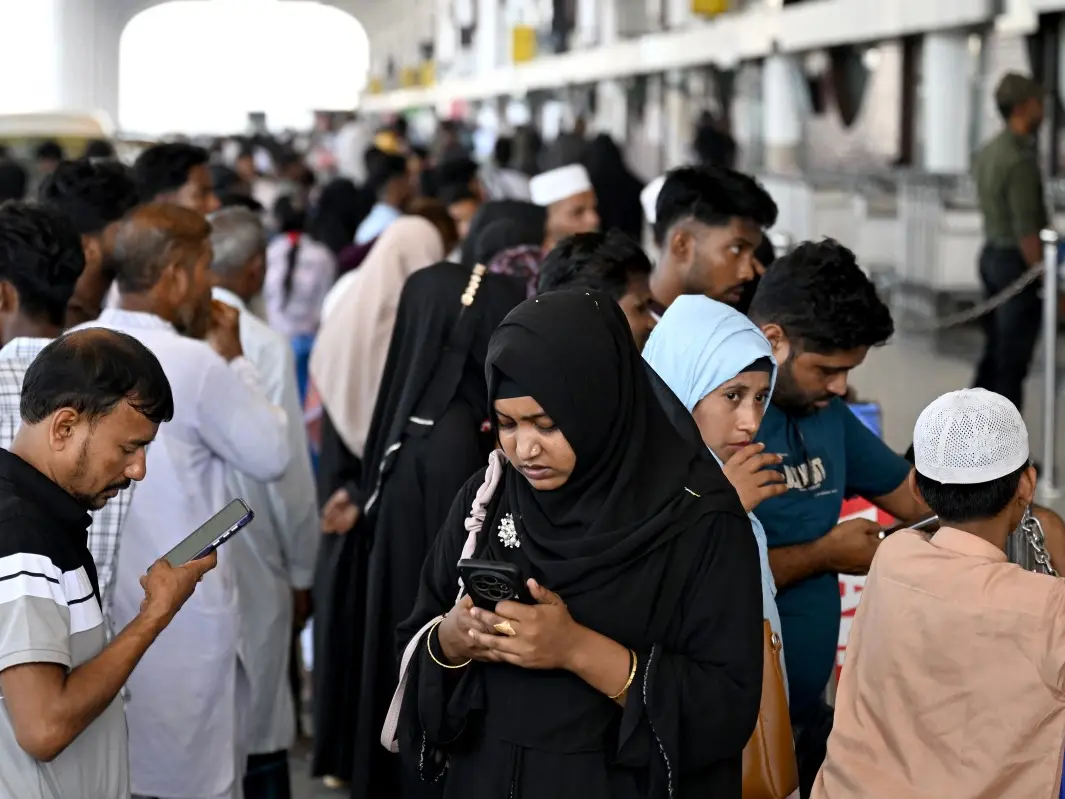
Houthis warns US of 'painful response' if Washington joins Saudi war in Yemen as airlines suspend flights to Saudi Arabia
&imwidth=180&imheight=135&format=webp&quality=medium)
Congress demands action against chief election commissioner
&imwidth=180&imheight=135&format=webp&quality=medium)
'Turn approver, resign, we'll forgive you': Rahul Gandhi claims receiving messages from CEC Gyanesh Kumar
&imwidth=180&imheight=135&format=webp&quality=medium)
'I will not be silenced': Ilhan Omar alleges political intimidation after federal officers search her Washington home
&imwidth=180&imheight=135&format=webp&quality=medium)
Robotic surgery, advanced treatment: What is coming to this small Gujarat town?
&imwidth=180&imheight=135&format=webp&quality=medium)
Pakistan's government blames PTI for rise of terrorism in Khyber Pakhtunkhwa
&imwidth=180&imheight=135&format=webp&quality=medium)
‘This is just the start’: Maaya Rajeshwaran on historic ITF title, confidence boost and future goals
&imwidth=180&imheight=135&format=webp&quality=medium)
I.N.D.I.A. Bloc lists 10 requests to Supreme Court
&im=FitAndFill=(700,400)&imwidth=180&imheight=135&format=webp&quality=medium)
How does a robot decide what to do next?
&imwidth=180&imheight=135&format=webp&quality=medium)
Trump says he 'may' meet North Korean leader Kim Jong Un during upcoming Asia trip
&imwidth=180&imheight=135&format=webp&quality=medium)
'Ouch!!! That must hurt': Kangana Ranaut hails Kamal Haasan's sharp reply to Elon Musk over Starlink row
&imwidth=180&imheight=135&format=webp&quality=medium)
Sidhu Moose Wala’s younger brother wins hearts by recreating late singer’s signature move at Toronto Hologram Show
&imwidth=180&imheight=135&format=webp&quality=medium)
Girl 'dead' for 8 hours wakes up at her own funeral, dad insists she wasn't breathing
&imwidth=180&imheight=135&format=webp&quality=medium)
UK school ditches technology, shifts from screen to pen and paper for learning
&imwidth=180&imheight=135&format=webp&quality=medium)
Opposition’s 10 demands in Supreme Court petition range from stay on SIR to audit of voter rolls
&imwidth=180&imheight=135&format=webp&quality=medium)
'I am thoroughly unamused': Judge slams Trump administration after 400 trees cut at Washington golf course
&im=FitAndFill=(700,400)&imwidth=180&imheight=135&format=webp&quality=medium)
New OTT releases this week (October 12-18, 2026): Sacrifice, Koffee with Karan S9, Roadies Rebirth- 6 titles coming on Netflix, JioHotstar and more
&imwidth=180&imheight=135&format=webp&quality=medium)
Delhi protest: CJI Surya Kant declines to meet India Bloc leaders
&imwidth=180&imheight=135&format=webp&quality=medium)
China’s gold rush puts billion in focus
&imwidth=180&imheight=135&format=webp&quality=medium)
India's Ajit Doval, Iran's Mohsen Rezaei hold talks amid escalating West Asia tensions, discuss 'issues of mutual interest'
&imwidth=180&imheight=135&format=webp&quality=medium)
'Almost certainly': UK Prime Minister Andy Burnham says Iran's IRGC behind RAF Fairford threat
&imwidth=180&imheight=135&format=webp&quality=medium)
Elon Musk pumps $276 million into Republican campaigns ahead of US midterm elections
&imwidth=180&imheight=135&format=webp&quality=medium)
'Never met' him: Melbourne Imam denies links to Flydubai co-pilot Hamam al-Hammami
With Michigan serving as a crucial battleground state and the heart of the US auto industry, President Biden aims to address concerns raised by opponents, including former President Donald Trump, who criticised policies that could jeopardise auto jobs and potentially benefit China's EV industry.
Under the original proposal, automakers faced substantial fines for not meeting fuel-economy requirements, with estimates suggesting potential fines totalling $10.5 billion through 2032.
General Motors would have encountered fines of $6.5 billion, followed by Stellantis with $3 billion, and Ford with $1 billion over the same period.
The announcement of revised rules has been met with relief by industry stakeholders, including the Alliance for Automotive Innovation, which expressed concerns that the earlier proposal could disincentivize EV production.
While environmentalists have criticised the previous rules for assigning overly generous fuel-economy values to EVs, the latest adjustments aim to provide a more realistic assessment.
For instance, the original proposal would have significantly reduced the "petroleum-equivalent fuel economy" ratings for EVs, which are crucial for offsetting the values of traditional gas-powered vehicles.
The gradual reduction of equivalency ratings through 2030 offers automakers additional time to adapt to evolving regulations.
The revised federal rules, which govern all automakers selling vehicles in the US, aim to strike a balance between promoting EV adoption and supporting the continued sale of combustion vehicles, including hybrids.
Automakers such as Ford, Toyota, Stellantis, Honda, and Hyundai have reported increased sales of hybrid and plug-in hybrid vehicles in recent months, indicating a growing market for electrified vehicles.
However, not all stakeholders are pleased with the softened regulations.
Climate action groups and electric vehicle manufacturer Tesla have urged the administration to uphold stricter rules, emphasising the importance of accelerating the transition to cleaner transportation.
While the revised rules may provide temporary relief to automakers, advocates argue that stringent measures are necessary to drive meaningful improvements in overall fleet efficiency and reduce emissions.
In response to the Energy Department's decision, Reuters cited Pete Huffman, a senior attorney at the National Resources Defense Council (NRDC), who acknowledged the importance of eventually ending higher EV ratings.
Huffman stated that the changes will curtail automakers' reliance on "phantom credits" and incentivise the production of more fuel-efficient vehicles, thereby contributing to environmental goals.
(With inputs from Reuters)