Bank of Israel maintains interest rates amidst Gaza conflict, prioritises financial stability

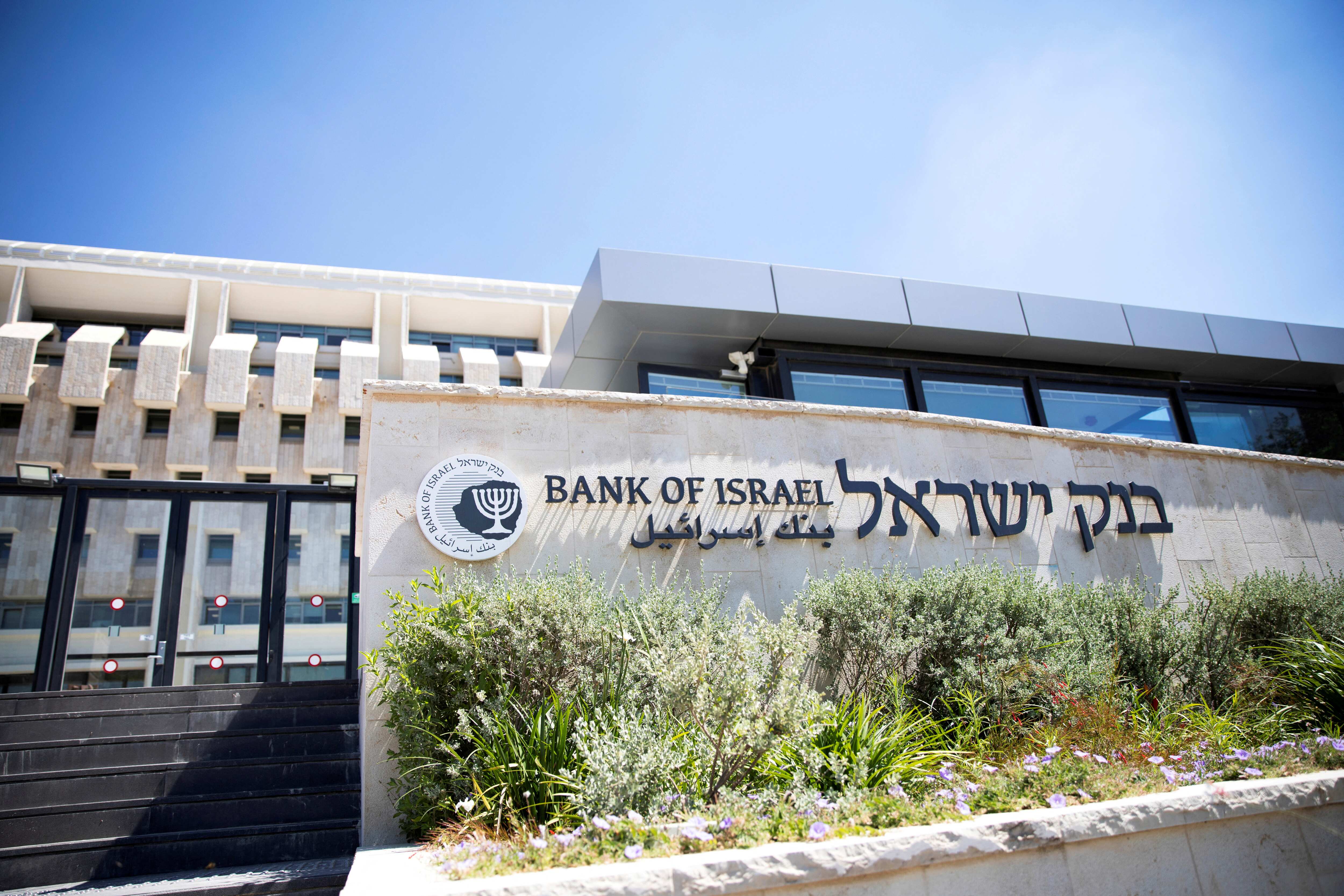
The Bank of Israel building is seen in Jerusalem.
The Bank of Israel Governor, Amir Yaron, provided insights on the economic impact of the recent conflict with Hamas. Despite acknowledging that Israel's economy would face challenges due to the war, he expressed confidence in a swift recovery. The central bank, in its third consecutive decision, chose to leave the benchmark interest rate at 4.75per cent.
According to Reuters, Yaron mentioned, "I'm pretty skeptical that at the moment lowering the interest rate would make demand jump" during a news conference.
The central bank's previous strategy involved raising interest rates for ten consecutive times, aiming to combat inflation. This strategy, which started in April when rates were at 0.1per cent, paused in July and August. Yaron highlighted concerns regarding further weakening the shekel, which was already at an eight and a half year low against the dollar. He expressed that steep rate cuts could exacerbate the situation and lead to increased inflation.

The inflation rate had eased to 3.8 per cent in September, down from 4.1 per cent in August, but still above the annual target range of 1 per cent to 3 per cent. Bank of Israel's economists projected that inflation would decrease to 2.9 per cent in the coming year and settle at 2.5 per cent by the end of 2024. Yaron emphasised the need to stabilise the financial system to avoid repercussions on the real economy.
Rather than resorting to rate cuts, the Bank of Israel is taking alternative measures that act as monetary easing. These measures include collaborating with banks to allow those affected by the conflict to defer or freeze loan repayments. As per the Reuters, Yaron emphasised that addressing interest rates would come after the economy's recovery post-war, stating, "For now, uncertainty is very high."
Growth estimate and economic impact
)
The Early Spring is proof not everyone can talk about their real feelings, and it is perfectly OK
)
UN votes to ‘correct the map’ as India backs fairer world view
)
Nigerian Navy discovers 99,000 litres of suspected stolen, illegally refined products as it intensifies anti-crude oil theft operations
)
Who is Aditi Paudel? 17-year-old becomes Japan's first literacy ambassador
)
Bengaluru: Officials find 40 kg expired chilli at chairman's club
)
Jaishankar rejects trade link to ending Ukraine war
)
Israeli strikes on Lebanon kill three, injure 23 despite truce
)
Alpine glacier was covered with sheep wool sheets to prevent melting. It worked
)
South Korea mulls deploying military assets to Strait of Hormuz
)
World's fifth-largest economy, British army can't afford to train
)
Breaking | Vance takes the podium: First White House briefing since Leavitt's exit
)
Taiwan raises 'concerns' over China's missile test
)
BRICS 2026: $1 trillion sovereign capital set to converge in Delhi for first iBRICS Summit
)
What is Iran's Pickaxe Mountain that Trump has again threatened to bomb?
)
UN votes to correct world map that visually shrank Africa for 450 years
)
Former NewJeans member Danielle launches YouTube channel, hints at new solo journey
)
Bangladesh batter Towhid Hridoy creates history with 350 not out in South Africa
)
Brendan Fraser’s transformation fuels The Mummy 4 excitement as fans welcome back Rick O’Connell
&im=FitAndFill=(700,400))
Krishna Janmashtami 2026: From Dhaniya Panjiri to Makhana Kheer- 5 best sweet dishes perfect for celebrating Lord Krishna’s birth
)
Donald Trump plans to travel to Ireland on Qatari-donated jet amid security concerns
)
Nazi-looted art to return to Jewish heirs
)
Eight killed in Kerala’s Thrissur after car rams into lorry parked on highway
&im=FitAndFill=(700,400))
Why Russian fighter jets use bulky, low-pressure tyres compared to US jets
)
FBI-wanted fraud accused arrested in Jalandhar over $600,000 scam
&im=FitAndFill=(700,400))
Why US tanks weigh over 20 tons more than Russian tanks
&im=FitAndFill=(700,400))
New Friday OTT releases (September 4, 2026): GDN, Dhamaal 4, Jagamae Sangeetham- Watch 6 new movies and TV shows on Netflix, Prime Video and more
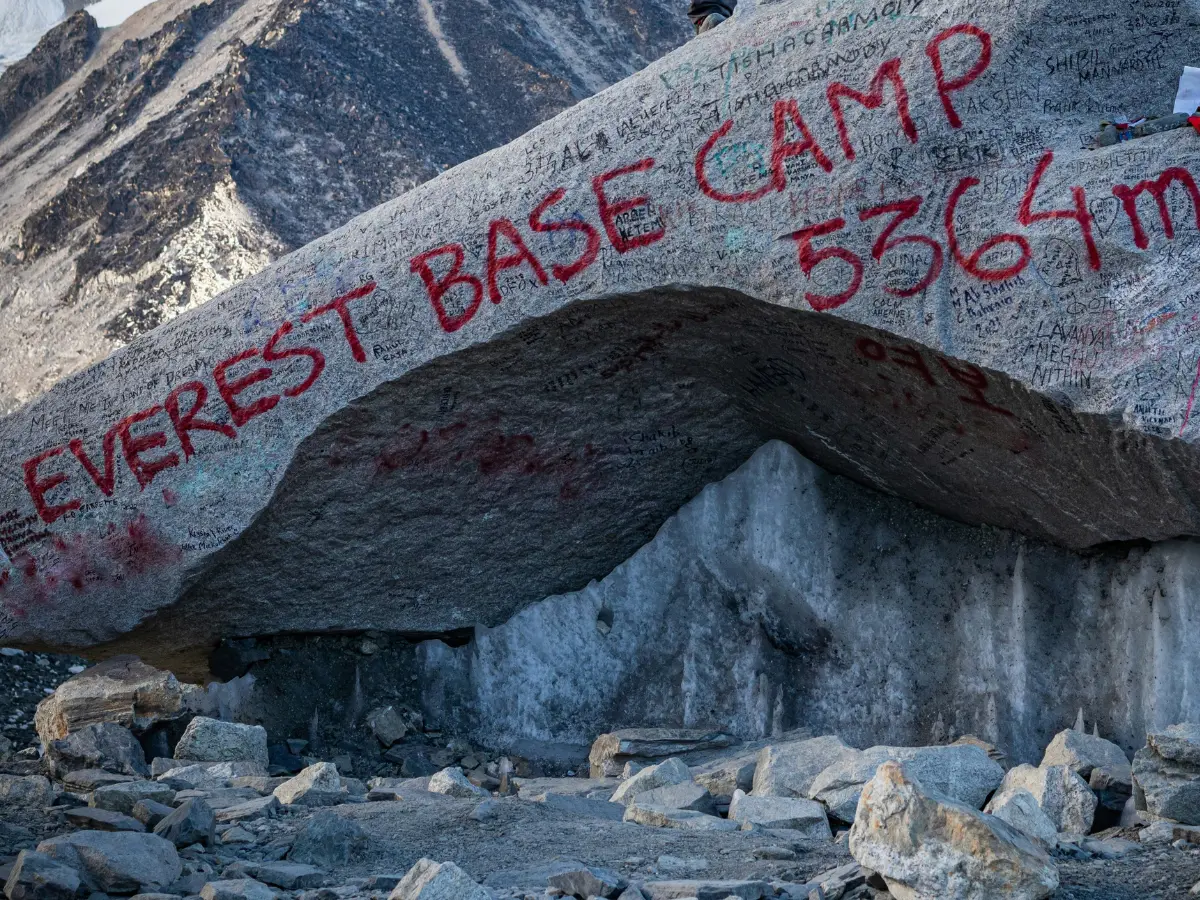)
Killing the Himalayas slowly: Human urine is melting a glacier on Mount Everest
The ongoing conflict, which began on October 7th with Hamas's attack on Israeli towns, has led the Bank of Israel to revise its growth estimates. The growth forecast for 2023 has been adjusted to 2.3 per cent, down from the previous estimate of 3.0 per cent, and 2.8 per cent for the following year, down from 3.0 per cent. These forecasts are based on the assumption that the conflict will remain concentrated in the south, specifically on the Gaza border, in the fourth quarter. Yaron stressed that the duration and expansion of the war into other regions, such as the Lebanese border or other areas, could significantly alter these estimates.
Yaron remained optimistic about Israel's ability to recover and return to prosperity. Reuters quoted him as saying, "We have known how to recover from difficult periods in the past and to return rapidly to prosperity. I have no doubt that it will do so this time as well."
Currency measures and fiscal restraint
The Bank of Israel is also taking steps to contain the shekel by selling $30 billion of foreign currency. With no expected change in interest rates, the shekel remained stable against the dollar at a rate of 4.06, its weakest since March 2015. Since the beginning of the war, the shekel has depreciated by 5 per cent, marking a total decline of 15.5 per cent in 2023.
While government officials have indicated their commitment to spend on the war and compensate those affected, Yaron cautioned about the importance of fiscal restraint. The central bank's projections indicate an increase in the debt-to-GDP ratio from 60.5 per cent in 2022 to 62 per cent in 2023 and 65 per cent in 2024. Yaron urged responsible fiscal policies and expense reductions in areas deemed less critical.
Credit Rating Concerns
In addition to economic challenges, Israel faces credit rating concerns. Fitch recently placed Israel's credit ratings on credit watch negative, while Moody's initiated a review for a possible downgrade.
(With inputs from Reuters)
WATCH WION LIVE HERE