

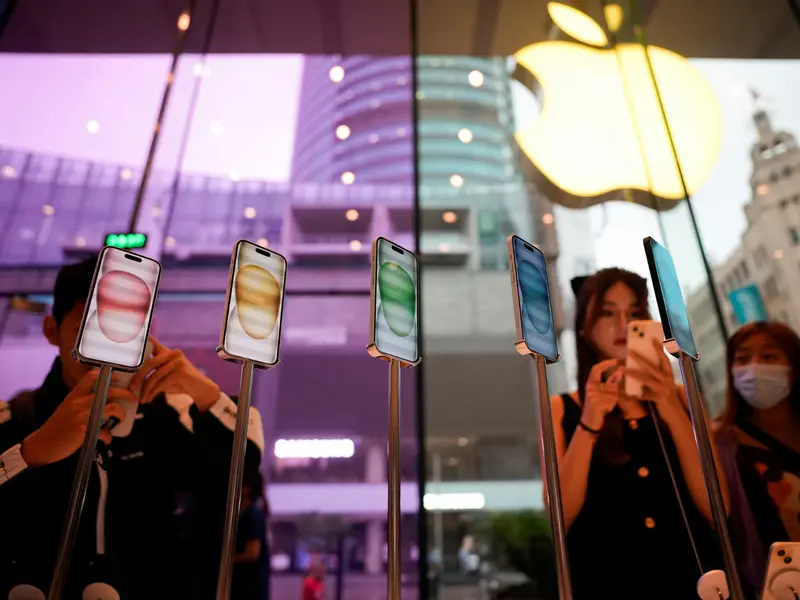
Apple’s push to integrate artificial intelligence into iPhones in China is reportedly facing resistance from the Trump administration and US lawmakers. The tech giant’s partnership with Chinese firm Alibaba has triggered national security concerns, reigniting fears over data privacy, censorship, and China’s military edge.
What’s the deal about?
Apple is quietly pursuing a partnership with Alibaba to bring the Chinese company’s AI capabilities to iPhones sold in China. According to The New York Times, Alibaba Chairman Joe Tsai publicly confirmed the deal in February, although Apple has not made any formal announcement.
With Chinese brands like Huawei and Xiaomi rapidly introducing AI-driven features, Apple views this collaboration as essential for staying competitive in a market that reportedly contributes nearly 20 per cent of its global revenue.
However, as per The New York Times, this move has drawn sharp scrutiny in Washington. White House officials and the House Select Committee on China have questioned Apple executives about what user data might be shared with Alibaba, and whether the company is entering into binding agreements with Chinese regulators.
Why is the US concerned?
Trending Stories
&imwidth=180&imheight=135&format=webp&quality=medium)
Asian Games 2026: India face Afghanistan in quarterfinal on Sep 28; Pakistan clash with Hong Kong
&imwidth=180&imheight=135&format=webp&quality=medium)
Myanmar training camp case: US national, 6 Ukrainians allowed to meet their families abroad
&imwidth=180&imheight=135&format=webp&quality=medium)
Bigg Boss 20: Salman Khan schools Rhiti Tiwari over Qazi Touqeer clash, compares her to Dolly Bindra
&imwidth=180&imheight=135&format=webp&quality=medium)
Mushtaq Khan dies at 56: When Welcome actor opened up about his salary for iconic role Ballu
&imwidth=180&imheight=135&format=webp&quality=medium)
LPU students go on rampage, vandalise campus amid widespread protest: What's happening
&imwidth=180&imheight=135&format=webp&quality=medium)
'FIRST LOOK from inside Noah’s Ark': Researchers share video from inside mysterious mound in Turkey
&imwidth=180&imheight=135&format=webp&quality=medium)
‘Attack on Mecca a red line for Pakistan’: Shehbaz Sharif warns Houthis at UN
&imwidth=180&imheight=135&format=webp&quality=medium)
Pakistan deploys over 20,000 security personnel as PTI vows march for Imran Khan's release
&imwidth=180&imheight=135&format=webp&quality=medium)
OpenAI AI Agents hacked 4 websites before Hugging Face, researchers reveal
&imwidth=180&imheight=135&format=webp&quality=medium)
'A terrorist country is asking me that question?': Jaishankar hits back at Pakistani journalist at UN; flags attacks on commercial shipping
&imwidth=180&imheight=135&format=webp&quality=medium)
Trump-Xi summit wrap: Big pageantry, Iran talks, few major developments and more meetings planned
&imwidth=180&imheight=135&format=webp&quality=medium)
Did Hitler kill his niece Geli Raubal? Newly found records reopen a 95-year-old mystery
&imwidth=180&imheight=135&format=webp&quality=medium)
Hawaii braces for Hurricane Nolo: NOAA warns of flash flooding and mudslides
&imwidth=180&imheight=135&format=webp&quality=medium)
'What kind of confession is this?': Pakistan PM Shehbaz Sharif’s 'terrorists would be roaming New York' remark goes viral, raises alarm online. Watch
&imwidth=180&imheight=135&format=webp&quality=medium)
US-Iran war: Trump rejects Iran's Hormuz proposal, reports suggest talks expected next week
&imwidth=180&imheight=135&format=webp&quality=medium)
Bollywood x K-pop crossover! LE SSERAFIM’s Kazuha charms fans with Shah Rukh Khan’s ‘Chammak Challo’ steps
&imwidth=180&imheight=135&format=webp&quality=medium)
Gaza's war turned environmental damage into second crisis
&imwidth=180&imheight=135&format=webp&quality=medium)
‘Serial practitioner of terrorism’: Jaishankar calls out Pakistan’s ‘state-sponsored’ terror at UNGA
&imwidth=180&imheight=135&format=webp&quality=medium)
‘It is all possible’: Putin weighs next steps on Ukraine talks, rules out Europe conflict
&imwidth=180&imheight=135&format=webp&quality=medium)
Prince Harry offers rare glimpse into Archie and Lilibet’s life after UK move
&imwidth=180&imheight=135&format=webp&quality=medium)
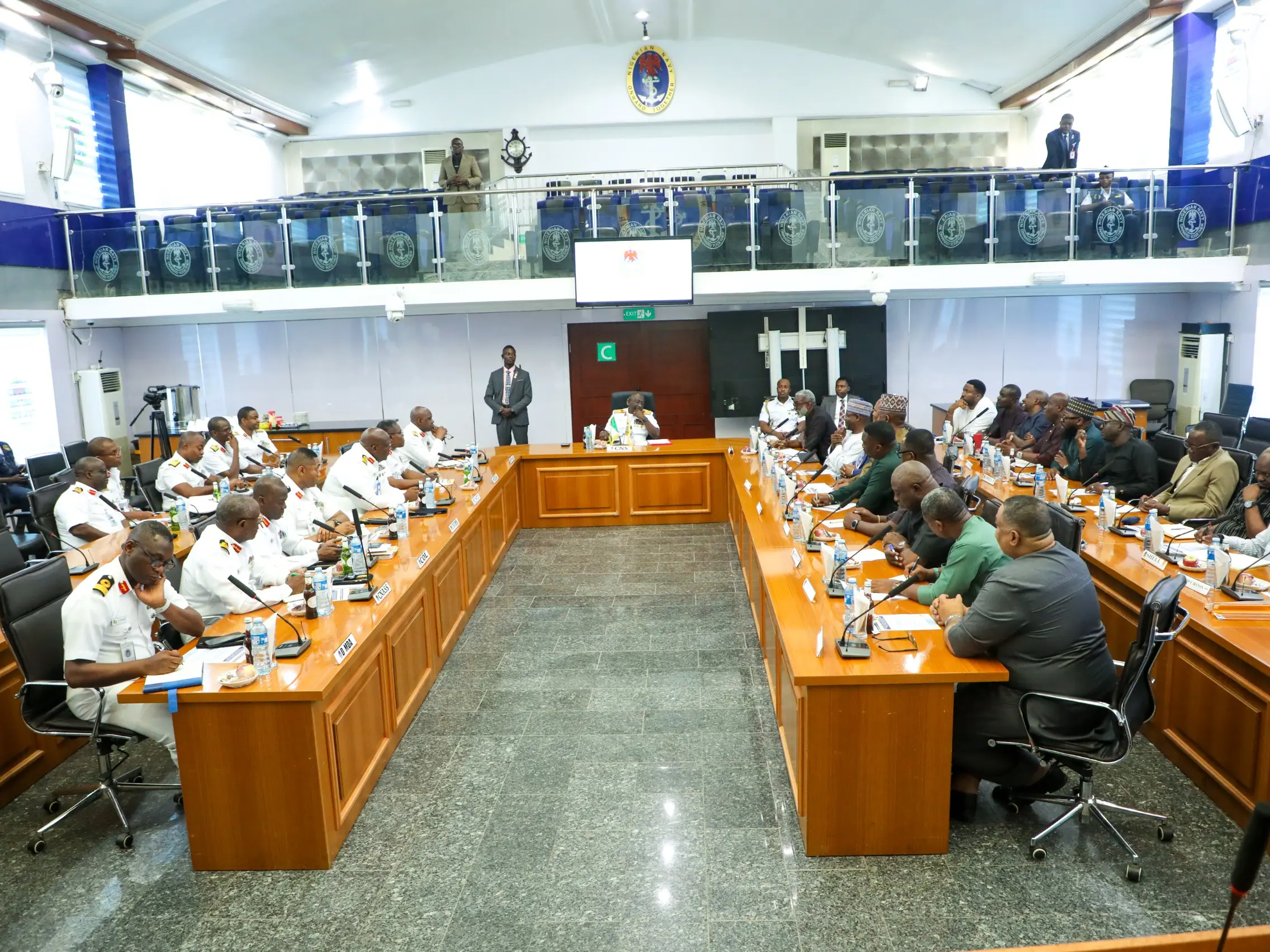
Nigeria Navy moves to boost oil security, tackle crude theft and infrastructure threats
&imwidth=180&imheight=135&format=webp&quality=medium)
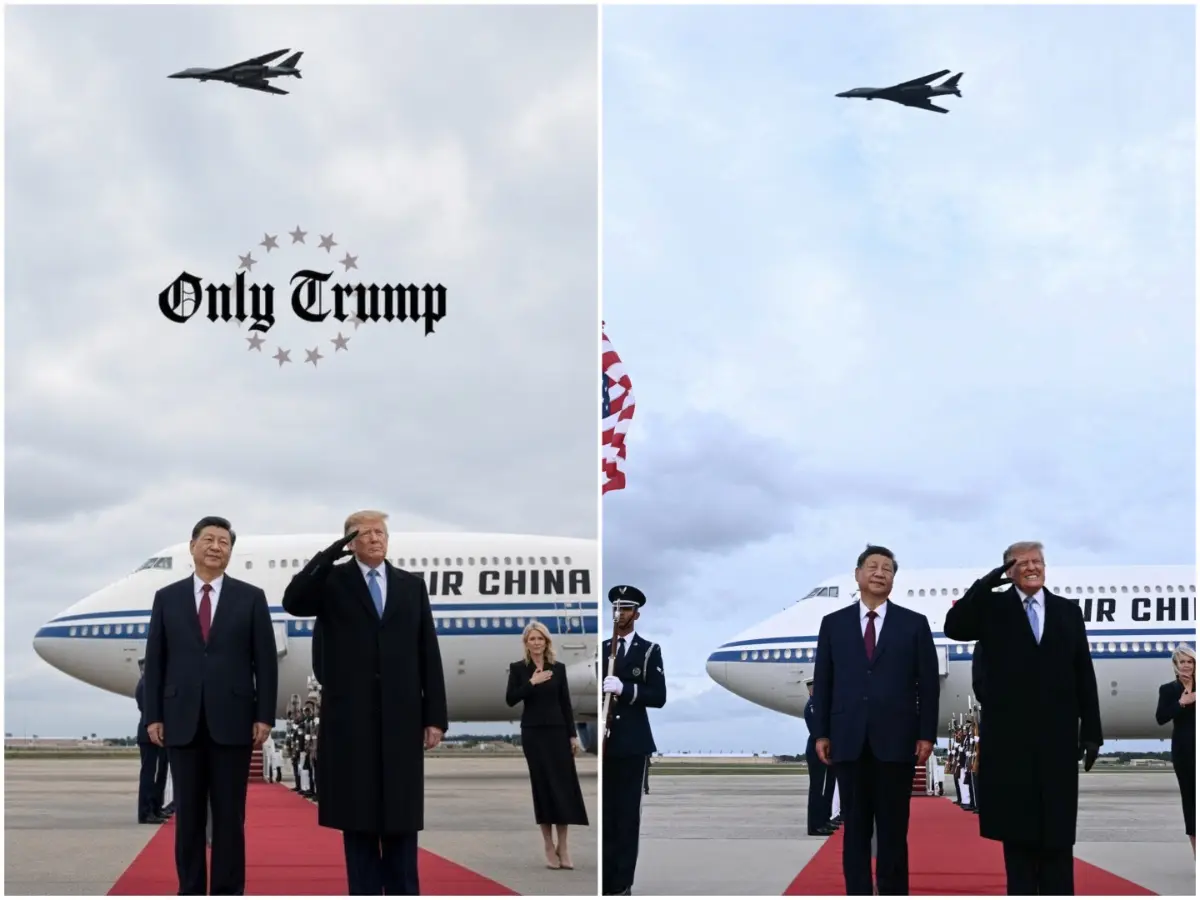
Donald Trump shares image of Xi's arrival in Washington, carries signs of AI
&imwidth=180&imheight=135&format=webp&quality=medium)
Pentagon quietly adds 37 wounded troops to Iran war tally without explaining when or how
&imwidth=180&imheight=135&format=webp&quality=medium)
US court backs Pentagon's decision to exclude Anthropic over Claude AI restrictions
&imwidth=180&imheight=135&format=webp&quality=medium)
US Supreme Court backs Trump administration's use of SAVE database to check voter citizenship
&imwidth=180&imheight=135&format=webp&quality=medium)
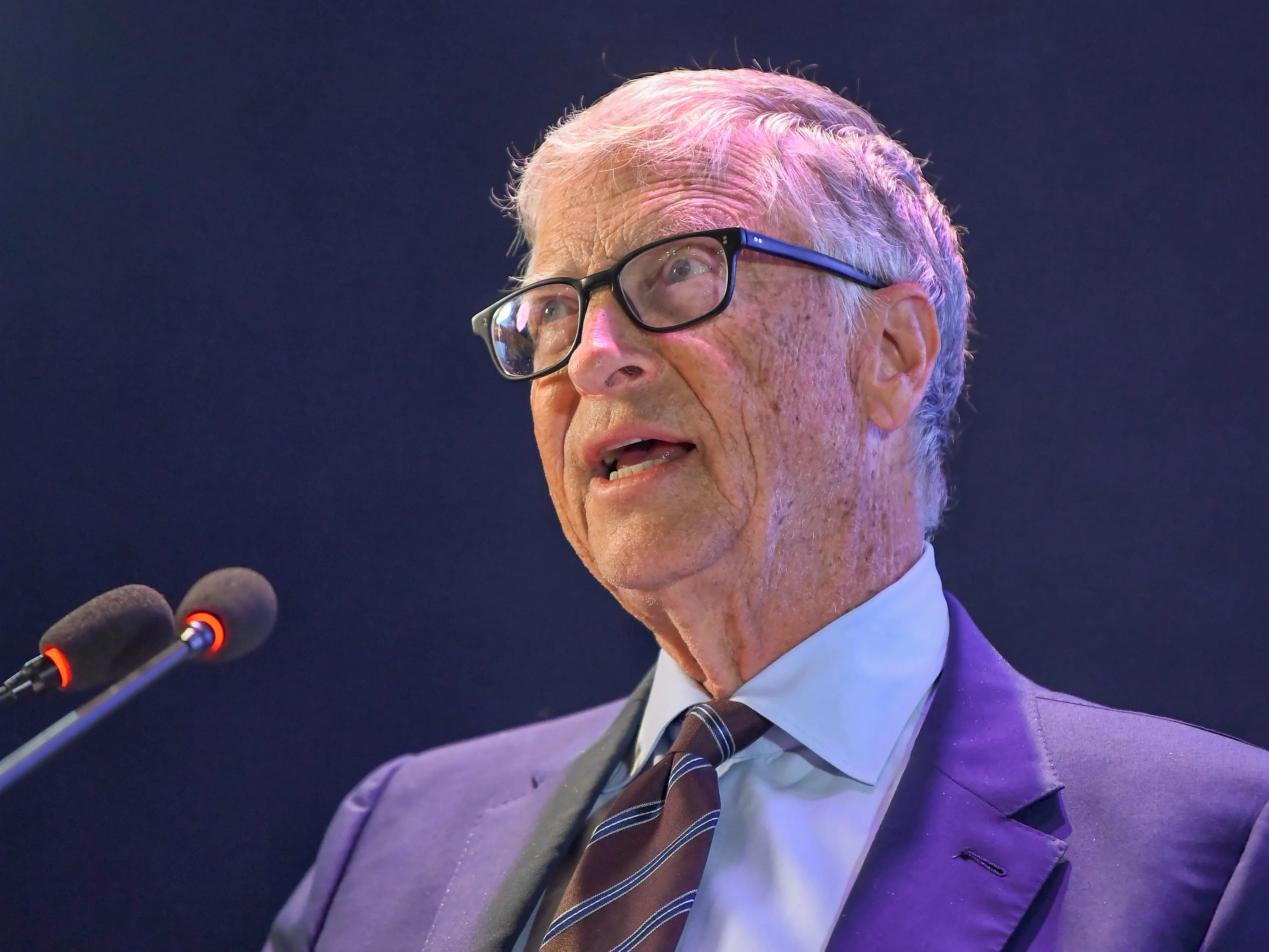
‘Could kill billions...’: Bill Gates backs calls to slow AI development amid fears of catastrophe
&imwidth=180&imheight=135&format=webp&quality=medium)
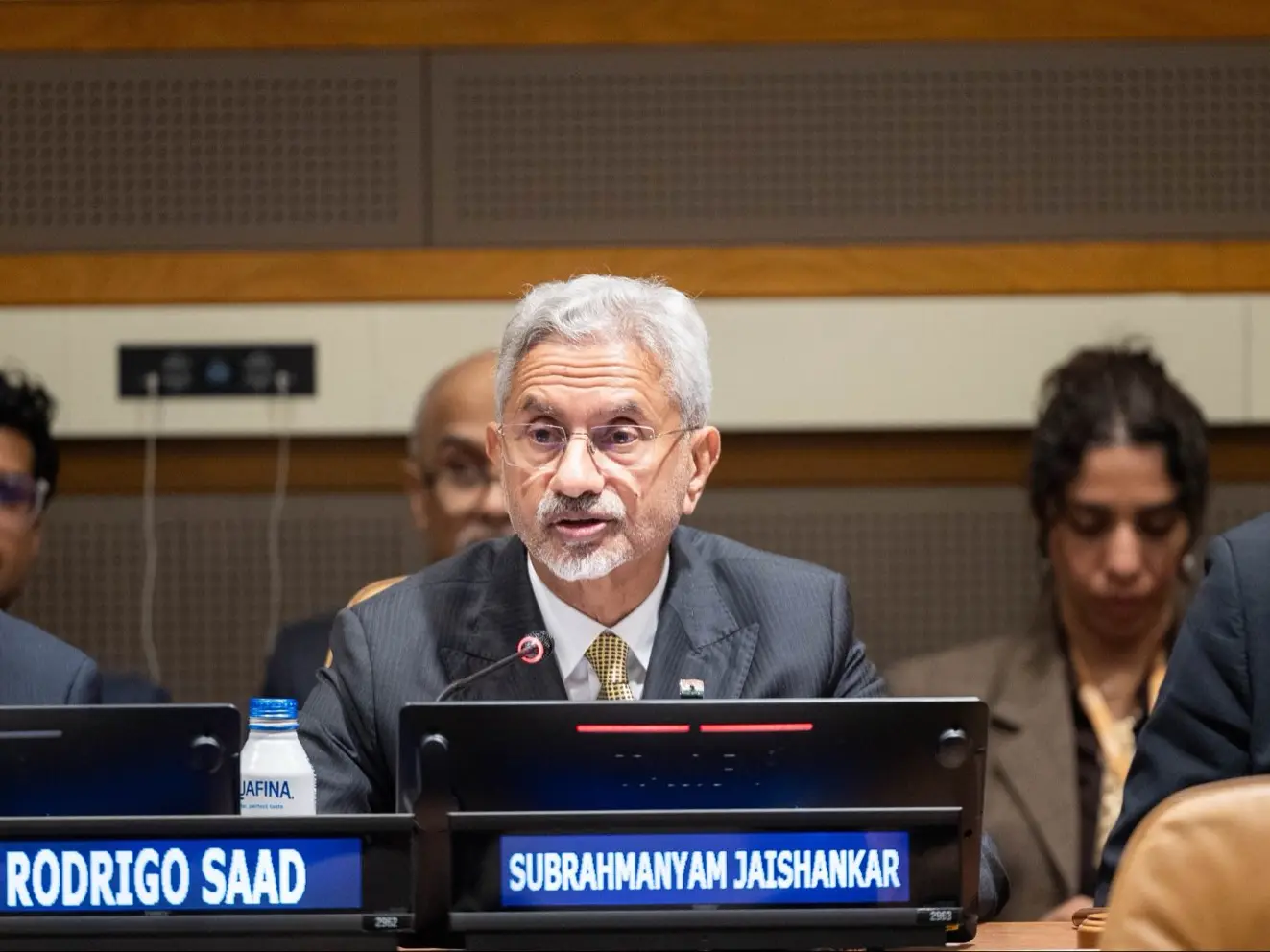
'Countries far from conflict are penalised': Jaishankar calls for Gulf peace, seafarer safety at UN
&imwidth=180&imheight=135&format=webp&quality=medium)
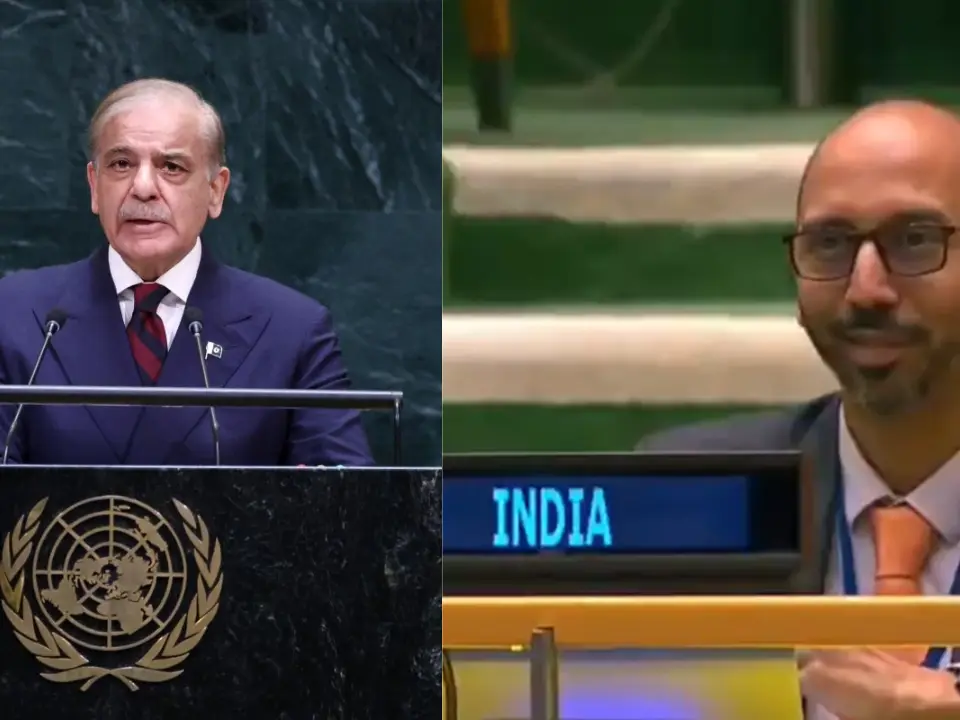
WATCH | As Shehbaz Sharif claims Pakistan’s ‘victory’ during 2025 conflict, Indian diplomat R Srinivas laughs at UN
&imwidth=180&imheight=135&format=webp&quality=medium)
Outrage erupts after 3-year-old is married to 60-year-old man in Pakistan, link to her sister's murder being probed
&im=FitAndFill=(700,400)&imwidth=180&imheight=135&format=webp&quality=medium)
New Friday OTT releases (September 25, 2026): Don’t Be Shy, Hunkkaar: The Roar, Mango Pachcha- 6 movies and TV shows on Netflix, Prime Video and more
&imwidth=180&imheight=135&format=webp&quality=medium)
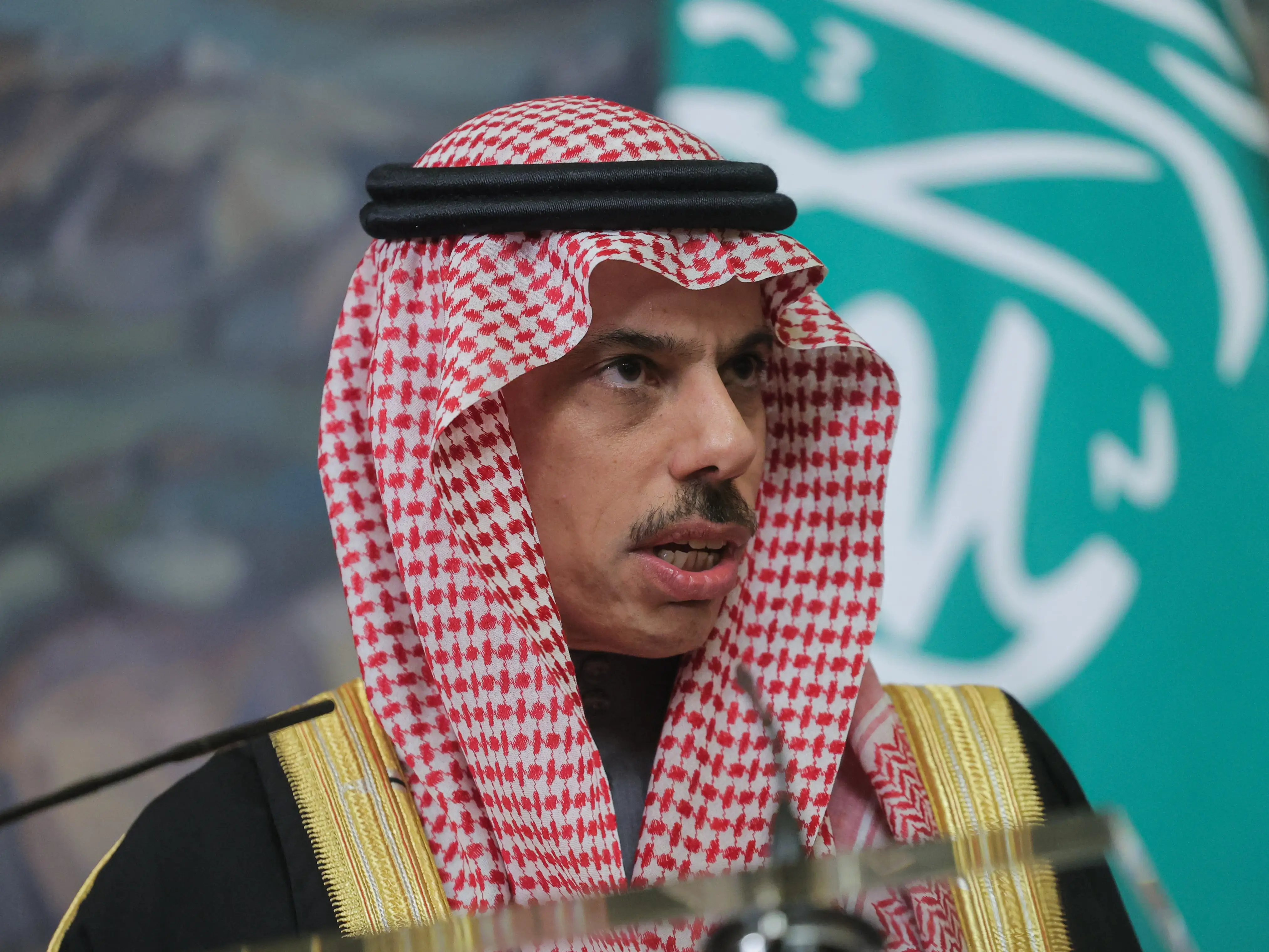
Global community 'absent' in Gulf crisis: Saudi at UN calls for freedom of navigation, pre war status for Hormuz
&imwidth=180&imheight=135&format=webp&quality=medium)
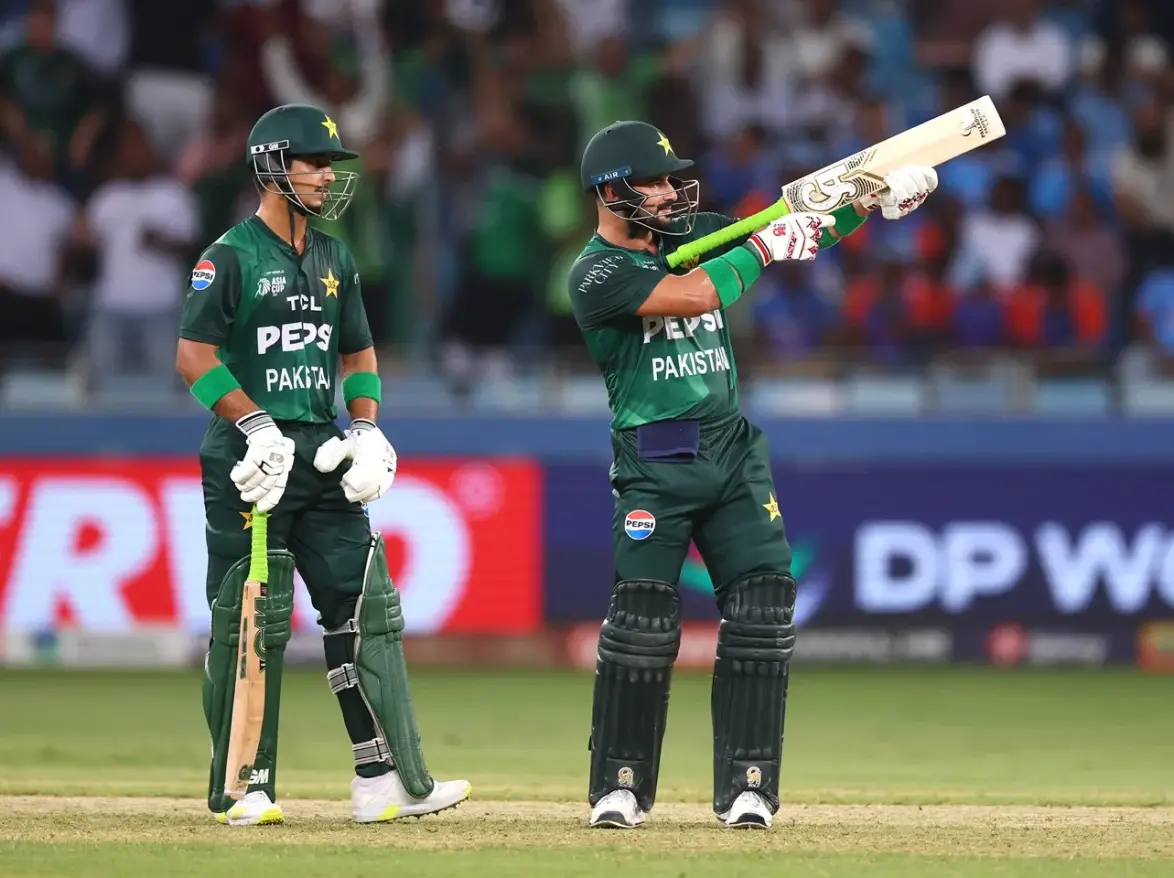
Farhan, who went viral for AK47 celebration vs India in Asia Cup, hopes to lead Pakistan beyond Asian Games
&imwidth=180&imheight=135&format=webp&quality=medium)
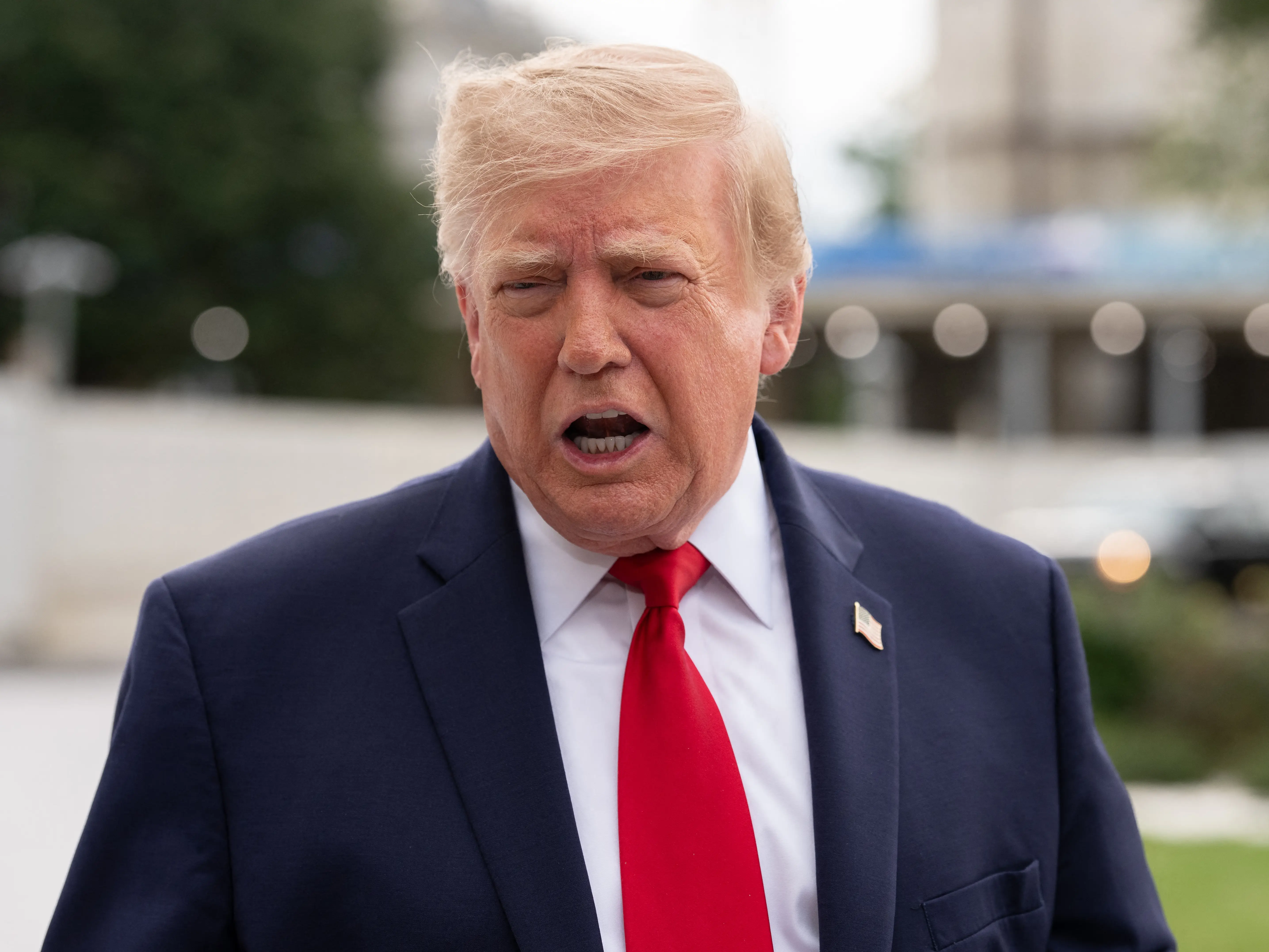
‘I rejected it’: Trump confirms turning down Iran’s proposal to reopen Hormuz, claims Tehran is losing ‘badly’
&imwidth=180&imheight=135&format=webp&quality=medium)
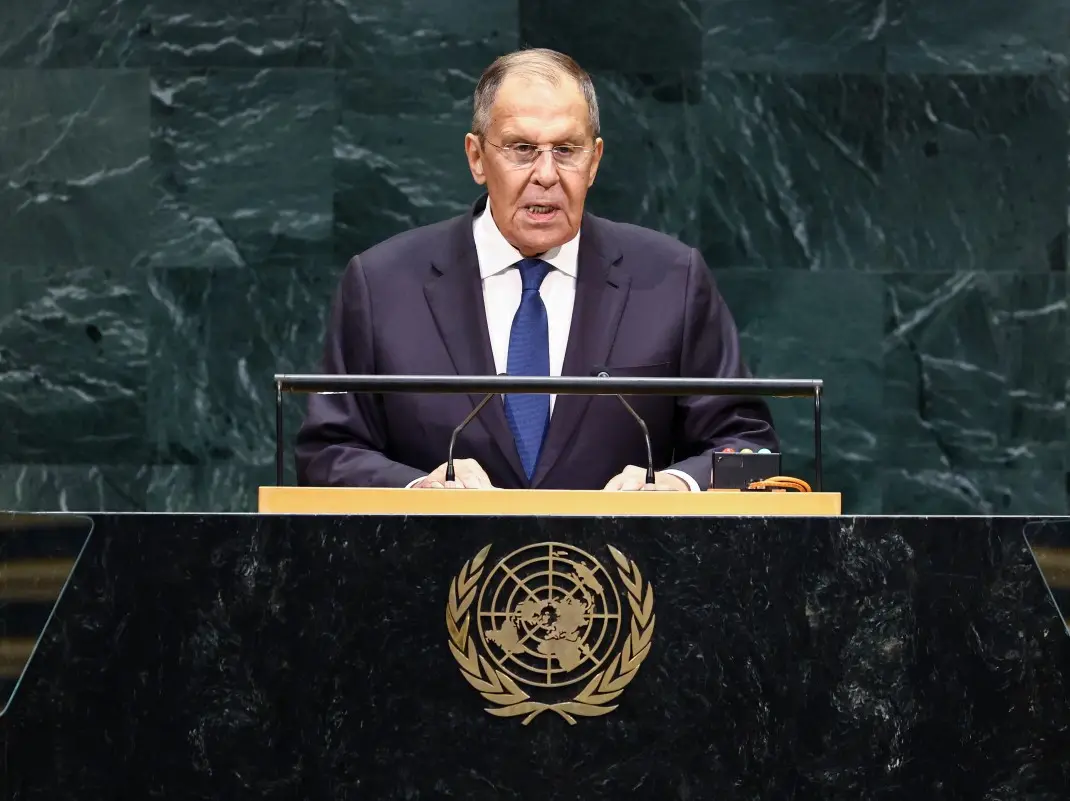
Russia will achieve Ukraine war aims; Europe doing everything to block peace talks: Lavrov at UN
AI is no longer seen as just a commercial tool — it’s a strategic asset. According to The New York Times, US officials believe AI will play a pivotal role in future military conflicts. They are concerned the Apple-Alibaba deal could help China advance its own AI models, particularly through access to real-world user data.
Lawmakers are also alarmed that working with Alibaba could expose Apple to China’s censorship laws, allowing Beijing to expand the influence of AI chatbots embedded with content controls.
The issue reached a boiling point during a closed-door meeting in March 2025, when Apple executives reportedly failed to adequately answer lawmakers’ questions about the specifics of the deal, The New York Timesreported.
Trump tariffs and trade tensions
Apple’s AI plans unfolded alongside rising trade tensions between the US and China. In April 2025, President Donald Trump announced a steep 145 per cent tariff on Chinese imports, aiming to slow China’s tech advancement and protect domestic industries. China responded with a 125 per cent retaliatory tariff on US goods, escalating fears of another full-scale trade war.
Amid global economic unease, officials from both countries met in Geneva on May 12 and agreed to a 90-day tariff pause. As part of the truce, the US lowered tariffs to 30 per cent, while China reduced its duties to 10 per cent, according to Reuters. While this temporary deal eased short-term pressure, it did little to resolve deeper structural tensions — especially those tied to emerging technologies like AI.
According to The New York Times, Apple is feeling the squeeze. With its supply chain deeply tied to China, the company is facing higher costs, political heat, and increasing difficulty in navigating two divergent regulatory systems. If Apple is forced to walk away from the Alibaba deal, it may lose vital ground to domestic Chinese rivals rapidly scaling their own AI capabilities.
Apple deal fallout risk and industry impact
Analyst Richard Kramer of Arete Research told The New York Timesthat if the Alibaba partnership collapses, Apple could face commercial fallout beyond AI. Alibaba is also a key e-commerce partner, crucial for marketing and selling iPhones across China’s hyper-competitive smartphone market.
Pulling out of the deal could leave Apple both technologically and commercially vulnerable in one of its most important regions.
There’s also a broader implication: US firms enabling Chinese AI companies to access large user bases may inadvertently help China refine its own AI systems. The New York Timesnotes that these systems could later support China’s military, surveillance, or strategic capabilities.
Companies like Baidu, ByteDance, and Alibaba stand to benefit from such indirect AI development, further fueling Washington’s concerns about unchecked tech transfer and the global race for AI dominance.
Apple’s AI ambitions in China have placed it squarely in the middle of an intensifying tech cold war. What’s at stake is not just the company’s future in China, but also US national security and the international balance of power in the age of artificial intelligence.