US market proves a headache for global carmakers

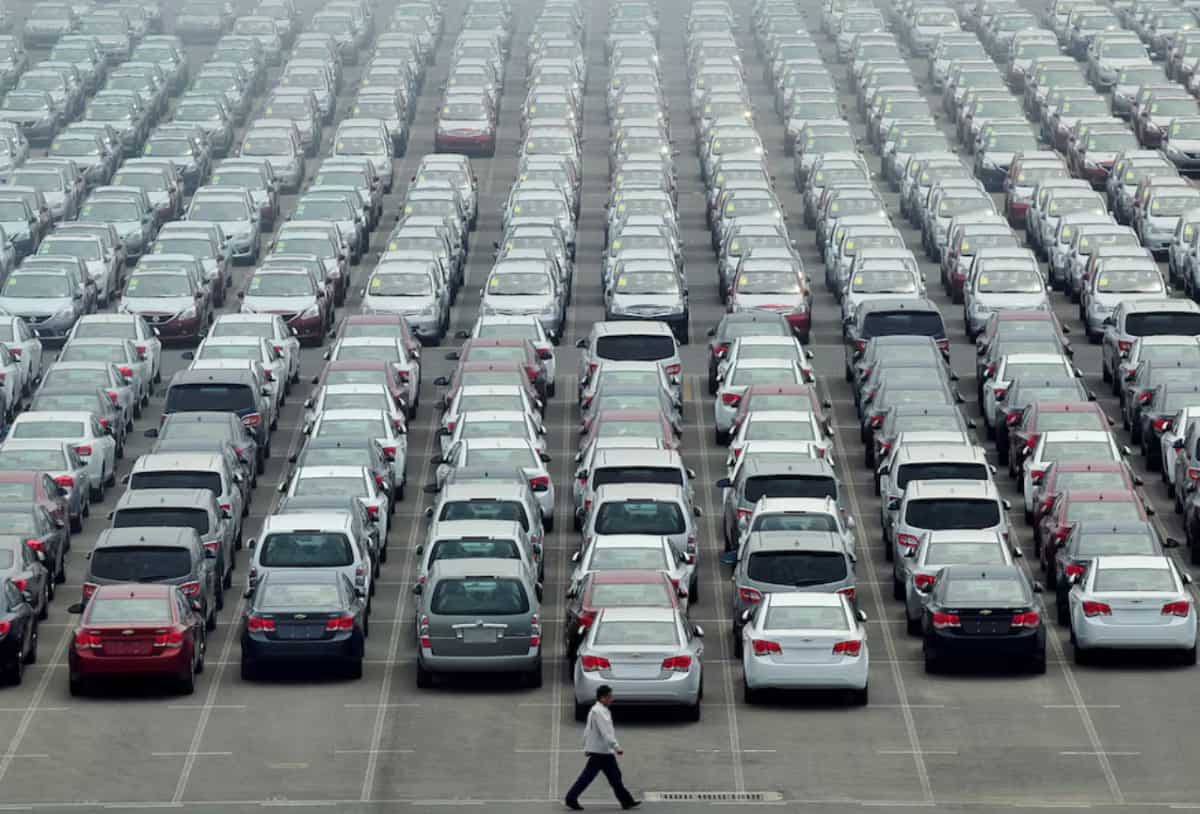
In June 2023, used EV prices were 25% higher than those of used gasoline cars.
The highly competitive U.S. automotive market is experiencing significant challenges, including weak pricing, excessive inventory levels, and logistical difficulties. These issues have negatively impacted the profits of major automakers such as Ford Motor, Stellantis, and Nissan, causing their stock prices to decline on Thursday as they urgently seek solutions.
The global automotive industry is facing a deteriorating sales outlook across key markets, particularly in the United States. Simultaneously, manufacturers are grappling with the costly transition to electric vehicles and intensifying competition from more affordable Chinese competitors.
Ford, the U.S. automaker, saw its shares plummet by 16 per centfollowing the release of its second-quarter earnings, which fell short of analysts' expectations. The company's performance was hampered by high warranty expenses and losses in its electric vehicle division. Stellantis, listed on the Milan stock exchange, experienced a nearly 9 per centdrop in share value, reaching its lowest point in almost a year. Nissan's stock price fell by 7 per cent, which in turn affected the shares of its French alliance partner, Renault, despite the latter reporting first-half profits that exceeded estimates.

The automotive companies have been burdened by excess inventory in the United States, partly due to a June software malfunction that disrupted or halted operations at numerous dealerships. According to Cox Automotive, the supply of new vehicles at the beginning of July was more than twice that of the same period last year. Cox analysts anticipate inventory levels to normalize within a couple of months as the effects of the CDK software outage diminish. Nevertheless, investors remain cautious about elevated inventory levels, especially considering the robust motor vehicle production in the United States.
Barclays analyst Dan Levy noted in a recent report that most investors have expressed concerns about emerging pricing risks, particularly in light of rising inventory. U.S. federal data indicates that average spending per vehicle has recently decreased.
Lance Woelfer, Honda's U.S. sales chief, stated that inventory hasn't been a problem for the Japanese automaker in the United States. However, he acknowledged that when any automaker faces difficulties, it affects the entire industry, potentially impacting pricing. Woelfer emphasized that this year has been about balancing inventory and demand, with Honda's U.S. sales expected to increase by 10% in the current year.
)
Did India risk its US trade deal despite softer stance at BRICS?
)
Pakistan puts Pak Rs 70 lakh bounty on UN terrorist Masood Azhar; move draws skepticism in Delhi
)
First naval drone battle? Ukraine says Sargan 3000 sank Russian unmanned boat
)
Practical Magic 2 breaks Spidey spell over North American box office
)
'Huge destructive power': North Korea calls its latest missile launches 'live-fire drill' even as US dismisses 'immediate threat'
)
‘Let’s go’: Newly declassified videos show dramatic rescue of US Air Force officers downed in Iran
)
Ganesh Chaturthi 2026: Devotees throng the iconic Lalbaugcha Raja pandal in Mumbai
)
Delhi’s balancing act: BRICS serves as a stage for West Asia diplomacy
&im=FitAndFill=(700,400))
Why European Meteor missiles use ramjet engines compared to standard US solid rockets
)
Iran, India agree to deepen humanitarian and political ties, President Pezeshkian says
)
‘Want to reset ties with India, have engagement based on mutual interests,’ says Bangladesh minister
)
Trump says Canada eager to reach a deal, it could come ‘fairly soon’ if Ottawa treats US farmers better
)
Turkish Airlines plane flies through a storm three times, triggering severe turbulence
&im=FitAndFill=(700,400))
Why Chinese PL-15 air-to-air missiles use dual-pulse motors compared to European interceptors
)
Orlando Bloom addresses Pirates of the Caribbean comeback and reunion with Johnny Depp
)
China thinned Himalayan troop presence in 2025, India defence report says; terms border situation 'stable'
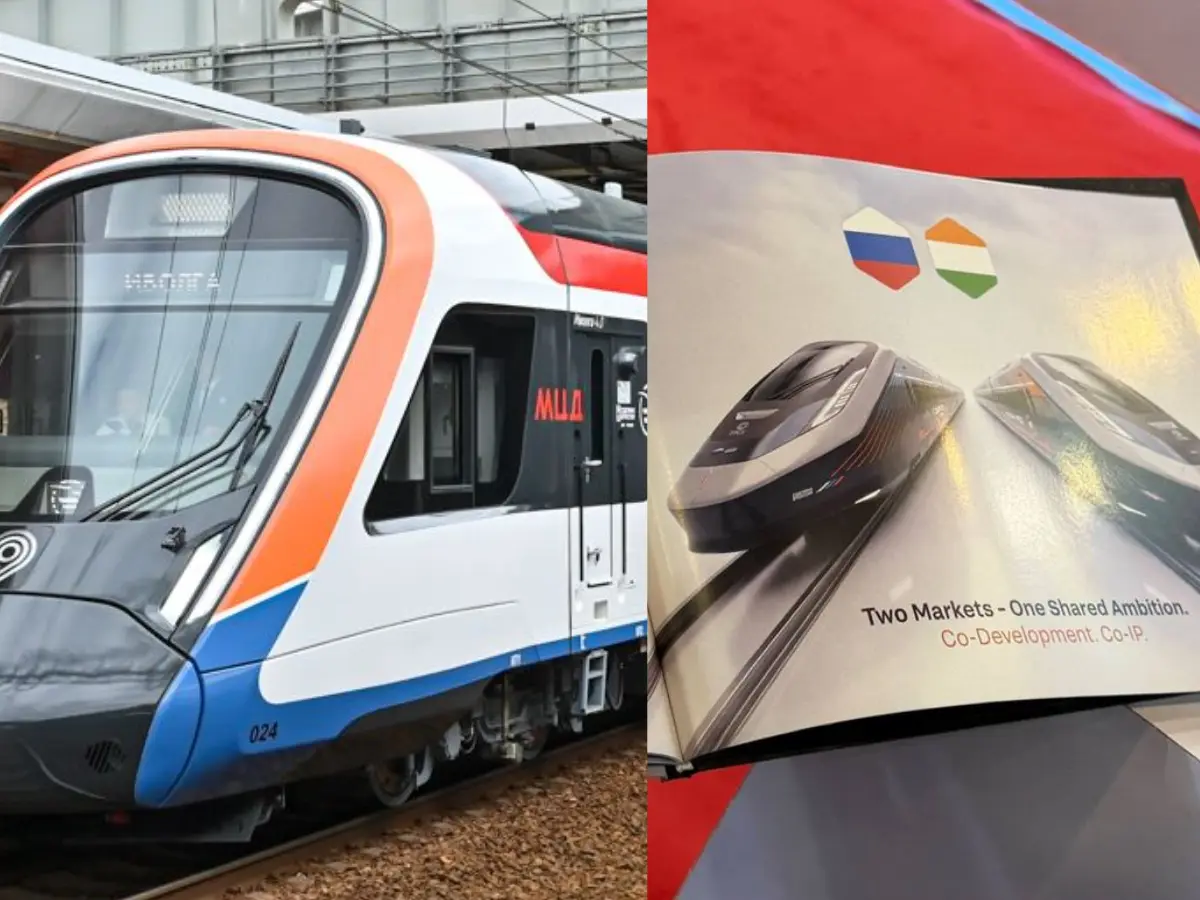)
Russia proposes to build 360 kmph Ivolga FG trains in India: What happened on sidelines of BRICS
)
800 million years old - Scientists discover 'fingerprints' of supercontinent Gondwana in ancient rocks
)
Israeli minister calls to strip Gaza film directors of citizenship
)
Natural caffeine sources gain popularity; matcha & botanicals offer calm energy
)
China discovers vast gold and silver 'mine' in the Pacific with unheard-of deposits
)
Russian drone hits Warsaw-bound train near Polish border, Zelensky accuses Moscow of ‘deliberate’ targeting
)
Plane carrying prominent figure crashes at Libya’s Misrata airport: Report
)
Veteran Bollywood actress Nafisa Ali shares health update as Stage 4 cancer progresses, starts targeted therapy
&im=FitAndFill=(700,400))
New OTT releases this week (September 14-20, 2026): Lust Stories 3, Waiting Hai, Irumudi- 5 new titles coming on Netflix, Prime Video and more
)
Liam Neeson sparks romance rumours after holding hands with Stella Stocker at TIFF 2026
)
Saudi Arabia discovers 110 million tonnes of Uranium-rich ore in Madinah region
)
Indian importers urge Bangladesh to lift export ban on 'Hilsa' fish ahead of Durga Puja
)
Video of Pakistani lawmaker struggling to read English tribute to Jinnah goes viral - WATCH
)
Did China give Iran intel before US base strike that killed 3 troops? Trump says, 'You’re right...'
)
Crude oil prices jump more than $107 per barrel following Houthi attacks on Saudi
)
Women's Asia Cup 2026: India denied trophy once again despite winning the title
)
Humans may lose control of AI: Anthropic CEO calls for slowdown, Altman, Musk back him
Nissan was severely affected by higher inventory levels, with its fiscal first-quarter profits nearly eliminated. The company was forced to revise its annual outlook downward due to substantial discounting in the U.S. market to clear excess inventory. CEO Makoto Uchida described the task of optimizing inventory buildup in the United States as "tough" and stated that the company would focus on producing better cars that can command higher prices.
Ford has been struggling with structural inefficiencies and challenges in its electric vehicle business as it strives to gain traction in that market segment. The company's EV and software unit reported an operating loss of USD1.1 billion for the quarter and anticipates losses of up to USD5.5 billion for the year before taxes in that division.
Stellantis, the world's fourth-largest automaker, announced that it is taking measures to address weak margins and high inventory in the U.S. market after reporting worse-than-expected first-half results. CEO Carlos Tavares stated that he would not hesitate to eliminate underperforming brands from the company's extensive portfolio, asserting, "If they don't make money, we'll shut them down." Since Stellantis was formed in 2021 through the merger of Fiat Chrysler and PSA, Tavares has maintained that all 14 of its brands, including Maserati, Fiat, Peugeot, and Jeep, have a future.
Although Stellantis has historically achieved higher profit margins than its competitors, Bernstein analysts noted that its margins are now only slightly above those of General Motors, which recently reported solid results and raised its annual profit forecast. The analysts questioned Stellantis' reputation for cost efficiency, as its shares have declined by more than 20per centthis year, the worst performance among major European automakers.
Hyundai, the world's third-largest automaker by sales, reported strong second-quarter results, boosted by U.S. sales of premium SUV models and hybrid vehicles, which helped offset prolonged weakness in its home market of South Korea.
Similar to Stellantis, Nissan plans to boost sales through new and refreshed models in the second half of the year, including the Armada and Murano SUVs. However, analyst Seiji Sugiura from Tokai Tokyo Intelligence Laboratory expressed uncertainty about which Nissan vehicles are popular in the United States, stating, "As the competitiveness of the models in their lineup is falling, they have no other choice but to make new vehicles, sell those and hope that they will be popular."
This situation underscores the complex challenges facing the global automotive industry as it navigates changing consumer preferences, technological transitions, and intense competition in key markets.