Truck manufacturers ready for electric revolution, but charging infrastructure lags behind

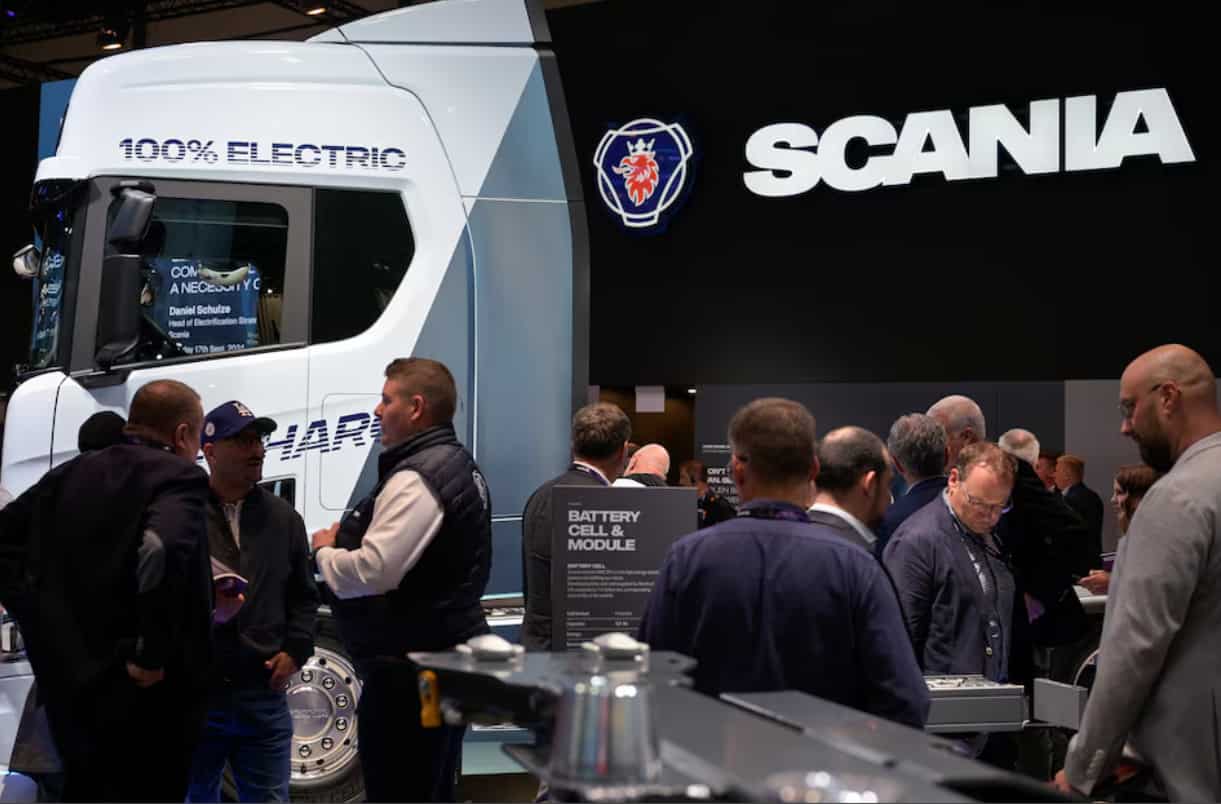
Truck manufacturers ready for electric revolution
At the IAA Transportation fair in Hanover this week, leading truck manufacturers showcased their readiness to embrace the electric vehicle (EV) revolution. However, industry leaders are sounding the alarm on a critical obstacle: the lack of adequate charging infrastructure. This infrastructure gap threatens to derail ambitious European Union (EU) targets for reducing carbon emissions in the heavy transport sector.
Christian Levin, chief of Volkswagen's truck subsidiary Traton, which oversees brands like Scania, MAN, Navistar, and Volkswagen Trucks and Buses, expressed scepticism about meeting the EU's goal of achieving a 50% share of e-trucks by 2030. According to media reports, Levin emphasised, "It's not just about cost, it's also about charging infrastructure, permissions, green electricity, supply of green electricity, and of course pricing. All of that needs to come together."
Echoing this sentiment, Daimler Trucks incoming CEO Karin Radstroem stated, "The trucks are ready and now infrastructure must follow." Radstroem warned that without the necessary infrastructure in place, customers would be hesitant to purchase electric trucks, potentially forcing manufacturers to delay their compliance with the EU's Green Deal objectives.

The urgency of the situation is underscored by EU regulations mandating a 45% reduction in CO2 emissions from new heavy trucks by 2030, compared to 2020 levels. Failure to meet these targets could result in substantial fines for manufacturers. A study by consultancy firm McKinsey highlights the magnitude of the challenge, indicating that the share of emission-free heavy trucks needs to rise from below 2% today to 40% of new sales by 2030 to meet EU targets.
Financial considerations also play a crucial role in the transition. McKinsey's study suggests that prices of emissions-free trucks would need to halve to make them a viable alternative to diesel models. Furthermore, a PwC study estimates that nearly 35 billion euros ($38.99 billion) must be invested in charging infrastructure across Europe by 2035 to meet the logistics industry's demand.
Daimler Truck's technology chief Andreas Gorbach proposed a flexible approach to EU targets, suggesting they should be coupled with the pace of infrastructure development and revisited annually based on progress. Gorbach drew a parallel between the current need for charging infrastructure and the historical development of highway systems, stating, "In the past, somebody had to build the highways to have trucks on them... and the highway of the future is the charging infrastructure."
&im=FitAndFill=(700,400)&imwidth=180&imheight=135&format=webp&quality=medium)
Navratri 2026: 9 days, 9 forms of Goddess Durga and 9 colours- Check the complete list
&imwidth=180&imheight=135&format=webp&quality=medium)
Korean peninsula tensions escalate as North Korea launches multiple ballistic missiles, PACOM says 'no threat to US personnel'
&imwidth=180&imheight=135&format=webp&quality=medium)
Trump weighs firing Kimberly Guilfoyle as US ambassador to Greece amid misconduct allegations: Report
&imwidth=180&imheight=135&format=webp&quality=medium)
Anti-SIR protest in Mumbai: Protestors wear black masks & ribbons in Mumbai
&imwidth=180&imheight=135&format=webp&quality=medium)
UK PM Andy Birnham renews claims of Russian meddling in Brexit vote
&imwidth=180&imheight=135&format=webp&quality=medium)
BCCI rejects venue shift reports, India vs Sri Lanka 1st ODI to remain in Delhi
&imwidth=180&imheight=135&format=webp&quality=medium)
'Absolutely disgusting': Australia slams US plan to livestream Nidal Hasan's execution; Mike Johnson raises concerns, warns of terrorist propaganda
&imwidth=180&imheight=135&format=webp&quality=medium)
1,500 drones illuminate Mumbai sky as Cordelia Cruises unveils second ship, Cordelia Sky
&imwidth=180&imheight=135&format=webp&quality=medium)
Houthis warns US of 'painful response' if Washington joins Saudi war in Yemen as airlines suspend flights to Saudi Arabia
&imwidth=180&imheight=135&format=webp&quality=medium)
India Rejects Pakistan-China Boundary Commission, Tells Islamabad to Drop 'Theatrics' | GRAVITAS
&imwidth=180&imheight=135&format=webp&quality=medium)
Congress demands action against chief election commissioner
&imwidth=180&imheight=135&format=webp&quality=medium)
Apple HomeView smart home hub may launch soon with A18 chip, display and Siri controls: What to expect
&imwidth=180&imheight=135&format=webp&quality=medium)
'Turn approver, resign, we'll forgive you': Rahul Gandhi claims receiving messages from CEC Gyanesh Kumar
&imwidth=180&imheight=135&format=webp&quality=medium)
'I will not be silenced': Ilhan Omar alleges political intimidation after federal officers search her Washington home
&imwidth=180&imheight=135&format=webp&quality=medium)
Use AI as your ‘second brain’: Meta AI chief Alexandr Wang’s message to young people
&imwidth=180&imheight=135&format=webp&quality=medium)
Robotic surgery, advanced treatment: What is coming to this small Gujarat town?
&imwidth=180&imheight=135&format=webp&quality=medium)
Pakistan's government blames PTI for rise of terrorism in Khyber Pakhtunkhwa
&imwidth=180&imheight=135&format=webp&quality=medium)
‘This is just the start’: Maaya Rajeshwaran on historic ITF title, confidence boost and future goals
&im=FitAndFill=(700,400)&imwidth=180&imheight=135&format=webp&quality=medium)
How does a robot decide what to do next?
&imwidth=180&imheight=135&format=webp&quality=medium)
Trump says he 'may' meet North Korean leader Kim Jong Un during upcoming Asia trip
&imwidth=180&imheight=135&format=webp&quality=medium)
'Ouch!!! That must hurt': Kangana Ranaut hails Kamal Haasan's sharp reply to Elon Musk over Starlink row
&imwidth=180&imheight=135&format=webp&quality=medium)
Sidhu Moose Wala’s younger brother wins hearts by recreating late singer’s signature move at Toronto Hologram Show
&imwidth=180&imheight=135&format=webp&quality=medium)
UK school ditches technology, shifts from screen to pen and paper for learning
&imwidth=180&imheight=135&format=webp&quality=medium)
Opposition’s 10 demands in Supreme Court petition range from stay on SIR to audit of voter rolls
&imwidth=180&imheight=135&format=webp&quality=medium)
'I am thoroughly unamused': Judge slams Trump administration after 400 trees cut at Washington golf course
&imwidth=180&imheight=135&format=webp&quality=medium)
Portugal Federation confirms Cristiano Ronaldo’s return to national team despite suspension
&im=FitAndFill=(700,400)&imwidth=180&imheight=135&format=webp&quality=medium)
New OTT releases this week (October 12-18, 2026): Sacrifice, Koffee with Karan S9, Roadies Rebirth- 6 titles coming on Netflix, JioHotstar and more
&imwidth=180&imheight=135&format=webp&quality=medium)
Rishabh Pant ruled out of India A squad for New Zealand tour, Kumar Kushagra named replacement
&imwidth=180&imheight=135&format=webp&quality=medium)
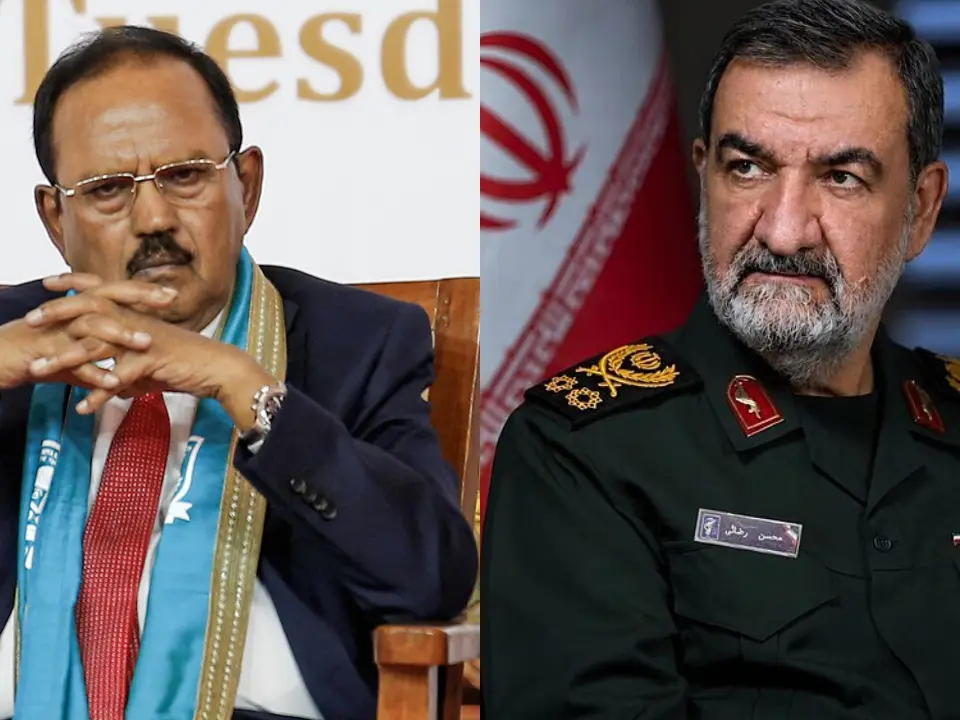
India's Ajit Doval, Iran's Mohsen Rezaei hold talks amid escalating West Asia tensions, discuss 'issues of mutual interest'
&imwidth=180&imheight=135&format=webp&quality=medium)
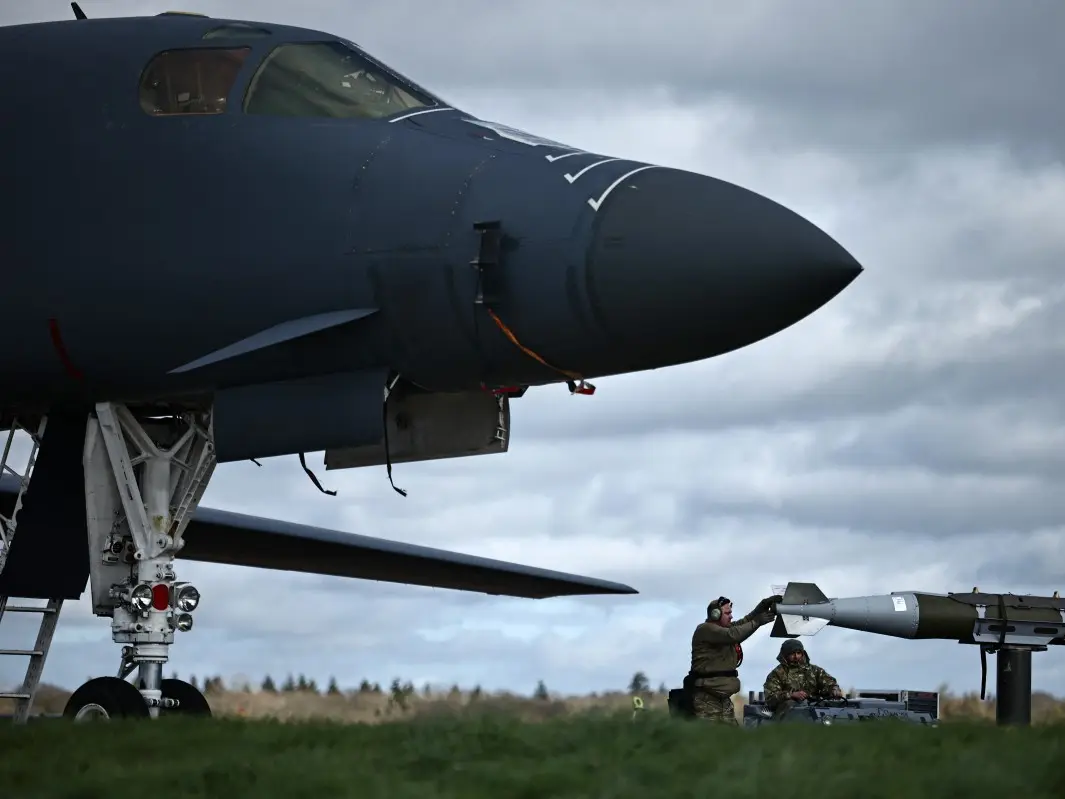
'Almost certainly': UK Prime Minister Andy Burnham says Iran's IRGC behind RAF Fairford threat
&imwidth=180&imheight=135&format=webp&quality=medium)
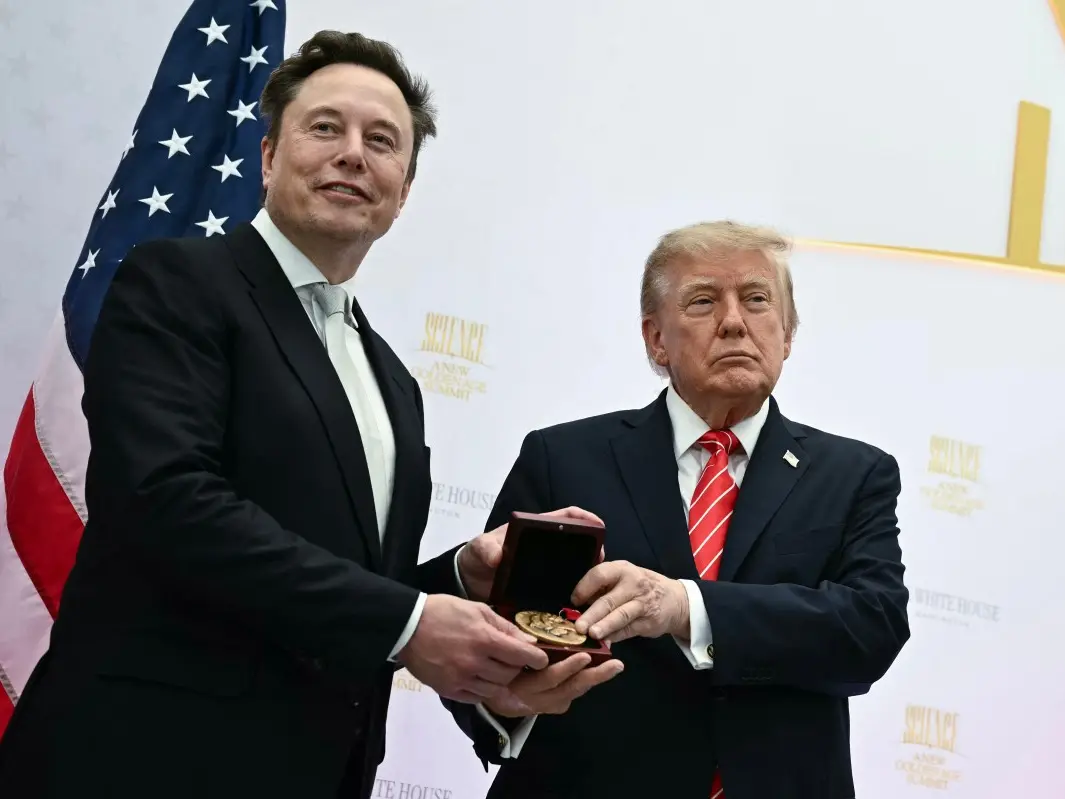
Elon Musk pumps $276 million into Republican campaigns ahead of US midterm elections
The situation presents a classic chicken-and-egg dilemma: manufacturers are ready to produce electric trucks, but without adequate charging infrastructure, demand may not materialise. Conversely, without a critical mass of electric trucks on the road, there may be little incentive for rapid infrastructure development.
This impasse poses significant challenges for the EU's ambitious climate goals in the transport sector. The heavy-duty vehicle industry is a crucial component of the EU's strategy to reduce overall carbon emissions, given the significant contribution of freight transport to greenhouse gas emissions.
The manufacturers' concerns raise important questions about the feasibility of current timelines and the need for coordinated action between the public and private sectors. While the EU has set aggressive targets, the infrastructure required to support these goals appears to be lagging.
Industry leaders are calling for a more holistic approach that considers all aspects of the transition to electric trucks. This includes not only the development of charging infrastructure but also addressing issues related to the supply of green electricity, regulatory permissions, and pricing strategies.
As the transportation industry stands at this crucial juncture, the coming years will be critical in determining whether the ambitious goals set by the EU can be realised. The success of this transition will depend on close collaboration between truck manufacturers, infrastructure developers, energy providers, and policymakers.
The situation underscores the complex challenges involved in transitioning to sustainable transport solutions. While technological advancements have made electric trucks a viable option, the broader ecosystem required to support their widespread adoption is still in its infancy.

