Toyota to build EV battery plant in Fukuoka to boost Lexus production

File photo of the Toyota logo.
Japan's leading automaker, Toyota Motor, plans to establish a state-of-the-art battery plant for electric vehicles (EVs) in Fukuoka Prefecture, located in the southwestern region of Kyushu. This move is part of Toyota's broader strategy to reinforce its EV supply chain and transform Kyushu into a central hub for battery-powered vehicle production and exports across Asia. This development was reported by the Nikkei business daily on Friday, though Toyota has yet to officially confirm the details.
Focus on EV Battery Production
Toyota aims to bolster its EV battery production capabilities through various initiatives. A company spokesperson acknowledged awareness of the Nikkei report but stated, "This is not something we have announced yet." Toyota has been proactively working to enhance its EV battery production capacity to meet the increasing global demand for electric vehicles.

Miyata Plant and Lexus Production
The new battery plant is expected to supply batteries to Toyota's Miyata plant, where luxury Lexus brand cars are manufactured. Toyota's subsidiary, Toyota Motor Kyushu, operates the Miyata plant. This strategic move aligns with Toyota's plans to introduce next-generation EVs from 2026, produced by its specialised unit, BEV Factory. By integrating the battery plant with the Lexus production facility, Toyota aims to streamline its operations and improve efficiency.
Ambitious Sales Targets for 2030
)
What’s in a name? Trump’s 'Lake America' move gets a tit-for-tat response from Canada
)
Trump gifts Xi a bald eagle sculpture at White House dinner: Here’s what it symbolises
)
‘Not just a local tragedy’: Nepal PM Shah warns UN of growing climate threat, says Nepal floods were 'a warning to the world'
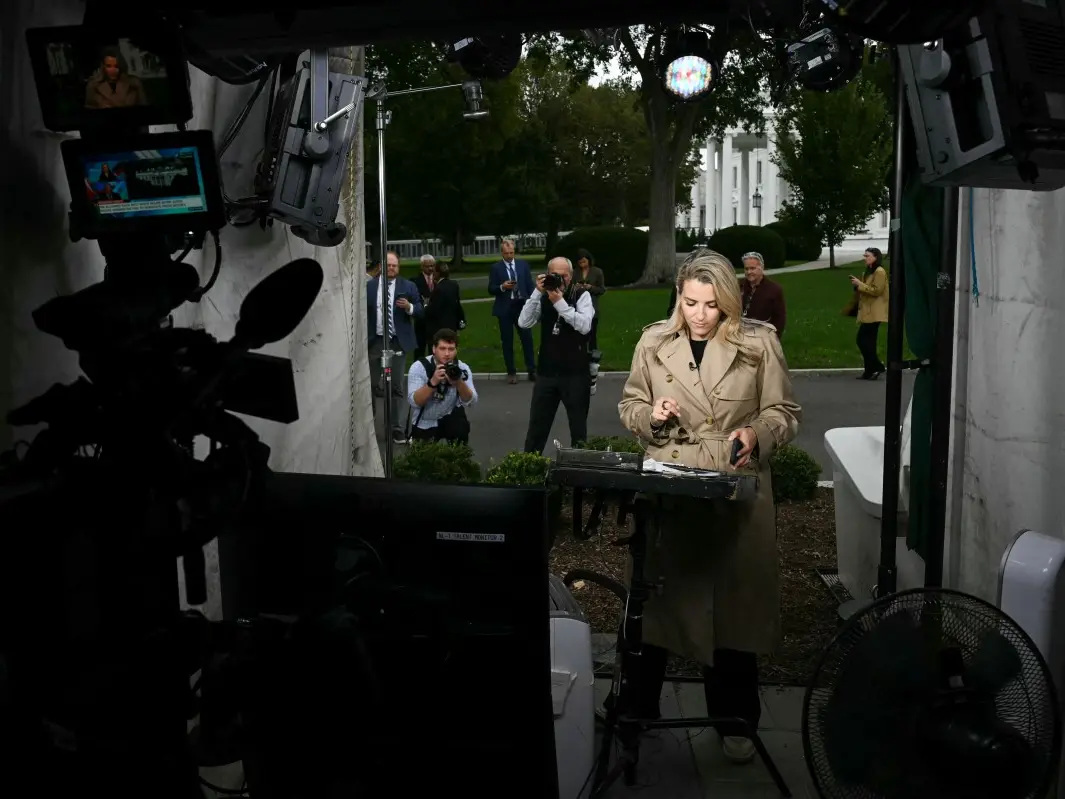)
CNN, Politico and MS NOW back in White House after judge blocks Trump’s media ban
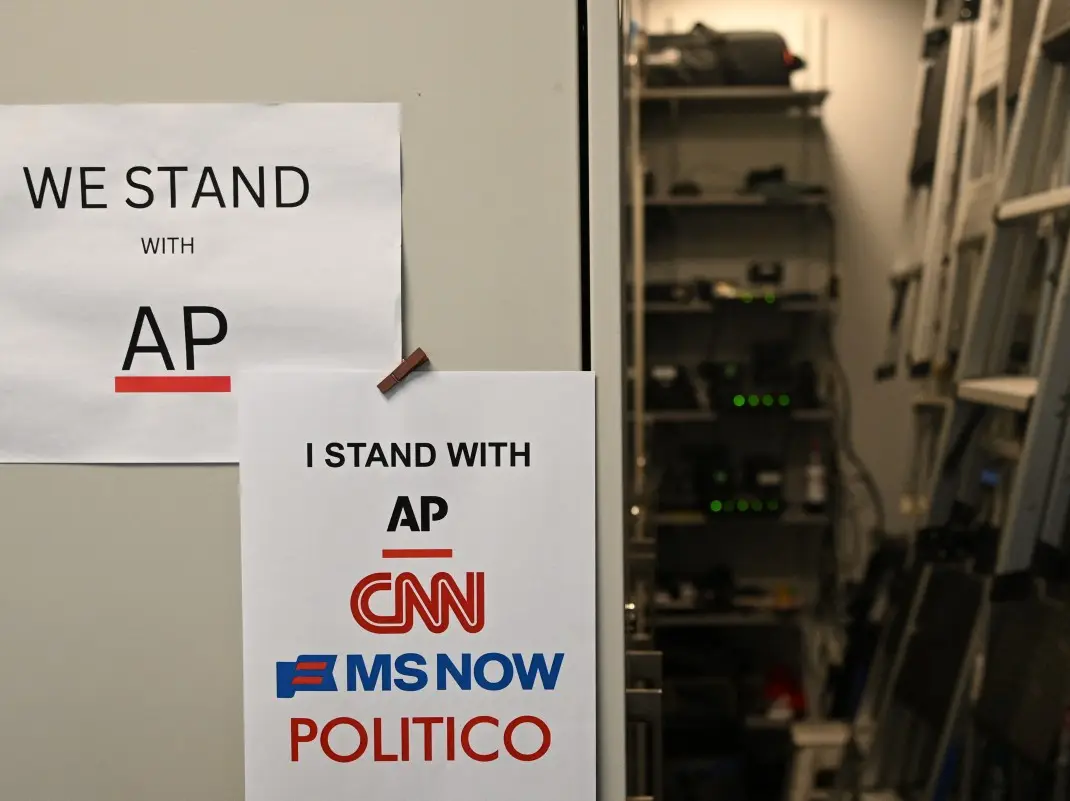)
US judge questions Trump’s decision to ban CNN, MS NOW and Politico from White House
)
'We would all be dead': Netanyahu defends decision to strike Iran's nuclear facilities in his UN speech
)
Mumbai Indians appoint Luke Williams as head coach for Women’s Premier League
)
IIT Bombay CCTV footage emerges: Sahil Wakode seen looking at phone in examination hall
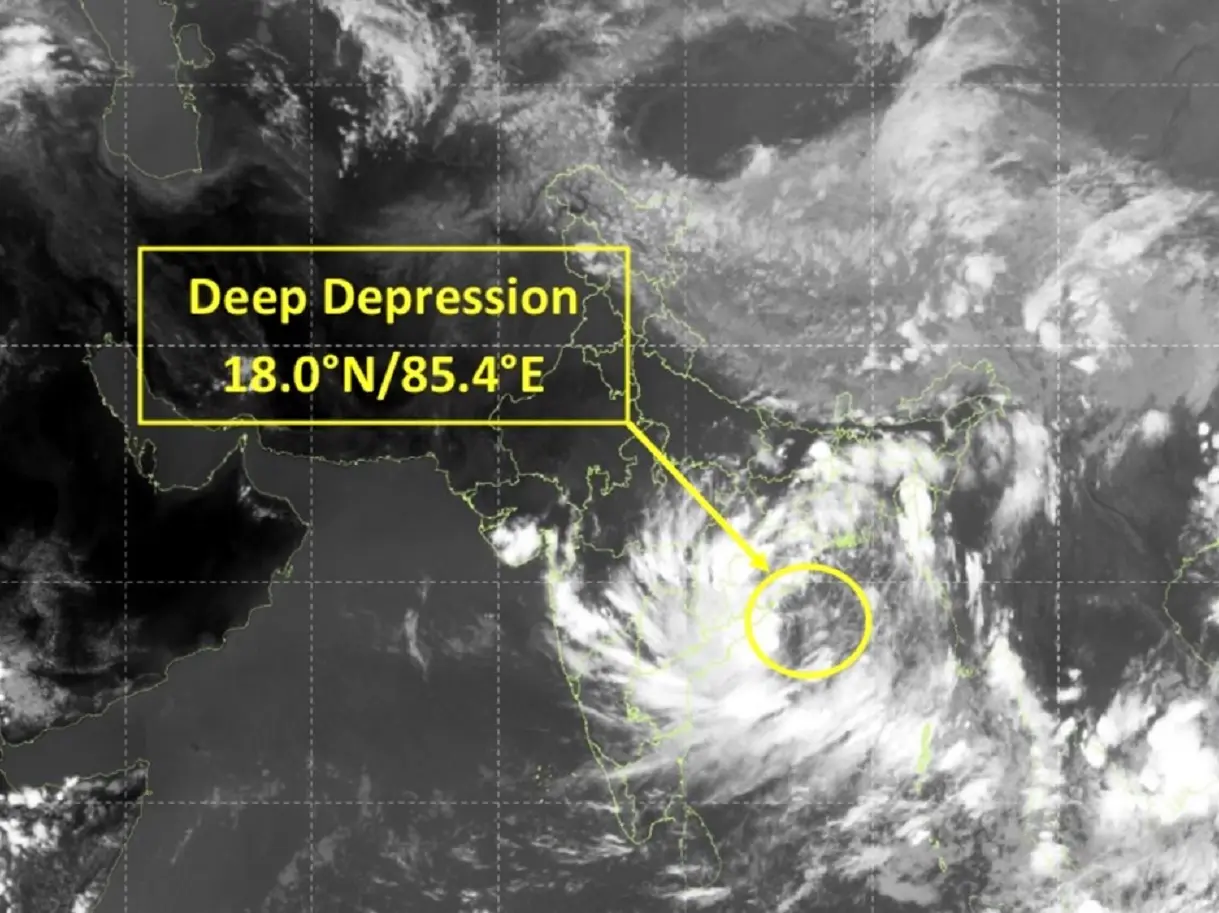)
Cyclone Arnab: Landfall expected before midnight tomorrow as IMD issues orange alerts across six states
)
Welcome actor Mushtaq Khan dies at 56 after battling cancer
)
Trump's welcome to Xi demonstrates 'attraction' to dictators: Chuck Schumer
)
WION Iconic Tourism Summit 2026: Union Minister Shekhawat on 'experiential travel', peace diplomacy
)
Nations League: Germany draw on Klopp debut; Portugal, Norway win
)
'AI got into my speech': Prince Harry jokes after teleprompter failure at event in New York
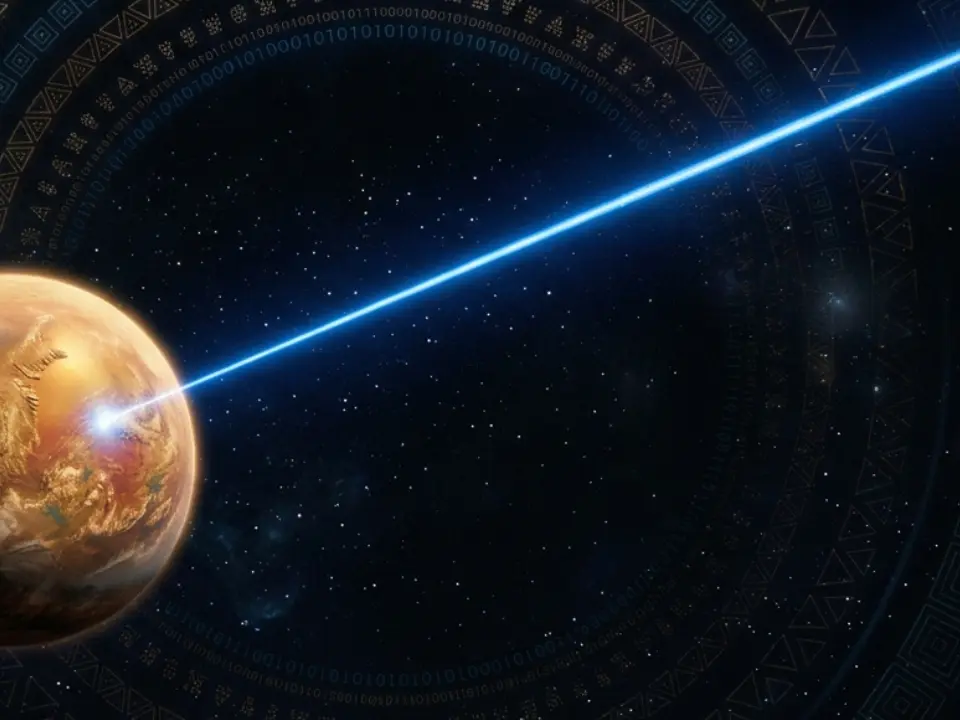)
Scientists detect first radio signals directly from faraway planet
)
What’s on the menu? Inside Trump’s lavish White House state dinner for Xi
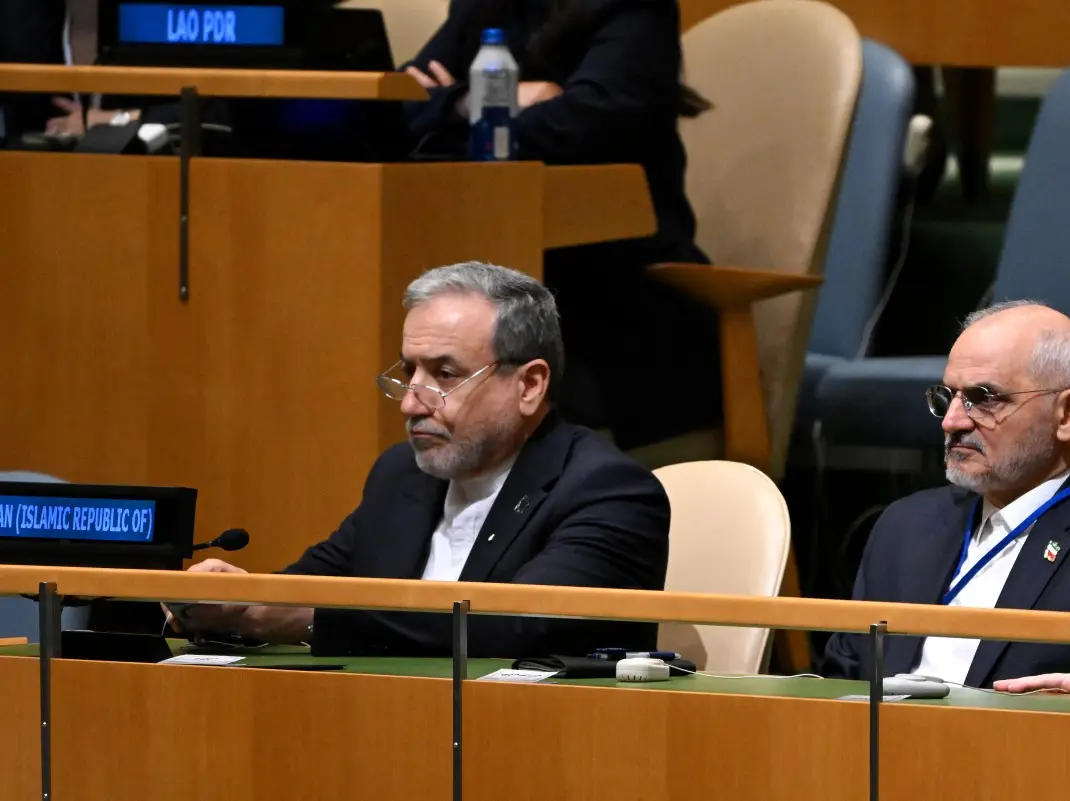)
A seven-day roadmap? Iran proposes plan to end war, reopen Strait of Hormuz and resume nuclear talks
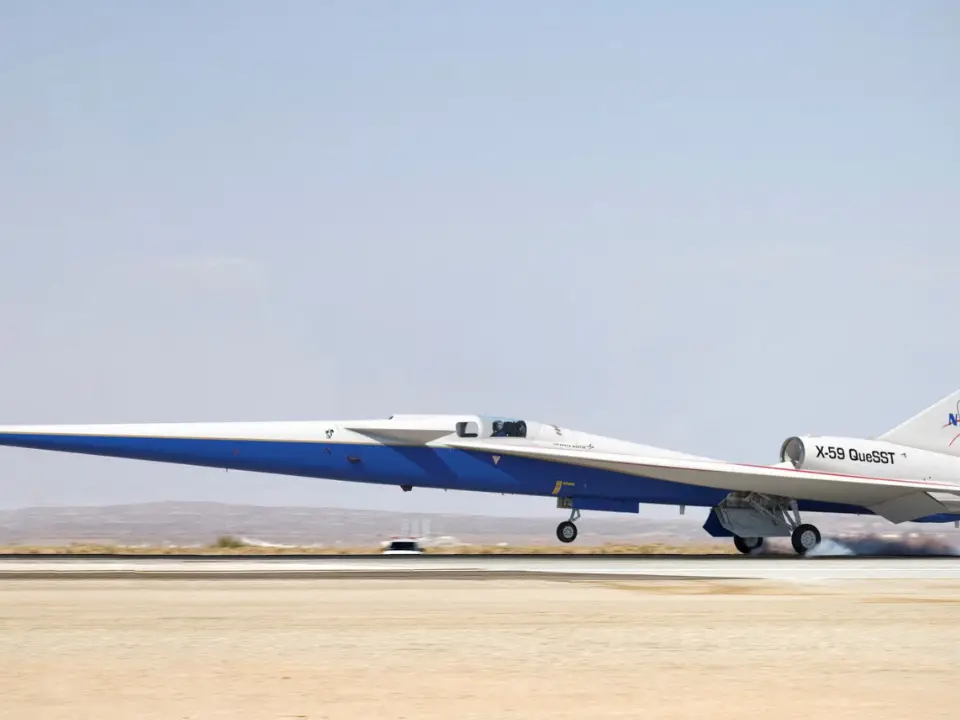)
China to test supersonic jet that moves at Mach 2, double the speed of sound
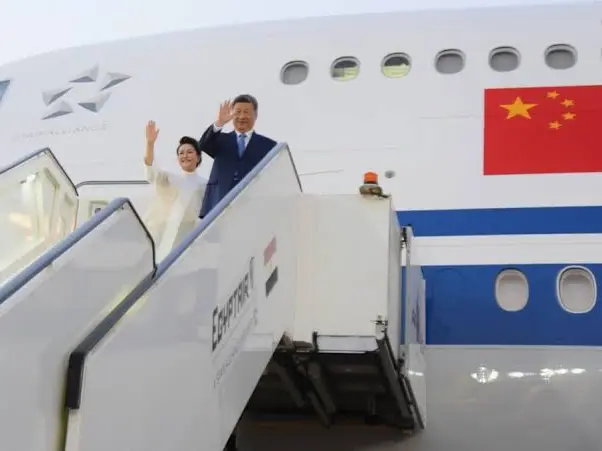)
Xi Jinping's 'special plane' vs Trump's Air Force One: What's the difference?
)
‘We’ve never gotten along better’: Trump praises Xi, jokes about White House ballroom at high-stakes state dinner
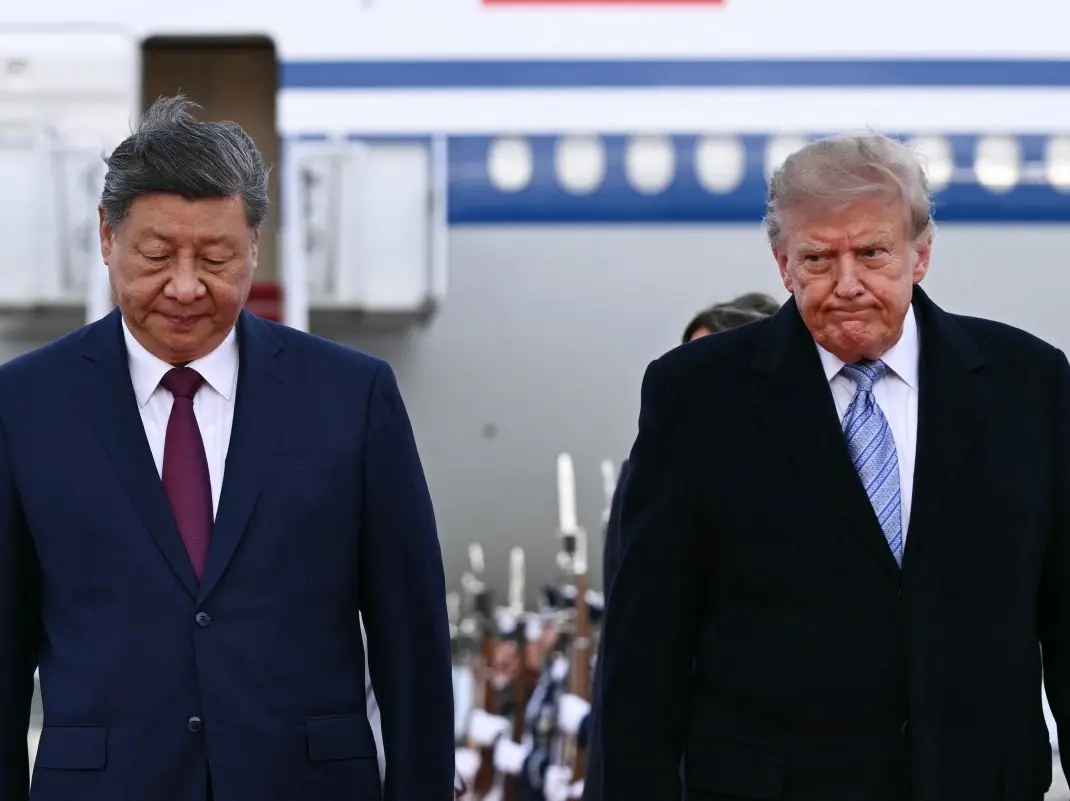)
'Partners rather than rivals': Xi Jinping's first message after landing in US for Trump summit
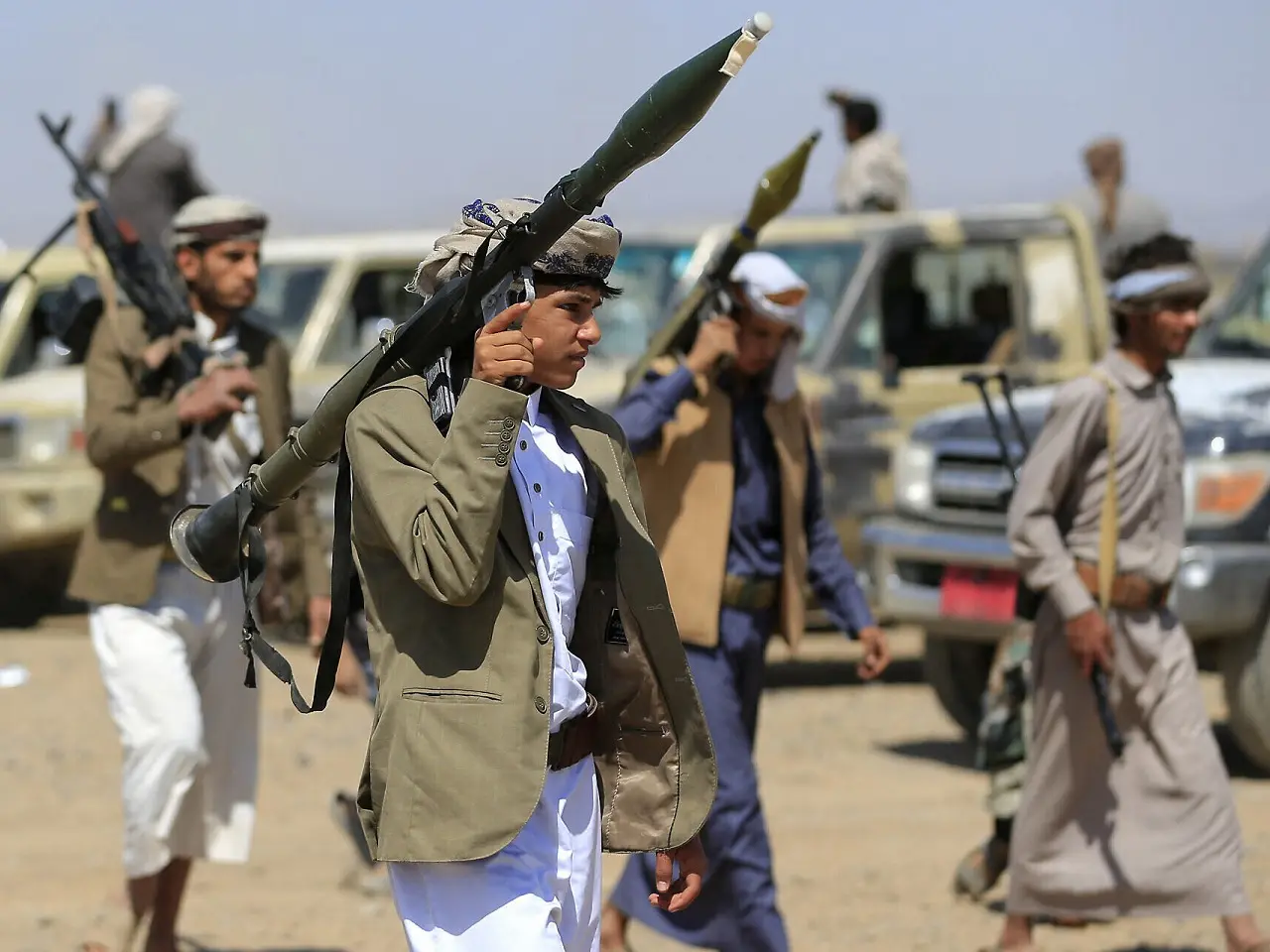)
Yemen called Trump for US military support in fight against Houthis: Official
)
WION Iconic Tourism Summit: Is India's travel boom outrunning its airports, airlines and hotels?
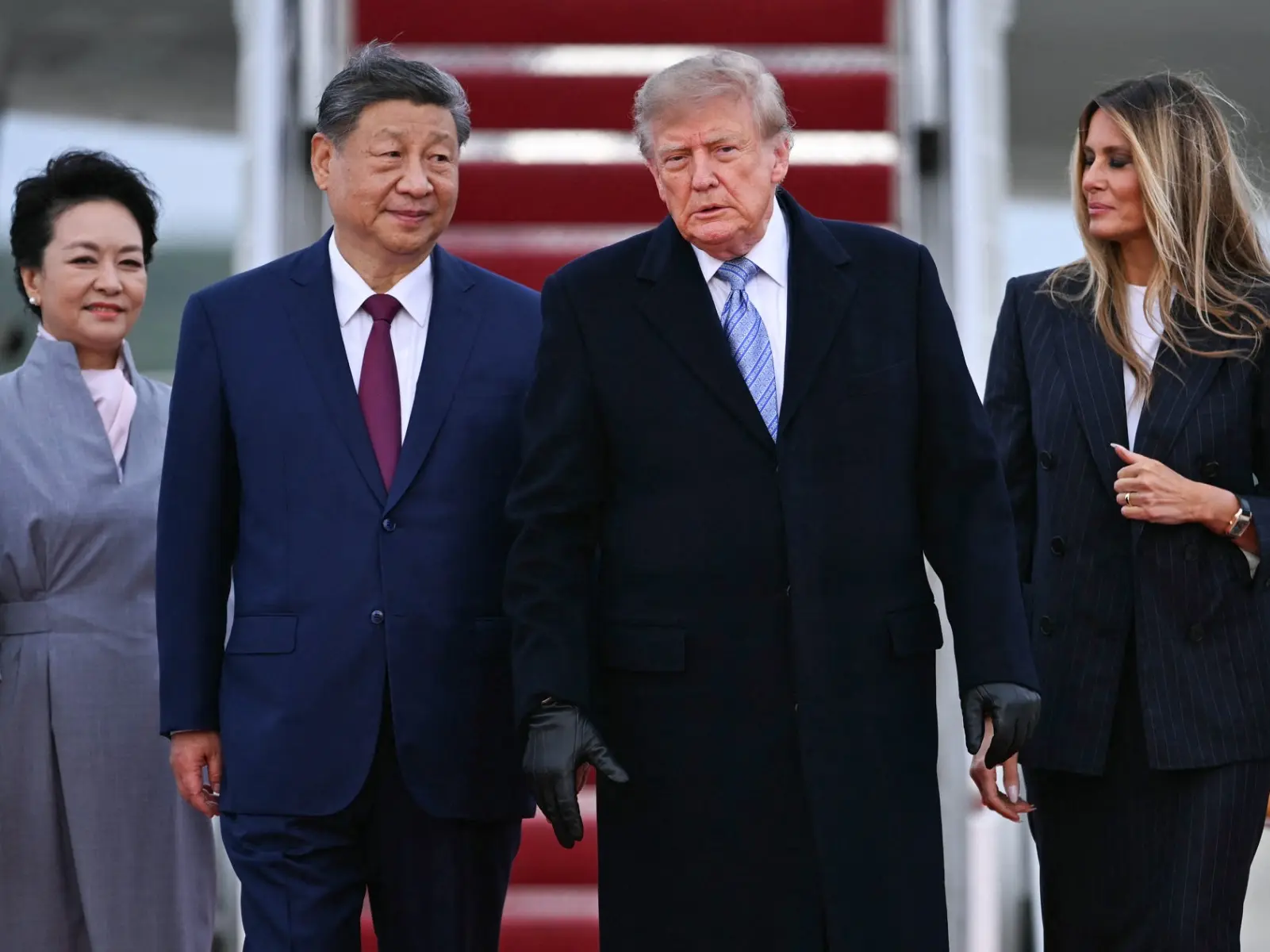)
2,000-foot tube, laser tests and more: China builds towns to expand nuclear arsenal, satellite images show
)
Meet Adrian Abraham: 9-year-old Indian-origin guitar prodigy aiming for a Guinness World Record
)
US faces fresh cost crunch as mortgage rates hit 7%, oil tops $107 and gas prices surge
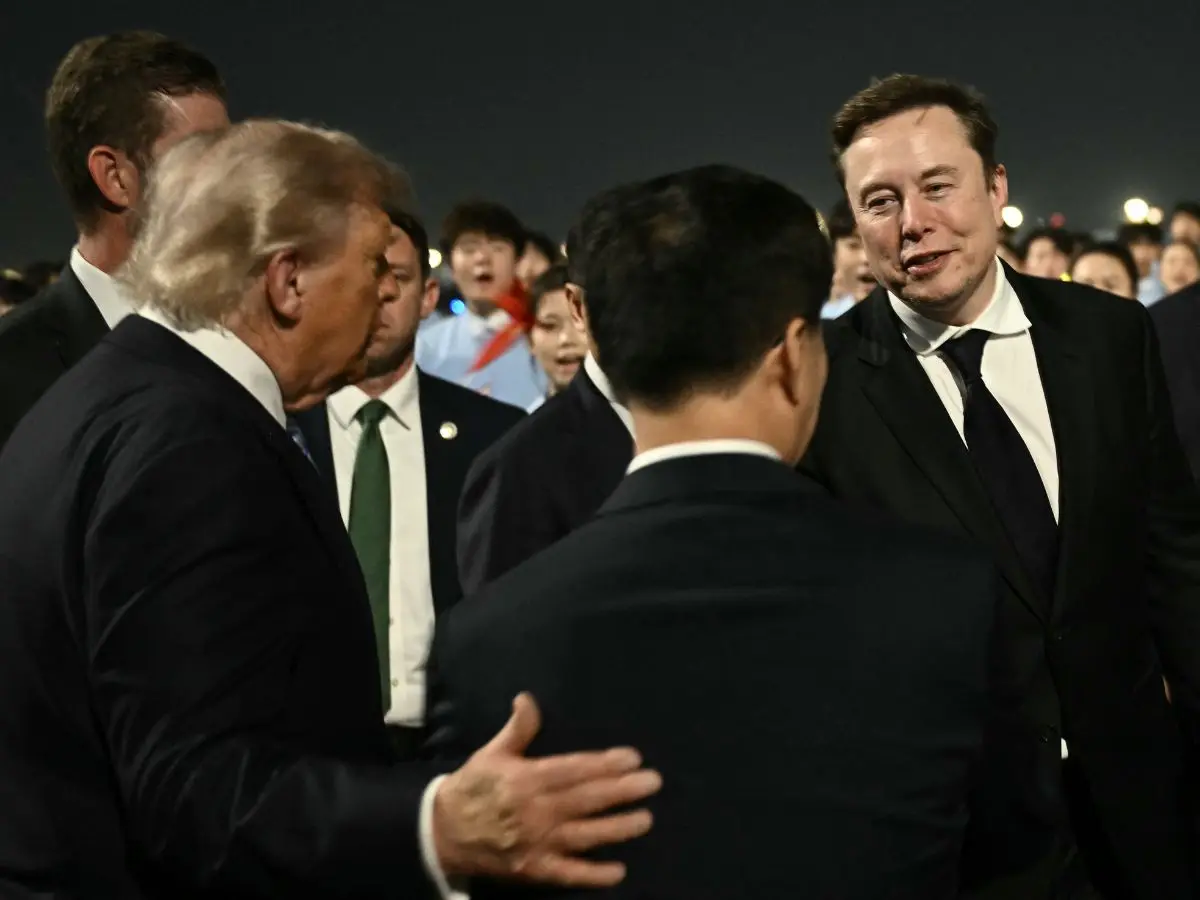)
Trump-Xi state dinner 2026: Who is invited? Full guest list of tech CEOs, business leaders and officials
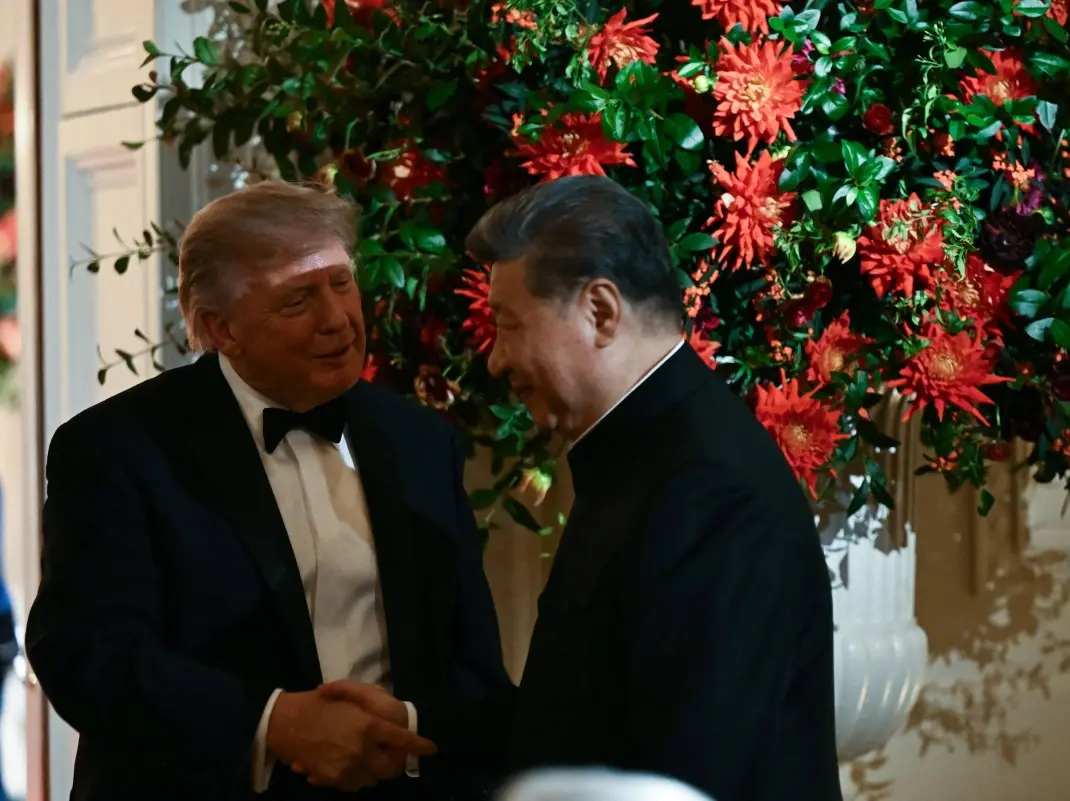)
'Making history': Xi Jinping praises Trump as US-China leaders dine at White House
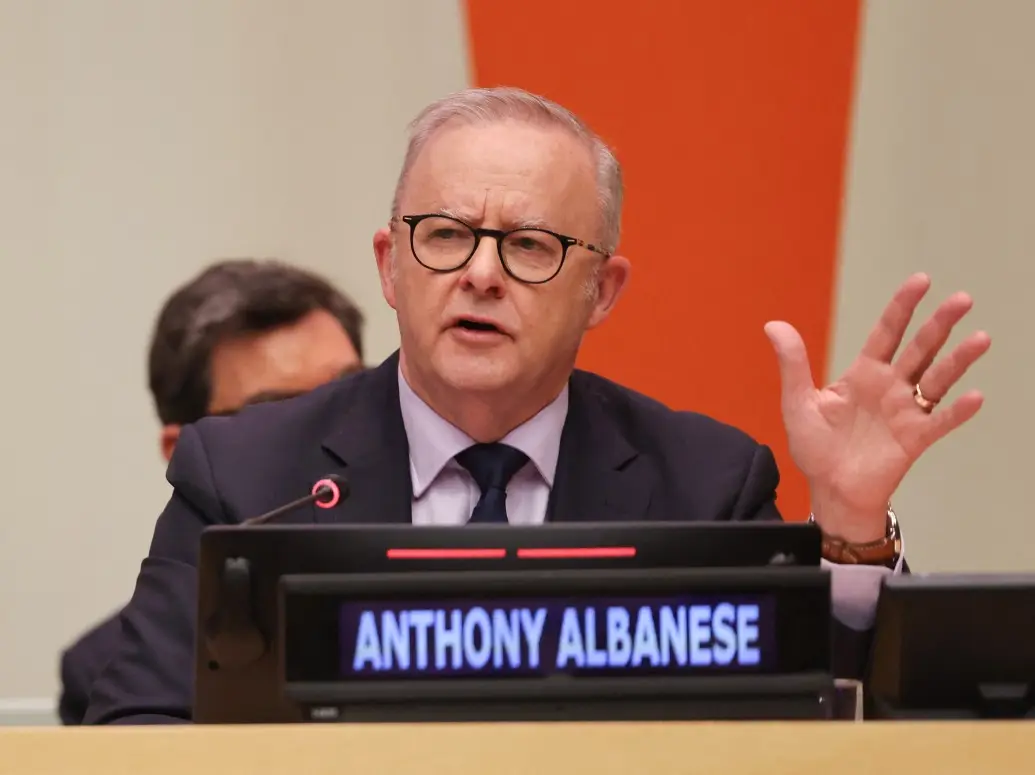)
Australian PM Anthony Albanese calls OpenAI AI incident 'unacceptable' after restricted data access
)
'What kind of confession is this?': Pakistan PM Shehbaz Sharif’s 'terrorists would be roaming New York' remark goes viral, raises alarm online. Watch
&im=FitAndFill=(700,400))
Netanyahu at UN: Mass walkout, attack on Mamdani and Iran threats | In Pics
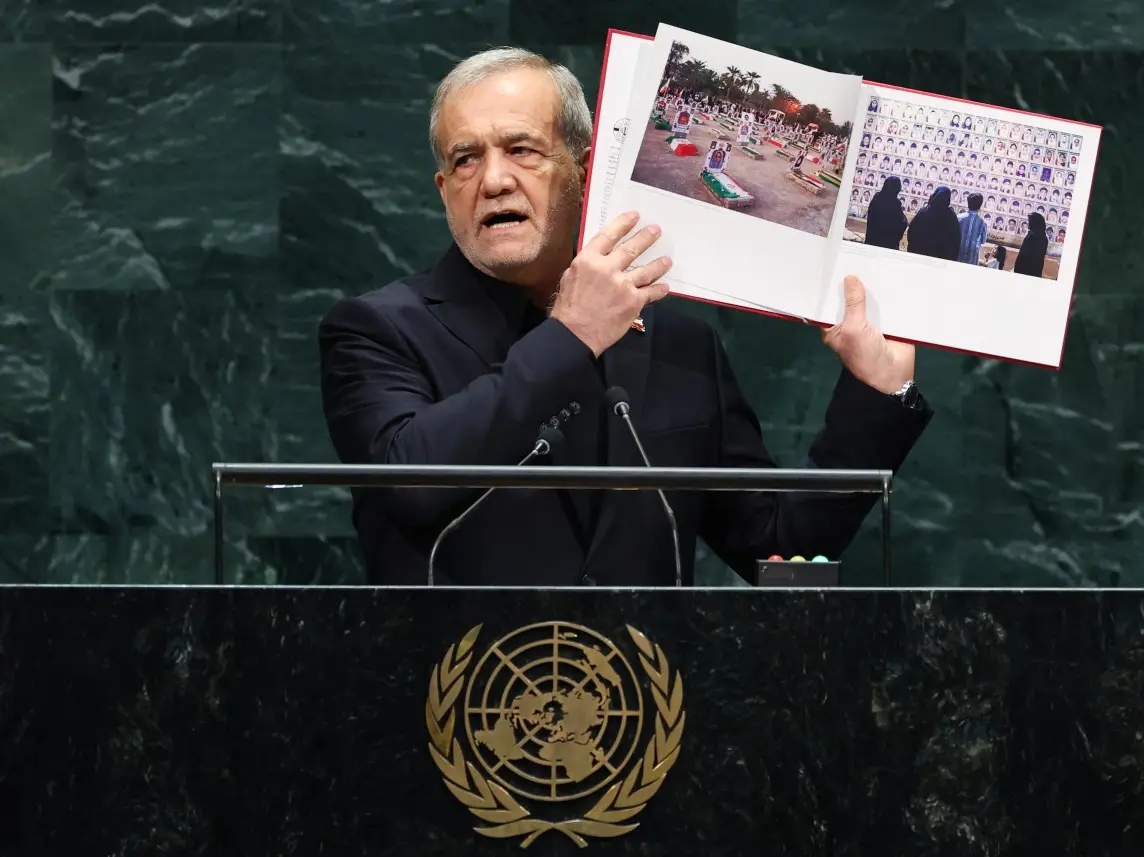)
'We do not wish to continue. It's America that must choose': Iran president Pezeshkian calls on US to end war
)
WION Iconic Tourism Summit: How local tourism MSMEs must upskill for AI integration
)
Russia likely to target Spain, France and Italy in drone attacks, warns CIA: Report
)
Trump’s Board of Peace unveils $2.45bn Gaza plan,66 projects: But where’s the money?
)
EC appointment law: Why is the 2023 act controversial, and what happens next? WION explains
)
Ram Mandir donation theft case: Trust gets clean chit, Champat Rai made prosecution witness; 70,000-page charge sheet filed
)
Who is Lt-Gen Nauman Mahmood, Pakistan's first secretary general of Makkah Defence Alliance?
)
Israeli envoy to US Yechiel Leiter’s son critically injured in West Bank ramming attack
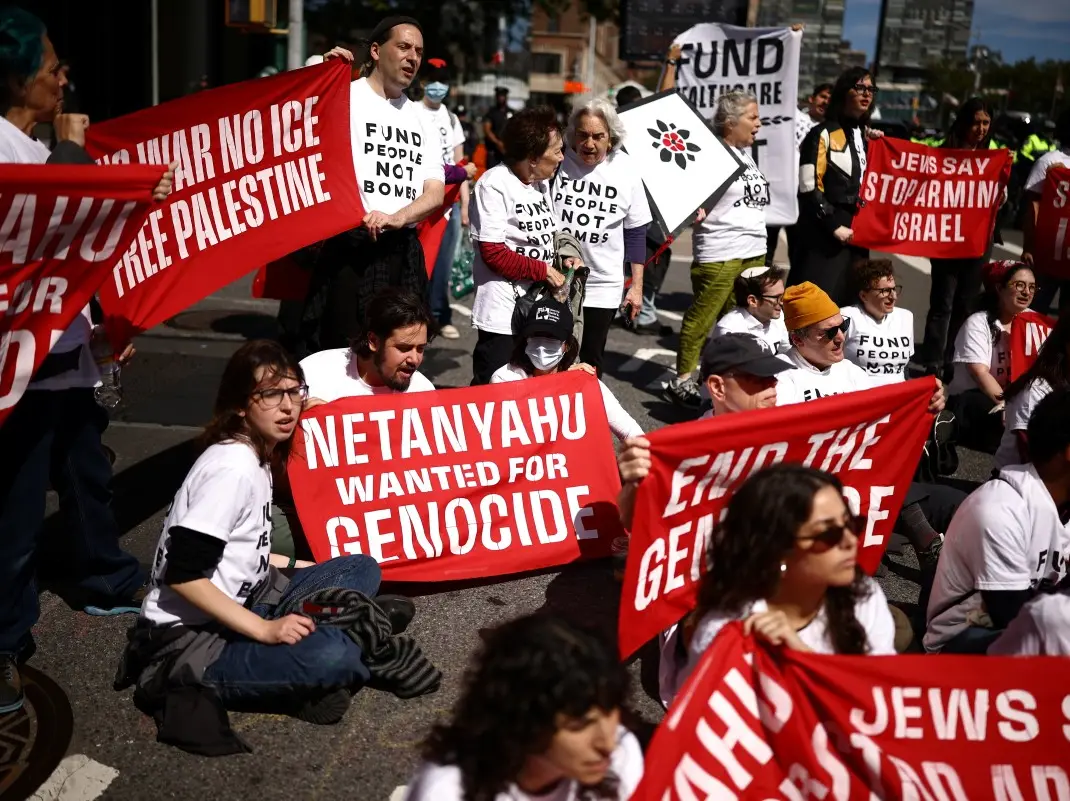)
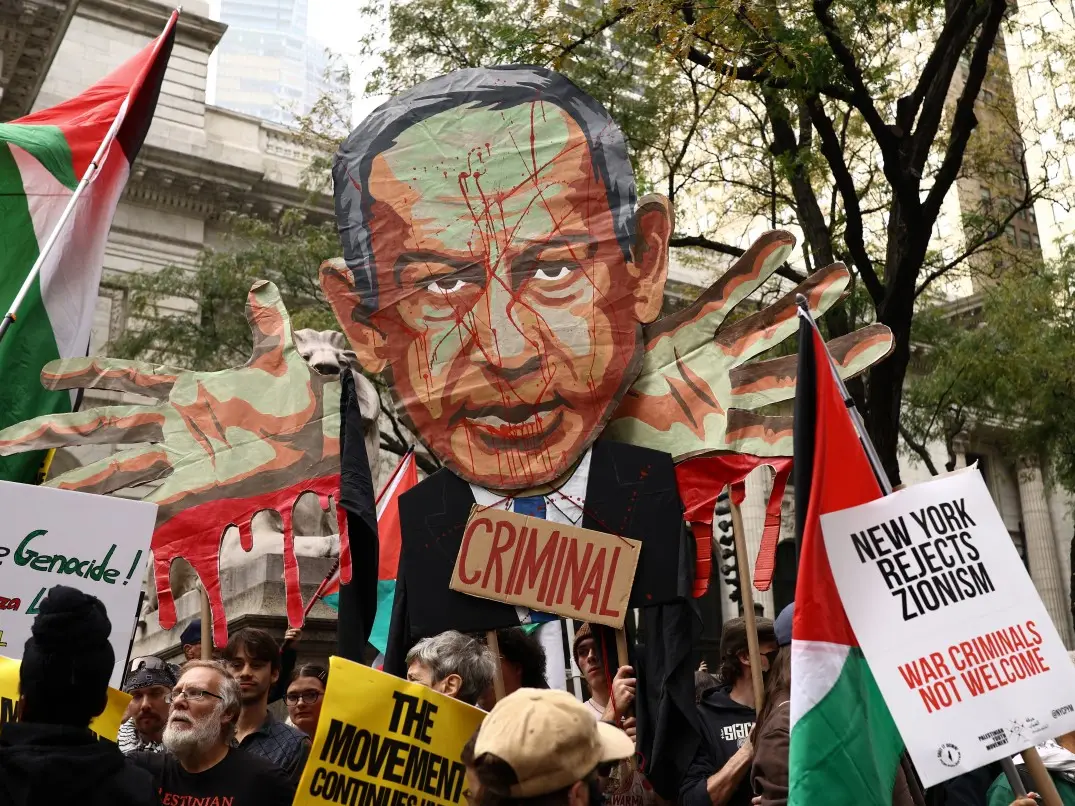
'Fund people, not bombs': Hundreds take to New York streets as Netanyahu delivers speech at UN; dozens arrested
)
WATCH | China President Xi Jinping lands in US as Trump greets him ahead of high-stakes summit
Toyota has set an ambitious target of selling 3.5 million EVs annually by 2030, with nearly half of these vehicles to be produced by the BEV Factory unit. In 2023, Toyota sold 104,000 EVs, indicating a significant ramp-up in production will be necessary to meet its future goals. The introduction of next-generation batteries is expected to play a crucial role in achieving these targets.
Primearth EV Energy to Operate the Plant
According to media reports, the new battery plant will be operated by Primearth EV Energy, a Toyota subsidiary that specialises in producing batteries for hybrids, plug-in hybrids, and purely battery-powered vehicles. This move underscores Toyota's commitment to leveraging its existing expertise in battery technology to support the transition to a fully electric future.
Uncertainty Around Investment and Timeline
While media reports highlights Toyota's plans for the new battery plant, details regarding the investment amount and the start date for construction remain unspecified. The newspaper did not disclose the source of its information, leaving some questions unanswered. However, the decision to establish a battery plant in Fukuoka reflects Toyota's proactive approach to addressing the growing demand for EVs and its strategic focus on expanding its production capacity in key regions.
Strategic Importance of Kyushu
Kyushu's selection as the site for the new battery plant is strategic. The island's location offers several advantages, including proximity to other key Asian markets and well-established logistics infrastructure. By making Kyushu a central part of its EV supply chain, Toyota can enhance its operational efficiency and reduce transportation costs, making its EVs more competitive in the global market.
Toyota's plans to build a new EV battery plant in Fukuoka mark a significant step in the automaker's journey towards electrification. The integration of this plant with the Miyata facility, where Lexus vehicles are produced, is expected to boost Toyota's production capabilities and support its ambitious sales targets for 2030. While some details remain unclear, the establishment of the battery plant underscores Toyota's commitment to innovation and its strategic focus on leading the global transition to electric mobility. As the world’s top-selling automaker, Toyota’s initiatives in Kyushu will likely have far-reaching implications for the EV industry and the broader automotive market.
(Inputsfrom Reuters)