Toyota shifts focus solely on hybrid-only models as EV demand fades

File photo of the Toyota logo.
Toyota, despite being one of the slower legacy automakers to embrace fully electric vehicles, may become the first to phase out cars powered exclusively by gasoline. Nearly three decades after introducing the groundbreaking Prius hybrid, Toyota is now considering converting the majority, if not all, of its Toyota and Lexus models to hybrid-only versions, according to two Toyota executives who spoke with Reuters.
This focus on hybrids, which some might view as stubborn, is part of a larger strategy by the world's largest automaker to challenge the prevailing industry and regulatory assumption that all vehicles will be fully electric soon. In January, Toyota Chairman Akio Toyoda expressed his belief that the global market share of electric vehicles would peak at just 30 per cent. Instead of fully committing to EVs, Toyota advocates for a "multi-pathway" approach that includes hybrids, electric vehicles, hydrogen fuel-cell vehicles, green fuels, and potentially other emerging technologies.
David Christ, head of sales and marketing for Toyota in North America, told Reuters that the company plans to evaluate each car line individually to determine if an all-hybrid approach makes sense. These assessments will occur with every model redesign, if not earlier. For instance, the company is currently considering overhauling the RAV4, America's best-selling SUV, for the 2026 model year. Hybrid variants of the RAV4 already account for about half of its sales.

Sources familiar with Toyota's product planning discussions indicate that the automaker is likely to discontinue the gasoline-only version of the RAV4 for the North American market, although a final decision has not been made. Toyota has already taken similar steps with other popular models. The Camry, America's best-selling sedan, will no longer be offered in a gasoline-only version for the 2025 model year. Similarly, the rugged Land Cruiser and Sienna minivan are now only available as hybrids.
Many of these hybrid-only models are expected to also come in plug-in hybrid versions with larger batteries, according to sources who wished to remain anonymous. This shift towards an all or nearly all hybrid lineup in North America has not been previously reported.
Toyota's hybrid strategy aims to reinforce its already strong position in a market segment that has experienced renewed interest as demand for fully electric vehicles has slowed, partly due to their high prices and charging infrastructure challenges. Toyota's hybrid vehicles seamlessly switch between gasoline and electric power, or use both simultaneously, depending on driving conditions. Their plug-in hybrids can be charged and typically offer about 40 miles (64 km) of all-electric range before requiring the use of their gasoline engines.
)
Trump-Xi Summit: Trade, Taiwan and the red lines shaping US-China talks | Race To Power
)
US citizen injured in Illinois after ICE agents mistook him for fugitive, hospitalised
)
US judge questions Trump’s decision to ban CNN, MS NOW and Politico from White House
)
Afghan woman cyclist who disguised herself as a boy to escape Taliban, wins Asian Games medal
)
Trump signs Greenland security deal with Denmark, paving way for two new US military bases
)
IND vs JPN T20I: How an overturned wide became point of difference between India's win and a tie
)
IIT Bombay CCTV footage emerges: Sahil Wakode seen looking at phone in examination hall
)
Cyclone Arnab: Landfall expected before midnight tomorrow as IMD issues orange alerts across six states
)
NBA player Steven Adams shares hilarious GTA VI theory
)
TMC revives impeachment push against CEC Gyanesh Kumar after report of internal dissent
)
WION Iconic Tourism Summit 2026: Union Minister Shekhawat on 'experiential travel', peace diplomacy
)
ICC plans T20I expansion and fewer ODIs in 2027–2031 FTP cycle: Report
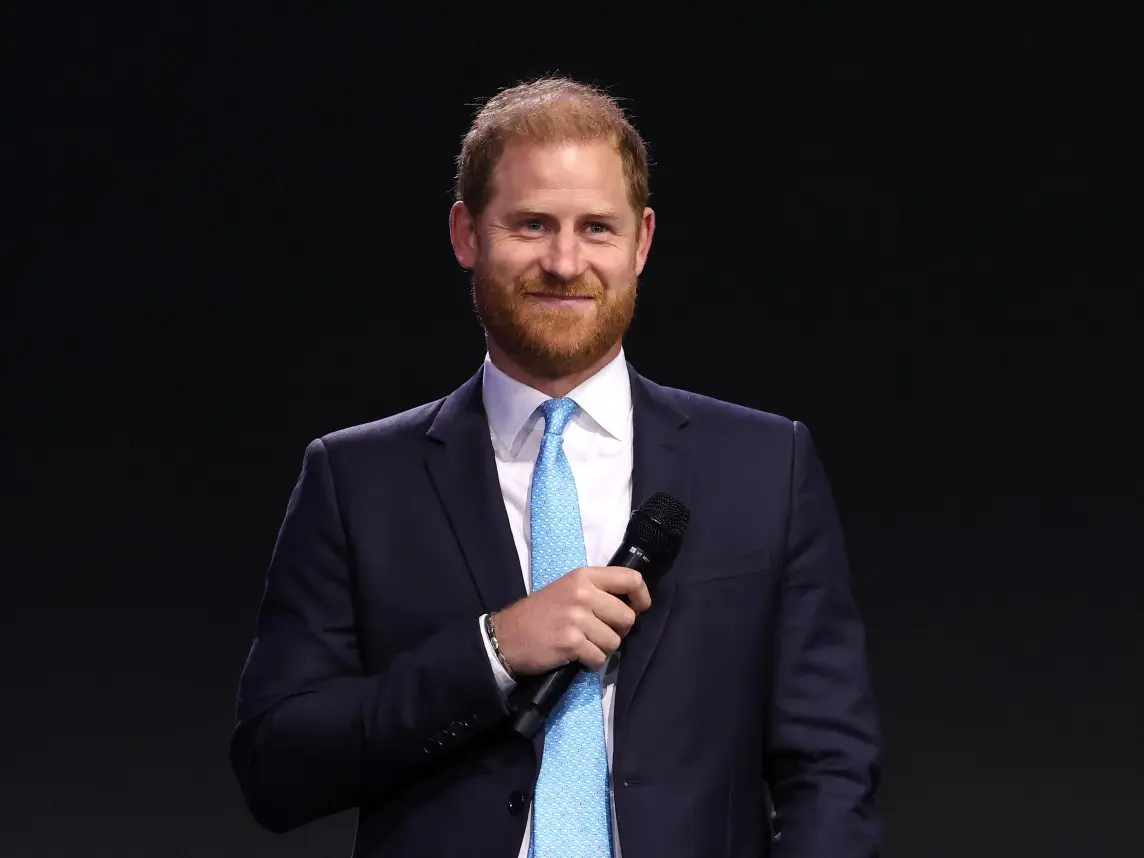)
'AI got into my speech': Prince Harry jokes after teleprompter failure at event in New York
)
WION Iconic Tourism Summit: Seychelles envoy says India partnership is important for Seychelles
)
Scientists detect first radio signals directly from faraway planet
)
China to test supersonic jet that moves at Mach 2, double the speed of sound
)
WION Iconic Tourism Summit: 'Hanuman Ansh' Director on blockbuster success
)
Open AI, Anthropic CEO urges caution over rapid AI development at UN Security Council, call for 'extreme care'
)
Bomb scare in New York amid UNGA: Suspicious suitcase found near UN headquarters
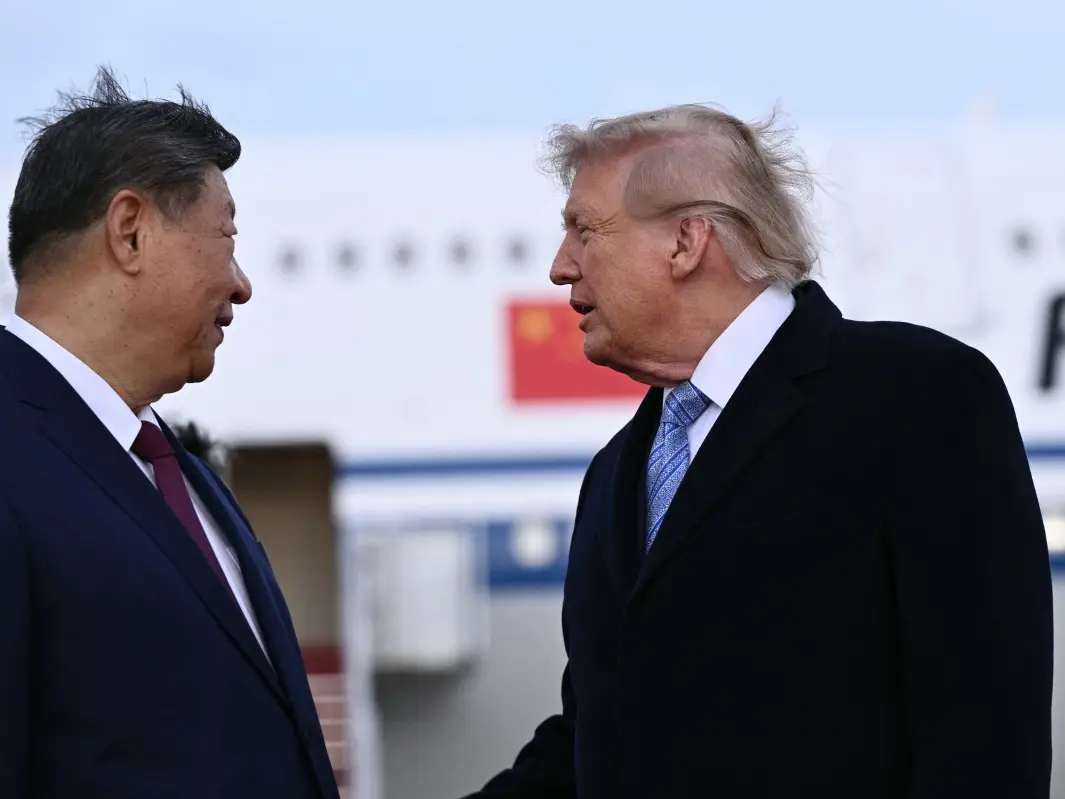)
Hours before Xi-Trump meeting, US announces visa curbs targeting birth tourism: What is it?
)
WION Iconic Tourism Summit: Is India's travel boom outrunning its airports, airlines and hotels?
)
WION Iconic Tourism Summit and Awards 2026: Key voices to discuss India’s tourism future
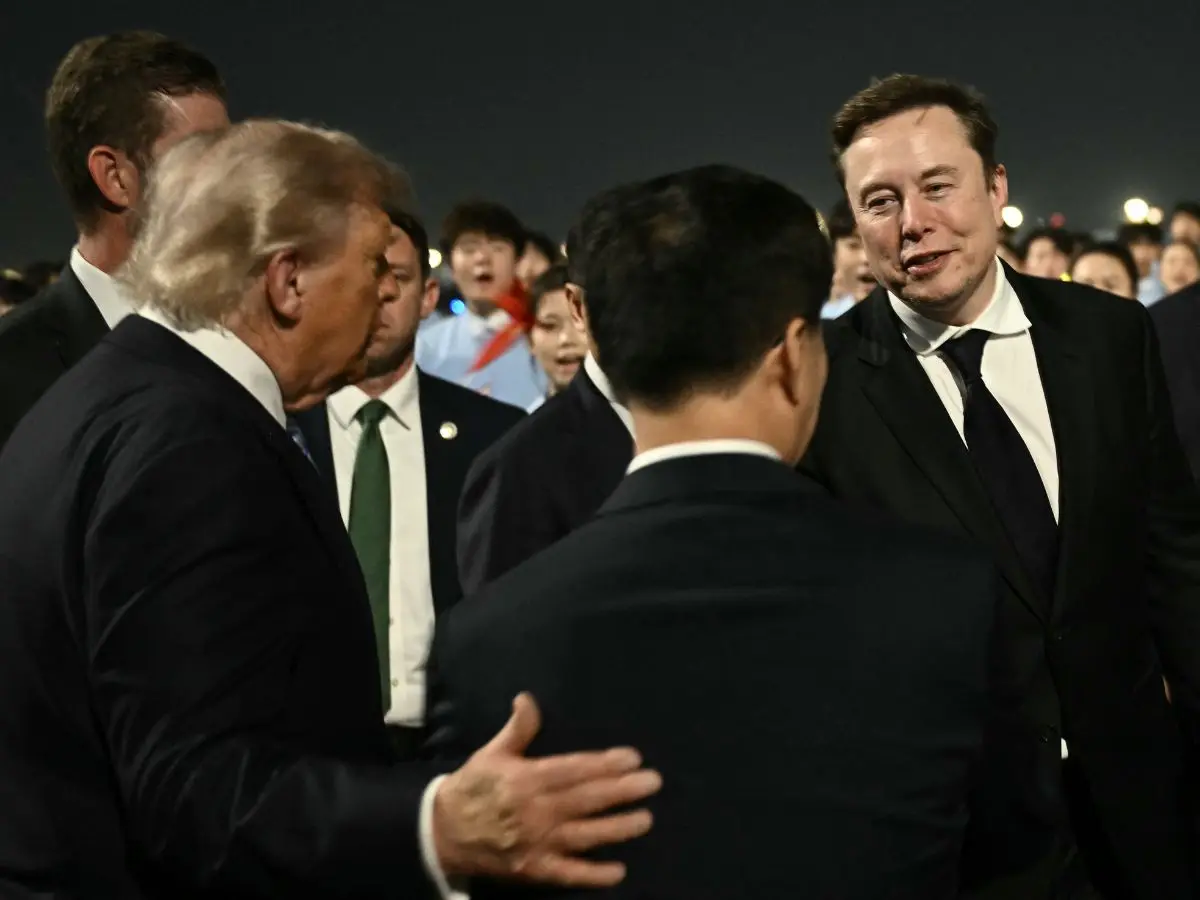)
Trump-Xi state dinner 2026: Who is invited? Full guest list of tech CEOs, business leaders and officials
)
American manufacturing is reshoring faster than its factory floors can absorb
&im=FitAndFill=(700,400))
New OTT releases this week (September 21-27, 2026): Shaque: Trust No One, Hunkkaar, Don’t Be Shy- 5 new titles coming to Netflix, Prime Video and more
)
WATCH | China President Xi Jinping lands in US as Trump greets him ahead of high-stakes summit
)
Australian PM Anthony Albanese calls OpenAI AI incident 'unacceptable' after restricted data access
)
'What kind of confession is this?': Pakistan PM Shehbaz Sharif’s 'terrorists would be roaming New York' remark goes viral, raises alarm online. Watch
)
WION Iconic Tourism Summit: How local tourism MSMEs must upskill for AI integration
)
Elephants hide behind trees, stage surprise attack on poachers targeting rhinos in South Africa
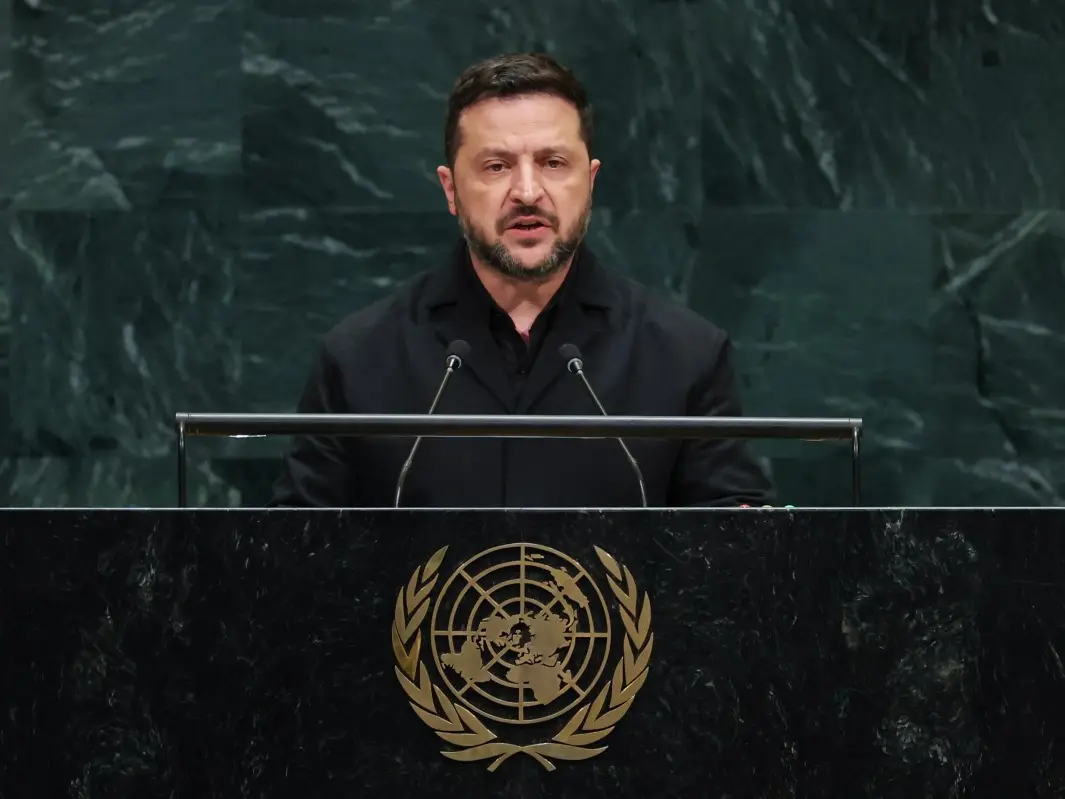)
'Putin is patient zero': Zelensky slams Russian president at UNGA, accuses him of using fighters from 47 countries
&im=FitAndFill=(700,400))
National Film Awards 2026: Kartik Aaryan, Mammootty, Yami Gautam, Randeep Hooda and other key winners
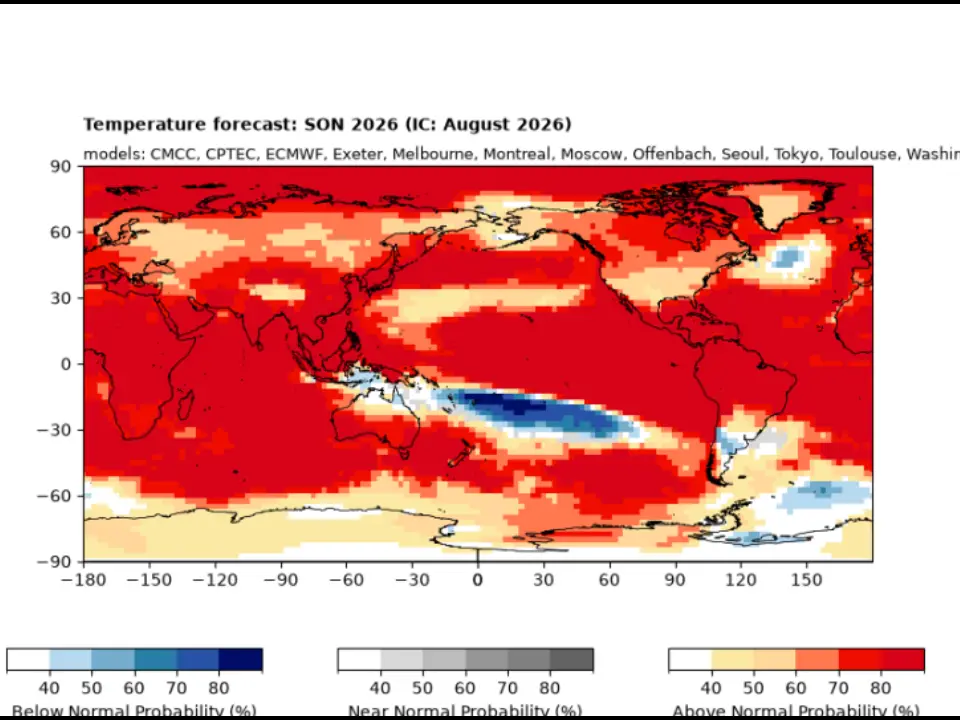)
El Niño 2026 heats up to become strongest in 1,000 years
)
Israeli envoy to US Yechiel Leiter’s son critically injured in West Bank ramming attack
&im=FitAndFill=(700,400))
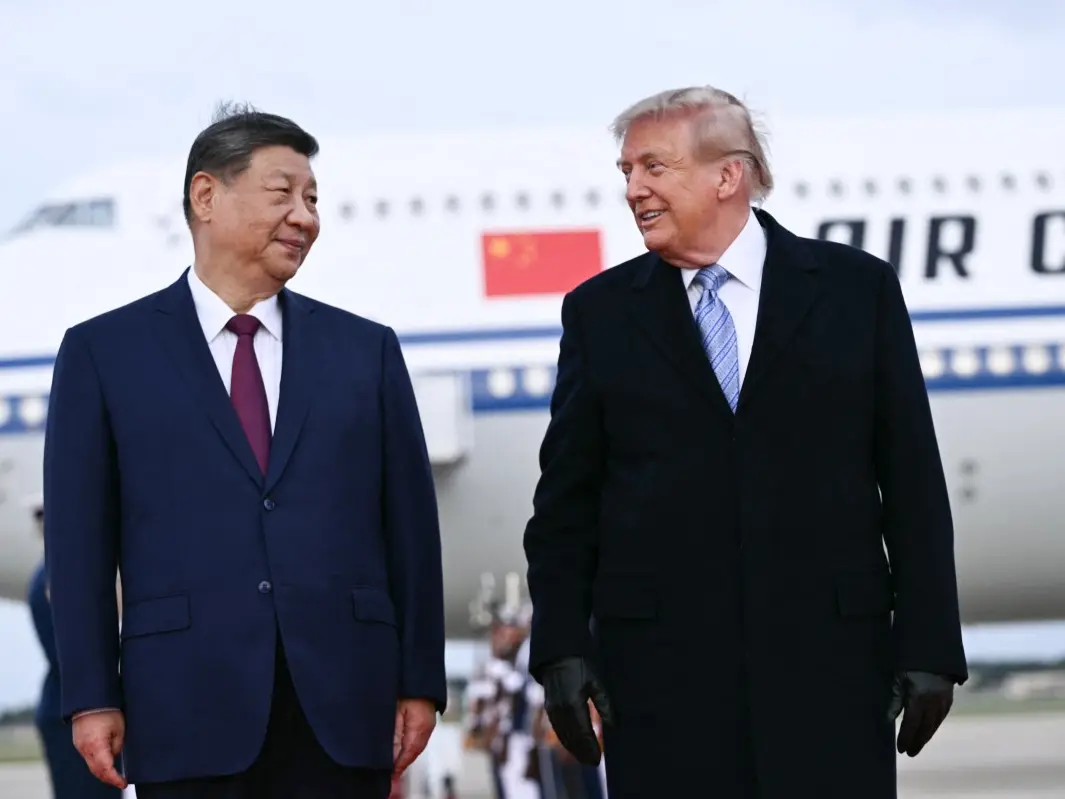
Trump welcomes Xi Jinping in rare airport gesture: Photos from Chinese President's arrival in US
)
Anne Hathaway to run in supporting race for Nolan's epic
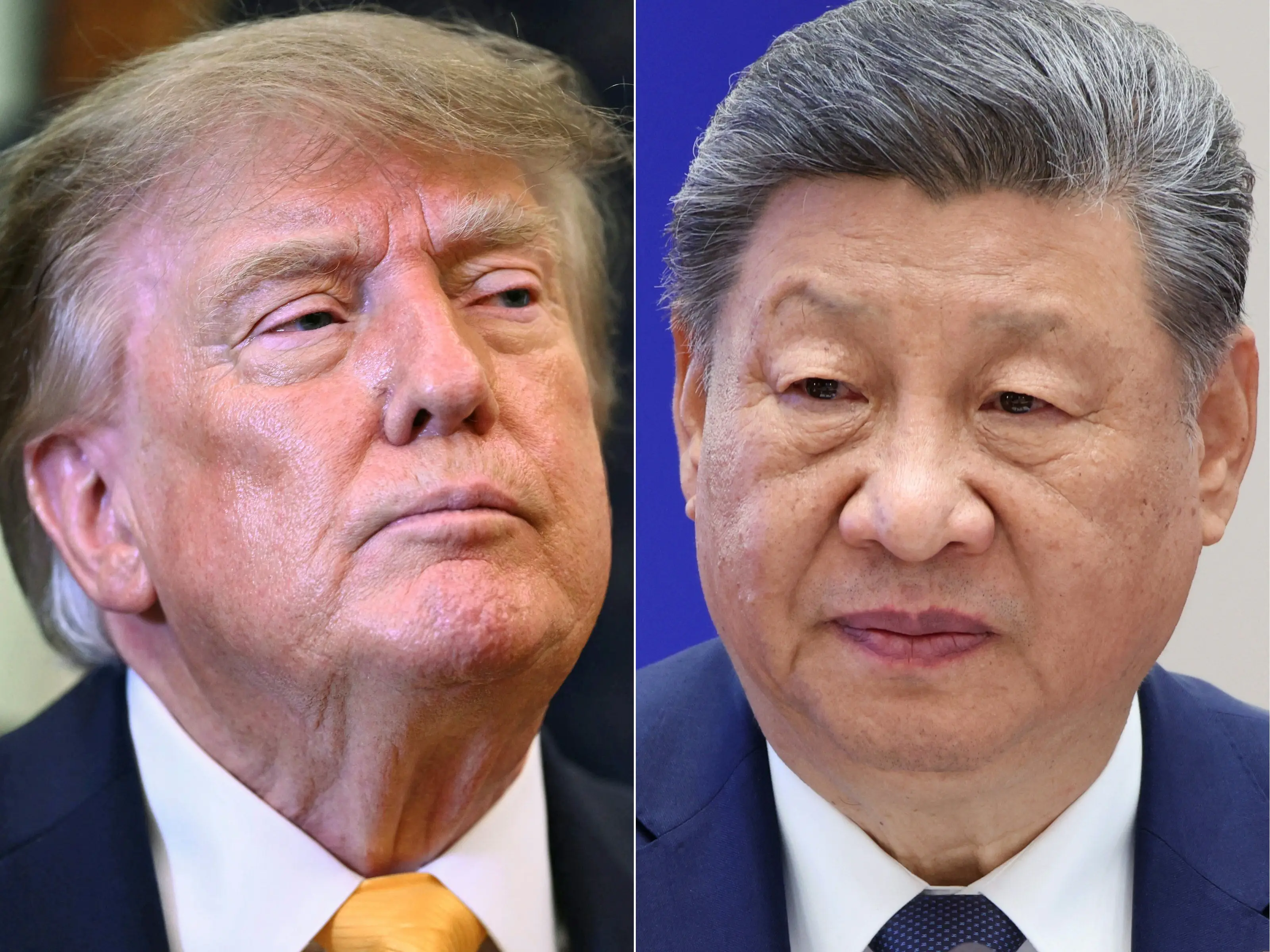)
Xi-Trump meeting: China’s human rights red line and past protests explained
Currently, excluding two EVs and a fuel-cell vehicle, Toyota and Lexus offer 31 models in North America. Of these, eight are already hybrid-only, while another eight are available only in gasoline versions.
This hybrid-focused approach is expected to give Toyota significant advantages in complying with increasingly stringent U.S. carbon emissions regulations. As the U.S. government implements stricter pollution limits, Toyota's growing hybrid sales could potentially save the company billions of dollars in regulatory fines and development costs. This strategy also buys Toyota more time to develop fully electric vehicles or other zero-emission technologies.
The new emissions standards, which were announced in March, will take effect from the 2027 model year and continue through 2032. However, Toyota has not set a specific deadline for transitioning to an all-hybrid lineup. Christ noted that certain models, such as pickup trucks and economy cars, may take longer to convert due to consumer sensitivity to price increases on entry-level versions.
In addition to its hybrid push, Toyota aims to convert about 30 per centof its global fleet to fully electric vehicles by 2030. This will be achieved by focusing on electric versions of a small number of its top-selling models, according to sources familiar with Toyota's product planning. The company has previously announced plans to invest USD35 billion in new batteries and EV platforms by that time.
Toyota recently showcased a small prototype combustion engine that could potentially run on biofuels or low-carbon synthetic gasoline and be paired with hybrid drivetrains. However, the primary goal of downsizing the engine was to enable Toyota to develop hybrids in a new way. Instead of starting with a gasoline car and adding a battery, the company plans to begin with its new EV platform and incorporate small engines to create more efficient hybrid options.
One source suggests that the first hybrid based on this new platform and engine will likely be a Corolla plug-in hybrid, expected to launch in China in 2026 and the United States in 2027.
Toyota's success with hybrids is the result of decades of investment in reducing costs and improving the efficiency and performance of its gasoline-electric powertrains. For most Toyota models, the decision to go hybrid-only is becoming increasingly logical for both the automaker and its customers, as the additional cost for hybrid technology has dropped to less than USD2,000 per vehicle. Moreover, while early hybrids were known for their lack of power, today's hybrid models often outperform their gasoline-only counterparts.
These advancements have addressed the two main consumer concerns that previously limited hybrid adoption. As a result, the hybrid market share in the U.S. has grown from less than 3 per centof all sales in 2019 to 11.3 per centcurrently, with rapid growth continuing, according to auto services specialist Cox Automotive.
Toyota has experienced even more dramatic growth due to its dominance in the hybrid sector. Hybrid vehicles accounted for just 9 per centof Toyota's sales in 2018, but as of June 2023, that figure has risen to 37 per cent. This surge in hybrid sales has been a key factor in driving Toyota's profits and stock prices to all-time highs this year.
Christ expects Toyota's hybrid sales to continue accelerating, projecting that hybrids will constitute well over 50 per centof the company's total volume next year. In the first half of 2023, Toyota's U.S. hybrid sales increased by 66 per centcompared to the previous year, reaching 438,845 vehicles. In contrast, the company's EV sales for the same period were just 15,107 units.
Toyota's strategy of offering more plug-in hybrids is designed to take advantage of U.S. emissions rules that provide substantial credit for reducing pollution. This approach is now feasible due to Toyota's new battery plant in North Carolina, which is expected to have 14 production lines capable of producing 30 gigawatt-hours (GWh) of batteries annually by 2030.
Although plug-in hybrids have historically sold in lower volumes than traditional hybrids due to their higher cost (typically USD5,000 to USD6,000 more than comparable gasoline models), Toyota sees them as an important part of its future lineup.
Katsuhiko Hirose, a former Toyota manager who led global powertrain planning from 2001 until his retirement in 2019, believes that mass-market hybrid sales will provide Toyota with valuable time to develop EVs and other next-generation technologies. Hirose, now a visiting professor at Japan's Kyushu University and an energy consultant, estimates that U.S. regulations will essentially require Toyota to transition to an almost entirely hybrid lineup by around 2030, with an increasing proportion of plug-in hybrids, to avoid regulatory fines or other costs.
In Hirose's view, this hybrid-focused strategy will give Toyota more flexibility in determining the pace and scale of its EV rollout, allowing the company to avoid feeling pressured to produce electric vehicles before it's fully prepared to do so.