Toyota revises its 2026 global EV output plans


Toyota Motor corp
Toyota Motor Corporation, Japan's leading automaker has reportedly revised its electric vehicle (EV) production plans for 2026, according to a report by the Nikkei business daily. The adjustment shows a significant reduction of one-third from their previously announced targets, aligning Toyota with a growing trend among automakers, reassessing their EV strategies in response to slower-than-expected market adoption.
The revised plan now aims for a production volume of 1 million EVs in 2026, a substantial decrease from the earlier stated sales target of 1.5 million units. This recalibration of expectations reflects the challenges faced by the automotive industry in predicting and meeting the pace of EV adoption among consumers.
In response to the Nikkei report, Toyota issued a statement addressing the situation. The company maintained that there has been no alteration to its intention of producing 1.5 million EVs annually by 2026 and scaling up to 3.5 million by 2030.

However, Toyota clarified an important distinction, noting that these figures should be considered as benchmarks for shareholders rather than concrete production targets. This nuanced clarification suggests a degree of flexibility in Toyota's approach to EV production, allowing for adjustments based on market dynamics and consumer demand.
It's worth noting that even the potentially reduced goal of 1 million EVs per year represents an ambitious leap for Toyota. The company has historically focused more heavily on hybrid technology, which has been a cornerstone of its eco-friendly vehicle strategy. In contrast, Toyota's pure EV sales have been relatively modest, with approximately 104,000 units sold in the previous year. This figure underscores the significant scaling up required to meet even the revised production goals, as EVs currently constitute only about one per cent of Toyota's global sales volume.
Toyota's reported recalibration of its EV strategy is not an isolated incident in the automotive industry. Recently, Volvo Cars, the Swedish automaker known for its commitment to electrification, announced a revision to its ambitious goal of transitioning to an all-electric lineup by 2030. The company now anticipates that some hybrid models will still be part of its product range at that time, indicating a more gradual approach to full electrification.
&imwidth=180&imheight=135&format=webp&quality=medium)
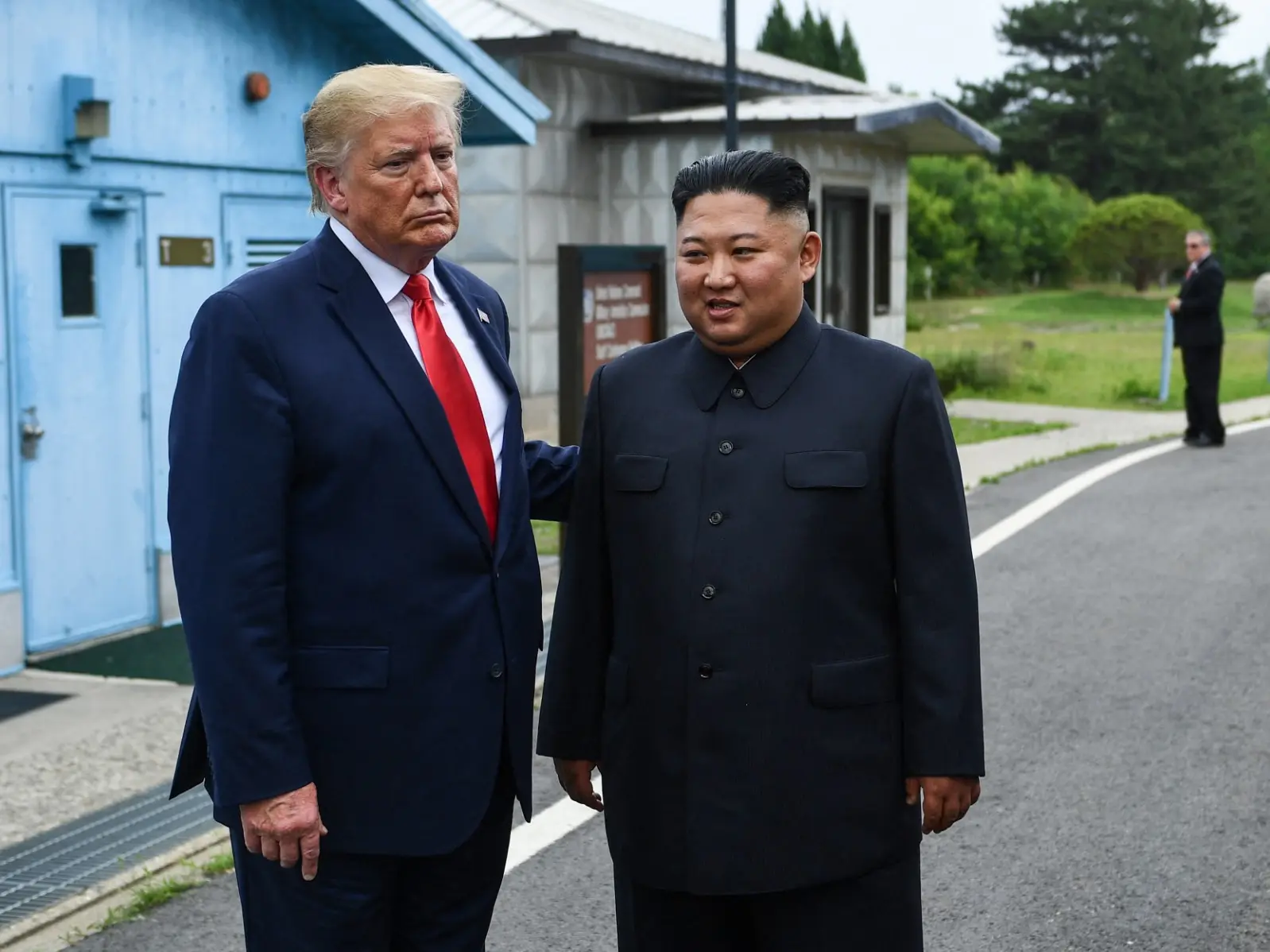
Trump says he 'may' meet North Korean leader Kim Jong Un during upcoming Asia trip
&im=FitAndFill=(700,400)&imwidth=180&imheight=135&format=webp&quality=medium)
Navratri 2026: 9 days, 9 forms of Goddess Durga and 9 colours- Check the complete list
&imwidth=180&imheight=135&format=webp&quality=medium)
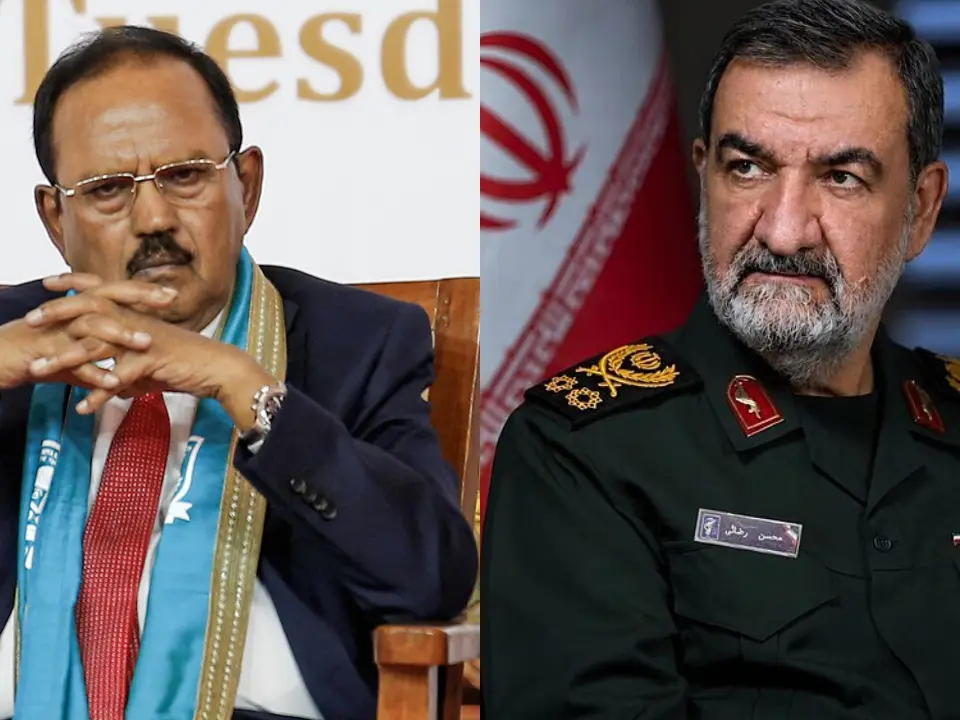
India's Ajit Doval, Iran's Mohsen Rezaei hold talks amid escalating West Asia tensions, discuss 'issues of mutual interest'
&imwidth=180&imheight=135&format=webp&quality=medium)
Opposition’s 10 demands in Supreme Court petition range from stay on SIR to audit of voter rolls
&imwidth=180&imheight=135&format=webp&quality=medium)
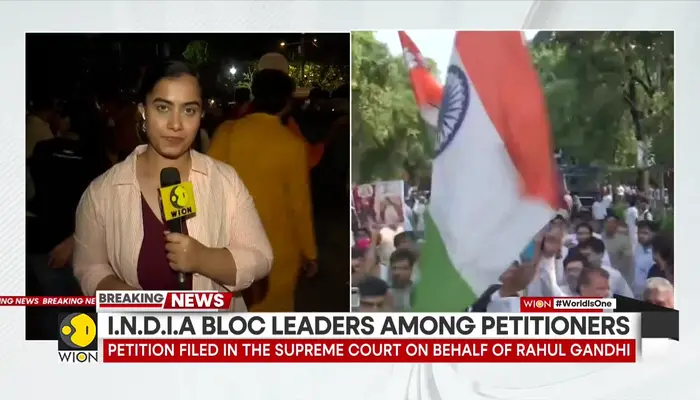
Anti-SIR protest in Mumbai: Protestors wear black masks & ribbons in Mumbai
&imwidth=180&imheight=135&format=webp&quality=medium)
'Almost certainly': UK Prime Minister Andy Burnham says Iran's IRGC behind RAF Fairford threat
&im=FitAndFill=(700,400)&imwidth=180&imheight=135&format=webp&quality=medium)
New OTT releases this week (October 12-18, 2026): Sacrifice, Koffee with Karan S9, Roadies Rebirth- 6 titles coming on Netflix, JioHotstar and more
&imwidth=180&imheight=135&format=webp&quality=medium)
Girl 'dead' for 8 hours wakes up at her own funeral, dad insists she wasn't breathing
&imwidth=180&imheight=135&format=webp&quality=medium)
Pakistan's government blames PTI for rise of terrorism in Khyber Pakhtunkhwa
&imwidth=180&imheight=135&format=webp&quality=medium)
Sidhu Moose Wala’s younger brother wins hearts by recreating late singer’s signature move at Toronto Hologram Show
&imwidth=180&imheight=135&format=webp&quality=medium)
'I will not be silenced': Ilhan Omar alleges political intimidation after federal officers search her Washington home
&im=FitAndFill=(700,400)&imwidth=180&imheight=135&format=webp&quality=medium)
How does a robot decide what to do next?
&imwidth=180&imheight=135&format=webp&quality=medium)
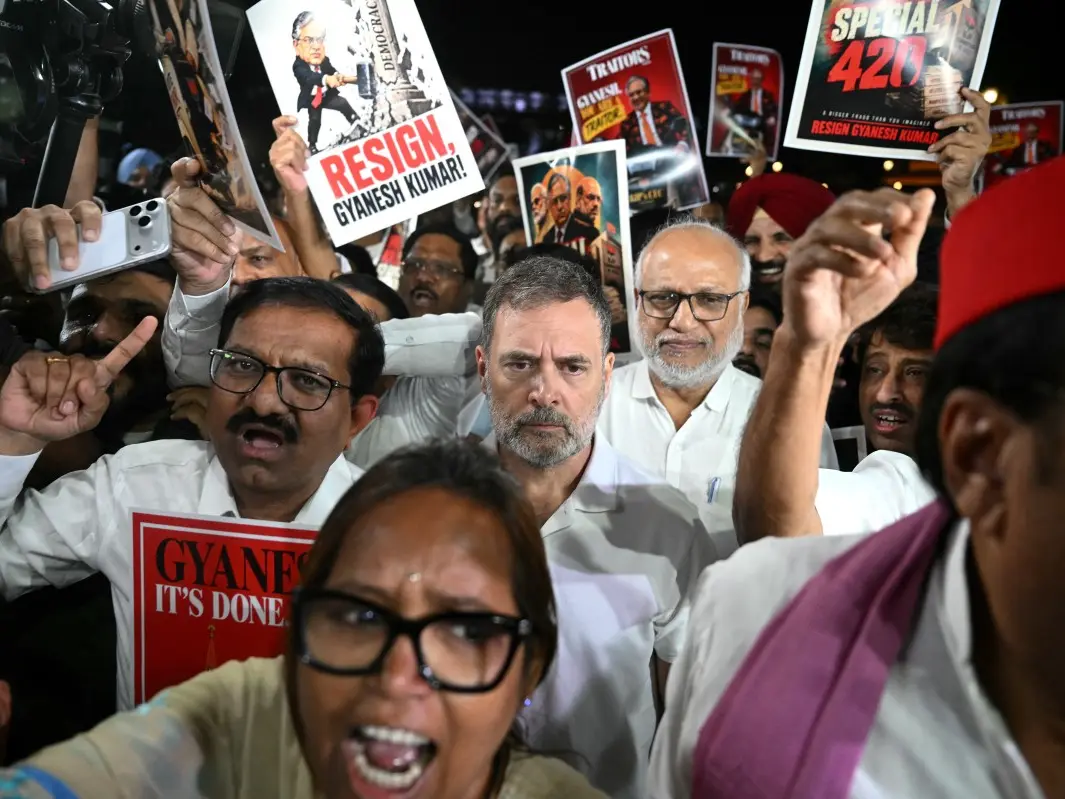
Rahul Gandhi's plea against Election Commission delayed as Supreme Court registry flags 14 ‘defects’
&imwidth=180&imheight=135&format=webp&quality=medium)
'Turn approver, resign, we'll forgive you': Rahul Gandhi claims receiving messages from CEC Gyanesh Kumar
&imwidth=180&imheight=135&format=webp&quality=medium)
'Ouch!!! That must hurt': Kangana Ranaut hails Kamal Haasan's sharp reply to Elon Musk over Starlink row
&imwidth=180&imheight=135&format=webp&quality=medium)
UK school ditches technology, shifts from screen to pen and paper for learning
&imwidth=180&imheight=135&format=webp&quality=medium)
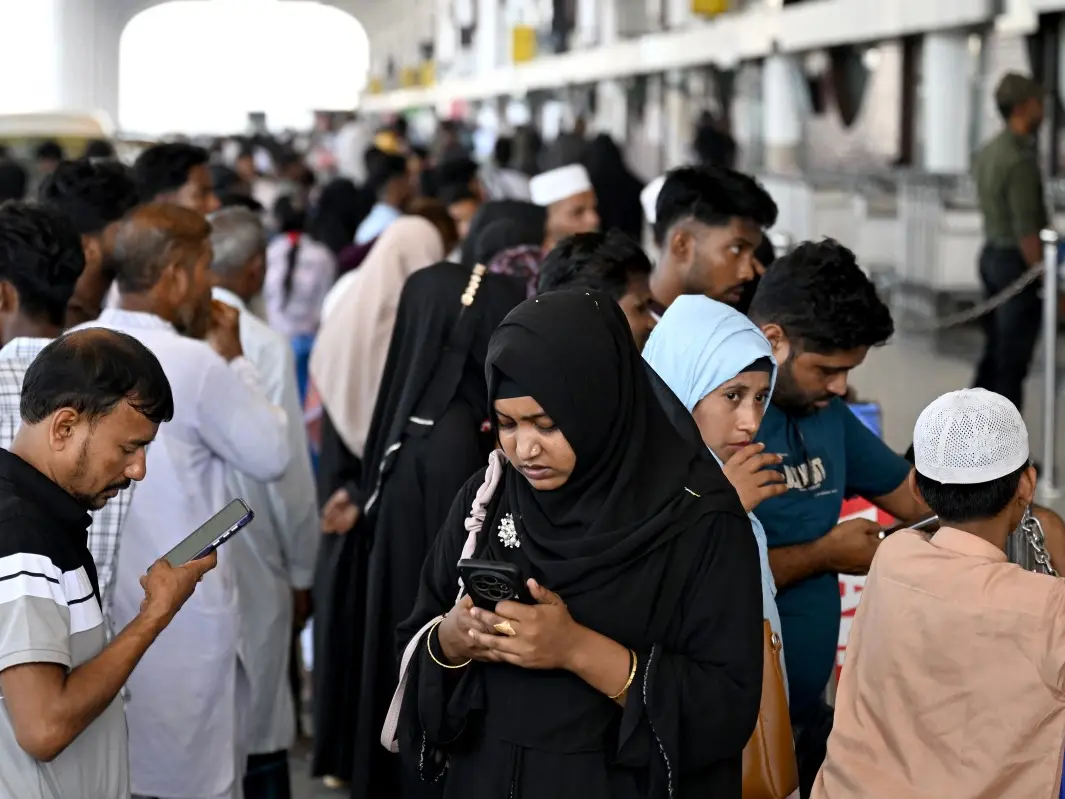
Houthis warns US of 'painful response' if Washington joins Saudi war in Yemen as airlines suspend flights to Saudi Arabia
&imwidth=180&imheight=135&format=webp&quality=medium)
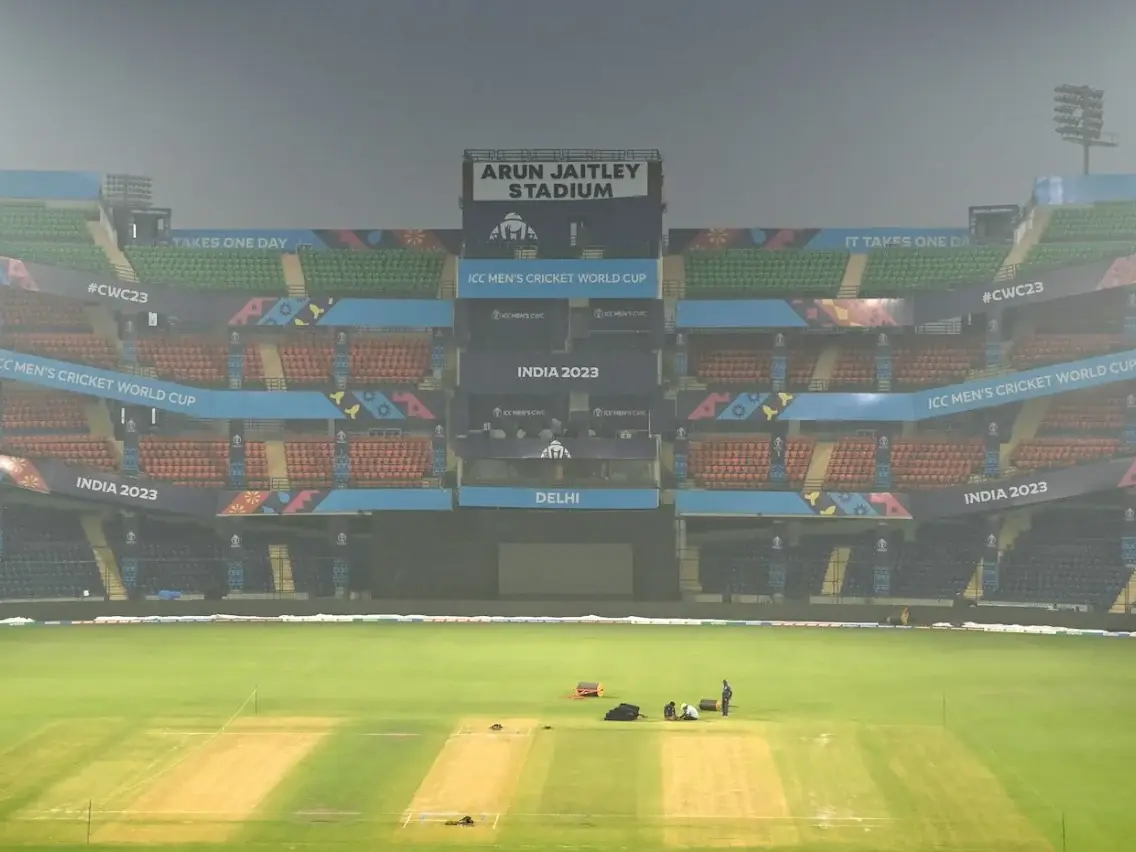
BCCI rejects venue shift reports, India vs Sri Lanka 1st ODI to remain in Delhi
&imwidth=180&imheight=135&format=webp&quality=medium)
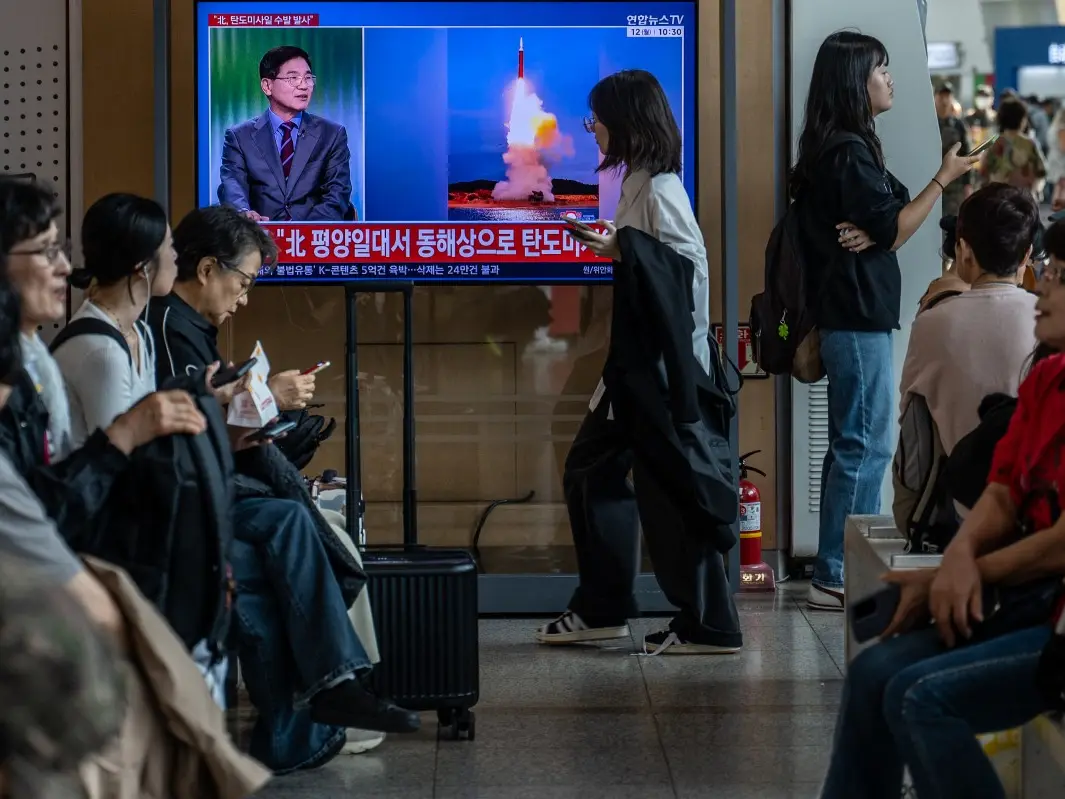
Korean peninsula tensions escalate as North Korea launches multiple ballistic missiles, PACOM says 'no threat to US personnel'
&imwidth=180&imheight=135&format=webp&quality=medium)
Elon Musk pumps $276 million into Republican campaigns ahead of US midterm elections
&imwidth=180&imheight=135&format=webp&quality=medium)
Congress demands action against chief election commissioner
&imwidth=180&imheight=135&format=webp&quality=medium)
Trump weighs firing Kimberly Guilfoyle as US ambassador to Greece amid misconduct allegations: Report
&imwidth=180&imheight=135&format=webp&quality=medium)
'Absolutely disgusting': Australia slams US plan to livestream Nidal Hasan's execution; Mike Johnson raises concerns, warns of terrorist propaganda
&imwidth=180&imheight=135&format=webp&quality=medium)
UK PM Andy Birnham renews claims of Russian meddling in Brexit vote
&imwidth=180&imheight=135&format=webp&quality=medium)
China’s gold rush puts billion in focus
&imwidth=180&imheight=135&format=webp&quality=medium)
Delhi protest: CJI Surya Kant declines to meet India Bloc leaders
&imwidth=180&imheight=135&format=webp&quality=medium)
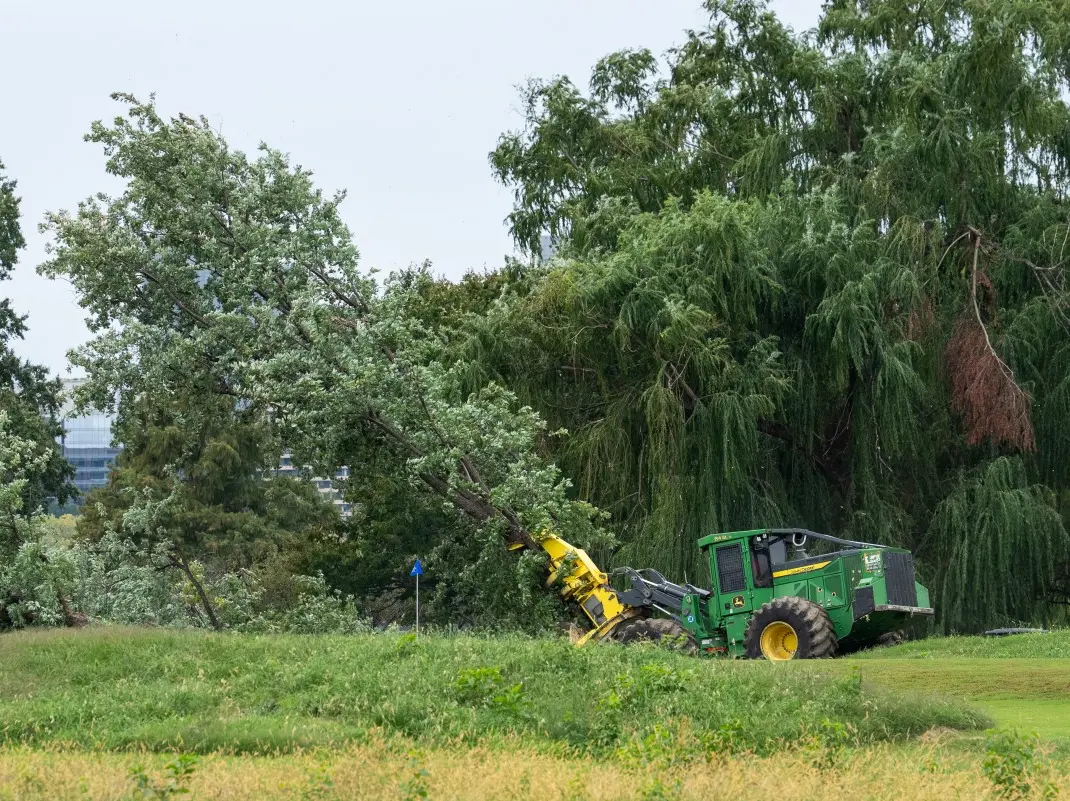
'I am thoroughly unamused': Judge slams Trump administration after 400 trees cut at Washington golf course
&imwidth=180&imheight=135&format=webp&quality=medium)
Robotic surgery, advanced treatment: What is coming to this small Gujarat town?
&imwidth=180&imheight=135&format=webp&quality=medium)
‘This is just the start’: Maaya Rajeshwaran on historic ITF title, confidence boost and future goals
&imwidth=180&imheight=135&format=webp&quality=medium)
1,500 drones illuminate Mumbai sky as Cordelia Cruises unveils second ship, Cordelia Sky
In the United States, major automakers including Ford and General Motors have also been adjusting their EV plans. These companies have either postponed the introduction of new electric models or cancelled certain projects altogether. These decisions are largely driven by a desire to avoid substantial investments in vehicle segments where consumer demand has not met initial projections. The slower-than-anticipated uptake of EVs by consumers has prompted these automakers to reassess their strategies and allocate resources more cautiously.
These industry-wide adjustments reflect the complex challenges faced by automakers as they navigate the transition to electric mobility. Factors such as consumer preferences, charging infrastructure development, battery technology advancements, and regulatory environments all play crucial roles in shaping the pace and direction of EV adoption. As the automotive landscape continues to evolve, it's likely that we'll see further refinements and adaptations in EV strategies across the industry, as companies strive to balance their long-term visions with short-term market realities.