LG Energy Solution explores partnerships with Chinese firms for low-cost EV batteries in Europe

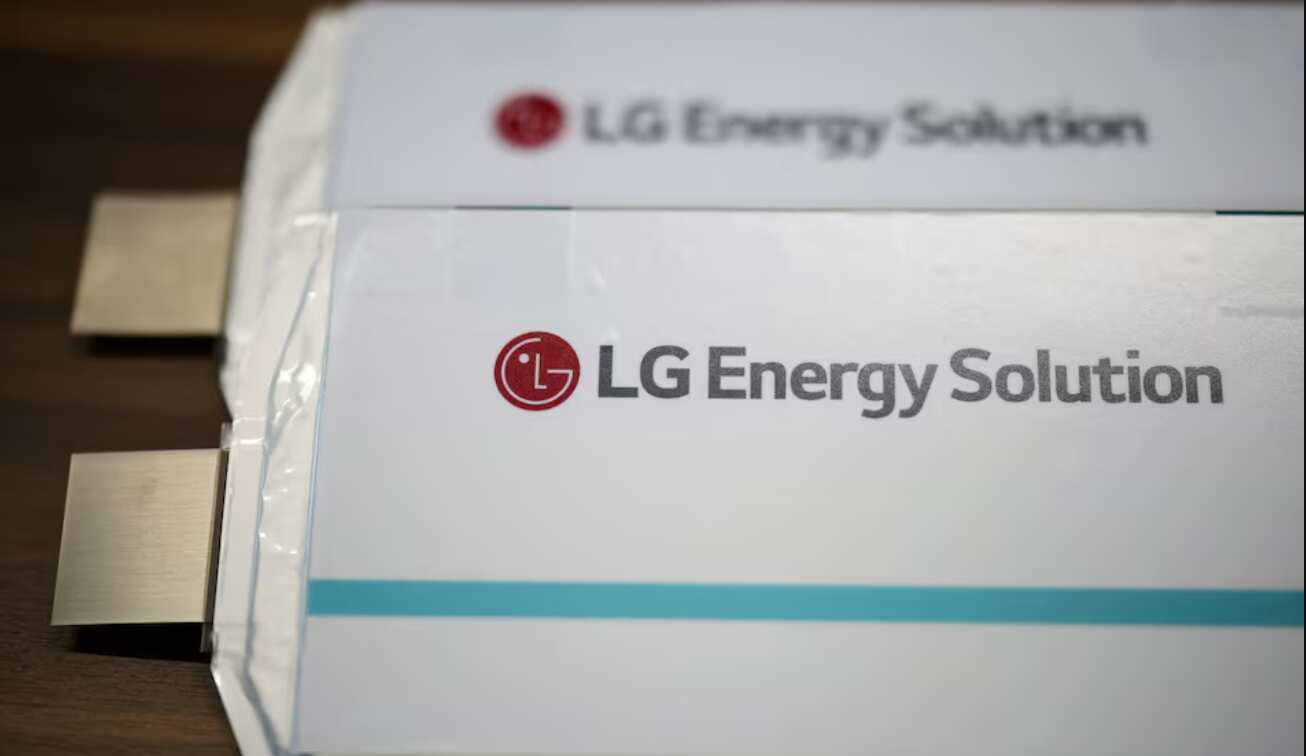
LG Energy Solution explores partnerships with Chinese firms
South Korea's LG Energy Solution (LGES) is actively engaging in discussions with approximately three Chinese suppliers to manufacture low-cost EV batteries for the European market. This development comes in the wake of the European Union's recent decision to impose additional tariffs on China-built EVs, signalling a shift in the competitive landscape.
Wonjoon Suh, leader of LGES' advanced automotive battery division, revealed to Reuters that the company is considering various collaborative measures, including the establishment of joint ventures and the signing of long-term supply agreements. The primary goal of these partnerships is to enable LGES to reduce its lithium iron phosphate (LFP) battery manufacturing costs to levels comparable with its Chinese competitors within a three-year timeframe.
The potential collaborations underscore the growing pressure non-Chinese battery manufacturers face from automakers to lower prices in line with their cheaper Chinese rivals. This pressure has intensified as the global EV industry grapples with a sharp slowdown in demand, prompting manufacturers to seek more cost-effective solutions.

LGES' move aligns with recent industry trends, exemplified by French automaker Renault's announcement to incorporate LFP battery technology in its mass-produced EVs. Renault has chosen both LGES and Chinese rival CATL as partners to establish a supply chain in Europe, highlighting the increasing importance of diverse battery technologies and suppliers.
The European Commission's decision in June to impose an extra tariff of up to 38% on EVs imported from China has catalysed a flurry of investment pledges by Chinese EV makers and battery firms in Europe. This regulatory shift has prompted companies like LGES to explore new strategies to maintain competitiveness in the European market.
LGES is currently considering three potential locations for LFP cathode production in collaboration with Chinese firms: Morocco, Finland, and Indonesia. The focus on Europe is driven by the region's stronger demand for affordable EV models, with this segment accounting for approximately half of the region's EV sales, a higher proportion than in the United States.
&imwidth=180&imheight=135&format=webp&quality=medium)
'Hell of a beautiful a**': Trump compliments Nicki Minaj as rapper joins him in Michigan rally
&imwidth=180&imheight=135&format=webp&quality=medium)
Telangana unveils AI avatar of IT minister D Sridhar Babu at Hyderabad DevFest 2026
&imwidth=180&imheight=135&format=webp&quality=medium)
Who is Eyal Zamir, Israeli army chief, who reportedly clashed with Netanyahu over Iran?
&imwidth=180&imheight=135&format=webp&quality=medium)
US Midterms: Trump targets Norway over Nobel Peace Prize snub, likens Abdul El-Sayed to 9/11 hijackers
&imwidth=180&imheight=135&format=webp&quality=medium)
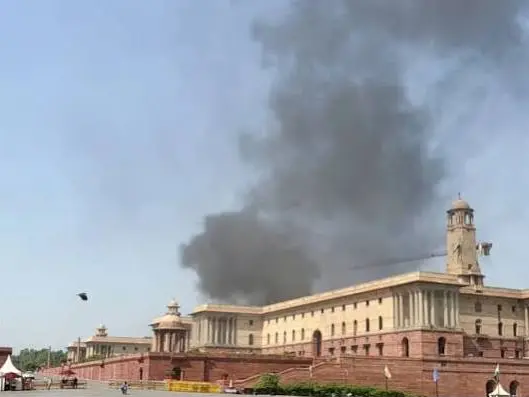
Fire breaks out at Delhi’s North Block, thick black smoke seen | VIDEO
&imwidth=180&imheight=135&format=webp&quality=medium)
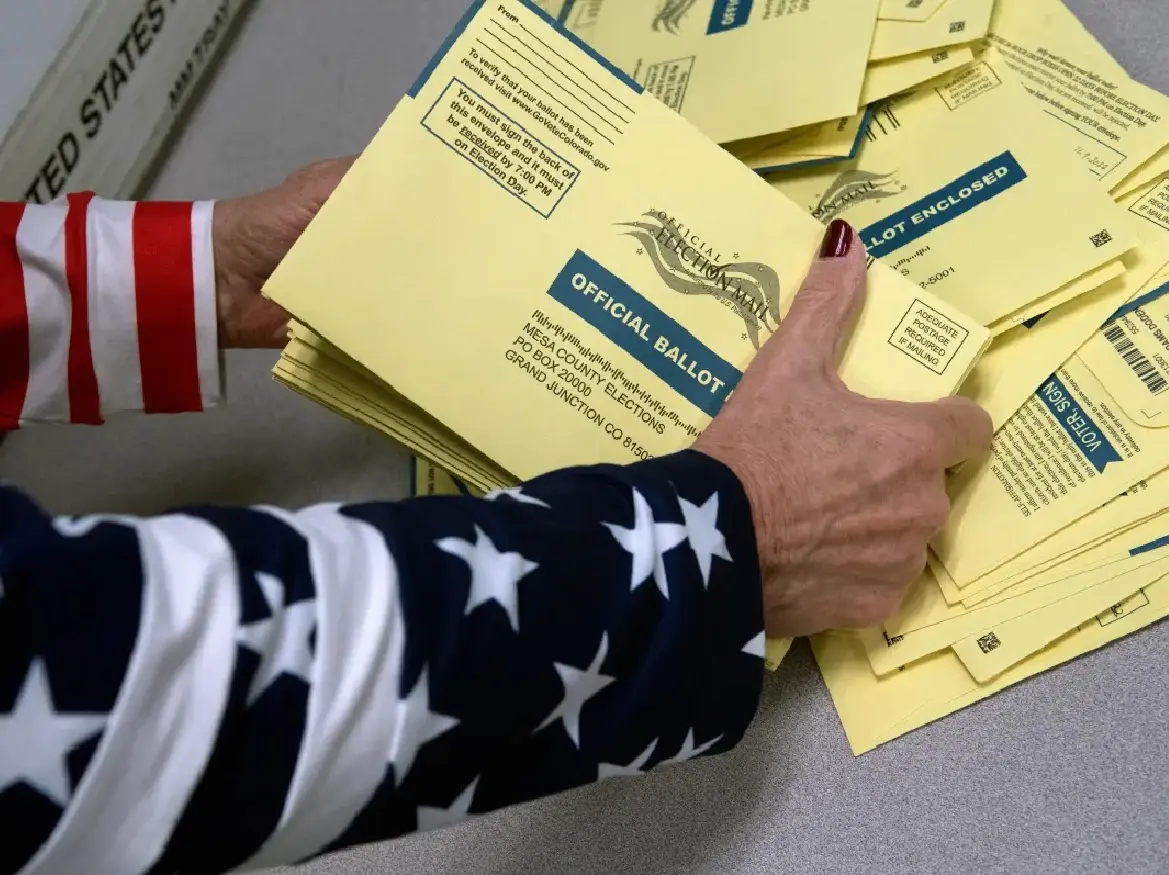
US midterms 2026: Election workers face rising threats, vote-counting process under pressure
&im=FitAndFill=(700,400)&imwidth=180&imheight=135&format=webp&quality=medium)
Armoured vehicles vs main battle tanks: What is the real difference?
&imwidth=180&imheight=135&format=webp&quality=medium)
Pahalgam, Gulmarg record season’s first sub-zero temperatures as winter chill intensifies in Kashmir
&imwidth=180&imheight=135&format=webp&quality=medium)
IND vs NZ: Tilak Varma sets world record with most T20I catches in a year
&imwidth=180&imheight=135&format=webp&quality=medium)
FIR filed against opposition MPs for ‘trespassing’ amid Jamia Millia students’ protest
&imwidth=180&imheight=135&format=webp&quality=medium)
Can Putin cheat death? All about his daughter’s billion-dollar quest for immortality
&im=FitAndFill=(700,400)&imwidth=180&imheight=135&format=webp&quality=medium)
How do army night-vision systems see in almost complete darkness?
&imwidth=180&imheight=135&format=webp&quality=medium)
Daler Mehndi controversy: Mika Singh’s team confirms Subodh Uniyal’s apology
&imwidth=180&imheight=135&format=webp&quality=medium)
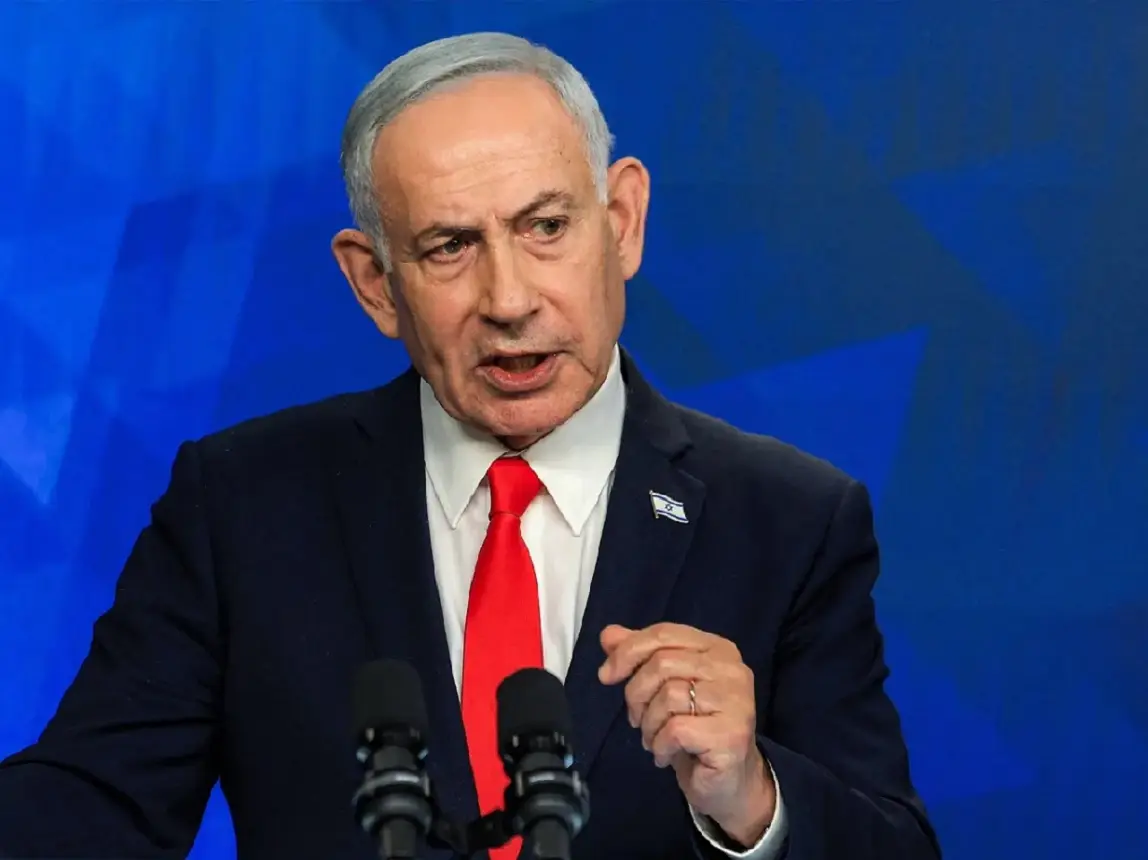
Netanyahu warns Israelis of ‘existential threat’ from Iran, posts AI image of nuclear strike
&imwidth=180&imheight=135&format=webp&quality=medium)
Brazil re-elects factory worker Lula for fourth term; Indian PM Modi congratulates 'dear friend'
&imwidth=180&imheight=135&format=webp&quality=medium)
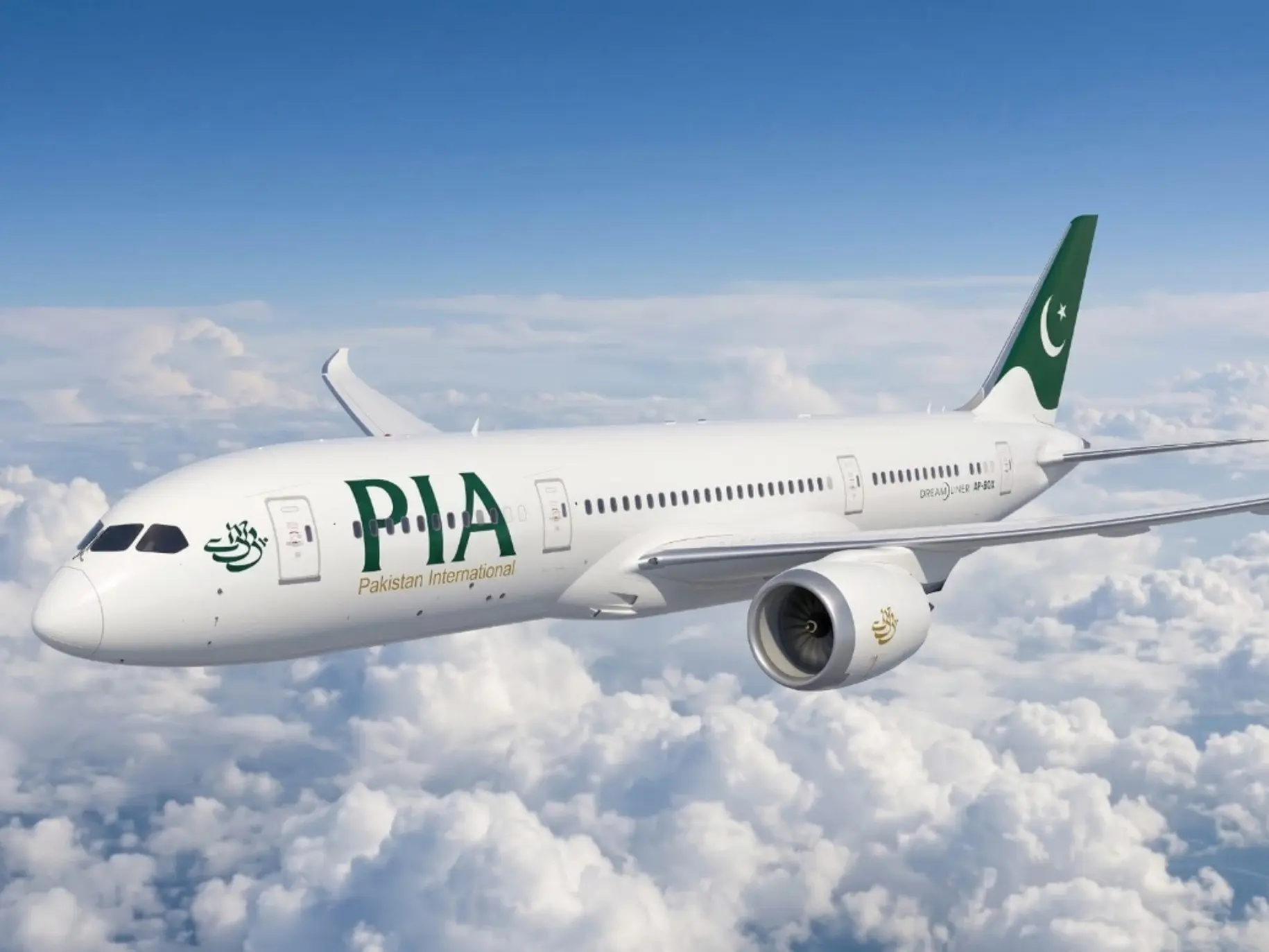
Pakistan airline PIA unveils new crew uniforms, faces online criticism
&imwidth=180&imheight=135&format=webp&quality=medium)
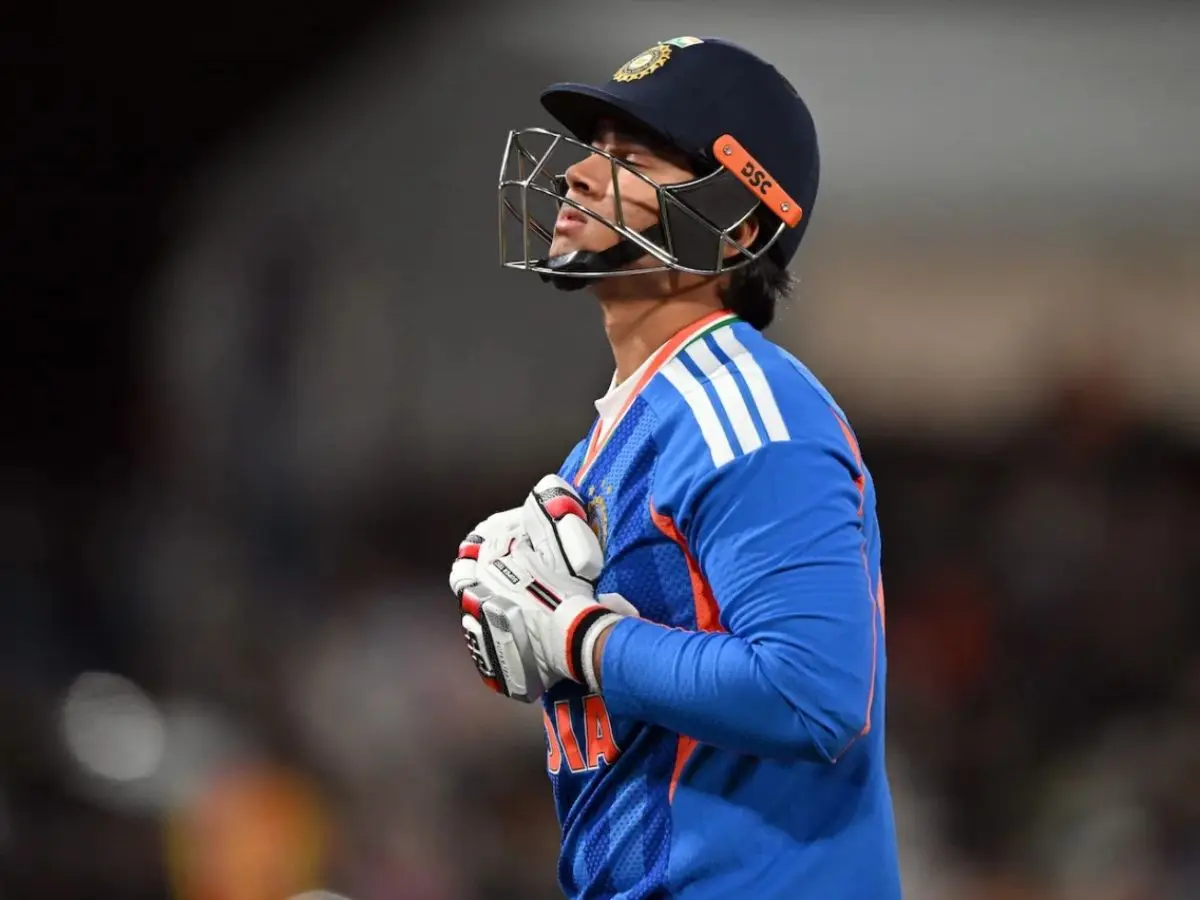
‘That is a miss’: Ravi Ashwin questions Sooryavanshi’s demotion to No. 3 in 2nd T20I vs NZ
&im=FitAndFill=(700,400)&imwidth=180&imheight=135&format=webp&quality=medium)
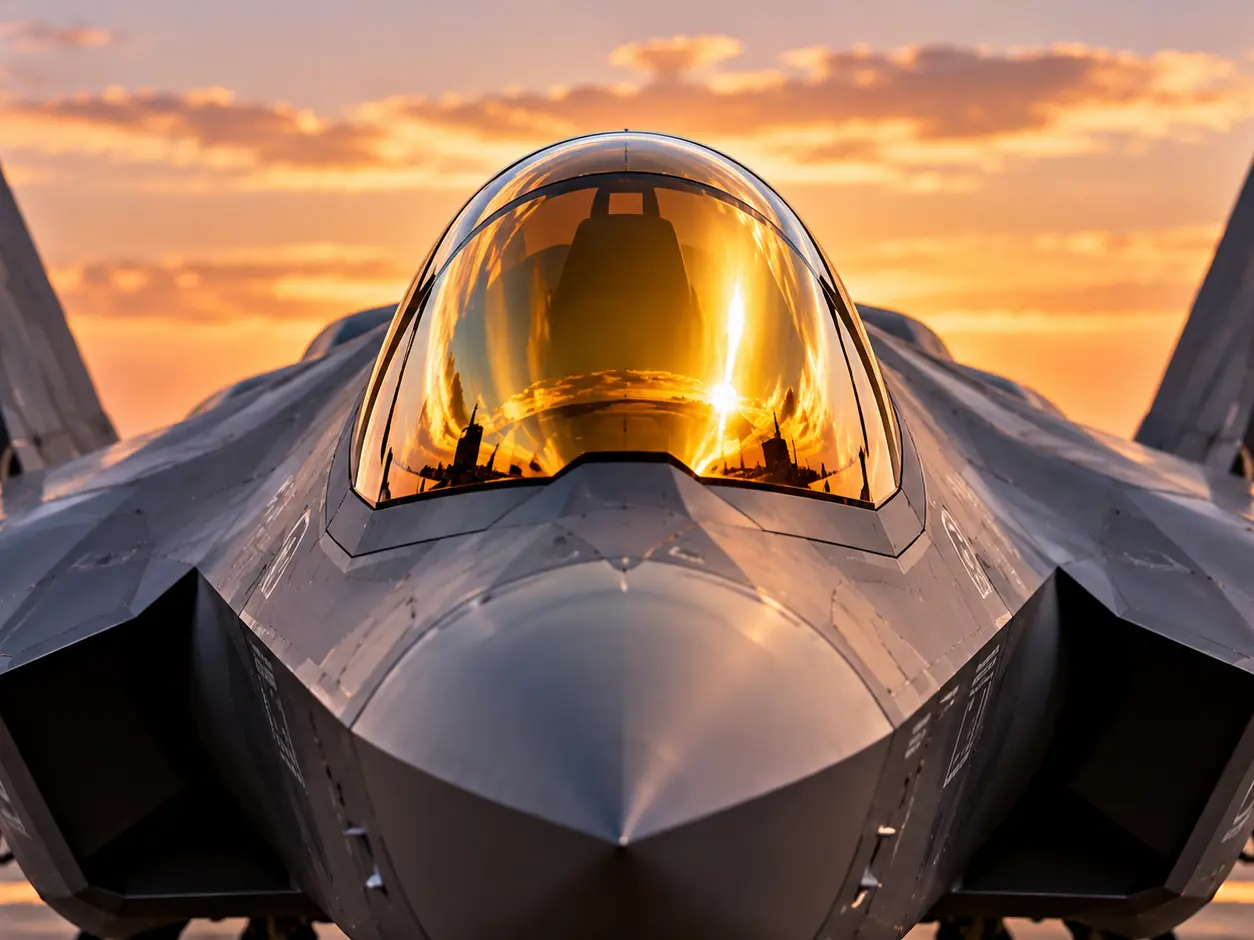
Why does this fighter jet have a golden window that looks like alien technology?
&im=FitAndFill=(700,400)&imwidth=180&imheight=135&format=webp&quality=medium)
New OTT releases this week (October 26-November 1, 2026): Baththa, Akka, The One About Matthew Perry- 7 titles coming on Netflix, Prime Video and more
&imwidth=180&imheight=135&format=webp&quality=medium)
Elon Musk’s Grok releases first AI-generated Odyssey episode, months after promising ‘historically accurate’ full-length film
&imwidth=180&imheight=135&format=webp&quality=medium)
'Already tired of his 9-to-5': Baby born with a moustache becomes internet sensation, video goes viral | Watch
&imwidth=180&imheight=135&format=webp&quality=medium)
Rahul Gandhi’s convoy collides with ambulance on UP expressway | VIDEO
&imwidth=180&imheight=135&format=webp&quality=medium)
Serbia’s student-led movement defeats Vucic’s party after 14 years in power: Why it matters
&imwidth=180&imheight=135&format=webp&quality=medium)
'I promised Gautam & Kotak Sir that...': Tilak Varma opens up on match-winning mindset against NZ
&imwidth=180&imheight=135&format=webp&quality=medium)
‘Saddam Hussein opened a cheesecake factory’: Obama mocks Trump’s White House renovations; defends Abdul El-Sayed
&im=FitAndFill=(700,400)&imwidth=180&imheight=135&format=webp&quality=medium)
Why do some fighter jets have two engines while others use one?
&imwidth=180&imheight=135&format=webp&quality=medium)
Formula 1: Mercedes' Kimi Antonelli one race and ninth spot finish away from title after US Grand Prix win
&imwidth=180&imheight=135&format=webp&quality=medium)
Delhi's new entry rules for vehicles begin November 1. Here's all you need to know about the ban
&imwidth=180&imheight=135&format=webp&quality=medium)
'Clear overkill': Putin rejects claims Russia is behind mass protests in Europe
&imwidth=180&imheight=135&format=webp&quality=medium)
Clayface tops North American box office, Elizabeth Holmes documentary follows close behind
&imwidth=180&imheight=135&format=webp&quality=medium)
WATCH | Langur walks into Odisha repair shop, hugs shopkeeper; internet reacts to heartwarming video
&imwidth=180&imheight=135&format=webp&quality=medium)
Nagpur man fails to pay rent, allegedly prints fake Rs 500 notes worth Rs 37 lakh
&imwidth=180&imheight=135&format=webp&quality=medium)
Why Europe’s protests are about more than austerity and rising costs
&imwidth=180&imheight=135&format=webp&quality=medium)
Donald Trump targets Bill Maher in lengthy post after White House dinner, says ‘Don’t call anymore’
The cathode, being the single most expensive element of an EV battery and accounting for about a third of the overall cost of a battery cell, is a critical component in the race to produce more affordable EVs. China currently dominates the global LFP cathode supply, with major producers including Hunan Yuneng New Energy Battery Material, Shenzhen Dynanonic, and Hubei Wanrun New Energy Technology.
While South Korean battery manufacturers, including LGES, have traditionally focused on producing nickel-based batteries, they are now expanding into LFP battery production to meet the growing demand for more affordable EV models. This shift is driven by pressure from automakers looking to diversify their product lineups.
Despite the current slowdown in EV demand, LGES maintains a strong market position in Europe. In the first five months of this year, South Korean battery makers LGES, Samsung SDI, and SK On held a combined 50.5% share of the EV battery market in Europe, with LGES alone accounting for 31.2%. Chinese battery rivals had a 47.1% market share, led by CATL at 34.5%.
As the industry navigates these challenges, LGES is adapting its expansion plans. Suh indicated that the installation of some equipment needed for expansions could be delayed for up to two years in agreement with partners due to the demand slowdown. He projected that EV demand would recover in about 18 months in Europe and two to three years in the United States, although this timeline is contingent on climate policies and other regulatory factors.

