India's IPO market rebounds with successful listings of Ola Electric and FirstCry


Ola Electric Q1 Results: Net Loss Widens, Revenue Climbs 32%
India's initial public offering (IPO) market is experiencing a significant resurgence, as evidenced by the recent successful listings of e-bike maker Ola Electric Mobility and baby products e-commerce firm Brainbees Solutions, better known as FirstCry. These triumphs mark a turning point for India's capital markets, which had previously been marred by underperforming tech IPOs.
Ola Electric's shares have surged an impressive 42% above their IPO price since debuting on Friday, while FirstCry achieved a remarkable 46% gain after just one day of trading on Tuesday. Collectively, these deals generated proceeds of USD 1.2 billion, reinvigorating investor confidence and potentially clearing the path for larger offerings in the near future.
The success of these two loss-making companies, both backed by SoftBank, is particularly noteworthy given the recent history of high-profile tech firms struggling post-IPO. The most notable example is One97 Communications, owner of fintech company Paytm, which is currently trading 76% below its 2021 offer price.

This turnaround can be attributed, in part, to more conservative pricing strategies. Ola Electric, for instance, priced its offering at the top of the indicative range, but at a USD 4 billion valuation – a quarter below the figure set in a previous funding round. This approach ensured strong demand from both foreign and local investors, including sovereign wealth funds.
The success of these IPOs has propelled India to the top of Asia's league tables for capital raising. Year-to-date, India has raised USD 7.3 billion from IPOs, nearly matching its entire 2023 total. This figure surpasses Hong Kong's USD 2.5 billion and China's USD 4.9 billion, according to data from Dealogic. Even when including follow-on issues, secondaries, and convertibles, India's total of USD 34 billion outpaces its regional competitors, though it still falls short of Hong Kong's peak years.
This positive momentum sets an encouraging tone for upcoming listings, including the anticipated USD 3.5 billion IPO of Hyundai Motor's Indian unit. It may also prompt other high-profile companies, such as the Prosus-backed food delivery firm Swiggy, to accelerate their listing plans. Additionally, tycoon Mukesh Ambani has promised IPOs for the telecom and retail units of his USD 236 billion conglomerate, Reliance Industries.
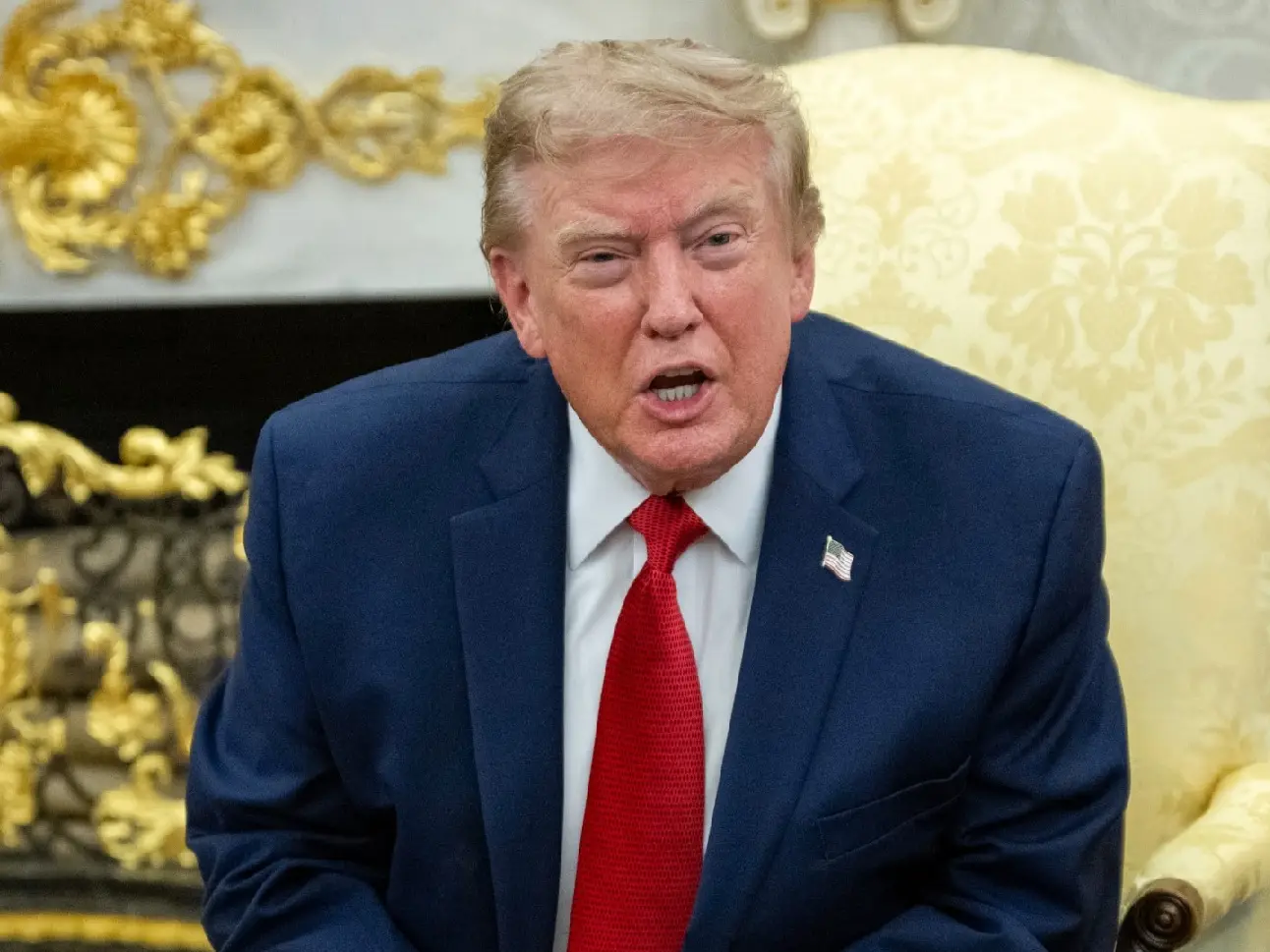)
Trump says Russia has ‘lost control’ of its diesel industry, calls for end to ‘ridiculous, never-ending’ war
)
Asian Games: Indian women's hockey team thrash Indonesia 17-1, blasts 36 goals in 2 matches
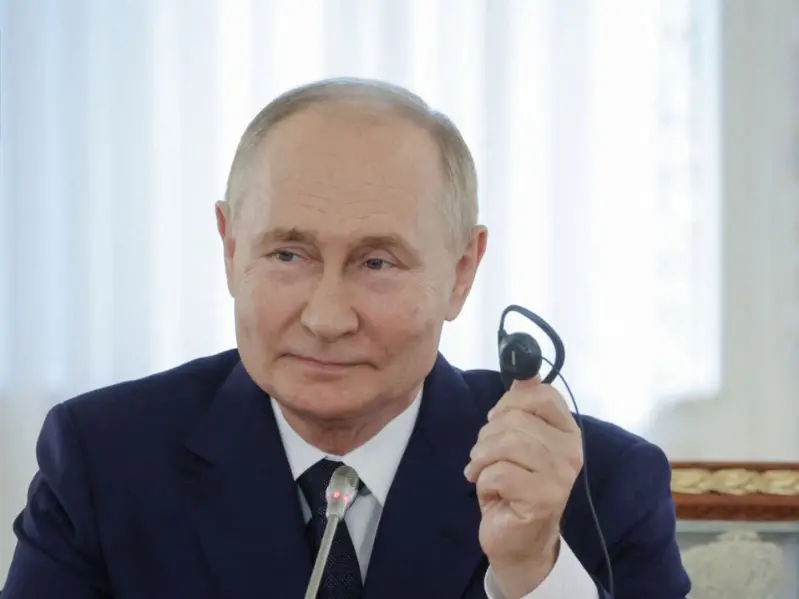)
Putin's United Russia party wins 355 seats in Duma election; 4 other parties cross threshold to enter parliament
)
Delhi Air pollution: Strict crackdown on waste burning
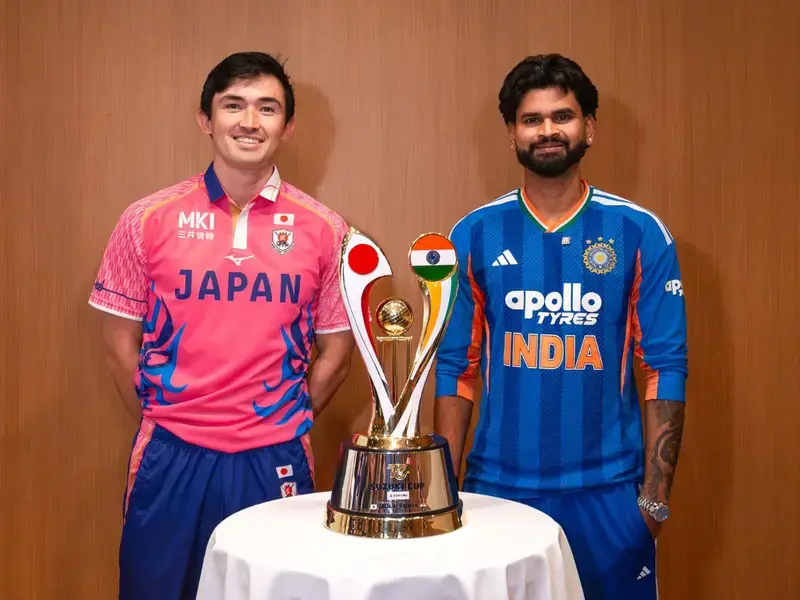)
'I never imagined…': Bihar-born Japan cricketer Abhishek Anand on historic India clash
)
‘0% chance’: Nvidia CEO Jensen Huang dismisses AI extinction fears by 2030
)
Samay Raina-Mukesh Chhabra controversy explained: What happened over girlfriend joke on India's Got Latent?
)
Four decades after leaving Kolkata, the Birlas may be coming back for more
)
BTS' fans question iHeartRadio’s treatment of group after brief festival set
)
Glitch in the matrix caught on camera: Woman vanishes after talking to reporter
)
Samsung raises Galaxy S26 prices by Rs 20,000: Here’s what each model now costs
)
IIT Bombay tensions ease after three-hour open house; director’s assurances pacify students
)
J&K Assembly Session begins amid chaos: BJP, ruling alliance clash as statehood demand dominates
)
8,000 bees worth over $20,000 stolen from hives in Queensland
)
Four Hands, Two Sonatas ep (5-8) review: Song Kang Lee, Jun Young elevate the emotional stakes after a tragic turn
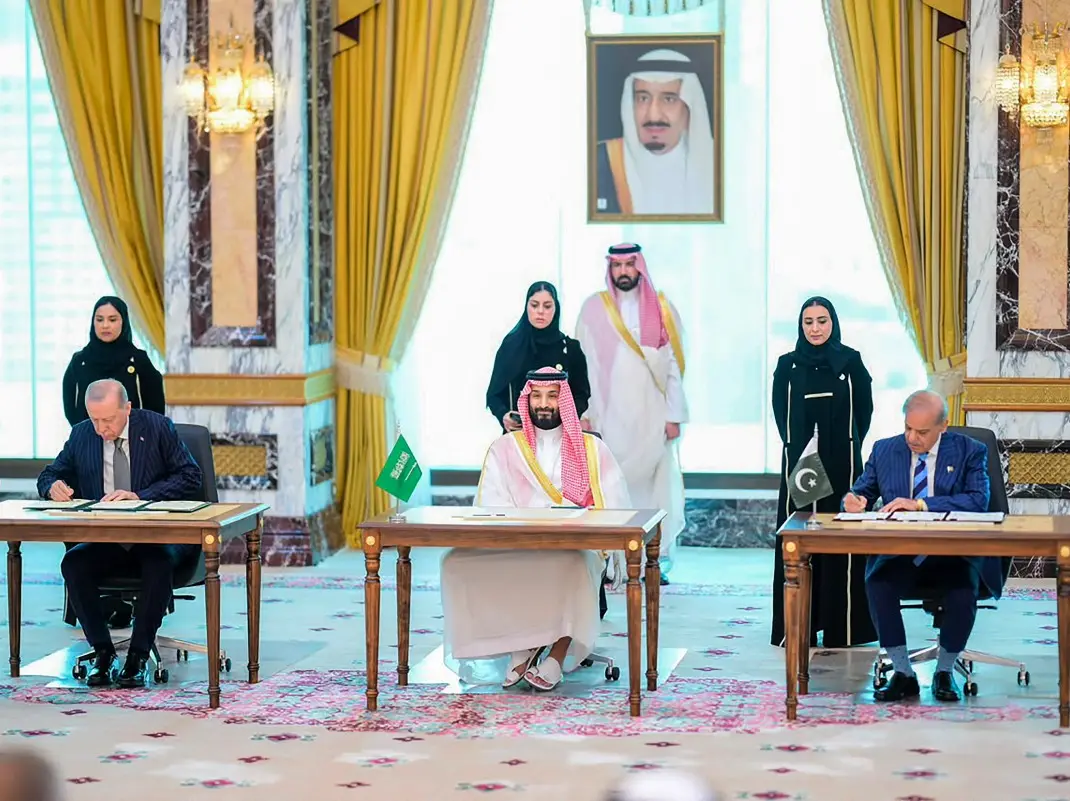)
The Verdict | The Mecca Agreement is under scrutiny as Houthis attack Saudis
)
Who was Sheikh Ahmed bin Rashid Al Maktoum? From Dubai Royal family to police, sports and racing
)
Saudi Arabia exits China-led mBridge digital currency platform amid Saudi-Houthi conflict
)
Maharashtra TET paper leak: Chargesheet reveals papers smuggled in shoe insoles for Rs 8,000
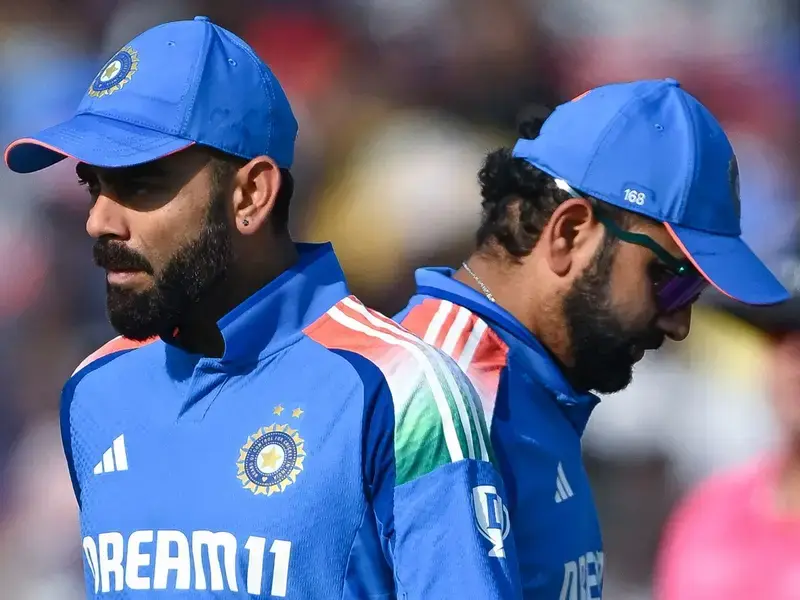)
'Lot of things to learn from experienced players': Jayasuriya backs Rohit, Virat for 2027 ODI World Cup
)
Taylor Swift has a 'proud wife' moment as Travis Kelce scores first touchdown of season: 'That’s my husband!'
)
North Korea's nuclear tests triggered 1,399 earthquakes: Earth is still shaking | Gravitas
)
Mahabharat actor Saurav Gurjar arrested in Hyderabad, sent to 14-day judicial custody in sexual exploitation case
&im=FitAndFill=(700,400))
New OTT releases this week (September 21-27, 2026): Shaque: Trust No One, Hunkkaar, Don’t Be Shy- 5 new titles coming to Netflix, Prime Video and more
)
WATCH | Mysterious lights over Tehran caught on video. Drone, aircraft or something else?
)
What is Yom Kippur and why is it celebrated? All you need to know about the Jewish Day of Atonement
)
White House TV pool halts Trump coverage after CNN barred from UNGA events
)
Iranian airlines to shut worldwide on Sept 23, Bessent warns of US banking ban
)
Pilot recreates Mona Lisa in sky over Oklahoma and Arkansas in four-hour flight: VIDEO
)
Fitna Al-Khawarij: Decoding biggest security threat to Pakistan | Gravitas
)
Jailer 2: Vidya Balan joins Rajinikanth's upcoming film as Kantha | Watch
)
Microsoft executive called AI training the ‘largest theft of labour in human history’
)
40-foot waves crash into cruise ship in dangerous stretch near Antarctica. Watch
)
Mystery explosions rock Aleppo, residents told to stay indoors
)
BTS fans mock iHeartRadio’s day 2 turnout after short set controversy
)
The Scandal, why so scandalous? Ji Chang Wook leaves you gasping for air
The resurgence of India's IPO market is not without challenges, however. Bankers working on future deals will need to strike a delicate balance in pricing offerings to ensure they don't leave excessive value on the table while still attracting strong investor interest.
India's IPO success story is unfolding against a backdrop of global economic uncertainty and geopolitical tensions. The country's ability to maintain this momentum will depend on various factors, including economic growth, regulatory environment, and global market conditions.
For international investors, India's revitalised IPO market presents both opportunities and risks. While the recent successes are encouraging, the performance of previous high-profile listings serves as a reminder of the inherent volatility in emerging markets.

