EU considers tariff reduction on Chinese EV imports for Volkswagen and BMW

EU considers tariff reduction on Chinese EV imports for Volkswagen and BMW
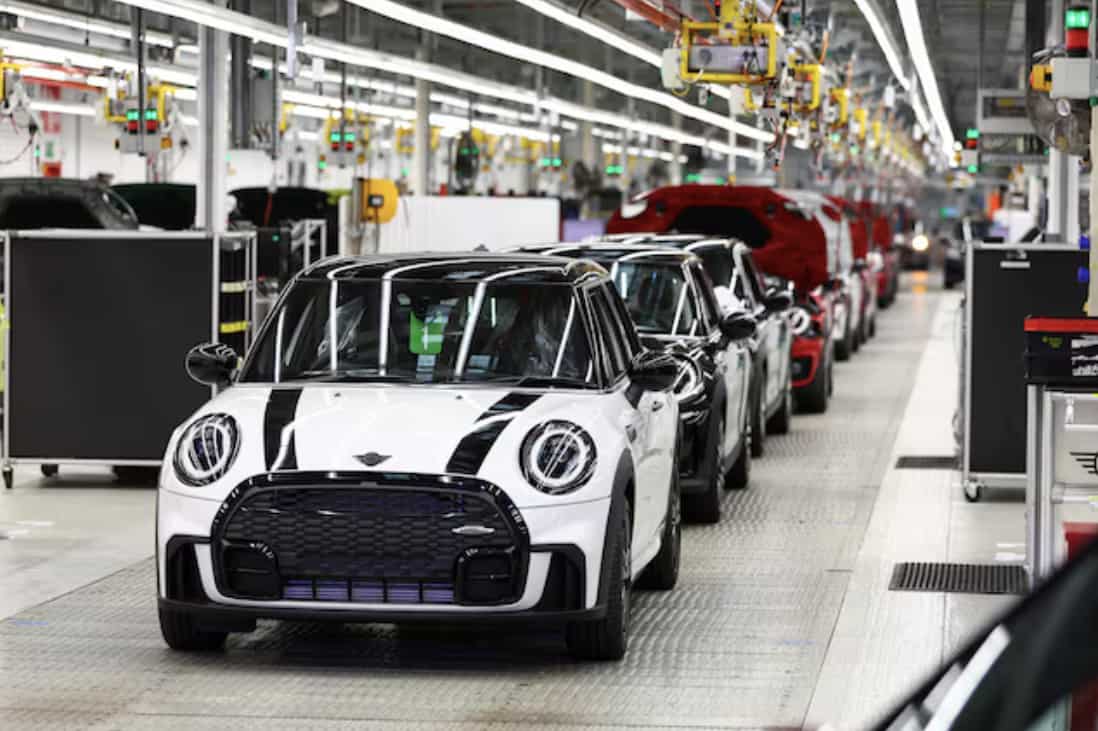
The European Commission is reportedly considering lowering tariffs on Chinese-made electric vehicles (EVs) imported by German automakers Volkswagen and BMW. This potential move, revealed by sources familiar with the matter, could mark a notable shift in the EU's approach to protecting its domestic car market from Chinese competition.
According to the sources, who spoke on condition of anonymity due to the sensitive nature of the discussions, the European Commission has indicated its willingness to classify Volkswagen and BMW as "cooperating companies." This classification would make them eligible for a reduced tariff of 20.8% on their China-manufactured EVs, a substantial decrease from the currently planned 37.6% tariff.
The proposed tariff reduction would specifically benefit models such as BMW's China-made electric Mini and Volkswagen's Cupra Tavascan, produced by the SEAT brand. These vehicles were not included in Brussels' initial sample analysis when determining the tariff rates, resulting in their automatic subjection to the highest tariff level.

This potential compromise comes amid growing concerns within the European automotive sector about the impact of high tariffs on their competitiveness and profitability. The German car industry, in particular, has voiced opposition to the tariffs, fearing potential retaliation from China – a market where German automakers generated a third of their revenue last year.
The decision, however, is not yet final, and the European Commission has until autumn to make a definitive ruling on the tariffs, which are currently in a preliminary stage. A spokesperson for the Commission stated that they are analysing requests from companies that were not producing battery-electric cars in China during the initial investigation period. The spokesperson added that concerned parties would be informed of the Commission's proposal and given an opportunity to comment before the publication of any definitive measures.
This development raises questions about the EU's strategy in balancing protection for its domestic industry with maintaining strong trade relations with China. It also highlights the complex interplay between trade policies, industrial strategies, and the rapidly evolving global EV market.
&imwidth=180&imheight=135&format=webp&quality=medium)
Viral video shows cross falling on Colombia priest, no official confirmation | WATCH
&imwidth=180&imheight=135&format=webp&quality=medium)
Rafale Marine fighter begins flight trials in Goa ahead of Indian Navy induction
&imwidth=180&imheight=135&format=webp&quality=medium)
Ranbir Kapoor apologises for Dussehra speech slip, clarifies remark at Ramayana event
&imwidth=180&imheight=135&format=webp&quality=medium)
Meta slapped with $25 billion fine in New Mexico over Facebook data practices, company plans appeal
&imwidth=180&imheight=135&format=webp&quality=medium)
WATCH: Woman IPS officer fires several rounds of AK-47, ignites debate online
&imwidth=180&imheight=135&format=webp&quality=medium)
EU probes Booking.com under Digital Services Act
&imwidth=180&imheight=135&format=webp&quality=medium)
Pakistan signs another defence pact even as Makkah Alliance shows no teeth. This time, it's with Qatar, Indonesia, Turkey
&imwidth=180&imheight=135&format=webp&quality=medium)
Ilhan Omar breaks silence over alleged marriage to her brother; Trump thinks it's 'really good answer'
&imwidth=180&imheight=135&format=webp&quality=medium)
US-Iran war: Bibi, Trump gamble on new Iran war to save themselves in polls
&imwidth=180&imheight=135&format=webp&quality=medium)
From Agni-V to Project Kusha: How are India’s indigenous missile systems and defence shield reshaping modern warfare
&imwidth=180&imheight=135&format=webp&quality=medium)
'It's a crime not to see this scene': Tehran puts Trump 'behind bars'
&imwidth=180&imheight=135&format=webp&quality=medium)
Will Rohit and Kohli play ODI World Cup 2027? BCCI president Manhas says board 'not in a position to comment'
&imwidth=180&imheight=135&format=webp&quality=medium)
Why websites around the world are suddenly going offline? What you need to know about PHP
&imwidth=180&imheight=135&format=webp&quality=medium)
US midterms 2026: What polls and prediction markets indicate about Congress
&imwidth=180&imheight=135&format=webp&quality=medium)
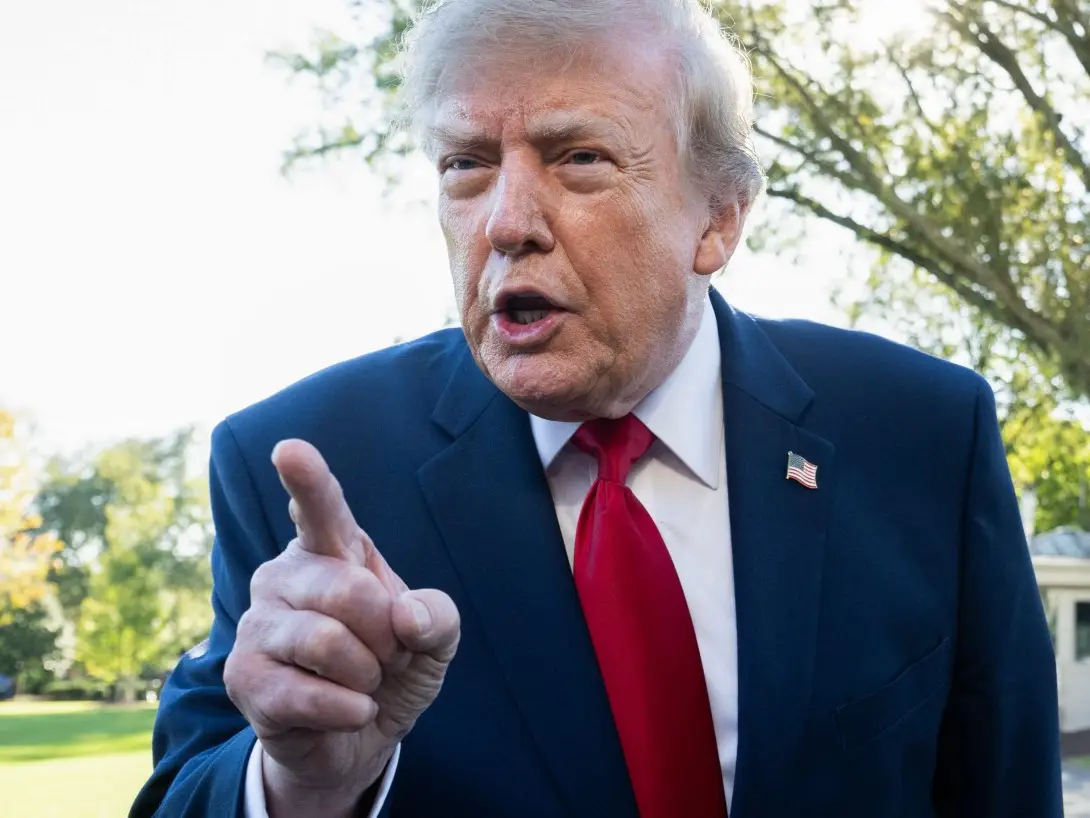
'You are a dummy, you are a stupid person': Trump loses temper with CNN, ABC reporters after questions about Russia sanctions
&imwidth=180&imheight=135&format=webp&quality=medium)
China's dancing robot turns violent bodyguard, lifts cars and fights intruders - Watch
&imwidth=180&imheight=135&format=webp&quality=medium)
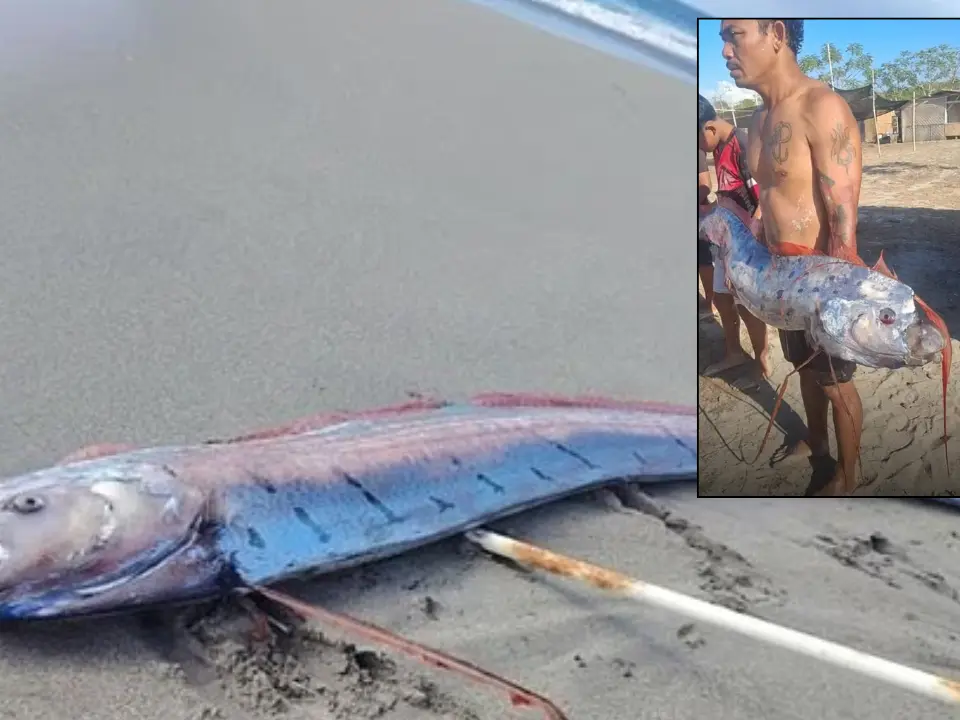
16-foot doomsday fish in Chile triggers fears that the next earthquake is coming
&imwidth=180&imheight=135&format=webp&quality=medium)
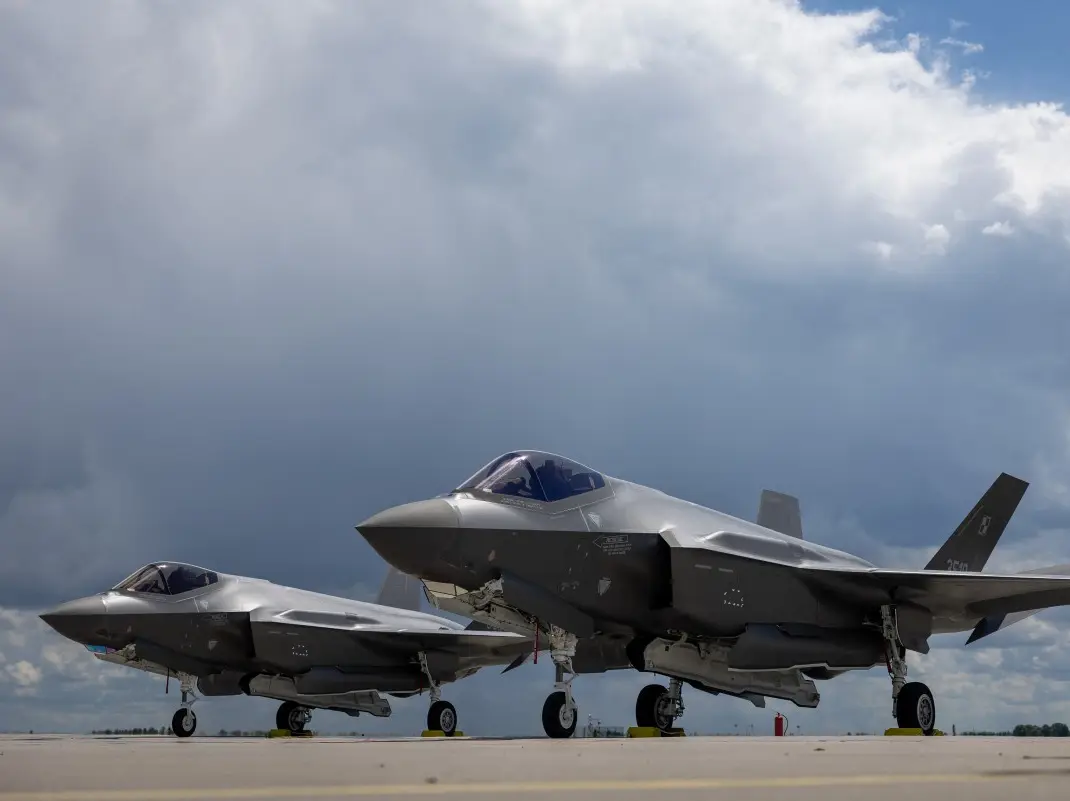
US to get 850 F-35 stealth fighter jets under 10-year Pentagon-Lockheed deal
&imwidth=180&imheight=135&format=webp&quality=medium)
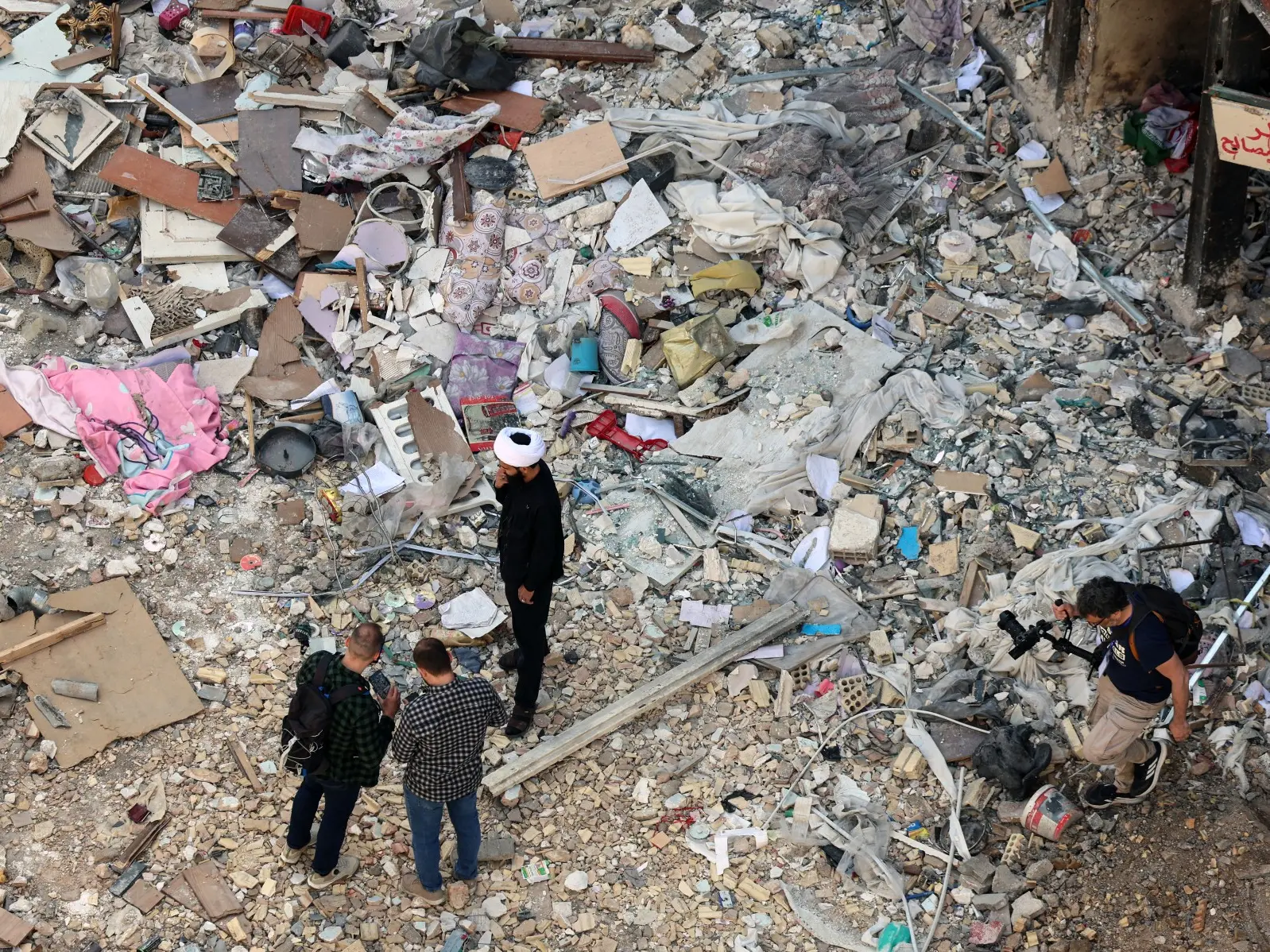
Are the US and Israel preparing for another major attack on Iran? Here's what report claims
&imwidth=180&imheight=135&format=webp&quality=medium)
Priyanka Chopra celebrates Dussehra 2026 with Nick Jonas and daughter Malti Marie | See pics
&im=FitAndFill=(700,400)&imwidth=180&imheight=135&format=webp&quality=medium)
New OTT releases this week (October 19-25, 2026): Gajab Raat to Chaar Yaar-8 titles to watch during Dussehra week on Netflix, Prime Video and more
&imwidth=180&imheight=135&format=webp&quality=medium)
‘I caution the president...’: Trump’s ex-press secretary warns after Zacharia’s exit
&imwidth=180&imheight=135&format=webp&quality=medium)
'Father of all bombs' vs 'mother of all bombs': Iran threatens US with new weapon as Trump hints at MOAB strike
&imwidth=180&imheight=135&format=webp&quality=medium)
Diljit Dosanjh's Oct 30 Delhi show hits roadblock, Delhi Police denies permission
&imwidth=180&imheight=135&format=webp&quality=medium)
Australia police arrest former national 100m champ Jake Doran for alleged child abuse
&imwidth=180&imheight=135&format=webp&quality=medium)
'Gyanu must go': CJP's Saurav Das, Ashutosh Ranka after release, despite Jantar Mantar protest undertaking
&imwidth=180&imheight=135&format=webp&quality=medium)
Kolkata airport: CISF detects ₹1.13 crore in US dollars hidden in bags of 2 Bangkok-bound passengers
&imwidth=180&imheight=135&format=webp&quality=medium)
Feds obtain DNA evidence that could prove Ilhan Omar married her brother: Report
&imwidth=180&imheight=135&format=webp&quality=medium)
US midterms 2026: Trump's approval rating hits record low as Democrats gain ground
The potential tariff reduction for Volkswagen and BMW could set a precedent for other automakers. U.S. electric vehicle manufacturer Tesla has already requested its own tariff rate, indicating that other companies may seek similar accommodations.
The EU's decision-making process on this issue is being closely watched by industry observers and policymakers alike. It reflects the broader challenges facing the European automotive sector as it navigates the transition to electric mobility, global competition, and changing trade dynamics.
As the autumn deadline for the final decision approaches, stakeholders across the automotive industry will be keenly anticipating the European Commission's verdict. The outcome could have far-reaching implications for the competitiveness of European automakers in the global EV market, the future of EU-China trade relations, and the broader landscape of international automotive commerce.

