China's President Xi seeks German support in EV tariff standoff

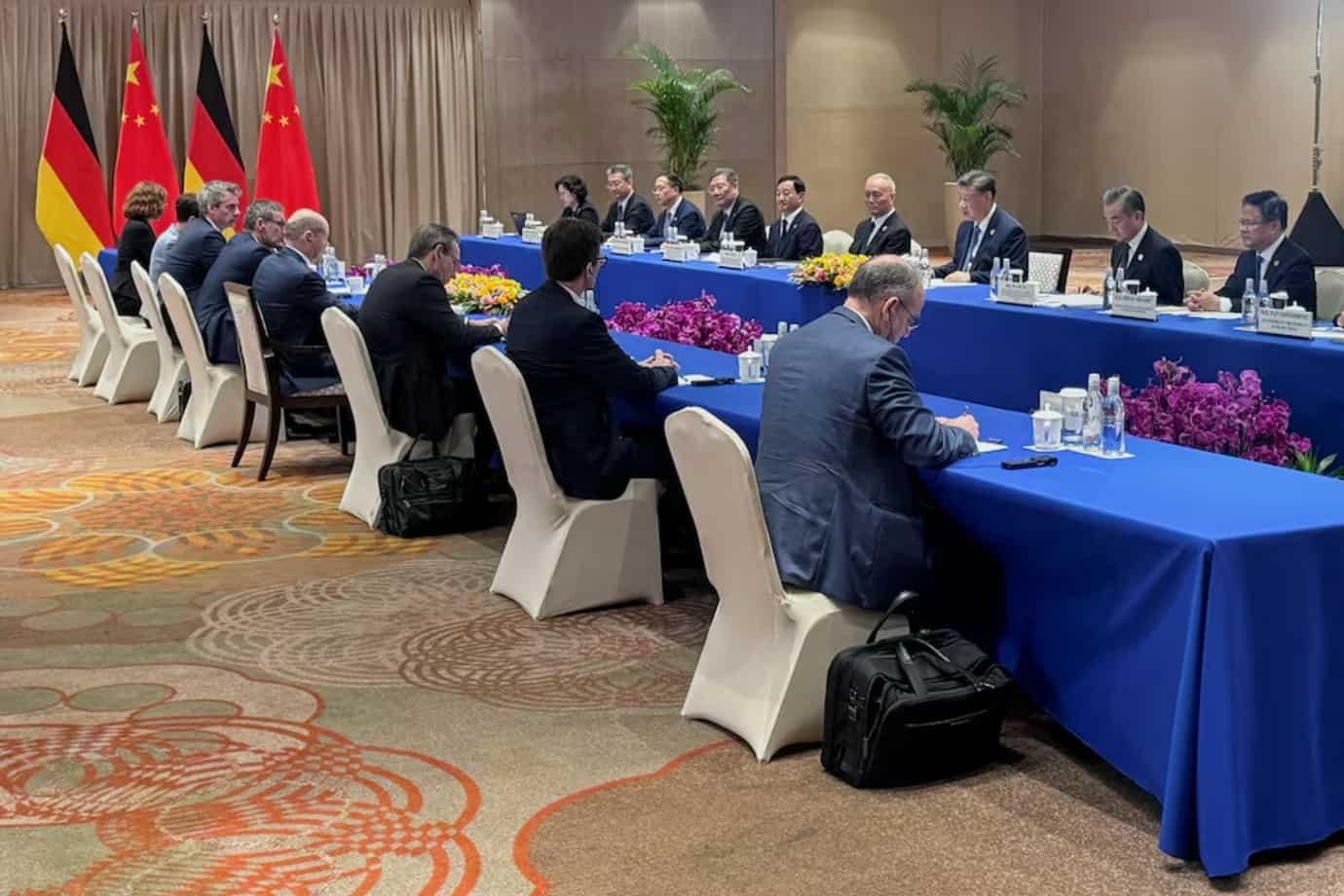
G20 summit in Rio de Janeiro
In a high-stakes diplomatic encounter on the margins of the Group of 20 summit in Rio de Janeiro, Chinese President Xi Jinping has strategically enlisted German Chancellor Olaf Scholz's assistance to mediate the escalating trade tensions surrounding Chinese-made electric vehicles (EVs), signalling a potentially critical moment in Sino-European economic relations.
The meeting, reported by Chinese state media outlets CCTV and Xinhua, revealed Xi's explicit hope that Germany would help facilitate a swift resolution to the contentious tariff issue that threatens to dramatically reshape the global automotive market and international trade dynamics.
Xi's diplomatic overture underscores the mounting pressure created by the European Union's recent implementation of punitive tariffs on Chinese electric vehicles, which Beijing views as a significant impediment to its automotive industry's international expansion. By directly engaging Scholz, Xi is leveraging Germany's influential position within the European economic ecosystem to potentially negotiate a more favourable outcome.

"It is hoped that Europe and China will resolve the issue of electric vehicles through dialogue and negotiation as soon as possible," Xi was quoted as saying, emphasising a diplomatic approach to resolving the trade dispute. The Chinese leader explicitly stated that Germany would be "willing to make active efforts" in facilitating this resolution.
The timing of this diplomatic intervention is particularly strategic. The G20 summit in Rio de Janeiro provides a neutral, multilateral platform for such high-stakes discussions, allowing both leaders to explore potential compromise without the immediate pressures of bilateral negotiations.
Xi's current South American tour, which commenced with his participation in the Asia-Pacific Economic Cooperation forum in Lima—where he inaugurated a Chinese-funded Pacific port—demonstrates China's expanding global economic footprint. Following the G20 summit, Xi is set to undertake a state visit to Brasilia, where he is expected to meet with Brazilian President Luiz Inacio Lula da Silva and sign several cooperative agreements.
&imwidth=180&imheight=135&format=webp&quality=medium)
Viral video shows cross falling on Colombia priest, no official confirmation | WATCH
&imwidth=180&imheight=135&format=webp&quality=medium)
Rafale Marine fighter begins flight trials in Goa ahead of Indian Navy induction
&imwidth=180&imheight=135&format=webp&quality=medium)
Ranbir Kapoor apologises for Dussehra speech slip, clarifies remark at Ramayana event
&imwidth=180&imheight=135&format=webp&quality=medium)
Meta slapped with $25 billion fine in New Mexico over Facebook data practices, company plans appeal
&imwidth=180&imheight=135&format=webp&quality=medium)
WATCH: Woman IPS officer fires several rounds of AK-47, ignites debate online
&imwidth=180&imheight=135&format=webp&quality=medium)
EU probes Booking.com under Digital Services Act
&imwidth=180&imheight=135&format=webp&quality=medium)
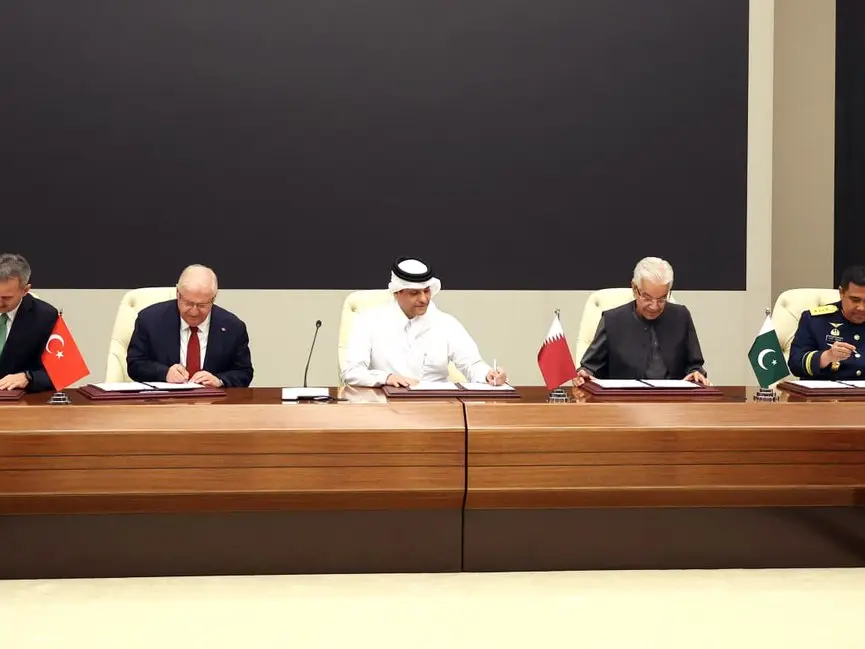
Pakistan signs another defence pact even as Makkah Alliance shows no teeth. This time, it's with Qatar, Indonesia, Turkey
&imwidth=180&imheight=135&format=webp&quality=medium)
Ilhan Omar breaks silence over alleged marriage to her brother; Trump thinks it's 'really good answer'
&imwidth=180&imheight=135&format=webp&quality=medium)
US-Iran war: Bibi, Trump gamble on new Iran war to save themselves in polls
&imwidth=180&imheight=135&format=webp&quality=medium)
From Agni-V to Project Kusha: How are India’s indigenous missile systems and defence shield reshaping modern warfare
&imwidth=180&imheight=135&format=webp&quality=medium)
Will Rohit and Kohli play ODI World Cup 2027? BCCI president Manhas says board 'not in a position to comment'
&imwidth=180&imheight=135&format=webp&quality=medium)
Why websites around the world are suddenly going offline? What you need to know about PHP
&imwidth=180&imheight=135&format=webp&quality=medium)
US midterms 2026: What polls and prediction markets indicate about Congress
&imwidth=180&imheight=135&format=webp&quality=medium)
'You are a dummy, you are a stupid person': Trump loses temper with CNN, ABC reporters after questions about Russia sanctions
&imwidth=180&imheight=135&format=webp&quality=medium)
China's dancing robot turns violent bodyguard, lifts cars and fights intruders - Watch
&imwidth=180&imheight=135&format=webp&quality=medium)
16-foot doomsday fish in Chile triggers fears that the next earthquake is coming
&imwidth=180&imheight=135&format=webp&quality=medium)
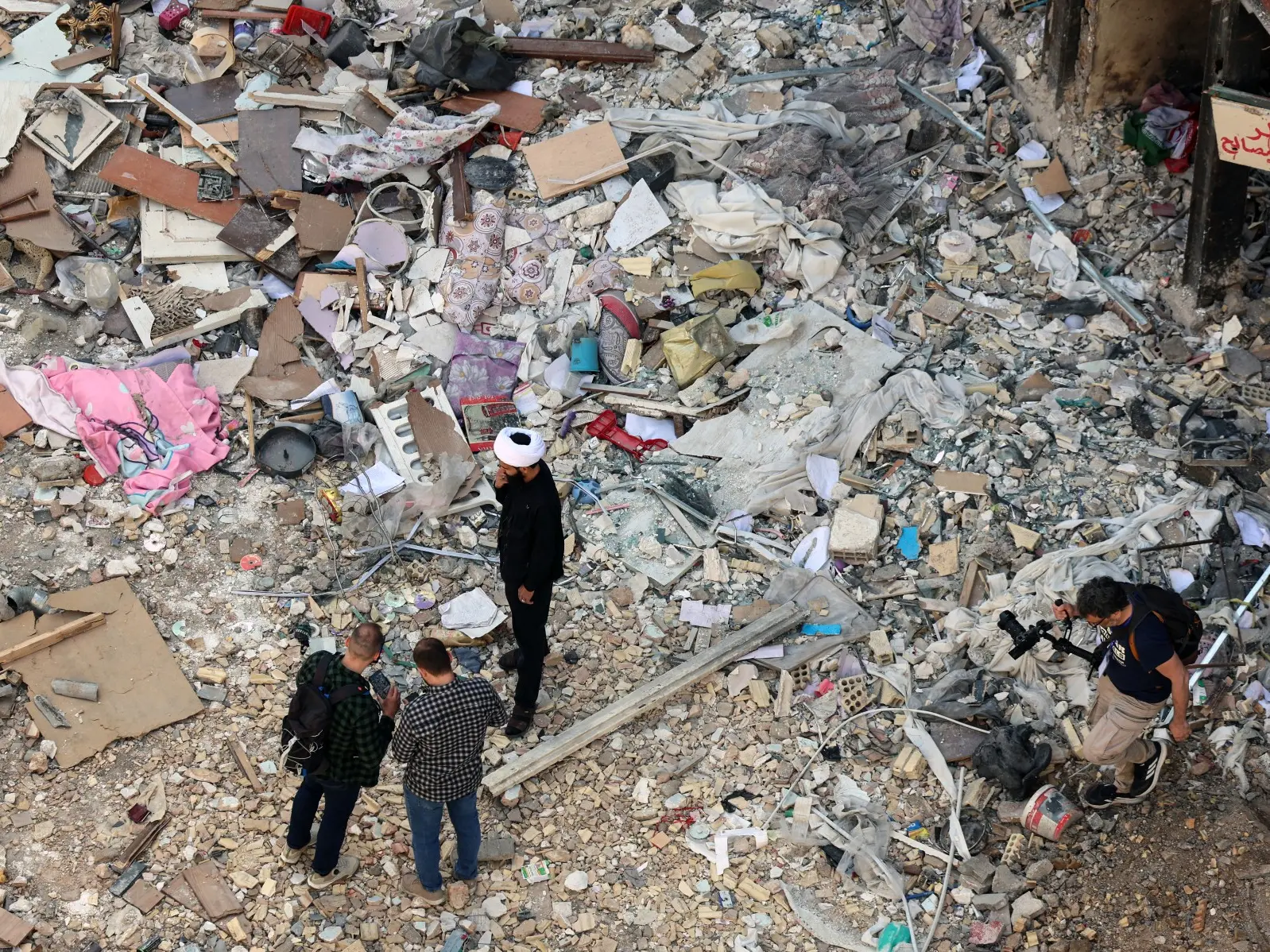
Are the US and Israel preparing for another major attack on Iran? Here's what report claims
&imwidth=180&imheight=135&format=webp&quality=medium)
Priyanka Chopra celebrates Dussehra 2026 with Nick Jonas and daughter Malti Marie | See pics
&im=FitAndFill=(700,400)&imwidth=180&imheight=135&format=webp&quality=medium)
New OTT releases this week (October 19-25, 2026): Gajab Raat to Chaar Yaar-8 titles to watch during Dussehra week on Netflix, Prime Video and more
&imwidth=180&imheight=135&format=webp&quality=medium)
‘I caution the president...’: Trump’s ex-press secretary warns after Zacharia’s exit
&imwidth=180&imheight=135&format=webp&quality=medium)
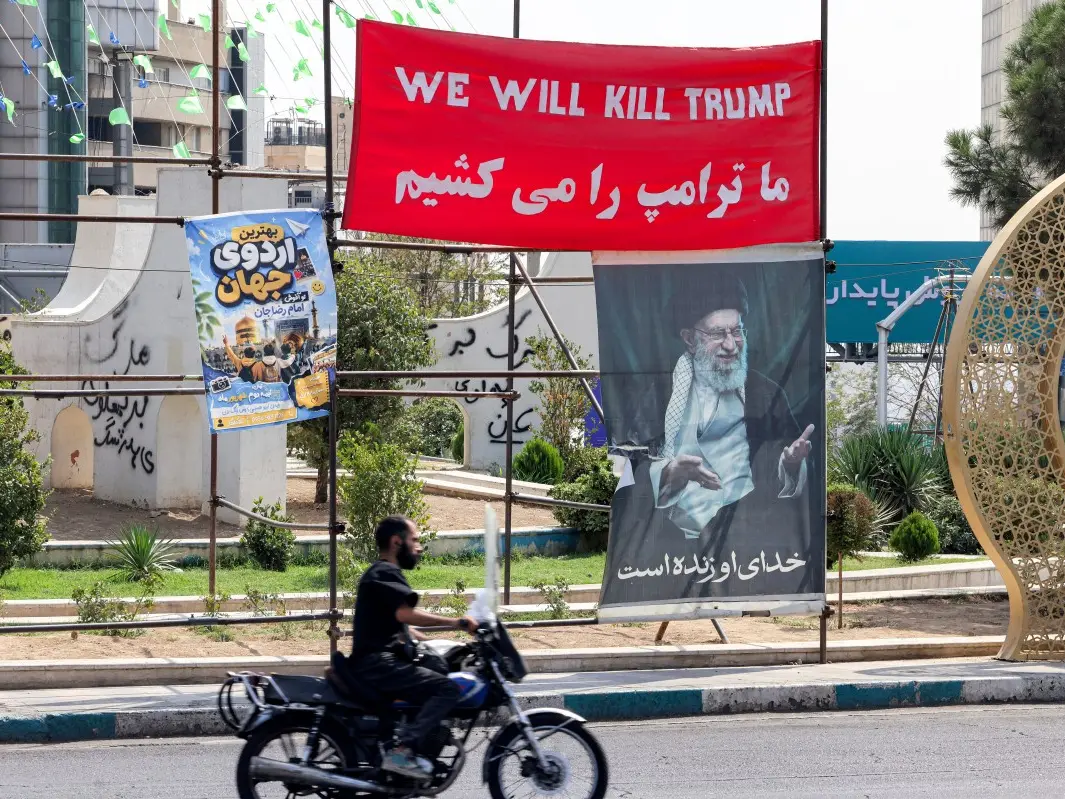
'Father of all bombs' vs 'mother of all bombs': Iran threatens US with new weapon as Trump hints at MOAB strike
&imwidth=180&imheight=135&format=webp&quality=medium)
Diljit Dosanjh's Oct 30 Delhi show hits roadblock, Delhi Police denies permission
&imwidth=180&imheight=135&format=webp&quality=medium)
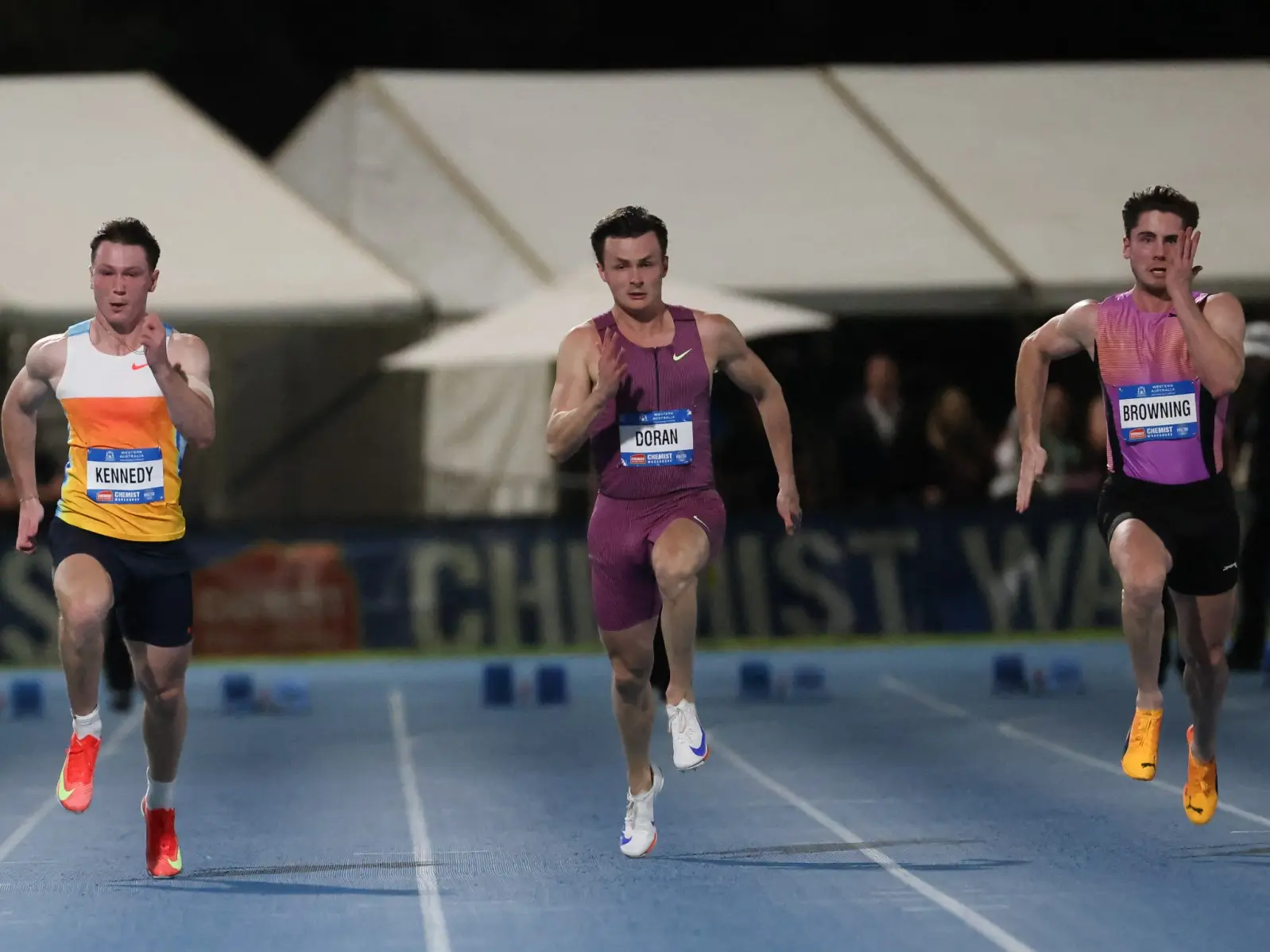
Australia police arrest former national 100m champ Jake Doran for alleged child abuse
&imwidth=180&imheight=135&format=webp&quality=medium)
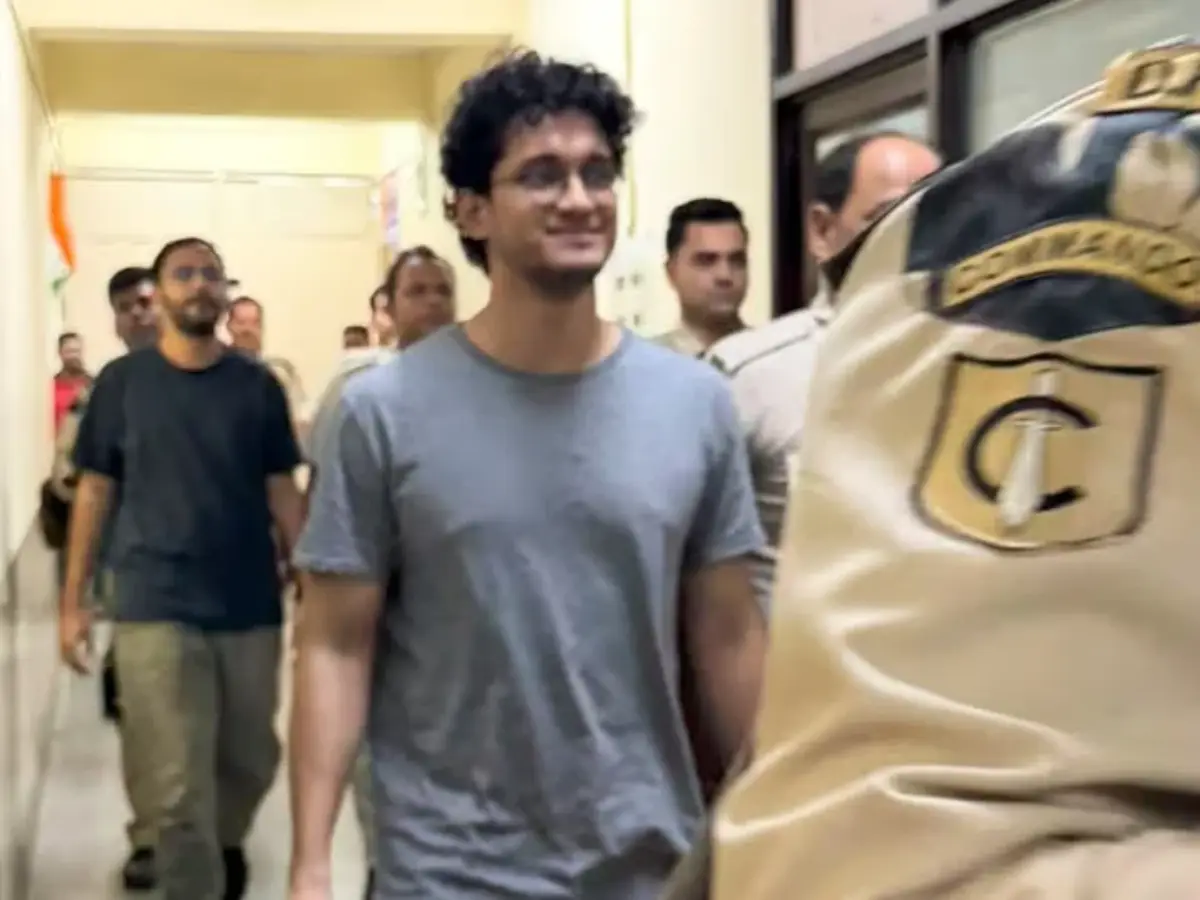
'Gyanu must go': CJP's Saurav Das, Ashutosh Ranka after release, despite Jantar Mantar protest undertaking
&imwidth=180&imheight=135&format=webp&quality=medium)
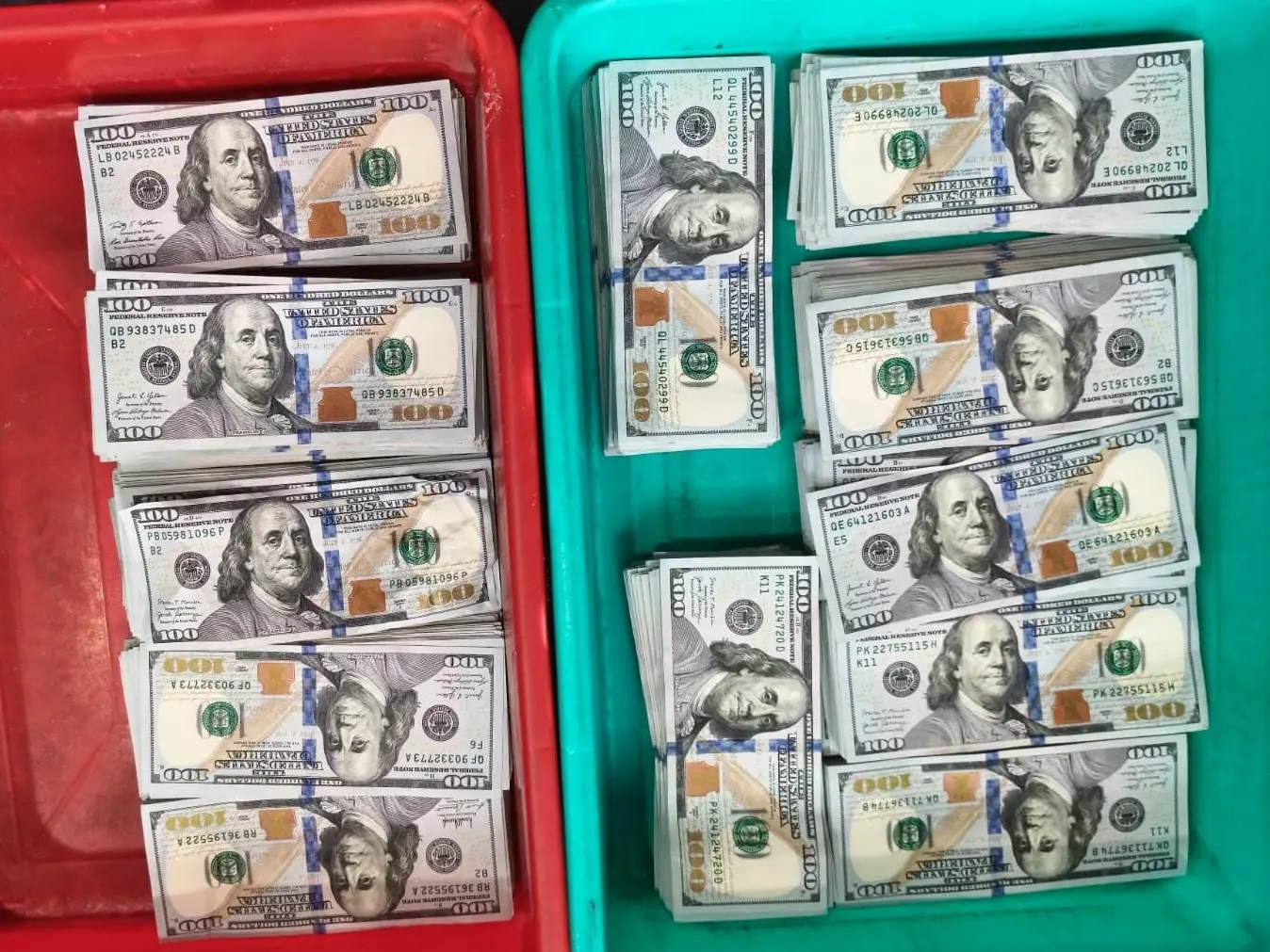
Kolkata airport: CISF detects ₹1.13 crore in US dollars hidden in bags of 2 Bangkok-bound passengers
&imwidth=180&imheight=135&format=webp&quality=medium)
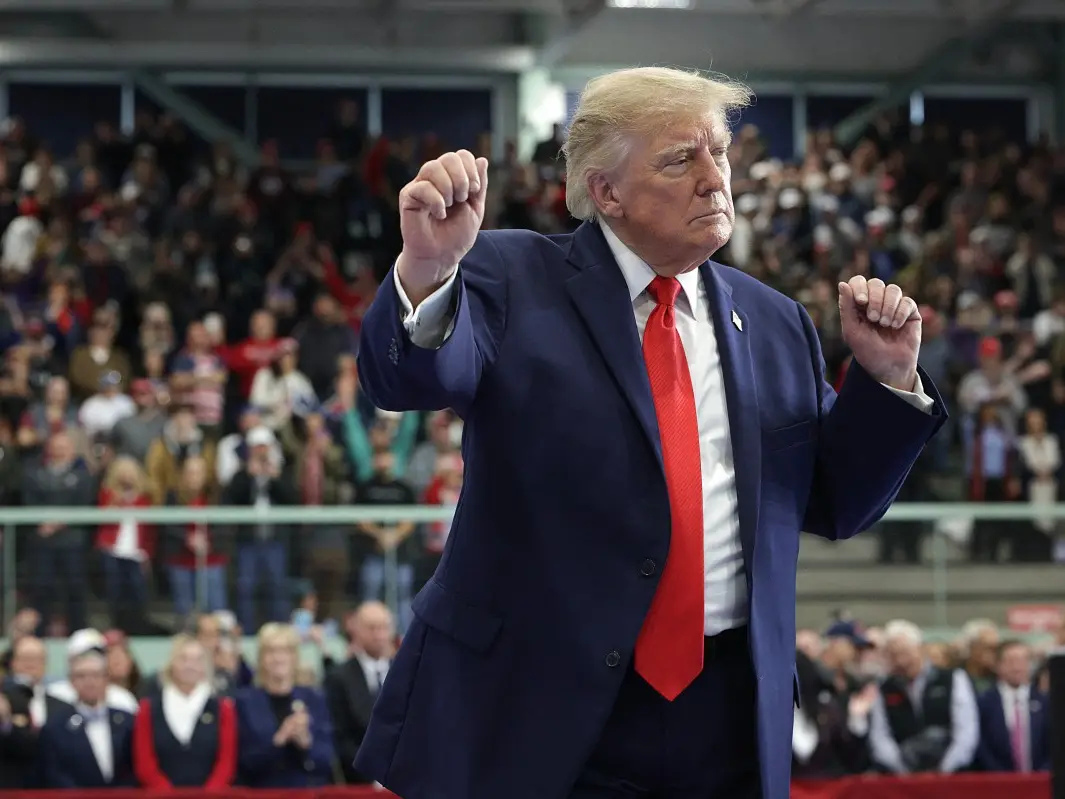
Feds obtain DNA evidence that could prove Ilhan Omar married her brother: Report
&imwidth=180&imheight=135&format=webp&quality=medium)
US midterms 2026: Trump's approval rating hits record low as Democrats gain ground
The electric vehicle tariff dispute represents a microcosm of the broader geopolitical and economic tensions between China and the European Union. The EU's tariffs, which can reach up to 38%, were implemented after an investigation concluded that Chinese electric vehicles were receiving unfair government subsidies, creating an uneven competitive landscape.
For Germany, a nation with a robust automotive manufacturing sector, the situation presents a delicate diplomatic balancing act. As home to automotive giants like Volkswagen and BMW, Germany must carefully navigate its economic interests while maintaining diplomatic relations with both China and its European partners.
The potential resolution of this dispute could have far-reaching implications for the global electric vehicle market. Chinese manufacturers like BYD and NIO have been rapidly expanding their international presence, challenging established European and American automotive manufacturers.
Chancellor Scholz's response and potential mediation efforts will be closely watched by international trade observers, automotive industry executives, and diplomatic circles. The outcome could potentially set a precedent for how complex international trade disputes in emerging technological sectors are negotiated and resolved.

