WION Iconic Tourism Summit: India’s tourism potential, aviation push and changing travel trends

&imwidth=600&imheight=450&format=webp&quality=medium "WION Iconic Tourism Summit: India’s tourism potential, aviation push and changing travel trends")
Photograph: (WION)
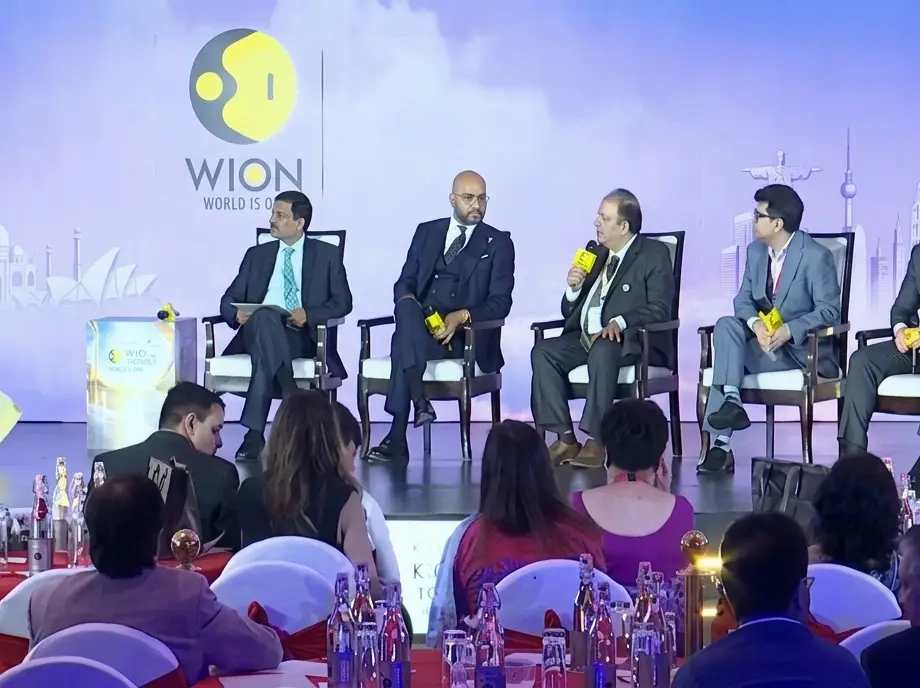
Industry leaders at the WION Iconic Tourism Summit 2026 discussed India’s growing travel demand, aviation infrastructure, hospitality sector, tourism diplomacy and the need for stronger domestic and international tourism connectivity.
Notable personalities from India’s tourism and hospitality sector, along with senior policymakers, diplomats and industry leaders, came together in New Delhi on September 23 for the WION Iconic Tourism Summit and Awards 2026, presented by VFS Global in association with Red Hat Communications.
The summit brought together key voices from across the tourism ecosystem to discuss the sector’s future, emerging opportunities, evolving travel trends and challenges that could shape its growth.
Panel 3 of the summit, titled ‘The business of travel: Aviation, hospitality & India's tourism infra story’, featured Vikram Lalvani, MD & CEO, Sterling Holiday Resorts;
Saurabh Tiwari, Vice President, Middle East, Maldives & Sri Lanka, IHCL (Taj Dubai)
Manish Puri, Head of Global Sales, Air India Limited & Air India Express
Ahmed Hamed Sharbak, Regional Manager (APAC), Visit Qatar
Trending Stories
)
&im=FitAndFill=(700,400))
)
&im=FitAndFill=(700,400))
)
)
)
)
)
)
)
)
)
)
)
)
)
)
)
)
)
)
)
)
)
)
)
)
)
)
)
)
)
)
)
)
Kamal Munasinghe, Sr. Vice President, Colombo Hotels & General Manager, Cinnamon Life at City of Dreams, Sri Lanka
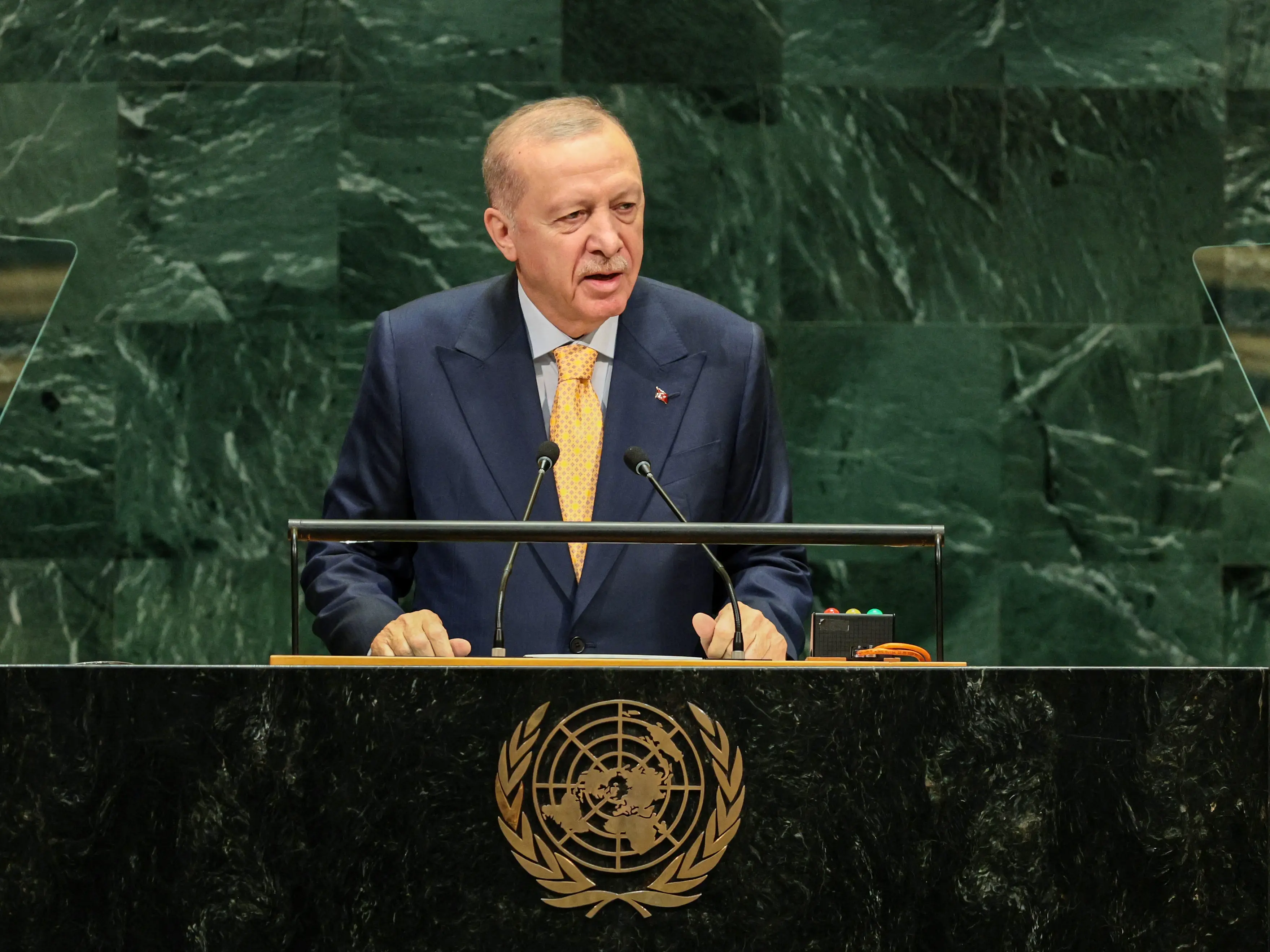
Muktesh Pardeshi, Former Secretary and Former Ambassador to Türkiye & New Zealand.
India's tourism growth and changing travel patterns
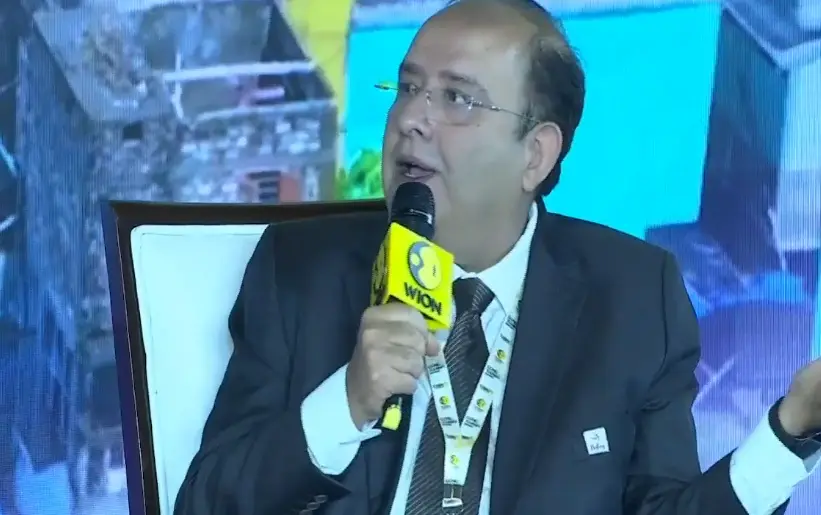
On whether hotel infrastructure is ready for more Indians travelling abroad,Saurabh Tiwari of IHCL (Taj Dubai)said global hotel chains have little choice but to prepare for the growing number of Indian travellers and their rising disposable incomes.
“Global hotels do not have a choice, as Indians are travelling more and more and have disposable income to spend. So we better get ready for the challenge,” Tiwari said.
He said Indian travellers are increasingly looking for better experiences as their spending capacity grows.
“Indians are looking for great experiences with expanding spending capacity as the country itself is becoming better and better in terms of providing everything. So when Indian tourists go abroad, they expect an even better experience,” Tiwari said.
Vikram Lalvani, MD & CEO, Sterling Holiday Resorts, spoke about changing travel patterns as Gen Z and Gen Alpha increasingly participate in tourism.
“The way the industry is moving is destination-led. In the future generation also, the question remains the same: why do I have to travel to a particular destination? Is the destination worth it? Is it safe enough?” Lalvani said.
He said the way different destinations are connected would become increasingly important, with travellers looking for hybrid experiences.
“Going forward is how we connect different destinations is important: hybrid experience. Like connecting a heritage town to hill stations like Mount Abu to Udaipur,” Lalvani said.
Lalvani also stressed that domestic tourism remains a major driver of India's tourism sector.
“If we say tourism is thriving, it is domestic tourism. We should not only focus on international tourism; the industry is thriving because of domestic tourism. After Covid, the first thing that rebounded was domestic tourism,” he said.
He also called for India to promote itself as a year-round tourism destination instead of focusing mainly on the months when international tourists traditionally visit.
“Our narrative about India can be 360-day tourism should go out to the world beyond November and January, which is known for international tourists,” Lalvani said.
India eyes global aviation hub status as infrastructure expands
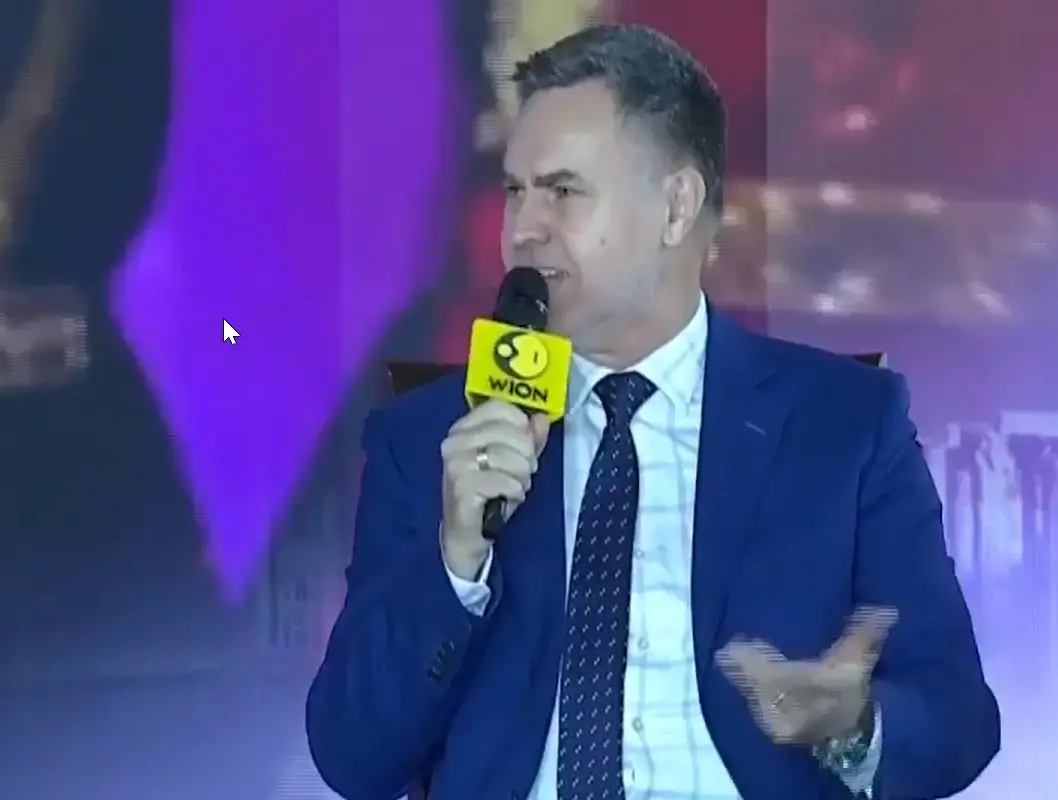
Manish Puri, Head of Global Sales, Air India, said India has made significant progress in aviation infrastructure over the past decade as the country seeks to strengthen its position as a global aviation hub.
“India is always a chicken-and-egg story. Is the demand come first, or does infra come first? But in the last 10 years, the situation has become better in terms of infra with a new airport at Jewar, in Navi Mumbai and others,” Puri said.
He said the large number of aircraft orders placed by Indian carriers for the coming decade would further support the country's aviation growth.
“With the number of orders Indian carriers placed in the next 10 years, we are ready to take the world by storm,” Puri said.
However, Puri said India needs to improve transit facilities at its airport terminals to compete with major global aviation hubs and airlines.
“The transit facility at the terminal is required to get better to compete with the global giants like Etihad, Qatar Airways,” he said.
Puri also reflected on the transformation of Air India following its privatisation.
“When AI was privatised, people were expecting a magic wand that would wash away every problem with the airline. However, in the last five years we have been able to change. We raised the consumer experience through NPS,” Puri said.
Tourism diplomacy and soft power
Former Indian envoy Muktesh Pardeshi, Former Secretary and Former Ambassador to Türkiye & New Zealand, highlighted the role of tourism diplomacy in strengthening India's economic and international engagement.
“Tourism diplomacy is an important part of economic diplomacy. We have a mantra of 3 Ts, that is trade, tourism and technology,” Pardeshi said.
He said tourism also contributes to a country's soft power and that a larger number of international tourists could strengthen India's global presence.
“Tourism also helps in soft power projection of the country. If we had more tourists as per current level it will significantly enhance soft power,” Pardeshi said.
Pardeshi compared India's foreign tourist arrivals with Türkiye, saying Türkiye attracts 65 million tourists while India has remained at around 20 million foreign tourists, including around 10 million NRIs.
“To change that, government, industry and civil society need to step up its efforts as India has everything from landscape to heritage,” he said.
Reflecting on his experience during India's G20 presidency, Pardeshi said India needs to invest in tourism promotion as well as the creation of social infrastructure.
He also stressed the need to improve cleanliness and skills in the tourism sector.
“Unless we work on neatness and cleanliness and we fix our issues, India can't realise tourism potential,” Pardeshi said.
He also highlighted the lack of skill training among people working in the tourism sector, citing his experience of organising such training during the G20 summit in India.
Qatar, Sri Lanka seek deeper tourism ties with India
Ahmed Hamed Sharbak, Regional Manager (APAC), Visit Qatar, highlighted the long-standing relationship between India and Qatar and called for greater tourism collaboration between the two countries.
“We have a long history between India and Qatar. We want collaboration between both countries,” Sharbak said.
He said Qatar is looking to attract more family and leisure travellers while also building on its strengths in business and sports tourism.
“We are big on tourism with sports, including the soccer World Cup and upcoming Formula 1. We are pushing even for stopover tourists who are only for 24 hours, 48 hours even while transiting to Europe,” he said.
Sharbak also highlighted the growing importance of social media in shaping travel experiences.
“You gonna spend money when you are going on holiday and document the experience on social media and we provide all of that,” he said.
He added that Qatar has visa-on-arrival access for visitors from 100 destinations.
Kamal Munasinghe, Sr. Vice President, Colombo Hotels & General Manager, Cinnamon Life at City of Dreams, Sri Lanka, stressed that the tourism relationship between India and Sri Lanka should work both ways and go beyond air connectivity.
“For the tourism corridor between both countries, it’s not just about a one-way street. It is a two-way street. We are pushing more connectivity beyond air connectivity, like the recently inaugurated ferry connectivity in 2024,” Munasinghe said.
He said Sri Lanka wants more Indians to visit the country, while also encouraging more Sri Lankans to travel to India.
“As much as we want Indians to visit Sri Lanka, we also want Sri Lankans to travel to India. For the airlines to survive, there are so many activities for Sri Lankans to come to India,” he said.
Munasinghe also called for greater professional exchange between the two countries' tourism sectors.
“It’s best if we can provide exposure to Sri Lankans to work in India and vice versa,” he said.