Why Iran prefers JD Vance as US interlocutor over Trump’s son-in-law

&imwidth=600&imheight=450&format=webp&quality=medium "Why Iran prefers JD Vance as US interlocutor over Trump’s son-in-law")
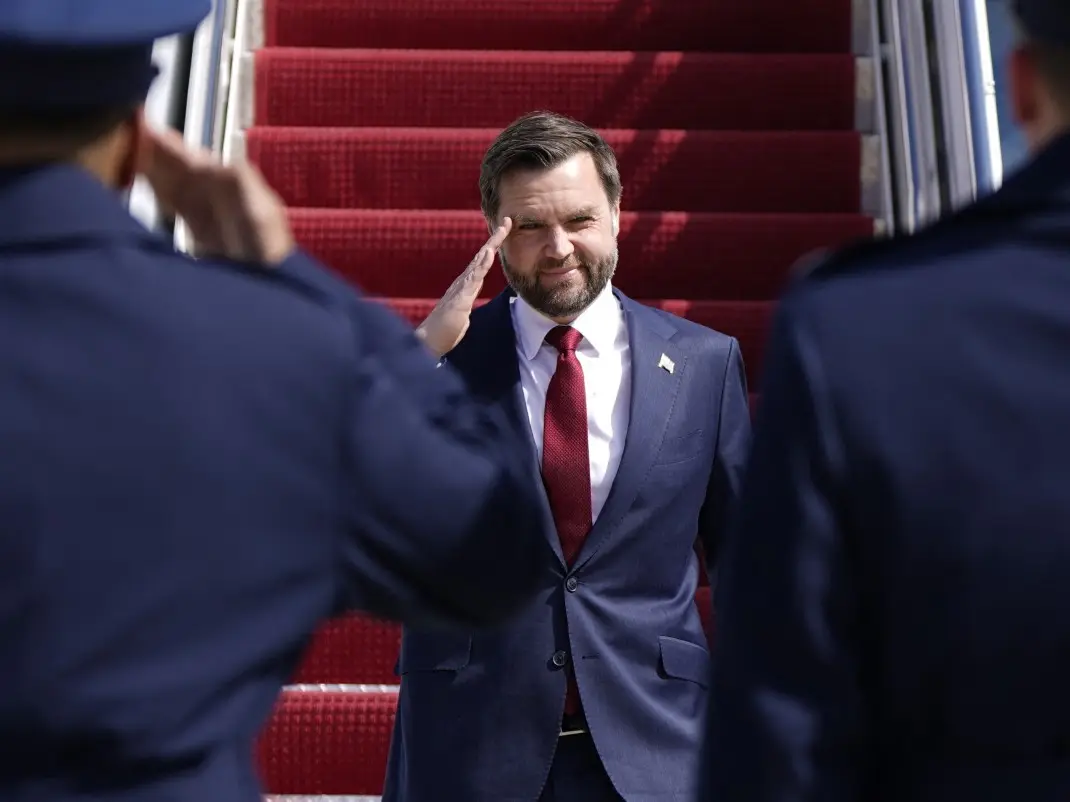
Vice President JD Vance salutes as he steps off Air Force Two at Joint Base Andrews in Maryland on March 18, 2026. Photograph: (AFP)
Tehran prefers JD Vance over Trump’s inner circle, viewing him as a more restrained negotiator. Amid deep mistrust, Pakistan has offered to mediate, though formal diplomatic progress remains stalled.
As the US and Iran inch, however cautiously, toward the possibility of dialogue, an unusual preliminary battle has emerged, not over terms or territory, but over who gets to sit at the negotiating table. Tehran’s message to Washington is neither subtle nor routine. It does not want to engage closely with envoys who are closely associated with President Donald Trump’s inner circle, particularly Jared Kushner and Steve Witkoff. Instead, Iran has signalled a preference for Vice President JD Vance - a choice that reflects not personal affinity, but strategic calculation. At the heart of this preference lies a deep and widening trust deficit.
A crisis of credibility
Iranian scepticism toward Washington’s negotiating framework is rooted in recent history. Talks that were once underway collapsed amid military escalation, reinforcing Tehran’s long-held suspicion that diplomacy can be used as cover for coercive action. From Iran’s perspective, the architects of past negotiations cannot be easily recast as credible brokers of peace. The continued presence of figures like Kushner and Witkoff is seen not as continuity, but as confirmation that little has changed in Washington’s approach.
This is not merely a diplomatic disagreement; it is a credibility crisis. For Tehran, re-engaging under the same interlocutors risks repeating what it views as a familiar pattern: negotiations pursued in parallel with pressure, which ultimately undermines them.
Why JD Vance?
Trending Stories
&imwidth=280&imheight=210&format=webp&quality=medium)
&imwidth=280&imheight=210&format=webp&quality=medium)
&imwidth=280&imheight=210&format=webp&quality=medium)
&imwidth=280&imheight=210&format=webp&quality=medium)
&imwidth=280&imheight=210&format=webp&quality=medium)
&imwidth=280&imheight=210&format=webp&quality=medium)
&imwidth=280&imheight=210&format=webp&quality=medium)
&imwidth=280&imheight=210&format=webp&quality=medium)
&imwidth=280&imheight=210&format=webp&quality=medium)
&imwidth=280&imheight=210&format=webp&quality=medium)
&imwidth=280&imheight=210&format=webp&quality=medium)
&imwidth=280&imheight=210&format=webp&quality=medium)
&imwidth=280&imheight=210&format=webp&quality=medium)
&imwidth=280&imheight=210&format=webp&quality=medium)
&imwidth=280&imheight=210&format=webp&quality=medium)
&imwidth=280&imheight=210&format=webp&quality=medium)
&imwidth=280&imheight=210&format=webp&quality=medium)
&imwidth=280&imheight=210&format=webp&quality=medium)
&imwidth=280&imheight=210&format=webp&quality=medium)
&imwidth=280&imheight=210&format=webp&quality=medium)
&im=FitAndFill=(700,400)&imwidth=280&imheight=210&format=webp&quality=medium)
&imwidth=280&imheight=210&format=webp&quality=medium)
&imwidth=280&imheight=210&format=webp&quality=medium)
&imwidth=280&imheight=210&format=webp&quality=medium)
&imwidth=280&imheight=210&format=webp&quality=medium)
&imwidth=280&imheight=210&format=webp&quality=medium)
&imwidth=280&imheight=210&format=webp&quality=medium)
&imwidth=280&imheight=210&format=webp&quality=medium)
&imwidth=280&imheight=210&format=webp&quality=medium)
Against this backdrop, Vance appears, at least relatively, more acceptable. Unlike Trump’s long-standing advisers, Vance is perceived as less ideologically invested in West Asia interventions and more inclined toward strategic restraint. This perception, whether entirely accurate or not, has shaped Tehran’s calculus.
In conflicts where trust is scarce, parties often look not for ideal partners, but for the least objectionable ones. Iran’s apparent preference for Vance reflects this logic. It is less an endorsement than an attempt to minimise risk, to engage with a figure seen as more likely to prioritise de-escalation over confrontation.
Washington pushes back
The response from Washington has been firm. Trump has publicly maintained that all key figures, including Vance, Kushner and Witkoff, remain involved in the diplomatic process. The White House has further emphasised that the authority to appoint negotiators rests solely with the president.
This insistence underscores a broader tension: while the US seeks to project unity and control over its diplomatic apparatus, Iran is attempting to shape the process from the outset by influencing its composition. In effect, the negotiation has already begun - before any formal talks have taken place.
Pakistan steps forward
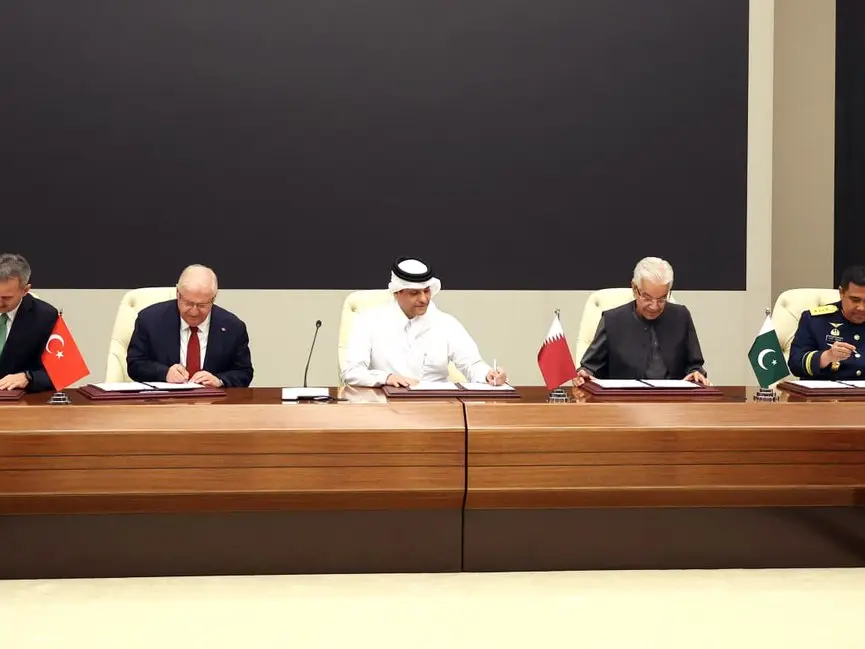
Amid this uncertainty, Pakistan has positioned itself as a potential venue for talks. Prime Minister Shehbaz Sharif has expressed readiness to host discussions, framing Islamabad as a neutral ground for “meaningful and conclusive” engagement.
The outreach includes direct contact with Iranian President Masoud Pezeshkian, with both sides acknowledging the urgency of de-escalation. Other regional actors, including Turkey, Qatar and Egypt, remain possible alternatives, reflecting the broader geopolitical interest in containing the conflict.
Any movement toward dialogue is complicated by contradictory signals from both sides. Trump has alternated between declaring military success and suggesting ongoing “productive conversations,” while also issuing stark warnings about potential escalation.
Iran, meanwhile, has publicly downplayed the existence of active negotiations, portraying US overtures as attempts to manage the fallout of its own rhetoric and actions.
Disclaimer: WION takes utmost care to accurately and responsibly report ongoing conflicts in West Asia involving Israel, Iran, US, Gulf nations and non-state actors like Hezbollah, Hamas, Houthis, Islamic State, and others. Claims and counterclaims, disinformation and misinformation are being made online and offline. Given this context, WION cannot independently verify the authenticity of all statements, social media posts, photos and videos.

