Who is Khalilur Rahman? All you need to know about 81st UN General Assembly President

&imwidth=600&imheight=450&format=webp&quality=medium "Who is Khalilur Rahman? All you need to know about 81st UN General Assembly President")
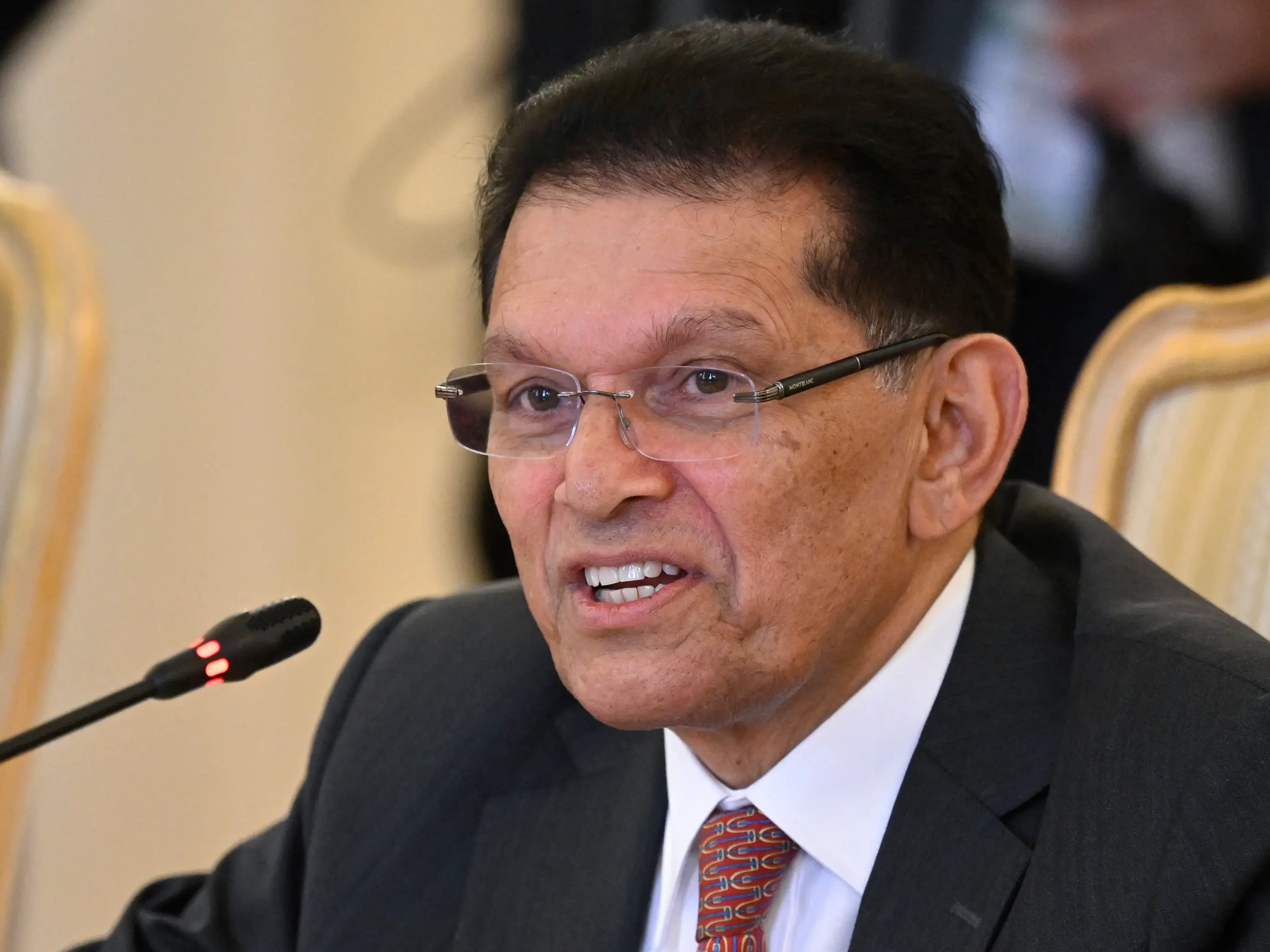
Khalilur Rahman, the 81st UNGA President and Bangladeshi Foreign Minister Photograph: (AFP)
Khalilur Rahman, Bangladesh’s veteran diplomat and foreign minister, is presiding over the 81st UN General Assembly, with a focus on restoring trust, peace, development, climate action and UN reforms.
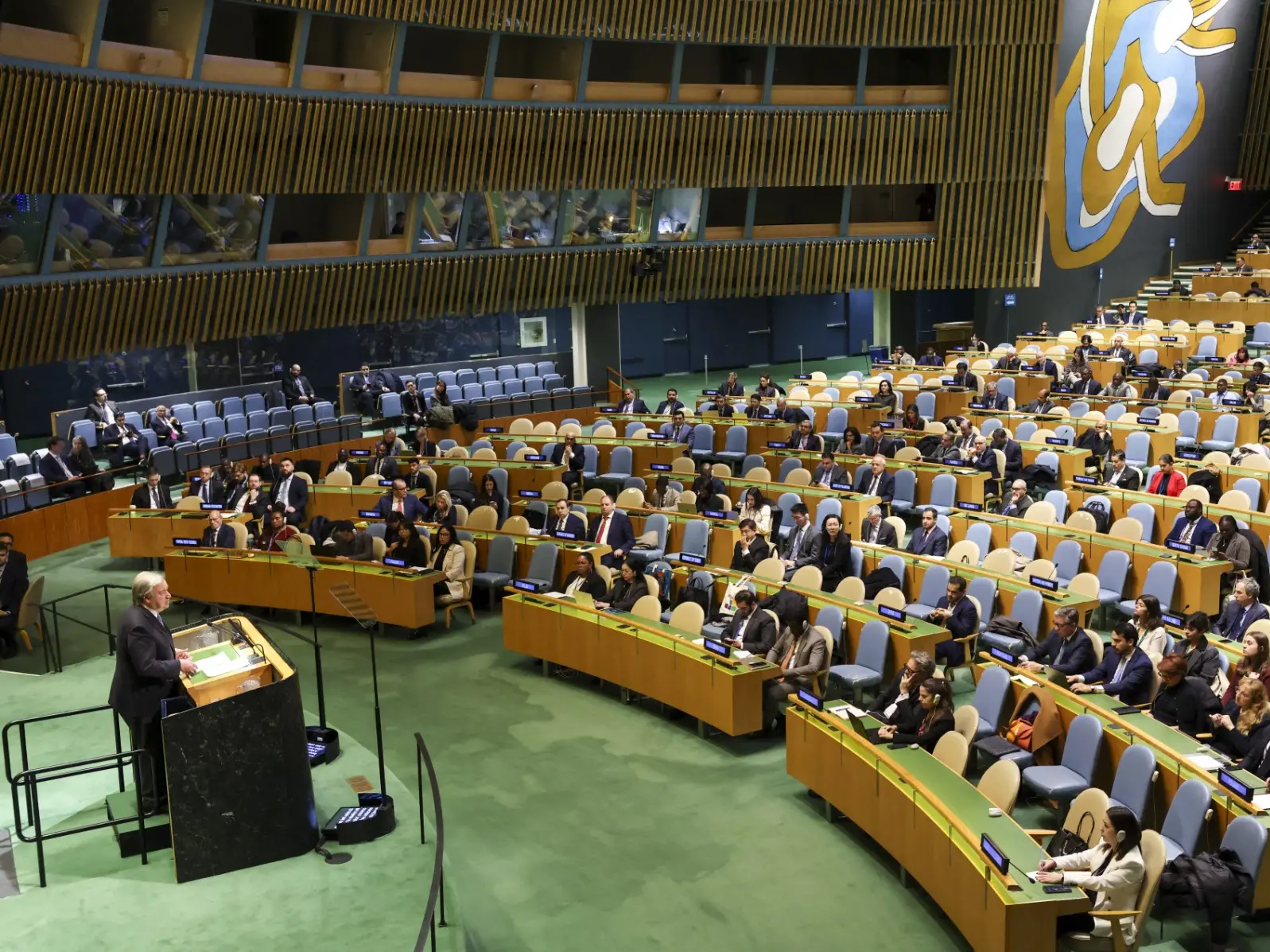
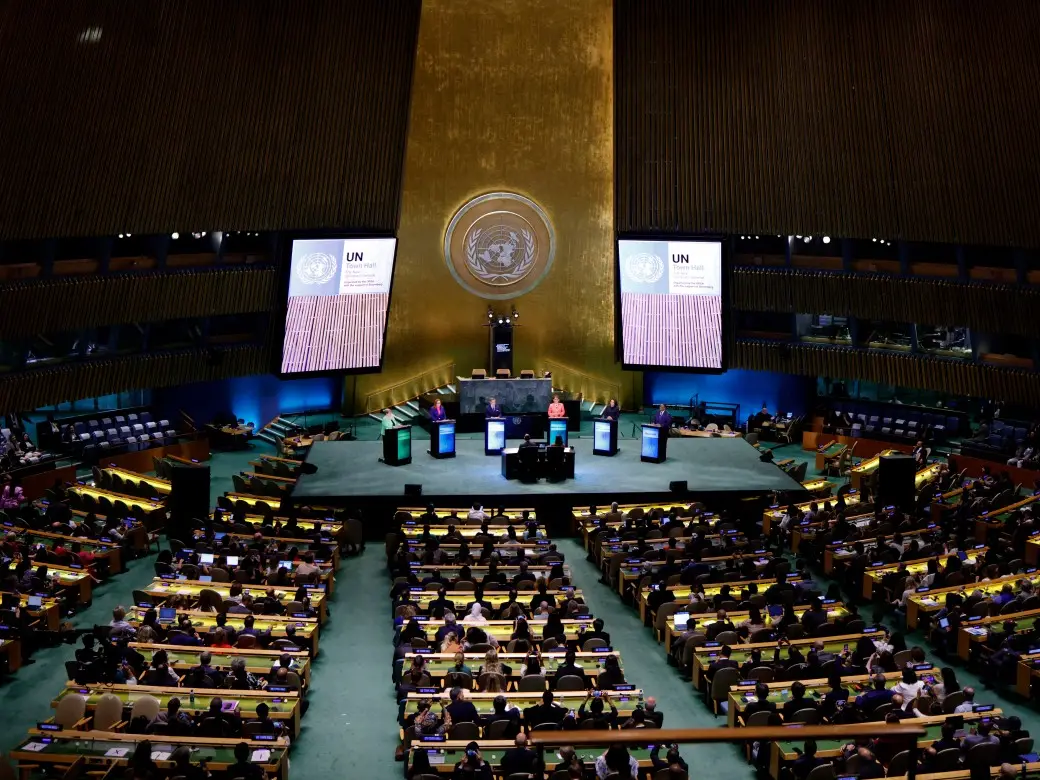
World leaders are set to gather in New York for the 81st session of the United Nations General Assembly, with the high-level General Debate running from September 22 to September 28, 2026. Bangladesh’s Foreign Minister Khalilur Rahman is presiding over one of the biggest diplomatic gatherings on the global calendar. Elected as president of the 81st UNGA on June 2, 2026, after defeating Cyprus’ candidate Andreas Kakouris in a secret ballot, he secured 99 of the 190 votes cast. His one-year term formally began with the opening of the session on September 8.
Who is Khalilur Rahman?
Rahman is a career diplomat who joined Bangladesh’s foreign service in 1979. He later served at Bangladesh’s Permanent Mission to the UN in New York and represented Dhaka in the General Assembly’s Economic and Financial Committee.
His association with the UN spans more than three decades. In 1991, he joined the UN system as a special adviser at the UN Conference on Trade and Development (UNCTAD) in Geneva. Over the following 25 years, he held senior positions in New York and Geneva, working on international trade, finance and development.
Rahman became Bangladesh’s foreign minister in February 2026. Before that, he served as national security adviser and as high representative for Rohingya affairs in Bangladesh’s interim government.
What does he want to achieve?
Trending Stories
)
)
)
&im=FitAndFill=(700,400))
)
)
&im=FitAndFill=(700,400))
)
)
)
)
)
)
)
)
)
&im=FitAndFill=(700,400))
)
)
)
)
)
)
)
)
)
&im=FitAndFill=(700,400))
)
)
)
)
)
&im=FitAndFill=(700,400))
)
)
)
)
Rahman has made restoring confidence in multilateralism a central theme of his presidency. His programme is built around six priorities, including peace and security, sustainable development, climate action, human rights, technology and UN reform.
“I will be the President of all of you,” Rahman said after his election, pledging to engage all member states and seek common ground while recognising differences.
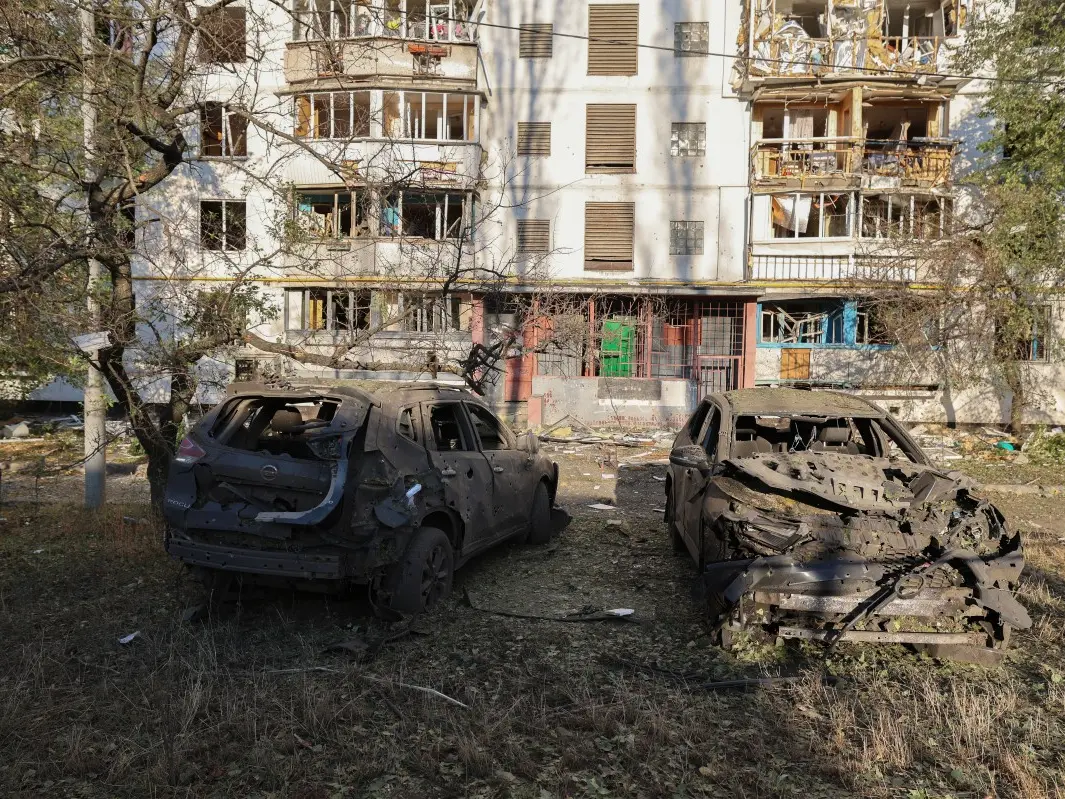
The 81st session comes as the UN faces wars, geopolitical divisions, humanitarian crises and questions over the future of multilateral cooperation. Its official theme is “Restoring Trust, Managing Transformation: a United Nations That Delivers for All.”

