Where does US-Iran peace deal stand? Explained in 10 points

&imwidth=600&imheight=450&format=webp&quality=medium "Where does US-Iran peace deal stand? Explained in 10 points")
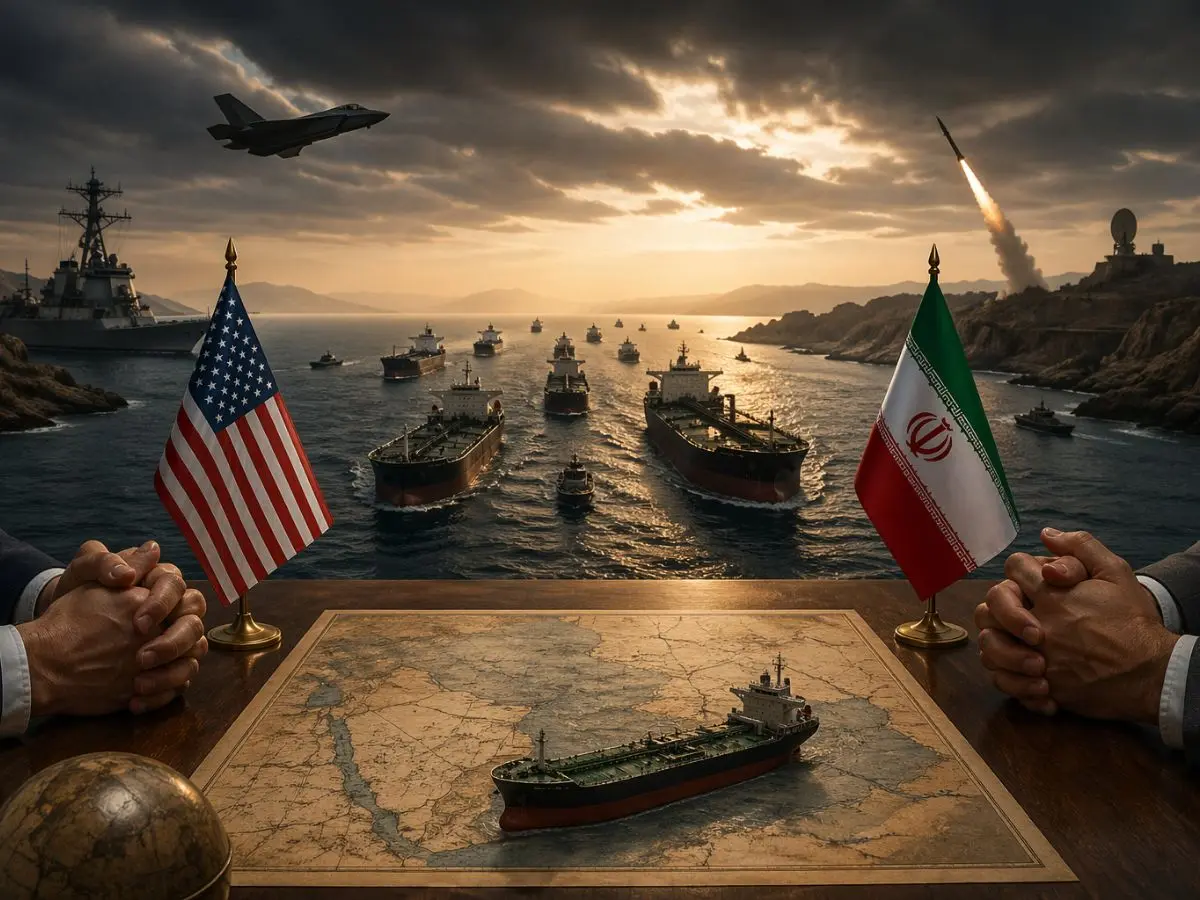
Image for representation Photograph: (AI Generated)
US-Iran talks in Switzerland produced a 60-day roadmap toward a political settlement, extending the ceasefire and making progress on nuclear inspections and sanctions, though a final deal remains uncertain.
High-level talks between the US and Iran in Switzerland have produced the clearest signs yet that both sides are attempting to move from a fragile ceasefire towards a broader political settlement. While negotiators have reported progress, officials on both sides have stressed that the process remains incomplete and that a final deal is far from guaranteed.
So, where does the peace deal stand at present? This is what we know:
1. A roadmap has been agreed, not a final deal
The biggest outcome from the Switzerland talks is an agreement on a 60-day roadmap aimed at reaching a comprehensive settlement. Mediators Pakistan and Qatar said the two sides had established a framework for further negotiations, but no final peace agreement has yet been signed.
2. The ceasefire remains the foundation
The talks are taking place under a ceasefire arrangement that was agreed earlier this month. According to Reuters, the roadmap extends efforts to preserve the truce while negotiators work through the more difficult political and security issues. The ceasefire remains essential to preventing a return to military confrontation.
Trending Stories
)
)
)
)
)
)
)
)
)
)
)
)
)
)
)
)
)
)
)
)
)
)
)
)
)
)
)
)
)
)
)
)
)
)
&im=FitAndFill=(700,400))
)
)
)
3. Nuclear inspections are emerging as a breakthrough area
One of Washington’s primary demands has been greater oversight of Iran’s nuclear activities. Reuters reported that Iran has agreed in principle to allow international nuclear inspections, a move that US officials view as a critical confidence-building measure. However, the precise scope and duration of inspections are still being negotiated.
4. Sanctions relief has started, but only temporarily
The United States has already taken a significant step by issuing a temporary 60-day licence permitting Iranian oil sales and related financial transactions. According to Reuters, the measure is intended to support negotiations rather than represent a permanent lifting of sanctions. Future relief will likely depend on Iran meeting its agreed commitments.
5. The Strait of Hormuz remains a major sticking point
Although both sides agree that shipping through the Strait of Hormuz must continue, disagreements remain over events surrounding the waterway. Negotiators have established communication mechanisms to ensure safe maritime transit, but the issue remains sensitive given its importance to global energy supplies.
6. Frozen Iranian assets are under negotiation
A mechanism for handling Iranian assets frozen abroad is being developed as part of the broader package. Reuters reported that any release of funds would likely be subject to oversight arrangements involving the United States and Qatar, reflecting continued mistrust between the two sides.
7. Lebanon has become part of the negotiations
The talks are no longer limited to bilateral US-Iran issues. According to Reuters, negotiators have discussed a ceasefire framework in Lebanon and established deconfliction channels aimed at reducing regional tensions. Progress on this front could be critical to securing a broader settlement.
Also read: The world is no longer afraid of America - and that should worry Washington | WION Decodes
8. Technical talks will continue this week
The political negotiations have now moved into a technical phase. Mediators announced that specialist teams will continue discussions on sanctions, nuclear verification, dispute resolution mechanisms and implementation timelines. These negotiations are expected to determine whether the roadmap can be transformed into a binding agreement.
9. Both sides can still walk away
Despite the positive rhetoric, senior US officials have warned that neither side is locked into the process. Reuters reported last week that both Washington and Tehran retain the option of abandoning the memorandum if disagreements over sequencing and implementation prove insurmountable.
10. Diplomats are cautiously optimistic
Perhaps the strongest indication of progress came from US Vice President JD Vance, who said the Switzerland discussions had laid a “good foundation” for a final peace agreement. Pakistan’s Prime Minister Shehbaz Sharif similarly described the talks as successful and constructive. Even so, officials acknowledge that the toughest negotiations are still ahead.

