West Asia crisis: Shahab-3, Fattah-2 among missiles that Iran fired at Israel in Oct 1 attacks

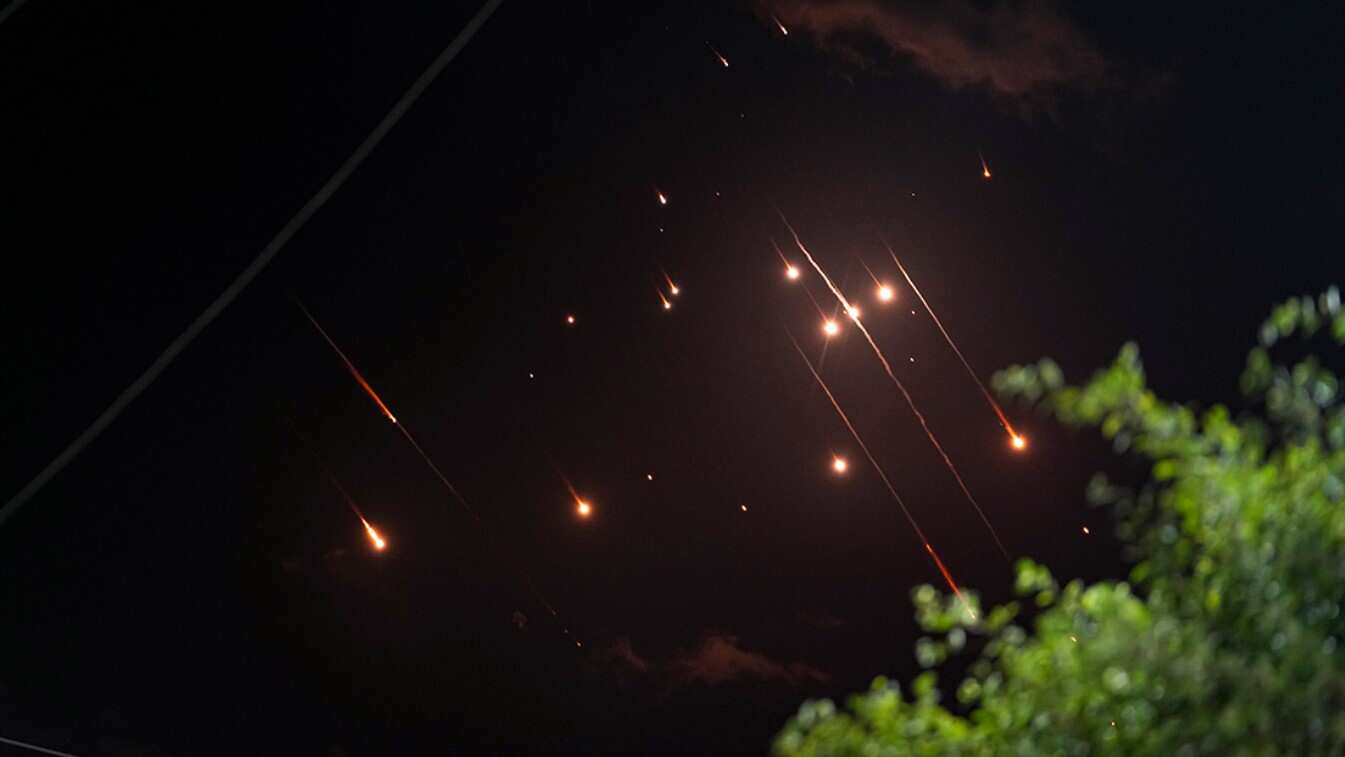
Israel later said a staggering 180 missiles were fired by Iran
Scary scenes unfolded in Israel on Tuesday (Oct 1) as Iran launched over 150 missiles at the Jewish country, majorly targeting the central region of the country. This was the second Iranian strikethis year, following a similar drone and missile attack in April. Iran said the Tuesday barrage was fired in response to the killings of topIslamic Revolutionary Guard Corps(IRGC), Hamas and Hezbollah leaders.
Israel later said a staggering 180 missiles were fired by Iran, most of which it intercepted in its airspace. Tel Aviv said only a few hits were recorded in central Israel, in which two people were injured. Israel Prime Minister Benjamin Netanyahu in a message said Iran had made a “big mistake” and that it will soon “pay for it.”
Let’s take a look at the types of missiles that Iran fired on Israel, under its so-called Operation True Promise-II.

Shahab-3 missile
Tehran is believed to have used these missiles and their variants in the barrage, reported CNN, citing experts who analysed videos. Most likely, Shahab-3 variants such as Emad or Qader were deployed by Tehran.
This is one of the staple medium-range ballistic missiles used by the Shi’ite nation, with a warhead capacity ranging from 760 to 1,200 kilograms.
&imwidth=180&imheight=135&format=webp&quality=medium)
Viral video shows cross falling on Colombia priest, no official confirmation | WATCH
&imwidth=180&imheight=135&format=webp&quality=medium)
Rafale Marine fighter begins flight trials in Goa ahead of Indian Navy induction
&imwidth=180&imheight=135&format=webp&quality=medium)
Ranbir Kapoor apologises for Dussehra speech slip, clarifies remark at Ramayana event
&imwidth=180&imheight=135&format=webp&quality=medium)
Meta slapped with $25 billion fine in New Mexico over Facebook data practices, company plans appeal
&imwidth=180&imheight=135&format=webp&quality=medium)
WATCH: Woman IPS officer fires several rounds of AK-47, ignites debate online
&imwidth=180&imheight=135&format=webp&quality=medium)
WATCH | Mysterious haze grips Ohio city as toxic chemical leak forces mass evacuation – What is happening?
&imwidth=180&imheight=135&format=webp&quality=medium)
EU probes Booking.com under Digital Services Act
&imwidth=180&imheight=135&format=webp&quality=medium)
Ilhan Omar breaks silence over alleged marriage to her brother; Trump thinks it's 'really good answer'
&imwidth=180&imheight=135&format=webp&quality=medium)
Kim Jong Un death rumors explode | China accused of secretly sending troops to Pyongyang
&imwidth=180&imheight=135&format=webp&quality=medium)
US-Iran war: Bibi, Trump gamble on new Iran war to save themselves in polls
&imwidth=180&imheight=135&format=webp&quality=medium)
US midterms: Democrats sue Trump administration over alleged 'threats and intimidation' ahead of election, Musk issues warning to Dems
&imwidth=180&imheight=135&format=webp&quality=medium)
Why websites around the world are suddenly going offline? What you need to know about PHP
&imwidth=180&imheight=135&format=webp&quality=medium)
Will Rohit and Kohli play ODI World Cup 2027? BCCI president Manhas says board 'not in a position to comment'
&imwidth=180&imheight=135&format=webp&quality=medium)
1 killed, several injured in attack on Saudi Arabia's King Fahd airport
&imwidth=180&imheight=135&format=webp&quality=medium)
US midterms 2026: What polls and prediction markets indicate about Congress
&imwidth=180&imheight=135&format=webp&quality=medium)
'You are a dummy, you are a stupid person': Trump loses temper with CNN, ABC reporters after questions about Russia sanctions
&imwidth=180&imheight=135&format=webp&quality=medium)
China's dancing robot turns violent bodyguard, lifts cars and fights intruders - Watch
&imwidth=180&imheight=135&format=webp&quality=medium)
16-foot doomsday fish in Chile triggers fears that the next earthquake is coming
&imwidth=180&imheight=135&format=webp&quality=medium)
US Midterms 2026 and money: From Bloomberg to Musk, corporate donors, super PACs and lobbies, it's all about the cash
&imwidth=180&imheight=135&format=webp&quality=medium)
Are the US and Israel preparing for another major attack on Iran? Here's what report claims
&imwidth=180&imheight=135&format=webp&quality=medium)
Priyanka Chopra celebrates Dussehra 2026 with Nick Jonas and daughter Malti Marie | See pics
&im=FitAndFill=(700,400)&imwidth=180&imheight=135&format=webp&quality=medium)
New OTT releases this week (October 19-25, 2026): Gajab Raat to Chaar Yaar-8 titles to watch during Dussehra week on Netflix, Prime Video and more
&imwidth=180&imheight=135&format=webp&quality=medium)
'Bombed the Vidhana Soudha': Bihar man arrested over AI-generated Bengaluru blast video; netizens slam 'zero freedom of speech' | Watch
&imwidth=180&imheight=135&format=webp&quality=medium)
‘I caution the president...’: Trump’s ex-press secretary warns after Zacharia’s exit
&imwidth=180&imheight=135&format=webp&quality=medium)
'Father of all bombs' vs 'mother of all bombs': Iran threatens US with new weapon as Trump hints at MOAB strike
&imwidth=180&imheight=135&format=webp&quality=medium)
Australia police arrest former national 100m champ Jake Doran for alleged child abuse
&imwidth=180&imheight=135&format=webp&quality=medium)
'Gyanu must go': CJP's Saurav Das, Ashutosh Ranka after release, despite Jantar Mantar protest undertaking
&imwidth=180&imheight=135&format=webp&quality=medium)
Hunger makes alcohol more appealing, study finds
&imwidth=180&imheight=135&format=webp&quality=medium)
Finance influencer dies by suicide in Chennai; father accuses tech CEO, who denies charge
&imwidth=180&imheight=135&format=webp&quality=medium)
Kolkata airport: CISF detects ₹1.13 crore in US dollars hidden in bags of 2 Bangkok-bound passengers
&imwidth=180&imheight=135&format=webp&quality=medium)
Saudi Arabia: Drone targeted oil facility near UAE border; violence continues in Yemen's Taiz
&imwidth=180&imheight=135&format=webp&quality=medium)
Feds obtain DNA evidence that could prove Ilhan Omar married her brother: Report
&imwidth=180&imheight=135&format=webp&quality=medium)
US midterms 2026: Trump's approval rating hits record low as Democrats gain ground
Fattah-2 hypersonic missile
Iran for the first time used these hypersonic missiles against Israel on Tuesday. These are called Hypersonic Cruise Glide Vehicle (HCGV), and were unveiled in November last year.
Fattah-2 can manoeuvre through complex and unpredictable routes. Fattah-2 can hit targets within a range of 1,400 kilometres, travelling at a speed of 24,000 kms per hour, as per media reports. It can also make quick turns to avoid defencesystems.
Haj Qasem missile
‘Haj Qasem’ is a medium-range ballistic missile (MRBM) developed by Iran, with a range of 1,400 kilometres and a warhead weight of 500 kilograms.
The missile was first revealed in 2020 and is named after late Iranian commander Qasem Soleimani, who was killed by the United States that year.
(With inputs from agencies)
Disclaimer: WION takes the utmost care to accurately and responsibly report conflicts in West Asia involving Israel, Iran, Syria, Iraq, and non-state actors like the Islamic State, among others. In this context, claims and counterclaims are being made online and offline. WION cannot independently verify the authenticity of all statements, social media posts, photos, and videos.