'Trust Trump, he understands Saudi psychology': Stephen Miller defends surprise Israel condition in US-Saudi nuclear deal

&imwidth=600&imheight=450&format=webp&quality=medium "'Trust Trump, he understands Saudi psychology': Stephen Miller defends surprise Israel condition in US-Saudi nuclear deal")
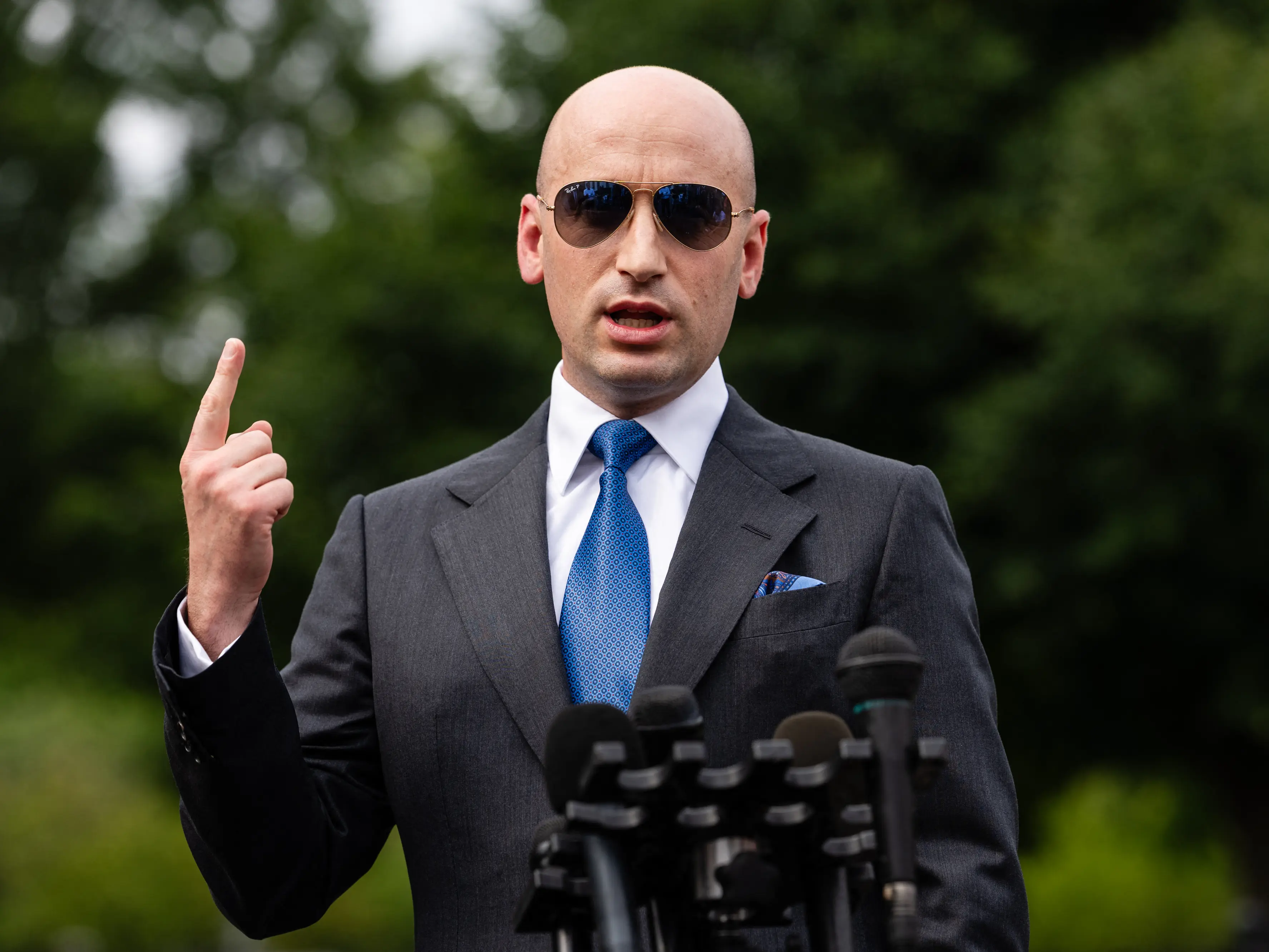
White House Deputy Chief of Staff Stephen Miller speaks to reporters outside of the White House on July 24, 2026 in Washington, DC. Miller discussed ongoing administration policies and the White House Correspondents Association Dinner. Photograph: (AFP)
White House deputy chief of staff says Americans should 'just assume and trust' Trump as Saudi Arabia resists normalising ties with Israel. Here's what he said.
White House Deputy Chief of Staff Stephen Miller on Friday (Jul 24) defended President Donald Trump's decision to condition a newly signed US-Saudi civilian nuclear agreement on Riyadh joining the Abraham Accords, saying Americans should "just assume and trust" that the president knows how to deal with the Saudi leadership.
Speaking to reporters, Miller was asked why Trump announced the new condition only a day after Washington and Riyadh signed the nuclear cooperation agreement.
"The president has been very clear with Saudi Arabia," Miller said, adding that he expects the kingdom to normalise relations with Israel by joining the Abraham Accords.
Also read | Saudi Arabia must join Abraham Accords to normalise ties with Israel for nuclear deal with US: Trump
'Trump understands Saudi psychology'
Miller argued that Trump has a unique understanding of Saudi Arabia's leadership and negotiating style. "The president, better than any American alive, understands the psychology of the kingdom, the players in the kingdom, and what that relationship looks like," Miller said.
Trending Stories
&imwidth=280&imheight=210&format=webp&quality=medium)
&imwidth=280&imheight=210&format=webp&quality=medium)
&imwidth=280&imheight=210&format=webp&quality=medium)
&imwidth=280&imheight=210&format=webp&quality=medium)
&imwidth=280&imheight=210&format=webp&quality=medium)
&imwidth=280&imheight=210&format=webp&quality=medium)
&imwidth=280&imheight=210&format=webp&quality=medium)
&imwidth=280&imheight=210&format=webp&quality=medium)
&imwidth=280&imheight=210&format=webp&quality=medium)
&imwidth=280&imheight=210&format=webp&quality=medium)
&imwidth=280&imheight=210&format=webp&quality=medium)
&im=FitAndFill=(700,400)&imwidth=280&imheight=210&format=webp&quality=medium)
&imwidth=280&imheight=210&format=webp&quality=medium)
&imwidth=280&imheight=210&format=webp&quality=medium)
&imwidth=280&imheight=210&format=webp&quality=medium)
&imwidth=280&imheight=210&format=webp&quality=medium)
&imwidth=280&imheight=210&format=webp&quality=medium)
&imwidth=280&imheight=210&format=webp&quality=medium)
&imwidth=280&imheight=210&format=webp&quality=medium)
&imwidth=280&imheight=210&format=webp&quality=medium)
&imwidth=280&imheight=210&format=webp&quality=medium)
&imwidth=280&imheight=210&format=webp&quality=medium)
&imwidth=280&imheight=210&format=webp&quality=medium)
&imwidth=280&imheight=210&format=webp&quality=medium)
&imwidth=280&imheight=210&format=webp&quality=medium)
&imwidth=280&imheight=210&format=webp&quality=medium)
&imwidth=280&imheight=210&format=webp&quality=medium)
&imwidth=280&imheight=210&format=webp&quality=medium)
&imwidth=280&imheight=210&format=webp&quality=medium)
&imwidth=280&imheight=210&format=webp&quality=medium)
&imwidth=280&imheight=210&format=webp&quality=medium)
&imwidth=280&imheight=210&format=webp&quality=medium)
&imwidth=280&imheight=210&format=webp&quality=medium)
&imwidth=280&imheight=210&format=webp&quality=medium)
&imwidth=280&imheight=210&format=webp&quality=medium)
"So he understands Saudi psychology. He understands the Saudi plan, the future. So we should just assume and trust that the president knows exactly what to do and how to do it," he added.
His remarks came amid growing questions over the future of the agreement after Trump publicly linked it to Saudi Arabia's recognition of Israel.
Trump confirms new condition
At the White House on Thursday, Trump said the civilian nuclear agreement would proceed only if Saudi Arabia joins the Abraham Accords.
"It's a two-way street, and we think it's very important for the future of the Middle East," the president said.
Earlier on Truth Social, Trump wrote that the agreement "will be approved, but is totally subject to Saudi Arabia joining the very respected and successful Abraham Accords."
White House Press Secretary Karoline Leavitt later insisted that Trump had communicated this position to Saudi leaders in previous conversations.
Saudi stance remains unchanged
Trump's condition comes despite Saudi Arabia repeatedly stating that it will not establish diplomatic relations with Israel until there is a credible pathway to a Palestinian state in the West Bank, East Jerusalem and Gaza.
The condition was not included in the civilian nuclear agreement announced a day earlier, raising uncertainty over whether the deal can move forward.
Nuclear deal sparks proliferation concerns
The agreement has also prompted debate among nuclear experts after reports suggested it could allow the export of US nuclear technology without some of the safeguards typically included in civilian nuclear cooperation agreements.
While Secretary of State Marco Rubio has maintained that safeguards against nuclear proliferation remain in place, analysts have questioned whether the proposed arrangement could weaken long-standing US non-proliferation policy. The agreement still requires approval by the US Congress before it can take effect.

