
&imwidth=800&imheight=600&format=webp&quality=medium "Trump-Xi Jinping Meeting 2026: What are the biggest trade disputes between the US and China?")
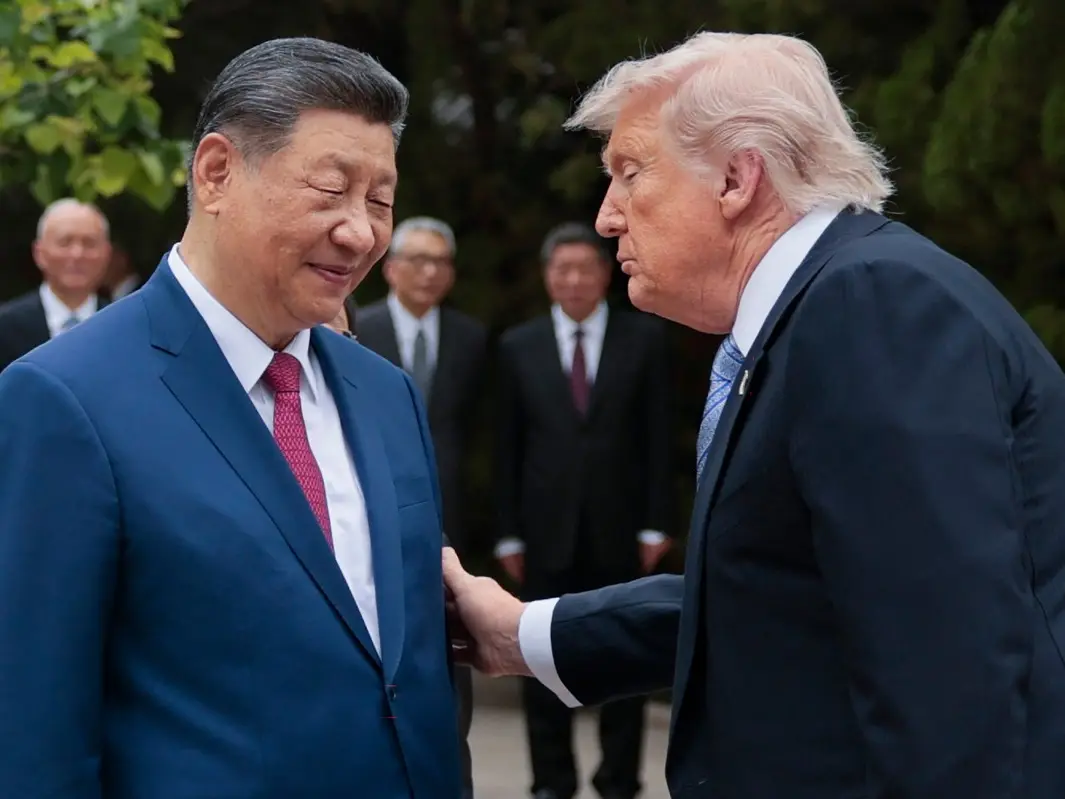
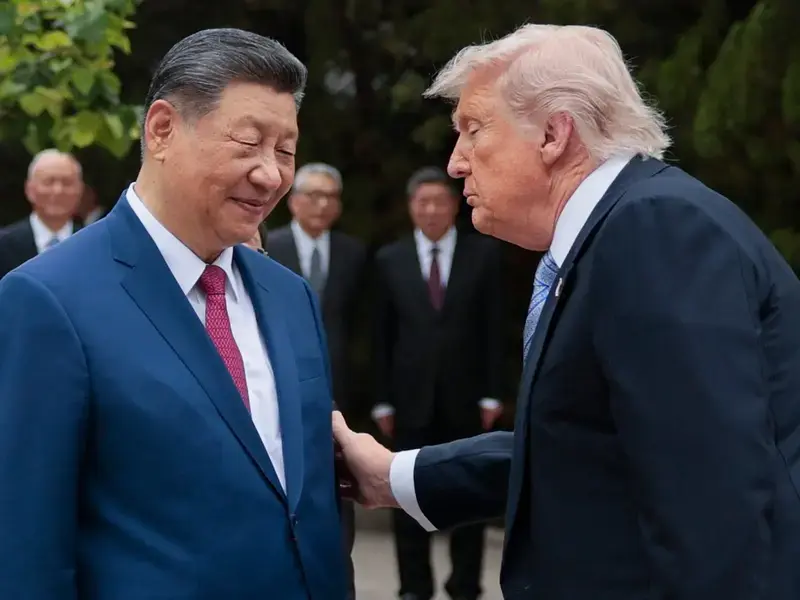
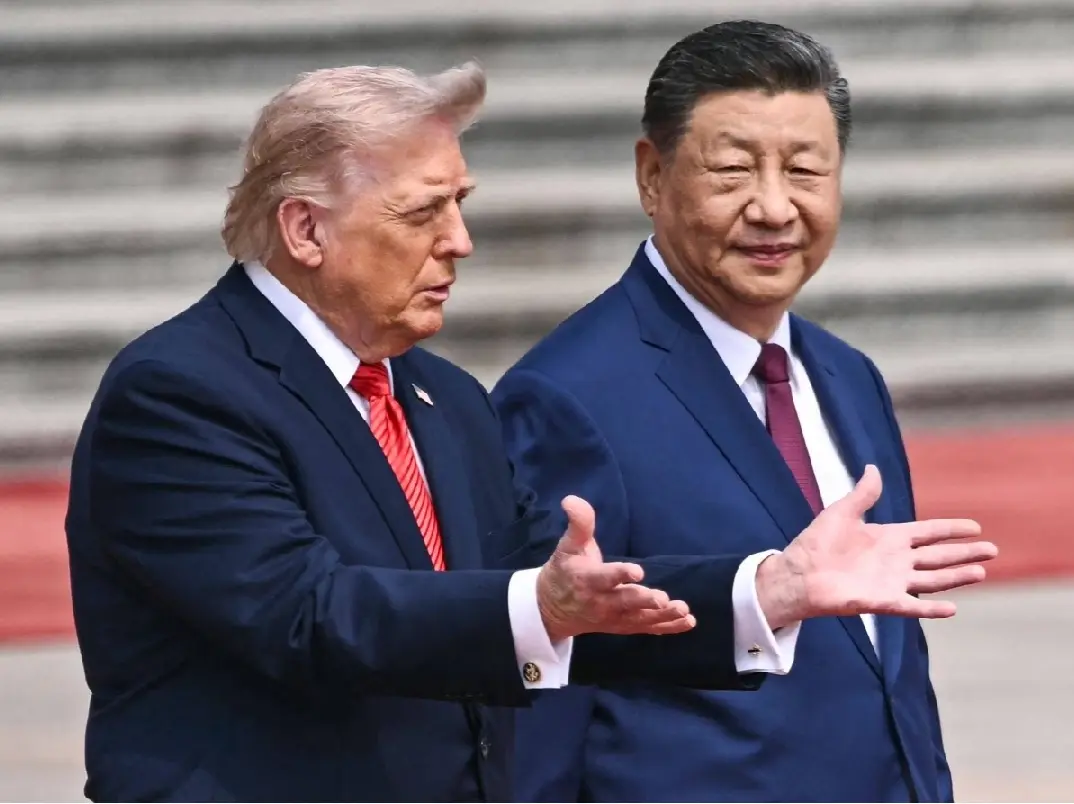
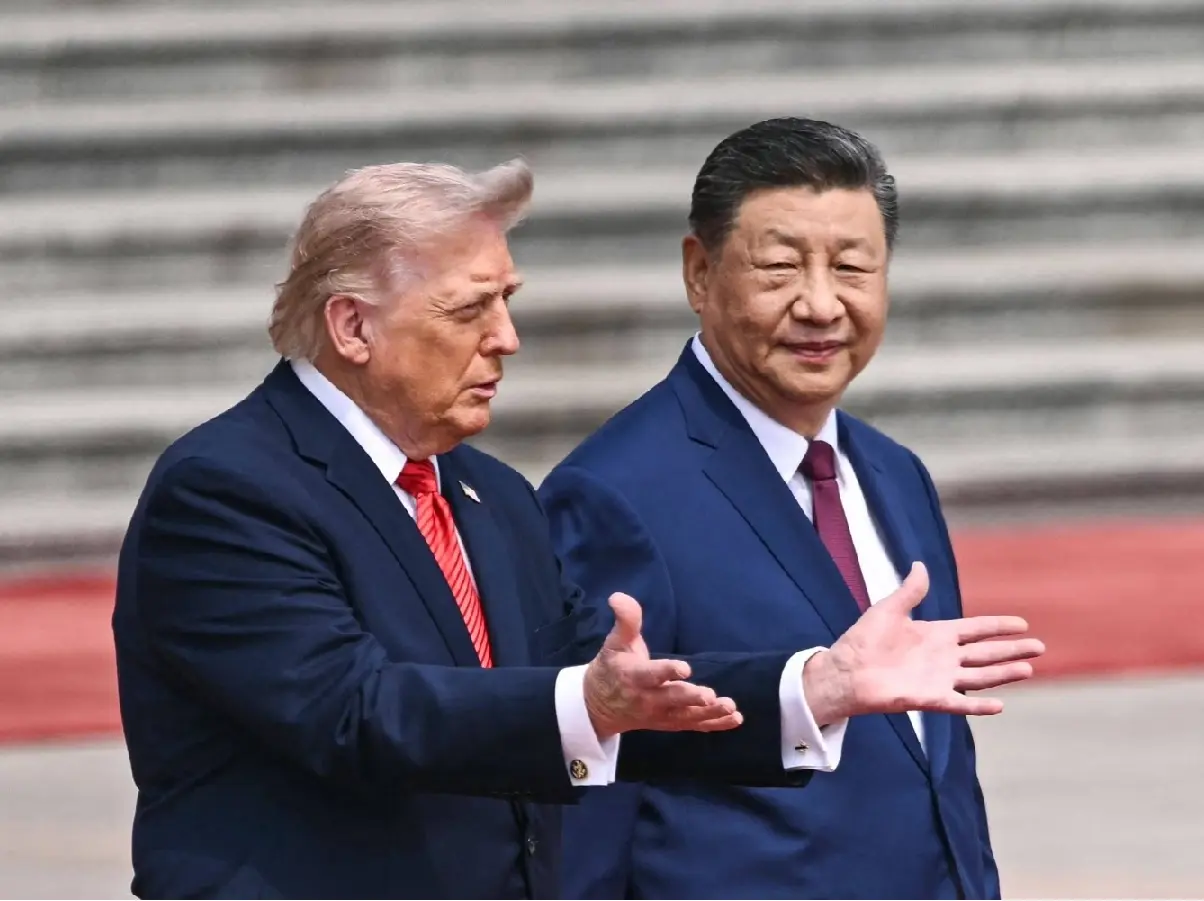
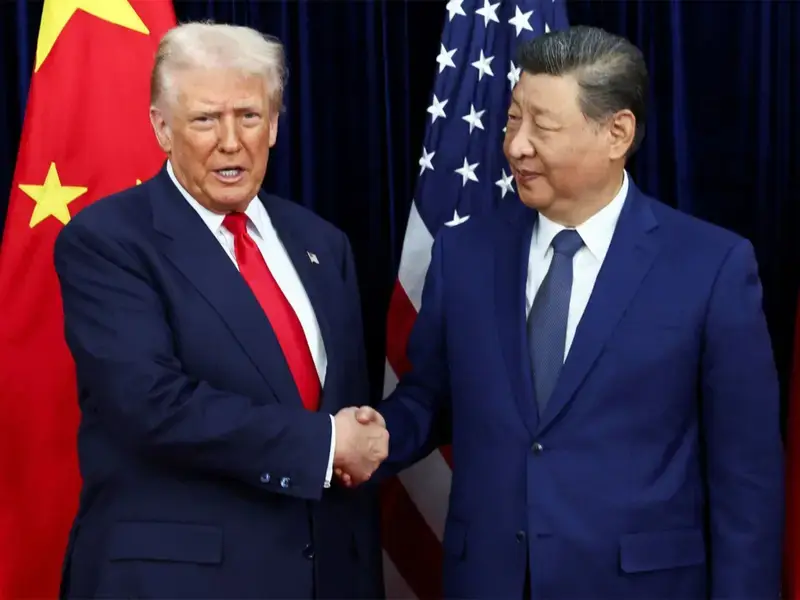
US President Donald Trump and Chinese President Xi Jinping are set to meet in Washington on Thursday (Sep 24), with trade once again at the centre of a relationship that has swung between tariff escalation and uneasy truces.
The two countries have pulled back from the extraordinary tariff battle that pushed US duties on Chinese imports as high as 145 per cent and China's retaliatory tariffs to 125 per cent. But the underlying disputes have not disappeared. Tariffs, rare earths, agricultural purchases and technology controls remain unresolved, while new disagreements over artificial intelligence and sanctions linked to Iran are adding fresh complications.
The latest talks are expected to focus on keeping the current trade truce intact. That arrangement is due to expire on November 10 unless Washington and Beijing extend it. Treasury Secretary Scott Bessent has said maintaining the truce was a focus of recent discussions with Chinese officials.

Here are the main economic disputes Trump and Xi will have to navigate.
Also read | Trump gets new power to hit India, China with up to 100% tariffs as US Senate clears Russia sanctions bill
Tariffs: the biggest unresolved trade fight
Trending Stories
)
Justice eludes Air India 1985 bombing victims as Canada probe goes 'inactive' | Gravitas
)
Trump revives India-Middle East-Europe economic corridor as India emerges central to West Asia’s future: What is it?
)
Erdogan again raises Kashmir issue at UNGA, calls for dialogue under UN Charter
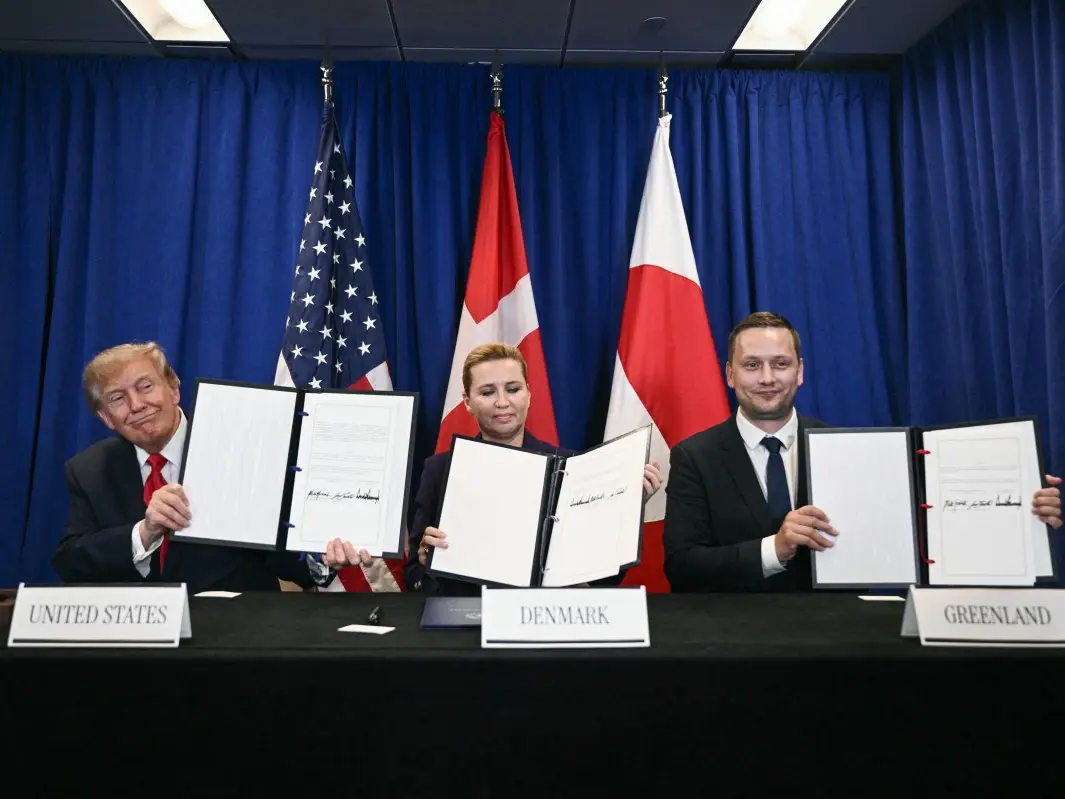)
Trump signs Greenland security deal with Denmark, paving way for two new US military bases
)
Most Americans want greater federal AI oversight
)
IND vs JPN T20I: How an overturned wide became point of difference between India's win and a tie
)
Trump-Xi summit: From trade to Taiwan, what will the US and Chinese presidents discuss in Washington?
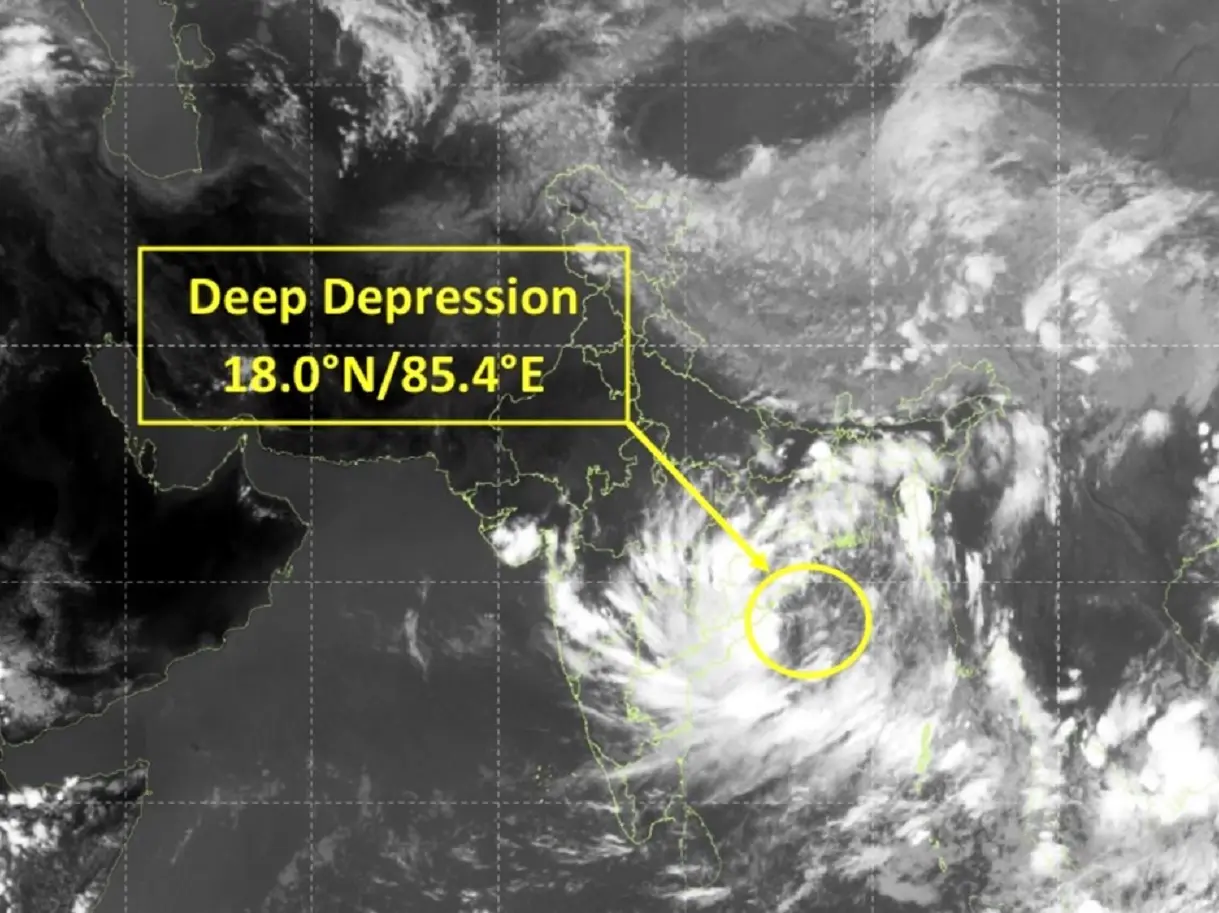)
Cyclone Arnab: Landfall expected before midnight tomorrow as IMD issues orange alerts across six states
)
ICC plans T20I expansion and fewer ODIs in 2027–2031 FTP cycle: Report
)
US-China tech war: Businesses in the front line
)
'Mumma’s boy from Gwalior who dared to dream': Kartik Aaryan pens long note after first National Award win
)
Gravitas | Boosting NHS productivity could save 20,600 lives in UK annually: Report
)
Nor'easter could batter 13 US states this week. What you should know
)
US and China vie for AI dominance as calls grow for regulation | Gravitas
)
Yemen clashes kill 154 people in two days as cornered Saudi battles Houthi offensive | Gravitas
)
Bomb scare in New York amid UNGA: Suspicious suitcase found near UN headquarters
)
IND vs JPN, one-off T20I: Japan captain Kendel on pushing India to the brink - ‘It was special’
)
Raaka creates history! Allu Arjun’s film secures Guinness World Record ahead of release
)
Mikel Arteta verbally agrees to three-year extension with Arsenal after title-winning Premier League season
)
WION Iconic Tourism Summit and Awards 2026: Key voices to discuss India’s tourism future
)
WION Iconic Tourism Summit and Iconic Awards 2026: India's travel economy leaders gather in Delhi
&im=FitAndFill=(700,400))
New OTT releases this week (September 21-27, 2026): Shaque: Trust No One, Hunkkaar, Don’t Be Shy- 5 new titles coming to Netflix, Prime Video and more
)
81st UN General Assembly: Burnham announces UK-US AI defence tie-up
)
Trump calls on nations to quit ‘rogue’ and ‘out-of-control’ International Criminal Court, rips UN
)
Infections transmitted from pregnant woman linked to autism risk
)
'What kind of confession is this?': Pakistan PM Shehbaz Sharif’s 'terrorists would be roaming New York' remark goes viral, raises alarm online. Watch
)
Elephants hide behind trees, stage surprise attack on poachers targeting rhinos in South Africa
)
IIT Bombay professor Suryanarayana Doolla sent on leave amid Sahil Wakode death probe
&im=FitAndFill=(700,400))
National Film Awards 2026: Kartik Aaryan, Mammootty, Yami Gautam, Randeep Hooda and other key winners
)
‘Strike a deal or drive Iran into hell’: Trump issues fresh warning to Tehran at UNGA
)
Anne Hathaway to run in supporting race for Nolan's epic
)
Over 4,200 books withdrawn from circulation in J&K colleges, 94% from Kashmir
)
From Gaddafi tearing up UN Charter to Trump’s ‘escalatorgate’: Most unforgettable UNGA moments
)
Explainer: Why rare-earth export licences and Board of Trade are US priorities ahead of Trump-Xi summit
)
Asia prepares for record El Nino, food shock
)
Oil slips to $98 as Saudi Arabia restarts East-West oil pipeline
)
Four female students raped during 'Red Zone' at California university. What we know
)
'Taiwan and human rights are red lines': China warns US ahead of Xi-Trump visit
Tariffs remain the most visible sign of the US-China trade conflict. Trump's return to the White House triggered a new round of tariff action in 2025, followed by Chinese retaliation. At the height of that confrontation, Washington's tariffs on Chinese goods reached 145 per cent while Beijing's duties on American imports climbed to 125 per cent. Talks in Geneva and later negotiations in South Korea brought those rates down and created a temporary ceasefire.
That truce remains fragile. Different US estimates show that Chinese goods still face substantially higher tariffs than imports from many other major trading partners.
The question now is whether Trump and Xi will simply extend the existing arrangement or try to widen it into a more durable trade framework.
The US has also been discussing a proposed $30 billion reduction package covering so-called non-critical goods, while Beijing could make additional purchases of American products.
Also read | SPY VS SPY: As Xi meets Trump, a 12-year history of US-China espionage accusations | WION Decodes
Rare earths: China's leverage over US industry
Rare earths have emerged as one of Beijing's most powerful economic levers. These minerals and the magnets made from them are essential to products ranging from electronics and electric vehicles to advanced military equipment. China dominates the processing of many critical minerals, a dependency that Washington has increasingly treated as a national security concern. The US Commerce Department has described China's position in critical-mineral processing as a vulnerability for American industry.
China tightened export controls on rare earths in 2025 during the trade confrontation. Those restrictions became a major bargaining point in negotiations with Washington.
As part of the late-2025 agreement, Beijing suspended the implementation of broader export restrictions and agreed to facilitate exports of rare earths and other critical minerals to US users. Washington, in return, suspended or reduced some of its trade measures.
But the issue is not settled. Ahead of the latest summit, US officials have been pushing for more consistent supplies, while Chinese shipments of rare earth magnets to the United States fell in August, according to Chinese customs data cited by the Financial Times.
For Washington, the dispute is about reducing dependence on China. For Beijing, rare earths provide leverage in negotiations because alternative supply chains cannot be built quickly.
Agriculture: promises versus deliveries
American farm exports have repeatedly featured in Trump-Xi negotiations, particularly soybeans. The two countries have used agricultural purchases as part of broader trade bargains, with China agreeing to buy US farm products in exchange for changes in American tariffs and restrictions.
But Washington has continued to question whether Beijing has fully met some commitments from previous agreements. Bessent said this week that “some deliverables” under an earlier Trump-Xi agreement had not been completely fulfilled.
Agriculture is therefore both a commercial issue and a political one for the Trump administration, because China is a major market for American farmers.
Recent talks have included expectations of further US agricultural purchases. Reuters reported that China was on track to meet a commitment to buy 25 million metric tonnes of US agricultural products annually through 2028, while additional imports were also being discussed.
The broader disagreement is over whether purchase commitments can produce a lasting rebalancing of trade or merely form part of temporary summit deals.
Semiconductors and AI: trade is becoming technology policy
The US-China trade dispute is no longer just about goods crossing borders. It increasingly extends to the technology needed to produce them.
Washington has restricted China's access to some advanced semiconductors and chipmaking technologies, citing national security concerns. Beijing has responded with its own controls and measures affecting foreign companies and strategic technologies.
The US Trade Representative's 2026 report said it had determined that China's targeting of the semiconductor industry for dominance creates economic and national security risks for the United States. Washington has announced a Section 301 tariff measure on Chinese semiconductors, initially set at zero but scheduled to rise from June 2027.
Artificial intelligence has now been added to that technology dispute.
Bessent said recent US-China discussions included creating a mechanism for the two countries to notify each other about AI incidents with national security implications. The upcoming summit is also expected to address AI safety and the rules surrounding increasingly powerful models.
Fentanyl chemicals and trade restrictions
The flow of chemicals used to manufacture illicit fentanyl has been another source of tension.
Washington has accused Chinese suppliers of being a major source of precursor chemicals and has used tariffs and other trade measures to pressure Beijing.
China agreed in late 2025 to tighten controls on designated chemicals and take measures to curb the flow of fentanyl precursors. The United States subsequently reduced part of its fentanyl-related tariff burden.
But the issue remains active. China has introduced additional export controls on precursor chemicals ahead of Xi's visit, showing that the subject remains part of the wider economic relationship.
Also read | Trump signs Greenland security deal with Denmark, paving way for two new US military bases
Iran sanctions add another layer
The Iran conflict is not traditionally a US-China trade dispute, but it is increasingly tied to the economic relationship.
The Trump administration's sanctions campaign against Iran has put pressure on Chinese companies and financial institutions that conduct business with Tehran. Washington has so far avoided directly targeting Beijing, but US officials have held discussions with their Chinese counterparts over the issue.
Bessent said the subject was raised during recent talks with Chinese officials and that Chinese financial authorities had been engaged in discussions.
That creates another potential point of friction just as Washington is trying to preserve its trade truce with Beijing.
What is at stake at the Trump-Xi meeting?
The US and China remain deeply economically intertwined despite the trade war. US goods trade with China totalled $414.6 billion in 2025, while services trade added another $80 billion, according to US government figures. The US goods deficit with China was $202.7 billion that year.
The immediate issue is whether the two leaders can keep the current truce from unravelling before its November 10 expiry. Beyond that lies a much harder question: whether the world's two largest economies can manage their competition without repeatedly returning to tariffs, export controls and retaliatory measures.

