Trump to charge foreign students $100,000 for a shot at a US job? Here's why Indian students should be worried

&imwidth=600&imheight=450&format=webp&quality=medium "Trump to charge foreign students $100,000 for a shot at a US job? Here's why Indian students should be worried")
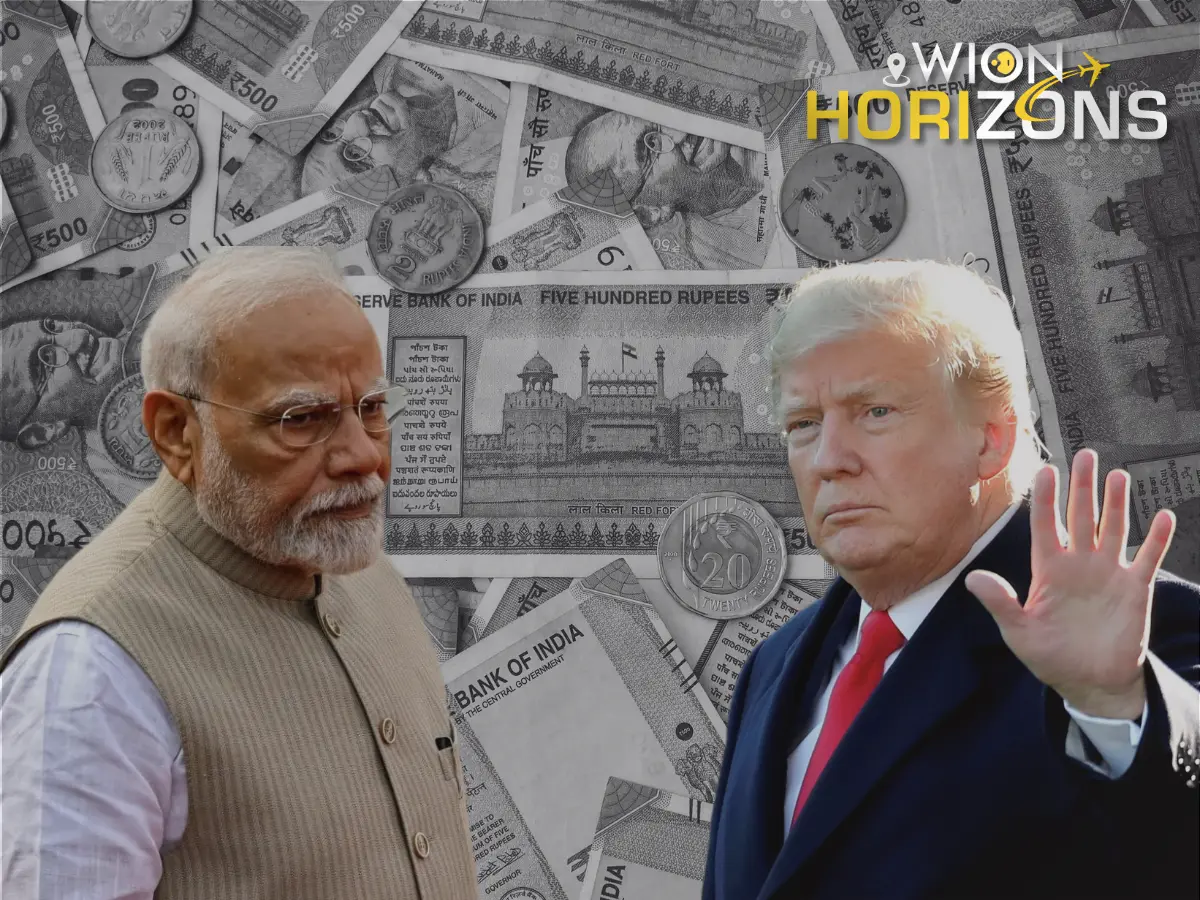
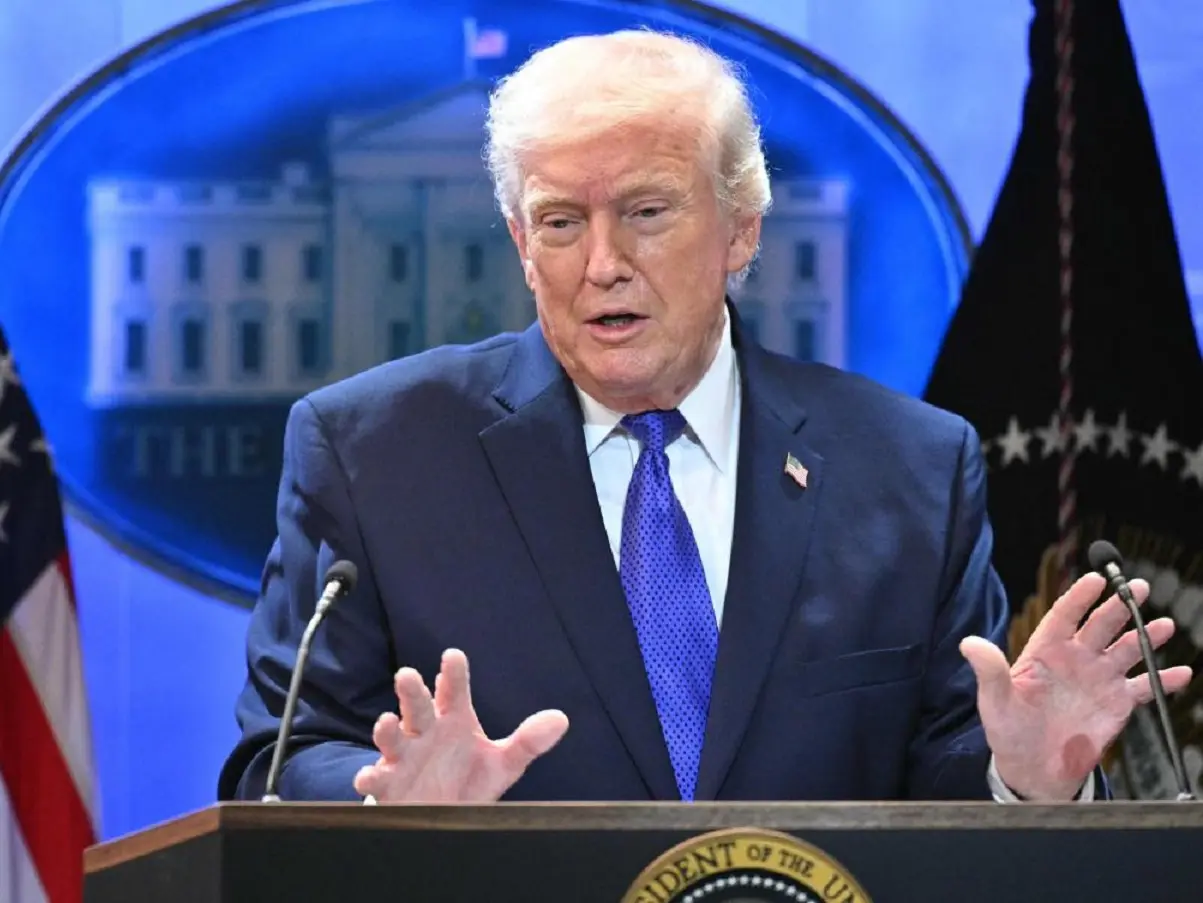
US President Donald Trump, Indian PM Narendra Modi Photograph: (WION Web Desk)
The Trump administration is reportedly considering charging international graduates USD 100,000 for access to the Optional Practical Training (OPT) programme. This could dramatically increase the cost of studying in the US and disproportionately affect Indian students. Here's why.
The Donald Trump administration is considering charging international graduates USD 100,000 for a chance to obtain post-graduation employment in the United States, reports suggest. According to a Wall Street Journal report, America may require foreign university graduates to pay the whopping amount for access to the Optional Practical Training (OPT) programme. This move could significantly raise the cost of studying in the United States for Indian students, who make up the largest international student community in the country.
While the proposal has not been officially announced, it has already sparked concern among universities, employers and students because of the central role OPT plays in helping foreign graduates transition from education to employment.
Why should Indian students care?
India sent 3,63,019 students to the US during the 2024-25 academic year, according to the Institute of International Education's Open Doors 2025 Report, making it the largest source of international students in the country.
More importantly, 39 per cent of those students were on Optional Practical Training, meaning roughly 1.4 lakh Indian graduates were working in the US after completing their studies.
Trending Stories
)
)
)
)
)
)
)
&im=FitAndFill=(700,400))
)
)
)
&im=FitAndFill=(700,400))
)
)
)
)
)
)
)
&im=FitAndFill=(700,400))
)
)
)
)
)
)
)
)
)
)
)
)
)
)
)
If a USD 100,000 (around ₹95 lakh at current exchange rates) fee is introduced, Indian students could become one of the groups most heavily affected simply because they are the largest users of the programme.
What exactly is OPT?
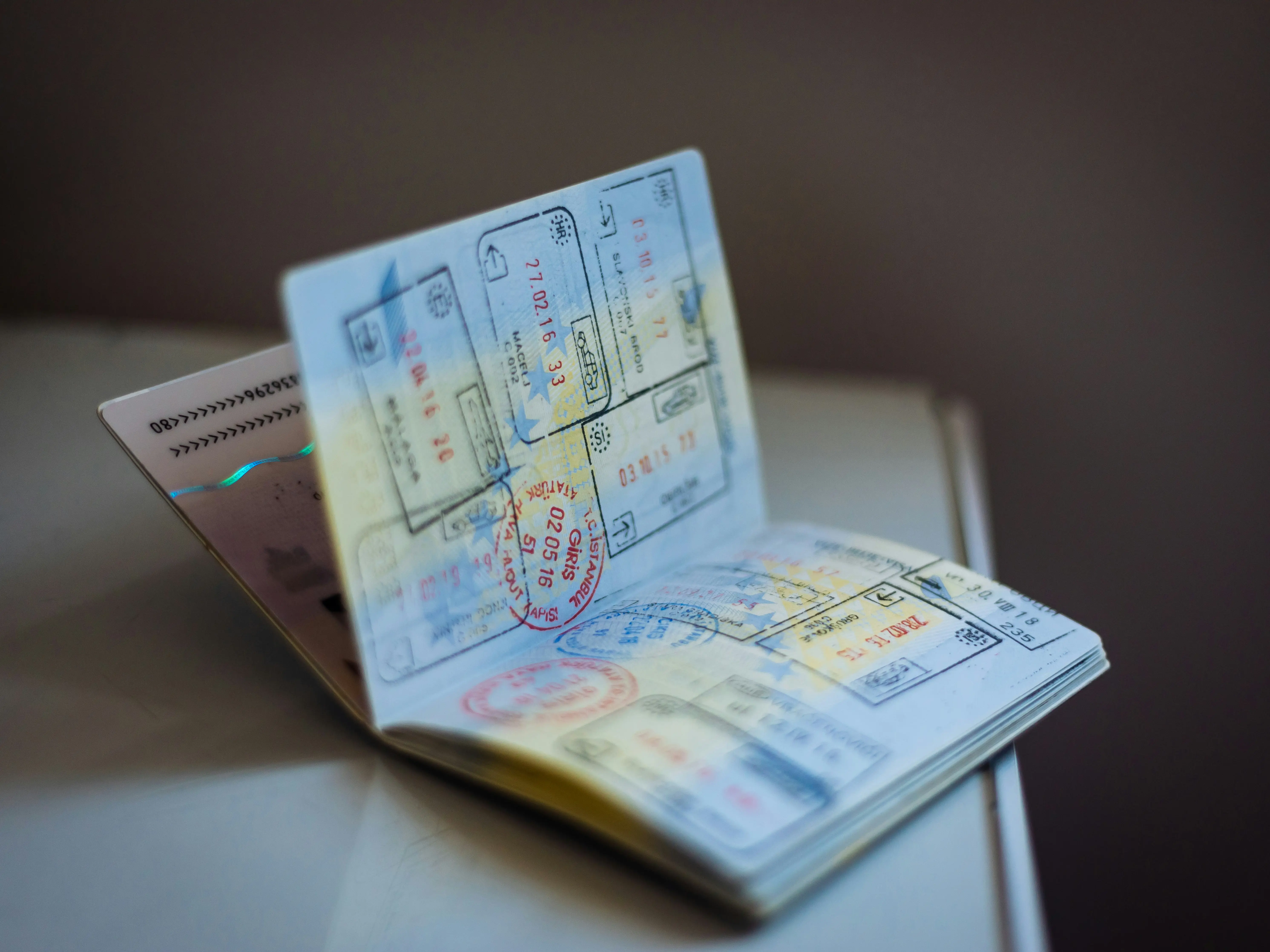
OPT allows international students on F-1 visas to work in the US after graduation in jobs related to their degree.
Most graduates can work for up to one year, while students in science, technology, engineering and mathematics (STEM) fields can remain employed for up to three years.
For many Indians, OPT is not just a temporary work permit. It is the bridge between a US degree and an H-1B skilled worker visa, which many hope will eventually lead to long-term employment.
According to official data cited by WSJ, approximately 419,000 international graduates were working via the OPT pathway in 2024.
How could this change affect Indian students?
A USD 100,000 charge would fundamentally alter the economics of studying in America.
Many Indian families already spend tens of lakhs of rupees on tuition and living expenses. Adding another USD 100,000 could put the post-study work option out of reach for many students.
It could also discourage prospective applicants from choosing US universities in favour of countries such as Canada, Australia, the UK or Germany, where post-study work pathways are generally less expensive.
Could universities and companies lose out too?
The impact would extend beyond students. US universities depend heavily on international students, who often pay full tuition fees. A sharp decline in enrolment could hurt university finances.
American technology and finance companies may also face challenges. Many rely on OPT to recruit skilled graduates before sponsoring them for H-1B visas. A steep fee could shrink that talent pipeline.
Is the proposal final?
No. According to the report, the Trump administration is still weighing the proposal, and no official policy has been announced.
The reported move comes after the administration faced legal setbacks over a separate attempt to impose a similar USD 100,000 levy on certain H-1B visa applicants.
For now, Indian students planning to study in the US need not panic. But if the proposal eventually becomes policy, it could reshape the cost-benefit calculation for thousands of students hoping to build a career in America.

