Trump threatens 'friendly takeover' of another US neighbour. Here's all you need to know

&imwidth=600&imheight=450&format=webp&quality=medium "Trump threatens 'friendly takeover' of another US neighbour. Here's all you need to know")
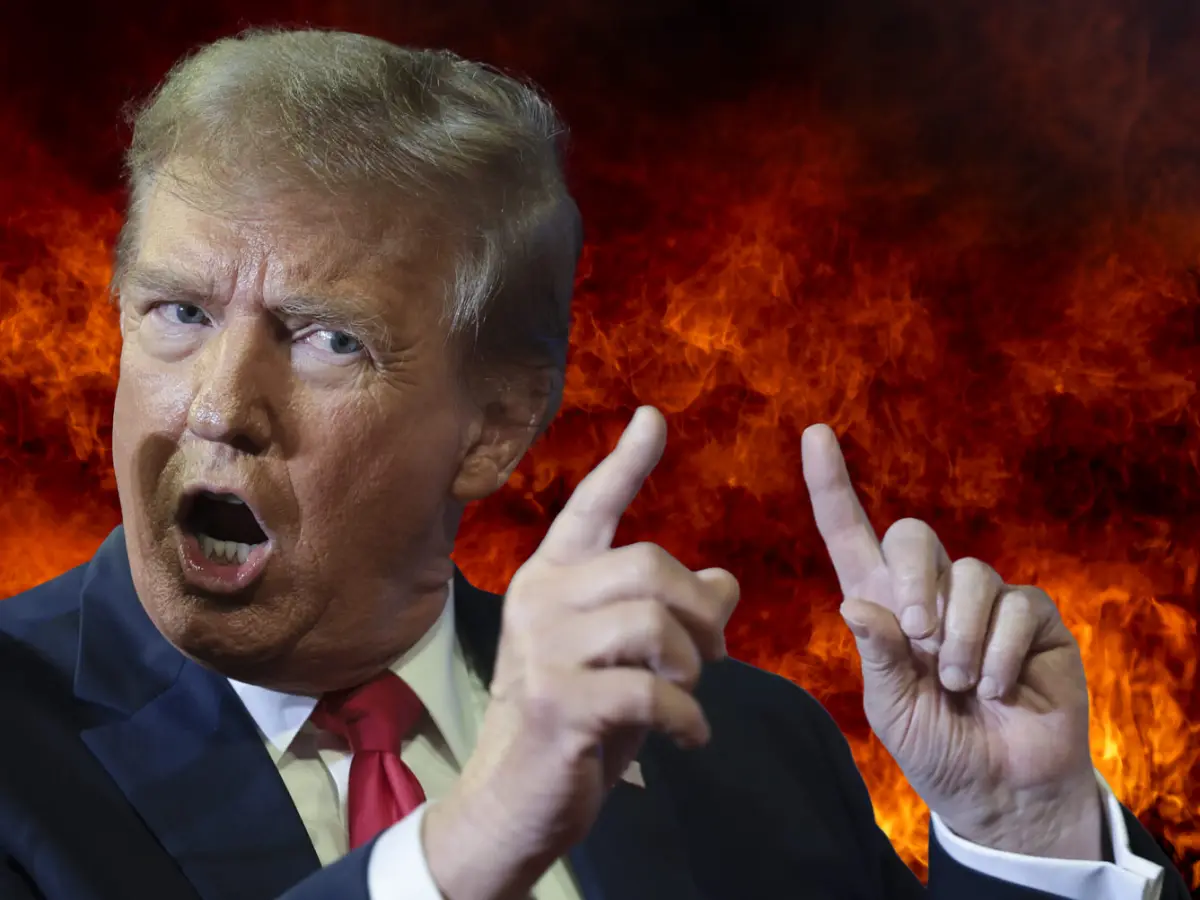
Donald Trump Photograph: (WION Web Desk)
Why is Trump talking about a “friendly takeover” of Cuba and what does it really mean? Scroll down to find out.
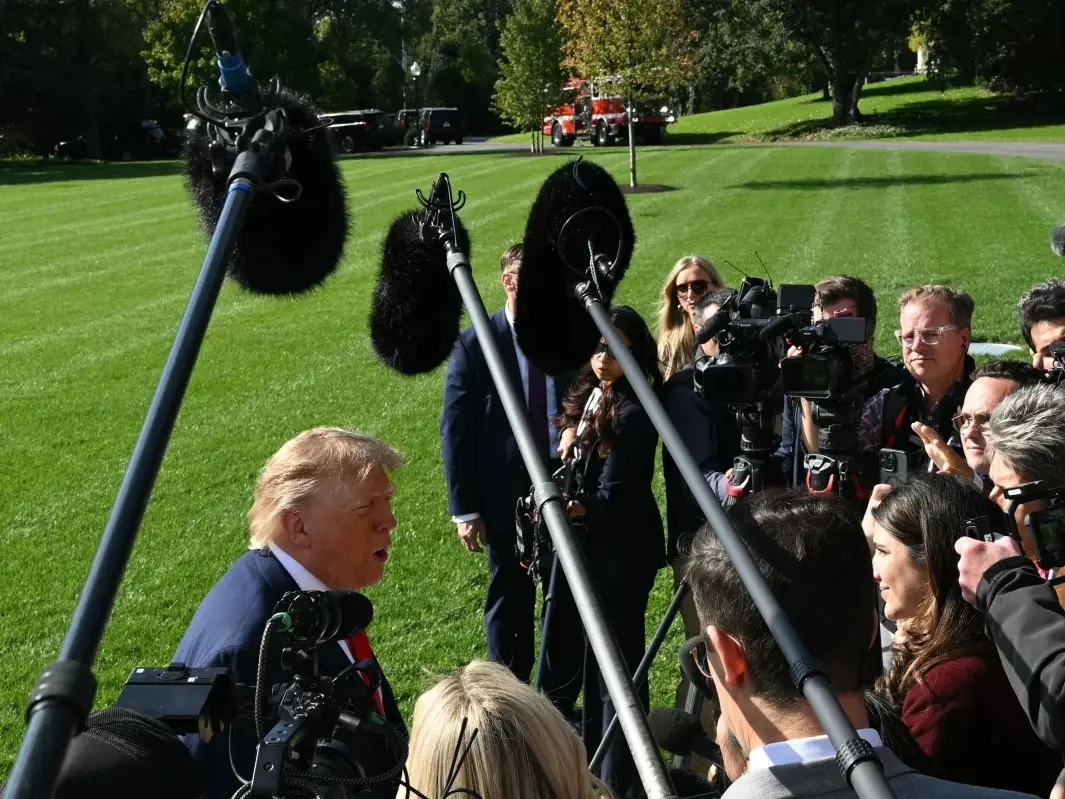
US President Donald Trump on Friday (Feb 27) floated the idea of a "friendly takeover" of another neighbouring country. While leaving for Texas, the "America First" POTUS suggested that the US could take over Cuba, a Caribbean Island nation which is facing its worst economic collapse in years. Trump's alarming statement comes almost two months after the US carried out an operation codenamed Operation Absolute Resolve, which resulted in the capture of Venezuelan president Nicolás Maduro and his wife, Cilia Flores.
Why does Trump want to take over Cuba?
Trump said that he had been hearing about Cuba's financial woes since he was a boy. "They’re in a big deal of trouble," he said, as he revealed that the Cuban government was in talks with the US.
"They have no money. They have no anything right now, but they’re talking with us, and maybe we’ll have a friendly takeover of Cuba," he said. However, the US president did not elaborate on what he meant by a "friendly takeover" but claimed that such a move would be "very positive" for Cuban exiles living in the US.
Following the Venezuela operation, Secretary of State Marco Rubio described Cuba as a "disaster" and a country run by "incompetent, senile men—and in some cases, not senile, but incompetent nonetheless".
Trending Stories
&imwidth=280&imheight=210&format=webp&quality=medium)
&imwidth=280&imheight=210&format=webp&quality=medium)
&imwidth=280&imheight=210&format=webp&quality=medium)
&imwidth=280&imheight=210&format=webp&quality=medium)
&imwidth=280&imheight=210&format=webp&quality=medium)
&imwidth=280&imheight=210&format=webp&quality=medium)
&imwidth=280&imheight=210&format=webp&quality=medium)
&imwidth=280&imheight=210&format=webp&quality=medium)
&imwidth=280&imheight=210&format=webp&quality=medium)
&imwidth=280&imheight=210&format=webp&quality=medium)
&imwidth=280&imheight=210&format=webp&quality=medium)
&imwidth=280&imheight=210&format=webp&quality=medium)
&imwidth=280&imheight=210&format=webp&quality=medium)
&imwidth=280&imheight=210&format=webp&quality=medium)
&imwidth=280&imheight=210&format=webp&quality=medium)
&imwidth=280&imheight=210&format=webp&quality=medium)
&imwidth=280&imheight=210&format=webp&quality=medium)
&imwidth=280&imheight=210&format=webp&quality=medium)
&imwidth=280&imheight=210&format=webp&quality=medium)
&imwidth=280&imheight=210&format=webp&quality=medium)
&imwidth=280&imheight=210&format=webp&quality=medium)
&imwidth=280&imheight=210&format=webp&quality=medium)
&imwidth=280&imheight=210&format=webp&quality=medium)
&imwidth=280&imheight=210&format=webp&quality=medium)
&imwidth=280&imheight=210&format=webp&quality=medium)
&imwidth=280&imheight=210&format=webp&quality=medium)
&im=FitAndFill=(700,400)&imwidth=280&imheight=210&format=webp&quality=medium)
&im=FitAndFill=(700,400)&imwidth=280&imheight=210&format=webp&quality=medium)
&imwidth=280&imheight=210&format=webp&quality=medium)
&imwidth=280&imheight=210&format=webp&quality=medium)
&imwidth=280&imheight=210&format=webp&quality=medium)
&imwidth=280&imheight=210&format=webp&quality=medium)
&imwidth=280&imheight=210&format=webp&quality=medium)
Located merely 90 miles from Florida's Key West, Cuba is also home to the notorious United States military prison, Guantanamo Bay.
Also read | 'Utterly disgusting’: Elon Musk blasts New York Times over 'paedophilia not a crime' article
Cuba's economy in trouble?
Following the US Capture of Venezuela's president, Maduro, Cuba suffered a severe humanitarian and energy crisis. Maduro's capture severed the island nation's primary economic and strategic lifeline. Cuba depended on Venezuela for roughly one-third of its fuel needs, but the nation has now been plagued by widespread power blackouts lasting up to 20 hours a day. According to reports, the island nation faces the threat of a potential total blackout by late February 2026.
The US, meanwhile, has implemented a naval blockade and has threatened sanctions on other suppliers like Mexico, which is further contributing to an exhaustion of Cuba's fuel supplies.
According to the BBC, hospitals in the nation are in darkness, with only emergency cases being admitted. Schools are often shuttered.

