
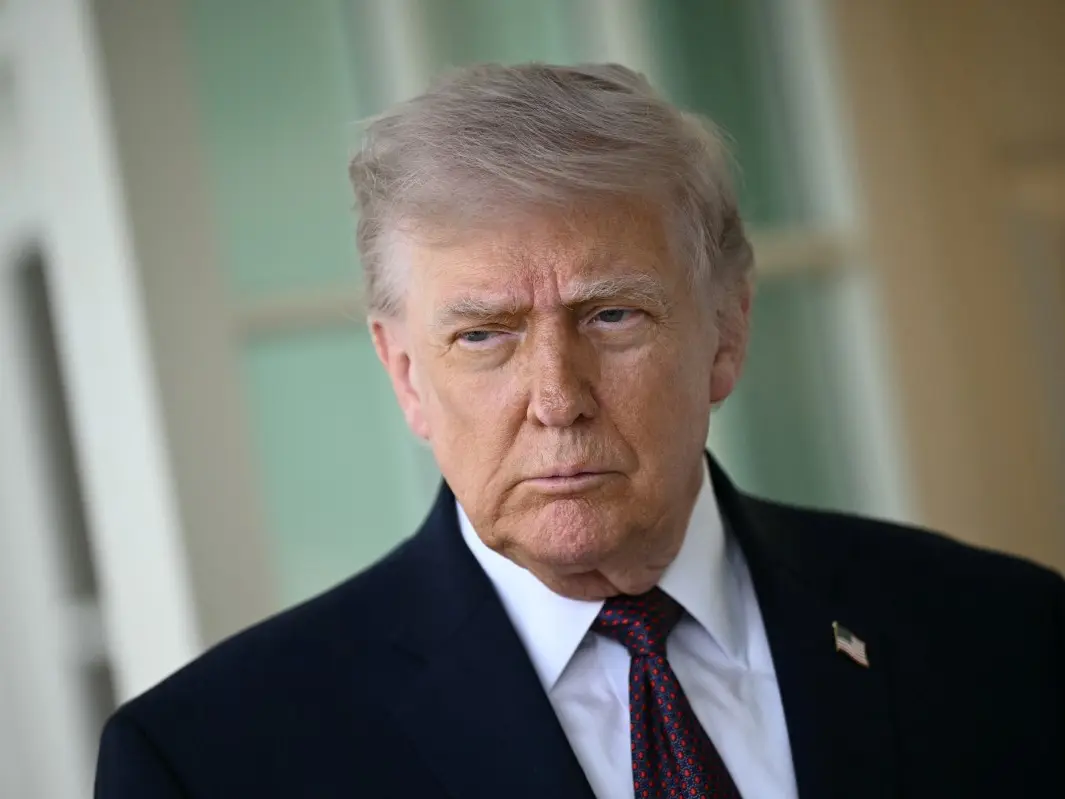
&imwidth=800&imheight=600&format=webp&quality=medium "Trump extends Israel-Lebanon ceasefire by three weeks after White House meeting")
US President Donald Trump announced on Thursday (April 23) that the ceasefire between Israel and Lebanon has been extended by three weeks. The extension is expected to provide an opportunity for both sides’ leaders to potentially meet at the White House. Trump also said that Iran must stop its financial support for Hezbollah as part of broader efforts to maintain stability in the region.
The extension follows a high-level meeting at the White House, where Trump hosted Israeli ambassador Yechiel Leiter and Lebanese ambassador Nada Moawad in the Oval Office. The meeting marked a second round of US-mediated discussions aimed at easing tensions.
Calling the discussions productive, Trump said Washington would work closely with Lebanon to counter the influence of Hezbollah. "The Meeting went very well! The United States is going to work with Lebanon in order to help it protect itself from Hezbollah. The Ceasefire between Israel and Lebanon will be extended by THREE WEEKS," Trump said. The meeting was attended by Vice President JD Vance, Secretary of State Marco Rubio, US Ambassador to Israel Mike Huckabee, and US Ambassador to Lebanon Michel Issa.

Also Read: '21 Indian seafarers safe after Iranian boats target ships in Strait of Hormuz': Government
Trump added that he expects to host Israeli Prime Minister Benjamin Netanyahu and Lebanese President Joseph Aoun at the White House soon. "I look forward in the near future to hosting the Prime Minister of Israel, Bibi Netanyahu, and the President of Lebanon, Joseph Aoun. It was a Great Honor to be a participant at this very Historic Meeting," Trump said. The diplomatic talks came a day after Israeli airstrikes killed at least five people in Lebanon, including journalist Amal Khalil, marking the deadliest day in the country since the ceasefire took effect on April 16.
Al-Akhbar confirmed Khalil’s death, citing a senior military official. Hezbollah lawmaker Hassan Fadlallah said the group supports continuing the ceasefire, but only if Israel fully complies with its terms. Speaking during a televised press conference, he rejected direct negotiations with Israel and urged the Lebanese government to stop all face-to-face engagement. Clashes between Hezbollah and Israel resumed on March 2, when the group launched attacks with backing from Iran amid broader regional tensions. While the ceasefire in Lebanon was negotiated separately from Washington’s efforts with Tehran, Iran had pushed for Lebanon to be included in a wider agreement.
Trending Stories
)
The Early Spring season 2 is happening, but fans have one request - 'don't change the actors'
)
Saudi vs Houthis: Riyadh claims to have shot Houthi drone targeting Mecca
)
Daayra movie review: Kareena Kapoor, Prithviraj Sukumaran shine in Meghna Gulzar’s cop-versus-cop crime thriller
)
US, China dominate global economy: Where does India rank among the world's biggest economies?
)
Veteran actor Anant Nag honoured with Indian cinema’s highest award
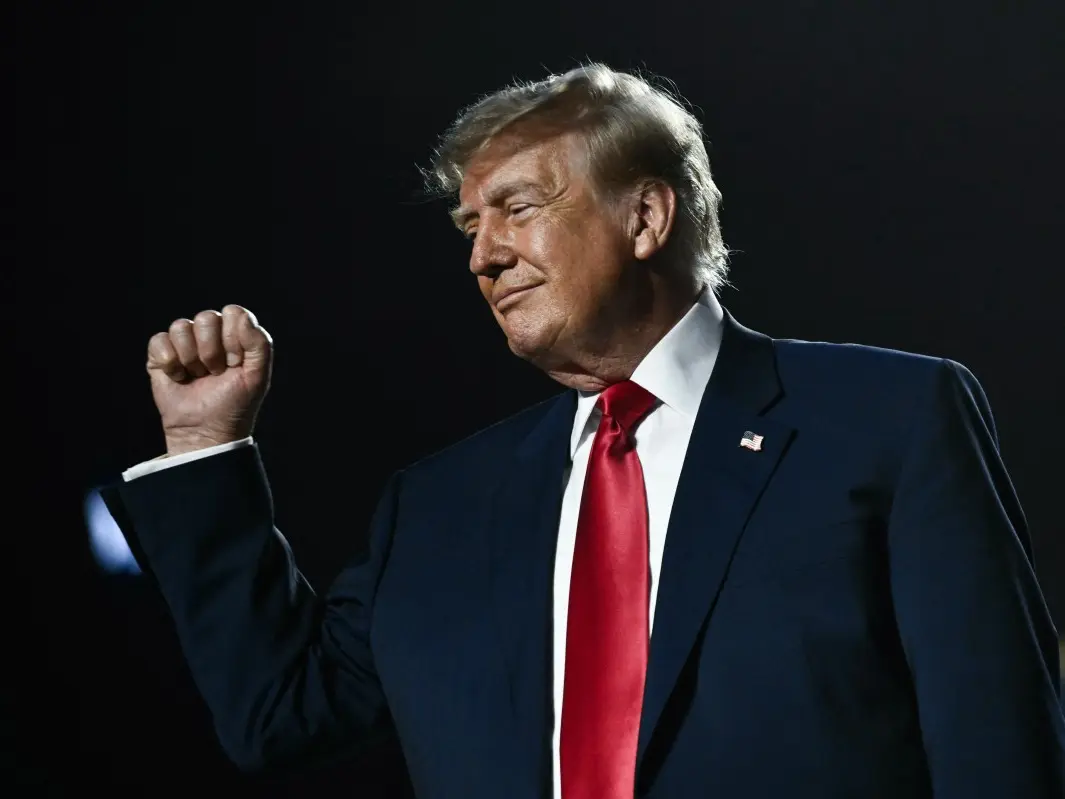)
Trump calls Canada-EU associate membership plan ‘laughable’ and threatens 'very serious tariffs'
)
800 million years old - Scientists discover 'fingerprints' of supercontinent Gondwana in ancient rocks
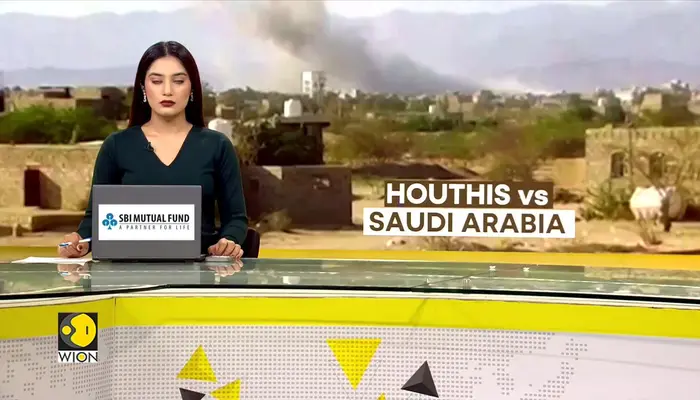)
Saudi Vs Houthis: Yemeni military rebels clash with Houthis
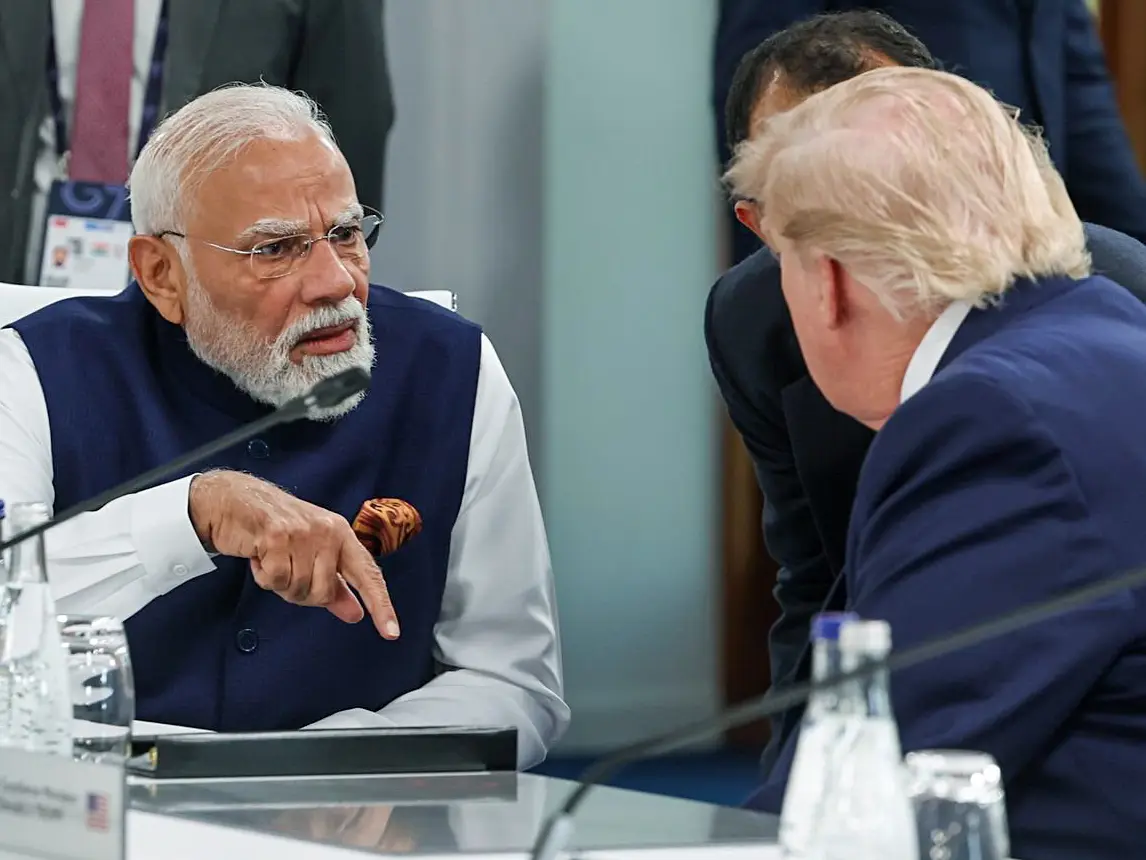)
India breaks silence on US Russia sanctions bill, 100% tariff threat: ‘Committed to energy security’ for 1.4 billion
)
Bigg Boss 20: Mahhi Vij reveals she lost Yuva role to Kareena Kapoor; 'didn’t work out in my favour'
)
US trade tariff: 100% tariff targets Russian buyers amid trade tensions
)
All Indian goods to get duty-free access to New Zealand
)
Strapped to flight seat with duct tape: Passenger claims no memory of mid-air outburst
)
Katrina Kaif’s postpartum weight is not the problem; your gaze is
&im=FitAndFill=(700,400))
Suriya and Jyothika say ‘I do’ again after 20 years! See their dreamy wedding pics
)
Meghan Markle's phone number leaked from children's WhatsApp group, couple switches Archie and Lilibet's school
)
Trump praises India’s Opium crackdown, hails anti-drug efforts
)
Pakistan boycotts chess match against Israel at Olympiad
)
Pakistan naval vessel returns to harbour with 'severe damage' after collision with Indian warship in Arabian Sea
)
AUS vs SA: Steve Smith still gets 'little flashbacks' from sandpaper gate
)
Hockey: Pakistan urges AHF to move Asian Champions Trophy out of India over security concerns
)
Trump's Iran war faces fresh House rebuke; 7 Republicans join Democrats in push to end conflict ahead of midterms
)
Europe wants a common playbook for security threats, seeks security beyond NATO
)
Shahzad Bhatti Network declared terrorist organisation under UAPA: Govt order
)
Taiwan seeks deeper India ties as direct flights restart soon and chip projects advance
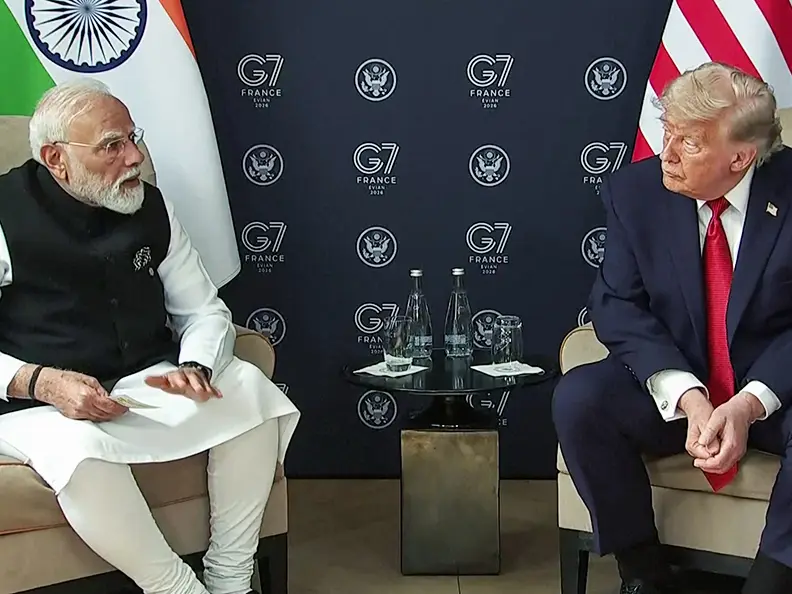)
Trump gets new power to hit India, China with up to 100% tariffs as US Senate clears Russia sanctions bill
)
Lionel Messi for 2026 Ballon d’Or over Mbappe and Yamal, says Diego Simeone
)
BRICS success stuns White House, Trump targets India with 100% tariff | Gravitas
)
Pakistan: Imran Khan's sons Kasim & Sulaiman claim their father is 'tortured' in jail
)
Alex Saab, ally of Venezuela's Maduro, pleads guilty in US corruption case
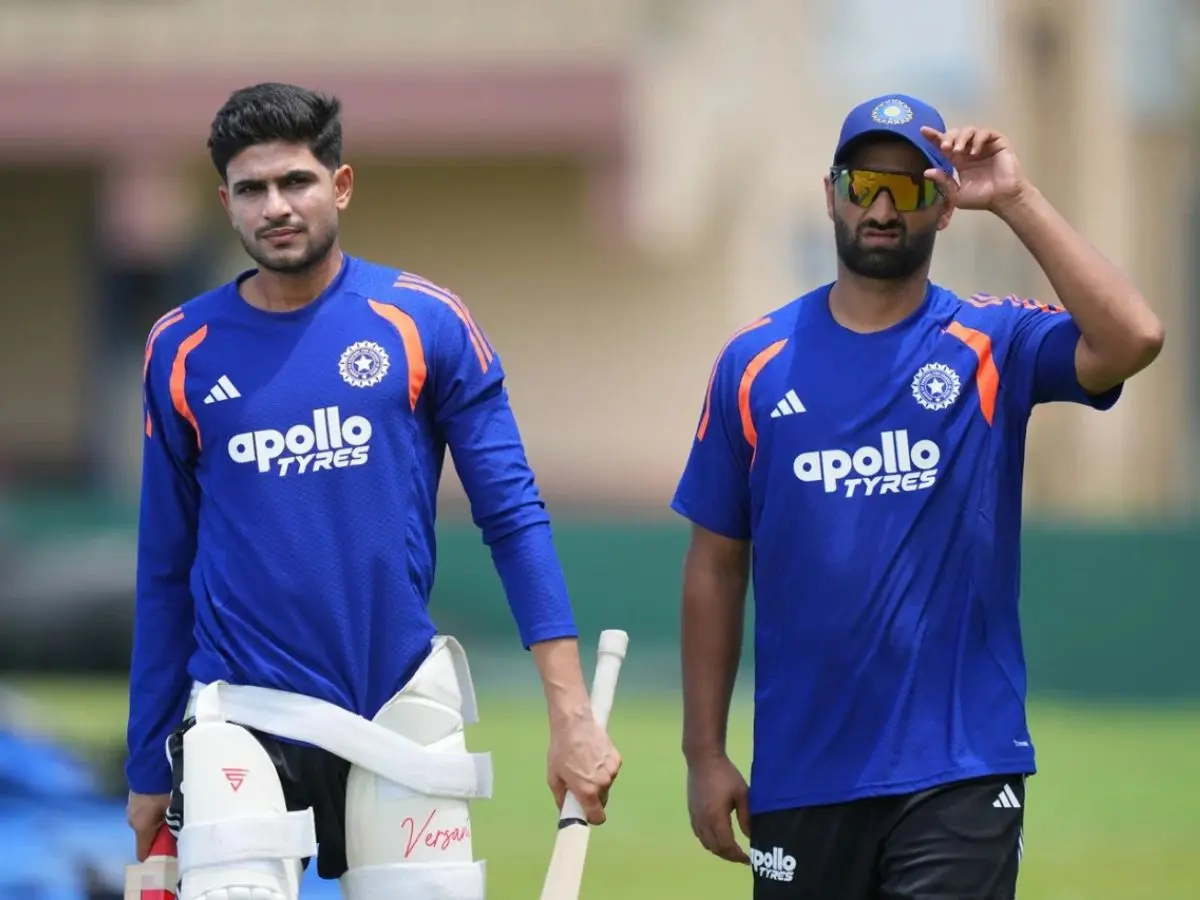)
No Pandya as Auqib Nabi earns maiden ODI call-up; Mayank returns for WI T20Is| check full squads
)
Sydney Sweeney defends provocative ad choice, the internet is still not impressed
)
Fed raises rates for first time in 3 years, Kevin Warsh defies Trump as inflation mounts
)
US Treasury rallies global financial institutions for Op Economic Outcast to isolate Iran
)
Abhishek Sharma rises to No. 2 in T20Is; ENG’s Robinson 3rd after record Pakistan Tests
&im=FitAndFill=(700,400))
New OTT releases this week (September 14-20, 2026): Lust Stories 3, Waiting Hai, Irumudi- 5 new titles coming on Netflix, Prime Video and more
)
Protests erupt over migrant housing plan in Piddington
Hezbollah said it carried out four operations in southern Lebanon on Wednesday in response to Israeli strikes. As per Lebanese authorities, nearly 2,500 people have been killed since Israel began its offensive following Hezbollah’s March 2 attacks. Despite decades of hostility and no formal diplomatic relations, Israel and Lebanon have recently entered a rare phase of direct engagement, signaling an unusual shift in ties.
This progress helped pave the way for a 10-day ceasefire announced earlier this month, offering a temporary halt in fighting and raising cautious hopes for further de-escalation.
Disclaimer: WION takes utmost care to accurately and responsibly report ongoing conflicts in West Asia involving Israel, Iran, the US, Gulf nations, and non-state actors like Hezbollah, Hamas, Houthis, Islamic State, and others. Claims and counterclaims, disinformation and misinformation are being made online and offline. Given this context, WION cannot independently verify the authenticity of all statements, social media posts, photos, and videos.

