

New Delhi: Sri Lanka’s Prime Minister Harini Amarasuriya, on a three-day visit to India, positioned her nation’s strategic deep-water ports as vital gateways to bolster India’s burgeoning trade ambitions and firm up economic ties between the two countries. Sri Lanka has three key ports: Colombo in the southwest, Hambantota in the south, and Trincomalee in the northeastthat handle the country’s trade with the world but also are strategically located on key global shipping lines in the Indian Ocean. Speaking at a civic reception hosted by the Think Tank, India Foundation, she said, “Sri Lanka seeks to develop as a maritime hub for the Indian Ocean Region” and the country can be a “natural cost-efficient hub" for India’s export and import trade with the world using the “deep-water and efficient ports located in the east-west shipping lanes”.
While Colombo port handles the largest amount of trade in the country, Hambantota has become the emerging hub, and Trincomalee is one of the world’s deepest natural harbours. India is playing a pivotal role in Trincomalee, developing its deep-water port and oil tank farm as a regional energy and trade hub. The PM pointed out, “Our ports can continue to be developed further as gateways to India’s trade. Being India’s closest maritime neighbour, Sri Lanka can be a natural complement and partner to India achieving its ‘Viksit Bharat’ goal.”
PM Amarasuriya met with Prime Minister Narendra Modi and visited IIT Delhi and her alma mater, the Hindu College.

She emphasised that Colombo is committed to “deepening our economic partnership” through negotiations on the Economic and Technological Cooperation Agreement which “we are hopeful of recommencing soon”. The Economic and Technological Cooperation Agreement (ETCA) is a proposed bilateral pact between India and Sri Lanka aimed at deepening economic ties beyond the existing India-Sri Lanka Free Trade Agreement (ISFTA). The ISFTA, signed in 1998 and operational since March 2000, was the first such agreement for both nations and has boosted bilateral trade, with India’s exports to Sri Lanka reaching approximately USD 4.1 billion and Sri Lanka’s exports to India at USD 1.4 billion in FY 2023-24. ETCA seeks to expand this framework by emphasising services trade, investments, technology transfer etc. India is Sri Lanka’s largest trading partner, largest source of tourism, and a significant investor.
The PM fondly recalled her visit to the Hindu College in Delhi University, pointing how her visit to the Indian national capital has been “a personal homecoming” because of this. She was a student of Sociology at Hindu College from 1991-1994 after she got Indian Council for Cultural Relations (ICCR) scholarship. She said, “The classrooms in Delhi taught me as much about society as the city itself through its diversity, its debates, and its deep sense of history.” PM Amarasuriya, who also holds the education portfolio pointed to “India’s sense of generosity in choosing to invest in the education of students from different countries including Sri Lanka” and by “educating and empowering our youth and through capacity building” India helps “us to strengthen understanding between our peoples and strengthen our institutions which is important for shared growth, peace, and prosperity”.
She also highlighted the “deep concerns” of Colombo over Indian fishermen fishing in Sri Lankan waters and said that this matter “requires sensitive handling and sustainable solutions” with the Indian side. Indian fishermen from Tamil Nadu state frequently cross into Sri Lankan waters, leading to arrests by the Sri Lankan Navy for illegal fishing. Sri Lanka;s concerns regarding the Indian fishermen issue include the ecological damage from Indian bottom trawling, which depletes fish stocks and harms marine habitats, threatening the livelihoods of northern Sri Lankan Tamil fishermen.
Trending Stories
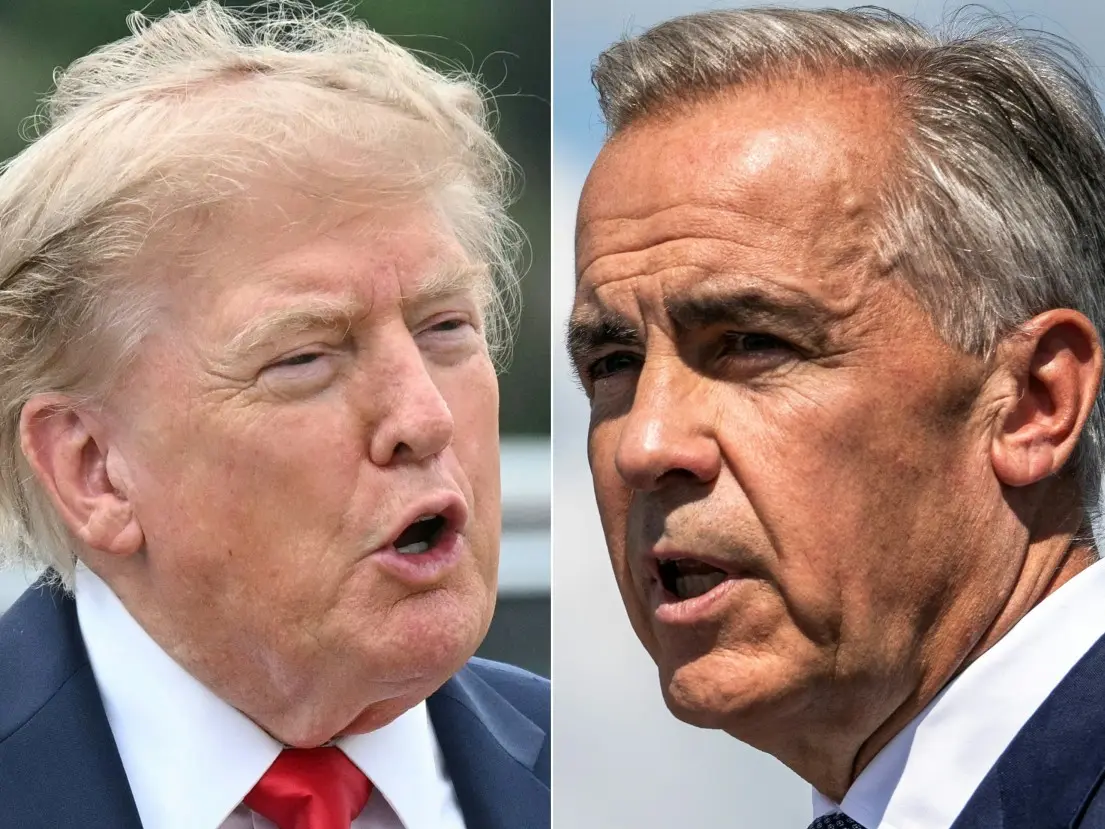)
What’s in a name? Trump’s 'Lake America' move gets a tit-for-tat response from Canada
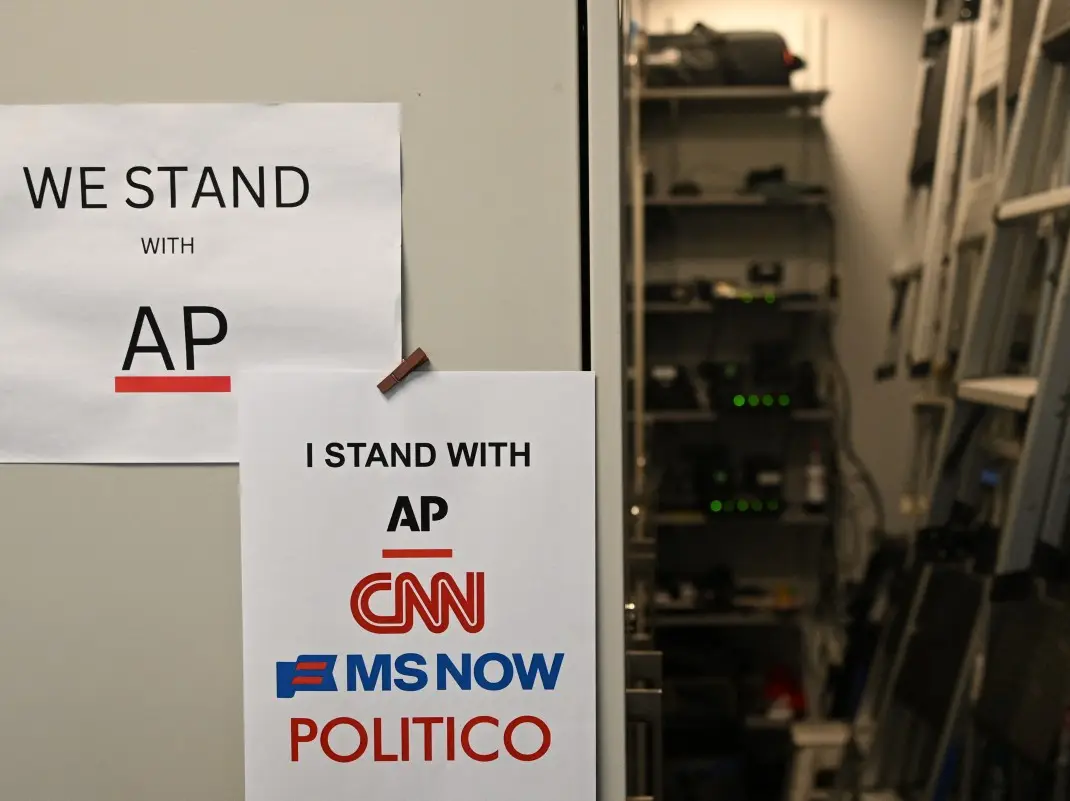)
US judge questions Trump’s decision to ban CNN, MS NOW and Politico from White House
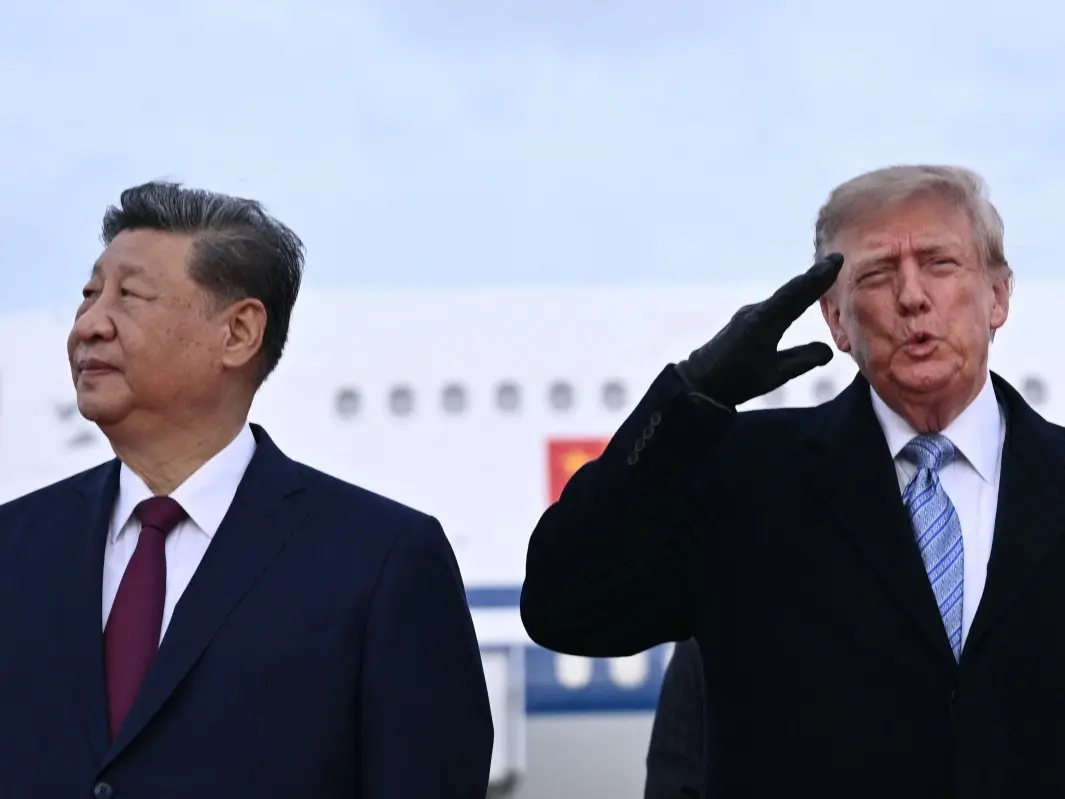)
Trump and Xi Jinping: Timeline of key meetings and major agreements
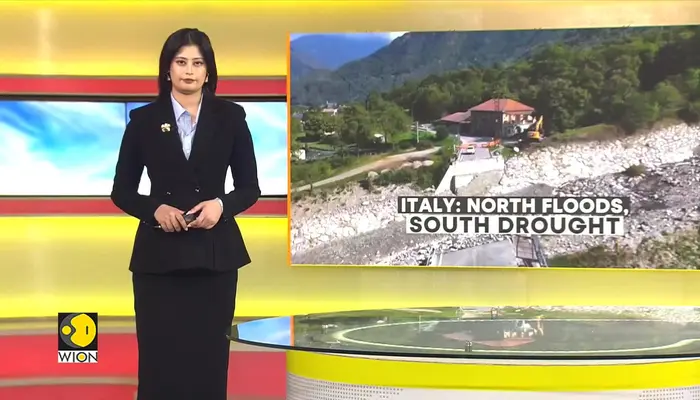)
Italy hit by floods in the north, drought in the south
)
'We would all be dead': Netanyahu defends decision to strike Iran's nuclear facilities in his UN speech
)
Mumbai Indians appoint Luke Williams as head coach for Women’s Premier League
)
'There will be elections': Venezuela's interim leader Delcy Rodriguez makes big announcement at UN
)
IIT Bombay CCTV footage emerges: Sahil Wakode seen looking at phone in examination hall
)
Welcome actor Mushtaq Khan dies at 56 after battling cancer
)
Shah Rukh Khan is India's richest actor, Amitabh Bachchan is second: Hurun List 2026
)
WION Iconic Tourism Summit 2026: Union Minister Shekhawat on 'experiential travel', peace diplomacy
)
250-pound WWII bomb found in Falmouth harbour in England
)
Property registration becomes faster, convenient as model sub-registrar offices open in Maharashtra
)
'AI got into my speech': Prince Harry jokes after teleprompter failure at event in New York
)
Scientists detect first radio signals directly from faraway planet
)
What’s on the menu? Inside Trump’s lavish White House state dinner for Xi
)
China to test supersonic jet that moves at Mach 2, double the speed of sound
)
Xi Jinping's 'special plane' vs Trump's Air Force One: What's the difference?
)
Forget the smartphone: This tiny gadget could be Meta’s answer to the post-smartphone era
)
Hours before Xi-Trump meeting, US announces visa curbs targeting birth tourism: What is it?
)
'Partners rather than rivals': Xi Jinping's first message after landing in US for Trump summit
)
WION Iconic Tourism Summit: Is India's travel boom outrunning its airports, airlines and hotels?
)
2,000-foot tube, laser tests and more: China builds towns to expand nuclear arsenal, satellite images show
)
Meet Adrian Abraham: 9-year-old Indian-origin guitar prodigy aiming for a Guinness World Record
)
Winter coat, gloves in September? Trump’s Xi welcome sparks social media buzz
)
Trump-Xi state dinner 2026: Who is invited? Full guest list of tech CEOs, business leaders and officials
)
Who is Peng Liyuan? Xi Jinping's singer wife and China's most visible First Lady
)
Australian PM Anthony Albanese calls OpenAI AI incident 'unacceptable' after restricted data access
)
'What kind of confession is this?': Pakistan PM Shehbaz Sharif’s 'terrorists would be roaming New York' remark goes viral, raises alarm online. Watch
&im=FitAndFill=(700,400))
Netanyahu at UN: Mass walkout, attack on Mamdani and Iran threats | In Pics
)
Russia likely to target Spain, France and Italy in drone attacks, warns CIA: Report
)
WION Iconic Tourism Summit: How local tourism MSMEs must upskill for AI integration
)
Trump’s Board of Peace unveils $2.45bn Gaza plan,66 projects: But where’s the money?
)
‘Both will lose in confrontation’: Xi says US and China should ‘coexist in peace’
)
For the first time, the UN Security Council sat US and Chinese AI makers at the same table
)
EC appointment law: Why is the 2023 act controversial, and what happens next? WION explains
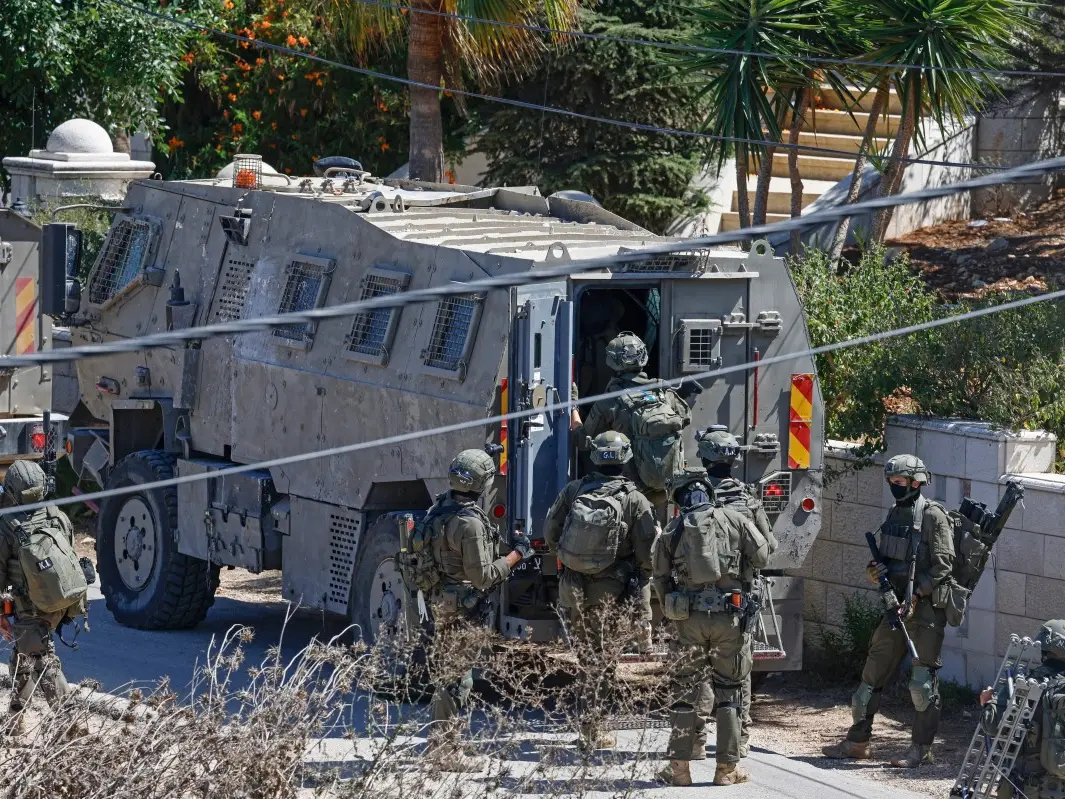)
Israeli envoy to US Yechiel Leiter’s son critically injured in West Bank ramming attack
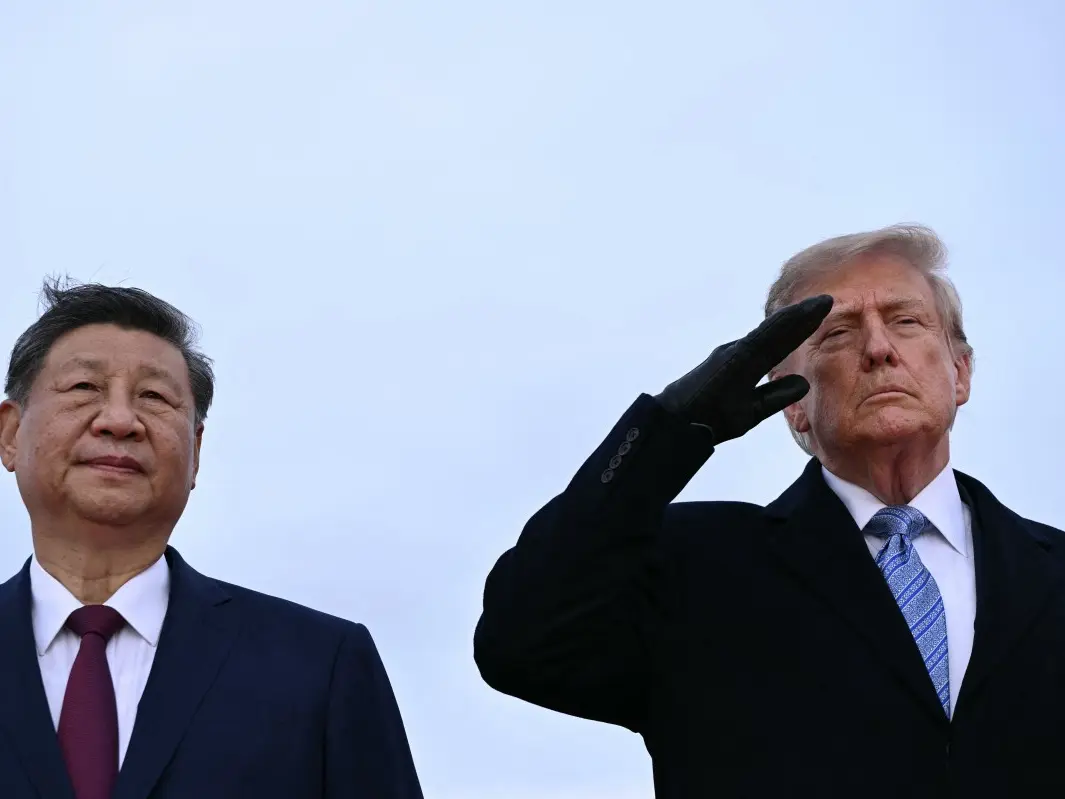)
WATCH | China President Xi Jinping lands in US as Trump greets him ahead of high-stakes summit
)
Report: UK using ground-based system to jam hostile satellites
