Ren Zhengfei fled China? Bo Xilai escaped prison? Rumours swirl as Xi-Trump summit nears

&imwidth=600&imheight=450&format=webp&quality=medium "Ren Zhengfei fled China? Bo Xilai escaped prison? Rumours swirl as Xi-Trump summit nears")
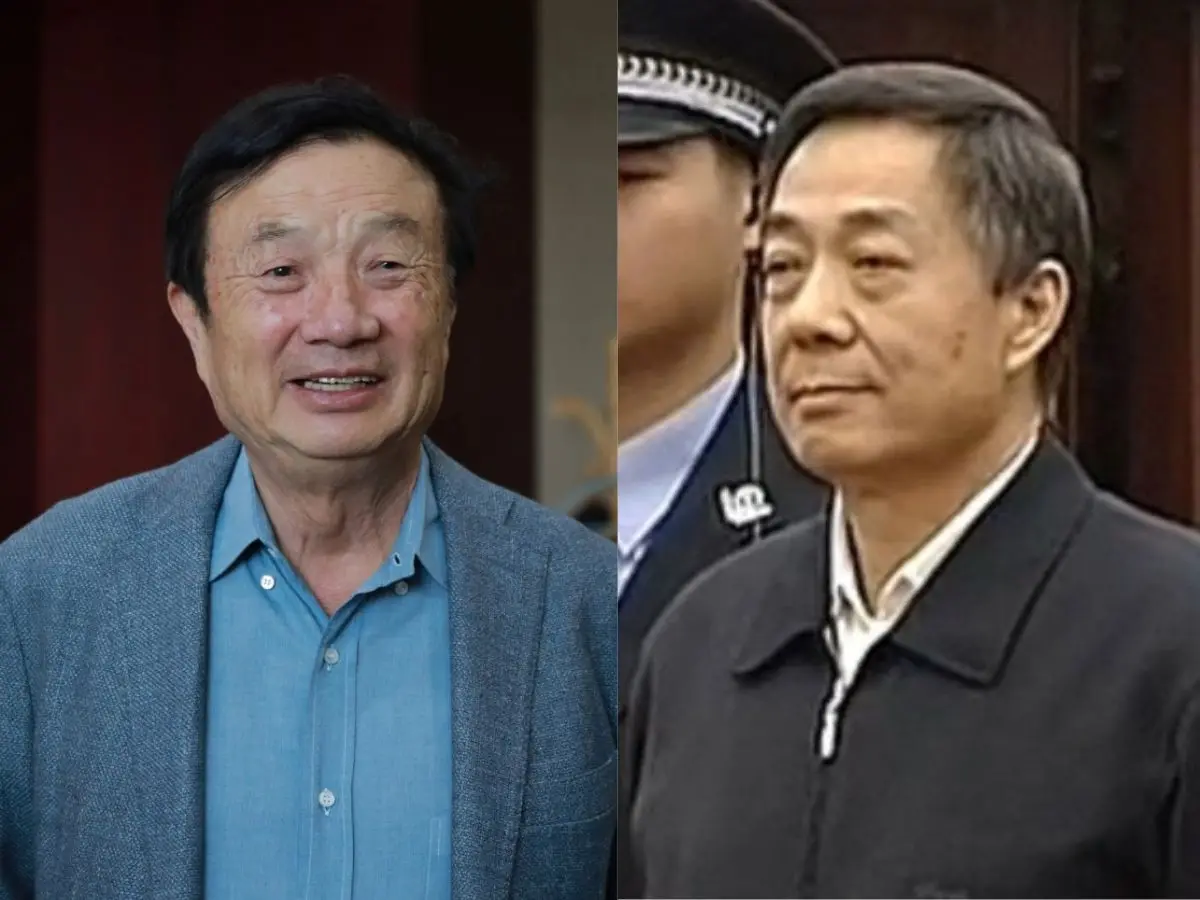
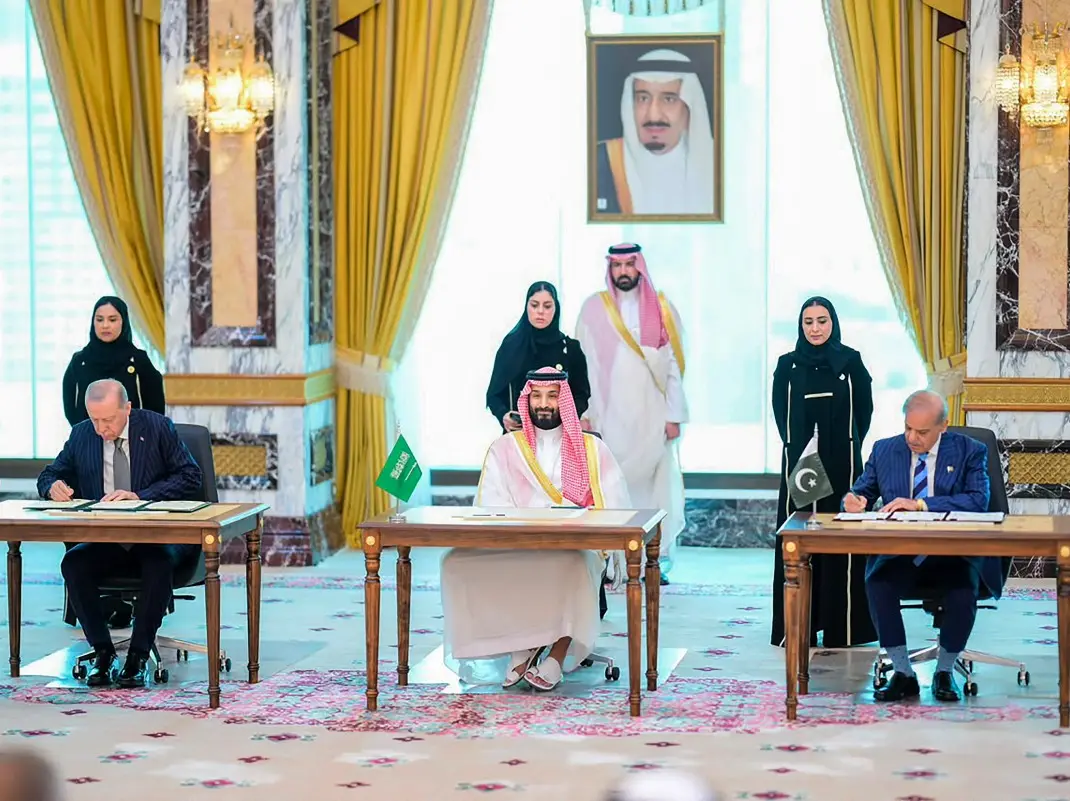
On left Huawei founder Ren Zhengfei and on left imprisoned CCP leader Bo Xilai Photograph: (AFP)
Rumours in Chinese social media claim Huawei founder Ren Zhengfei fled China, while reports allege Bo Xilai and Zhou Yongkang escaped prison as Xi Jinping prepares to meet Donald Trump.
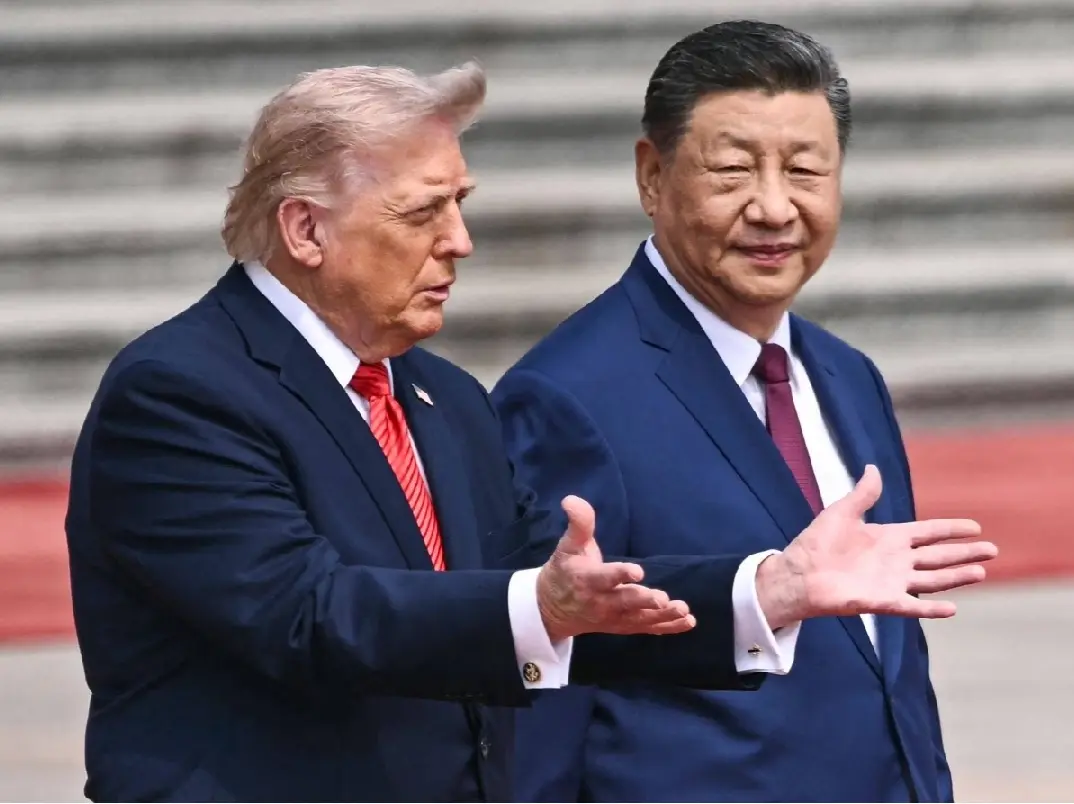
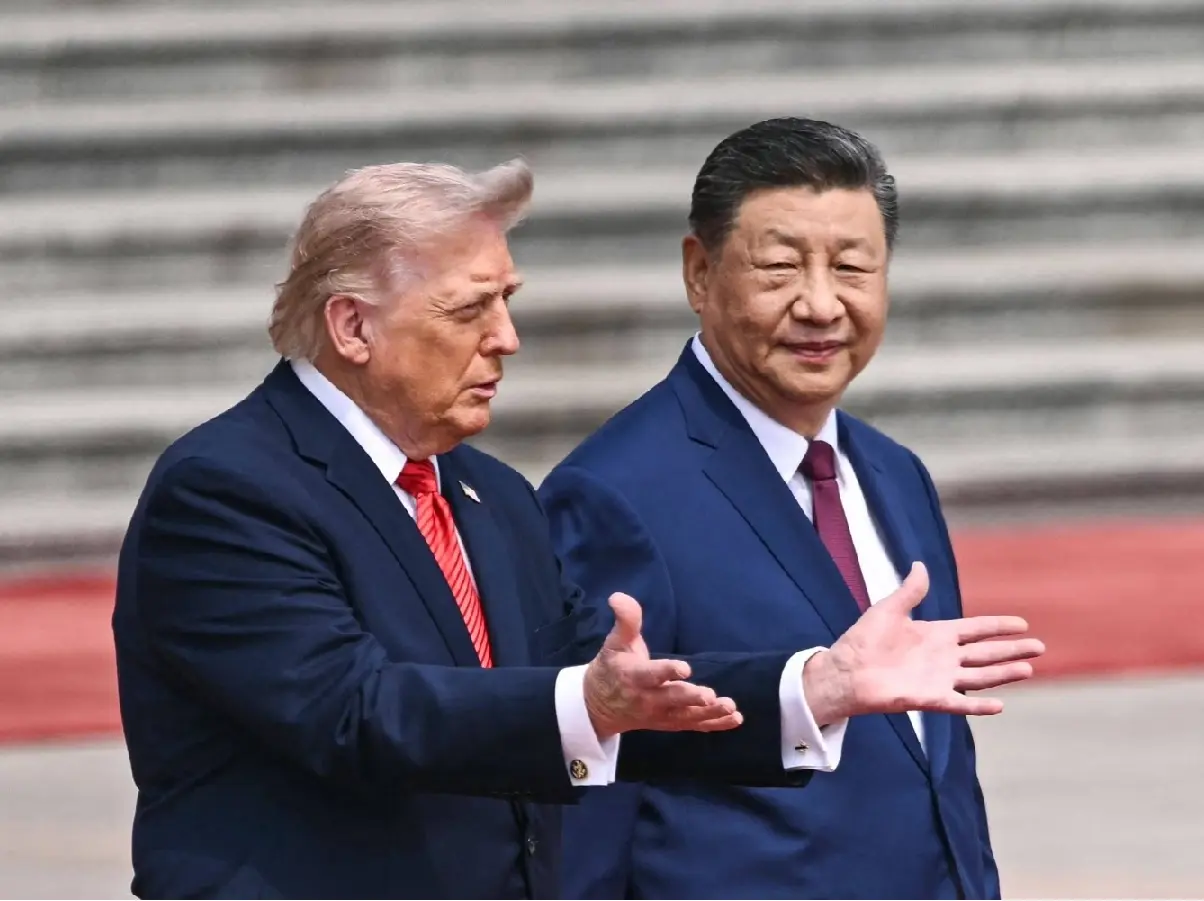
Rumours in the Chinese media ecosystem are circulating about the possible prison escape of Bo Xilai and Zhou Yongkang, and that Huawei founder Ren Zhengfei has fled China. There are no official confirmations of the prison escape or the fleeing of the Huawei founder, but these rumours surfaced a week ago as Chinese President Xi Jinping is set to meet US President Donald Trump on Thursday. China and the US are seeking a grand bargain, amid the global trade tension and the US-Iran war.
Who are Bo Xilai and Zhou Yongkang?
These two are two of the biggest names to fall in the CCP's modern political history and reportedly escaped from prison with help from sympathetic military units. The reports were published on at least two Chinese-language platforms along with a photograph and a headline that "the world is about to descend into chaos."
Politburo member and party chief of Chongqing, Bo was once considered a genuine contender for the top ranks of Chinese leadership. His wife was convicted of murdering a British businessman, and Bo himself went down for bribery, embezzlement, and abuse of power. Before his downfall, Bo Xilai was a major political rival to Xi Jinping during the transition period of leadership in China in late 2012. He ran an aggressive campaign before being imprisoned in 2013.
While Zhou was China's domestic security czar, arguably one of the most powerful men in the country at his peak, sentenced the following year on similar charges.
Though sourcing on these two is reasonably thin, no official confirmation, with only anonymous tips reported across outlets that share the same audience. It's not just Prison Break; a complete section of active-duty military divisions is defying Beijing's chain of command to protect them. The development is significant if true, as Xi Jinping seeks a fourth term and the Chinese Communist Party will convene the National Congress next year, where it will decide its next leadership.
Trending Stories
)
)
)
)
)
)
)
)
)
)
)
)
)
)
)
&im=FitAndFill=(700,400))
)
)
)
)
)
)
)
&im=FitAndFill=(700,400))
)
)
)
)
)
)
)
)
)
)
)
)
Has Huawei founder Ren Zhengfei fled China?
Ren Zhengfei disappeared from public view sometime after August 25, according to his last independently verifiable appearance in a Weibo photo posted by his associate. By mid-September, rumours started to surface that Ren had fled the country by boat. This includes his daughter and Huawei’s CFO, Meng Wanzhou, as well as his wife. Some claim that there’s a large police presence outside the company’s headquarters. This one surfaced after China announced new travel rules that bar citizens from entering or leaving the country. This one also has no evidence, but it has been picked up by several international media outlets.
China did roll out a new exit-control law on September 15, letting Beijing bar anyone deemed a "national technology security" threat from leaving the country, and it had already used similar powers earlier in 2026 to block founders of an AI startup from leaving during a review of a proposed US takeover.
Huawei is the foundational pillar of China's artificial intelligence race, operating as a “Manhattan Project” style national champion to bypass Western semiconductor blockades. How Huawei is doing it is more technical and explains more about why these rumours, if true, would be damning. Traditionally a Dutch company, ASML’s $300M+ EUV lithography machines are considered mandatory to shrink transistors down to advanced nodes like 3 nanometers and below. Instead of trying to replicate ASML's impossibly complex precision optics, Huawei is using architectural workarounds like 3D circuit layering, vertical stacking, and reducing data transit bottlenecks. Its plans to achieve "1.4nm-equivalent" figures that the company has floated for 2031 measure density by stacking, not actual etching precision at that scale. But independent chip scientists have called the underlying approach technically sound, and the market reaction was immediate: SMIC's stock jumped over 7 per cent in Hong Kong the day Huawei presented it.
So Ren is in the middle of a strategically critical effort that Beijing is counting on to define whether China can compete in AI hardware without Western tools. This rumour could be catastrophic and would raise real questions about China's claim in the AI race, right as Xi arrives in Washington for a summit where tech export controls, critical mineral supply chain and an ongoing AI race will be up for discussion.