Over 1.2 million in Lebanon to face acute hunger amid Israel-Hezbollah conflict: UN report

&imwidth=600&imheight=450&format=webp&quality=medium "Over 1.2 million in Lebanon to face acute hunger amid Israel-Hezbollah conflict: UN report")
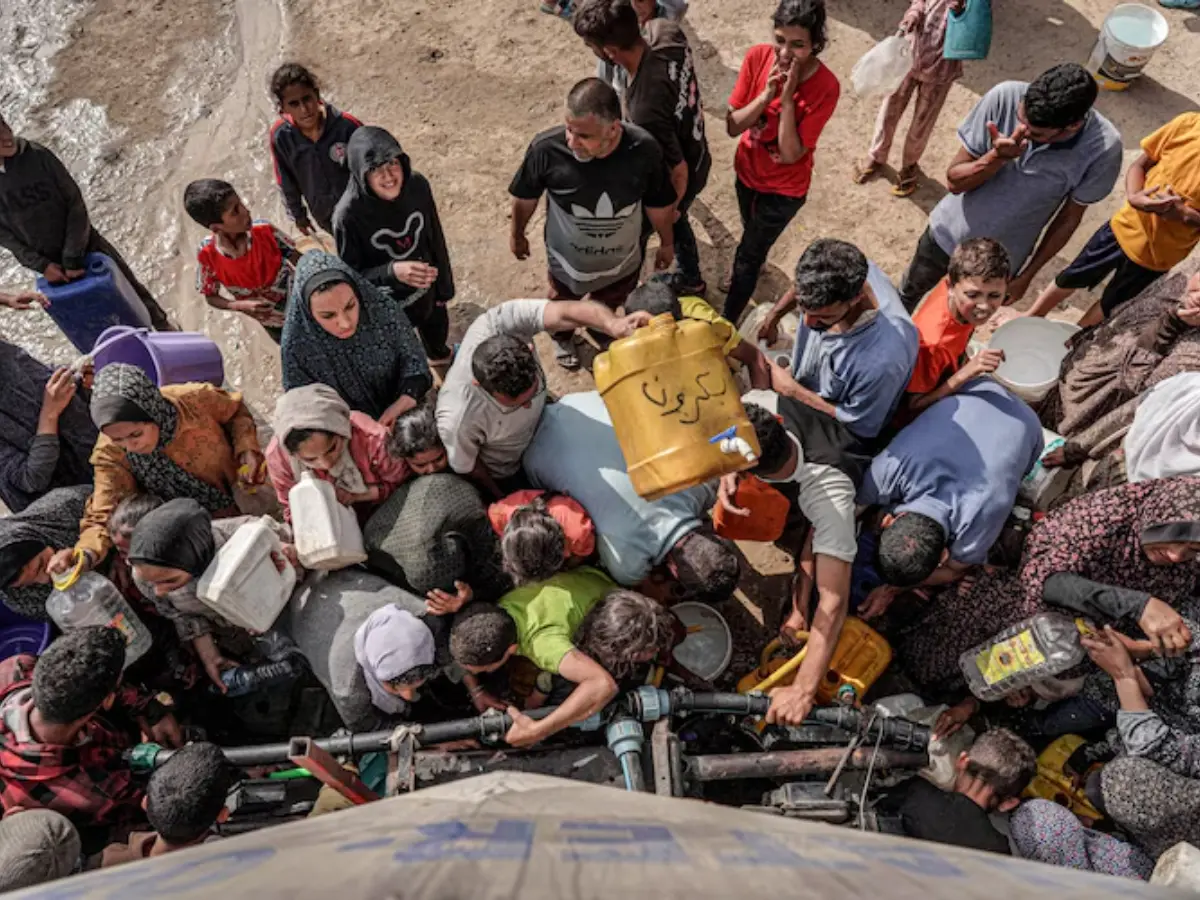
Representative image. Photograph: (Reuters)
The given data represents a sharp decline compared to the period before the war erupted in March, when about 874,000 people, nearly 17 per cent of the population, were experiencing acute food insecurity.
Over 1.2 million people in Lebanon are likely to face acute hunger due to the ongoing war between Israel and Hezbollah, a UN-backed report said on Wednesday. The given data was declared in a joint statement by the UN's Food and Agriculture Organisation, Lebanon's agriculture ministry and the World Food Programme.
Around 1.24 million people, nearly a quarter of the population studied, are projected to experience crisis-level or worse food insecurity between April and August 2026, according to an assessment by the Integrated Food Security Phase Classification, a UN-backed group that tracks hunger and malnutrition.
17% population experiences acute food insecurity
This represents a sharp decline compared to the period before the war erupted in March, when about 874,000 people, nearly 17 per cent of the population, were experiencing acute food insecurity. "The deterioration is due to conflict, displacement and economic pressures," the statement said.
A ceasefire since April 17 has temporarily halted six weeks of fighting between Israel and the Iran-backed militant group Hezbollah, a conflict that has reportedly killed more than 2,500 people in Lebanon and forced over one million to flee their homes.
Despite the truce, Israeli forces continue operations in southern Lebanon near the border, where residents have been cautioned against returning, and both sides have continued exchanging fire. The report warns that food insecurity is likely to worsen further without sustained humanitarian aid and livelihood support.
Trending Stories
&imwidth=280&imheight=210&format=webp&quality=medium)
&imwidth=280&imheight=210&format=webp&quality=medium)
&imwidth=280&imheight=210&format=webp&quality=medium)
&imwidth=280&imheight=210&format=webp&quality=medium)
&imwidth=280&imheight=210&format=webp&quality=medium)
&imwidth=280&imheight=210&format=webp&quality=medium)
&imwidth=280&imheight=210&format=webp&quality=medium)
&imwidth=280&imheight=210&format=webp&quality=medium)
&imwidth=280&imheight=210&format=webp&quality=medium)
&imwidth=280&imheight=210&format=webp&quality=medium)
&imwidth=280&imheight=210&format=webp&quality=medium)
&imwidth=280&imheight=210&format=webp&quality=medium)
&imwidth=280&imheight=210&format=webp&quality=medium)
&imwidth=280&imheight=210&format=webp&quality=medium)
&imwidth=280&imheight=210&format=webp&quality=medium)
&imwidth=280&imheight=210&format=webp&quality=medium)
&imwidth=280&imheight=210&format=webp&quality=medium)
&imwidth=280&imheight=210&format=webp&quality=medium)
&imwidth=280&imheight=210&format=webp&quality=medium)
&imwidth=280&imheight=210&format=webp&quality=medium)
&imwidth=280&imheight=210&format=webp&quality=medium)
&im=FitAndFill=(700,400)&imwidth=280&imheight=210&format=webp&quality=medium)
&im=FitAndFill=(700,400)&imwidth=280&imheight=210&format=webp&quality=medium)
&imwidth=280&imheight=210&format=webp&quality=medium)
&imwidth=280&imheight=210&format=webp&quality=medium)
&imwidth=280&imheight=210&format=webp&quality=medium)
&imwidth=280&imheight=210&format=webp&quality=medium)
&imwidth=280&imheight=210&format=webp&quality=medium)
&imwidth=280&imheight=210&format=webp&quality=medium)
&imwidth=280&imheight=210&format=webp&quality=medium)
&imwidth=280&imheight=210&format=webp&quality=medium)
&imwidth=280&imheight=210&format=webp&quality=medium)
&imwidth=280&imheight=210&format=webp&quality=medium)
&im=FitAndFill=(700,400)&imwidth=280&imheight=210&format=webp&quality=medium)
&imwidth=280&imheight=210&format=webp&quality=medium)
&imwidth=280&imheight=210&format=webp&quality=medium)
&imwidth=280&imheight=210&format=webp&quality=medium)

