Opinion: Algeria and Iraq go radical with nationwide Internet blackouts to prevent cheating


Internet
This year, India saw two CBSE paper leaks, Class 10 Maths and Class 12 Economics
Algeria has shut down access to the Internet for two hours every day to prevent students from cheating during their high school exams. The blackouts, which started on June 20, will continue until June 25 which would be the last day of the exams.
The shutdown has been implemented on both mobile and fixed lines.
The government came out with a drastic solution to deter the mass leakage of exam papers on social media, which is going on for last two years.

Well, there is more to it. Algeria has also cut off access to social networking site Facebook for the whole period.
Iraq is implementing similar restrictions yet again as high school students appear for their final exams. It was 2015 when the country had ordered the shutdown for the first time to prevent cheating.
Pulling the plug on the Internet is harsh and violates human rights
)
The Royals enter the Doctor Who universe: King Charles and Queen Camilla beam into Commonwealth Games in TARDIS
)
Trump's battleship fantasy gets a $275 billion reality check
)
'I was almost trafficked in Paris,' says Australian woman, shares terrifying ordeal - 'I am on the black market'
)
After NEET protests, CJP holds crucial strategy meet in Maharashtra to chart national expansion
)
France offers deal for 114 Rafale fighter jets, with 94 to be made in India
)
Ukrainian astronomers see gargantuan objects dashing at 39,600 kmph on the Moon - 'They can reach Earth in 20 minutes'
)
Pakistan inks defence pact with Somalia amid Houthi threat in Bab al-Mandab | Gravitas
)
Cabinet approves ₹23,731 crore GOBARdhan scheme to boost compressed biogas production
)
India avoids higher US tariff, secures lower 10% rate. Here's how
)
Something is lurking under the ships in Strait of Hormuz, and could spawn a 'biological apocalypse'
)
Lightning bolt strikes football field in Thailand, killing a player during a match
)
Salman Khan and Aamir Khan pay heartfelt tribute to late actor Pradeep Rawat
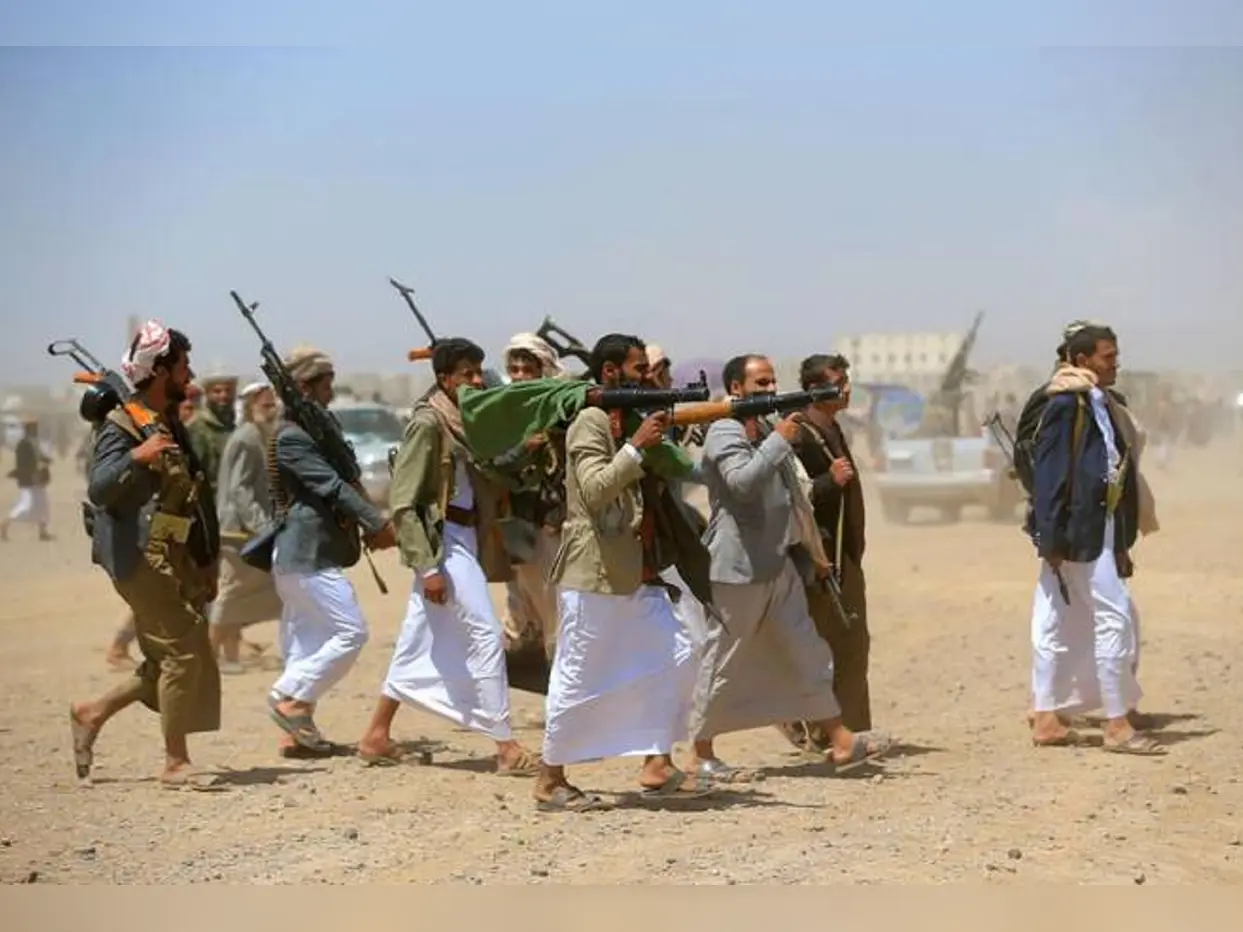)
At least 30 Yemeni troops killed in Houthi missile and drone attacks; toll may go up
)
Mark Zuckerberg apologises to Indian government over harmful content, platform errors amid PM video row
&im=FitAndFill=(700,400))
Who is Shreya Kalra? Meet the social media star who lifted the Lock Upp 2 trophy
)
High-profile tennis club kills its long-term resident geese for pooping on the court
)
'Monisha beta, read civics': Anupamaa star Rupali Ganguly slammed for wishing PM Modi were a 'dictator'
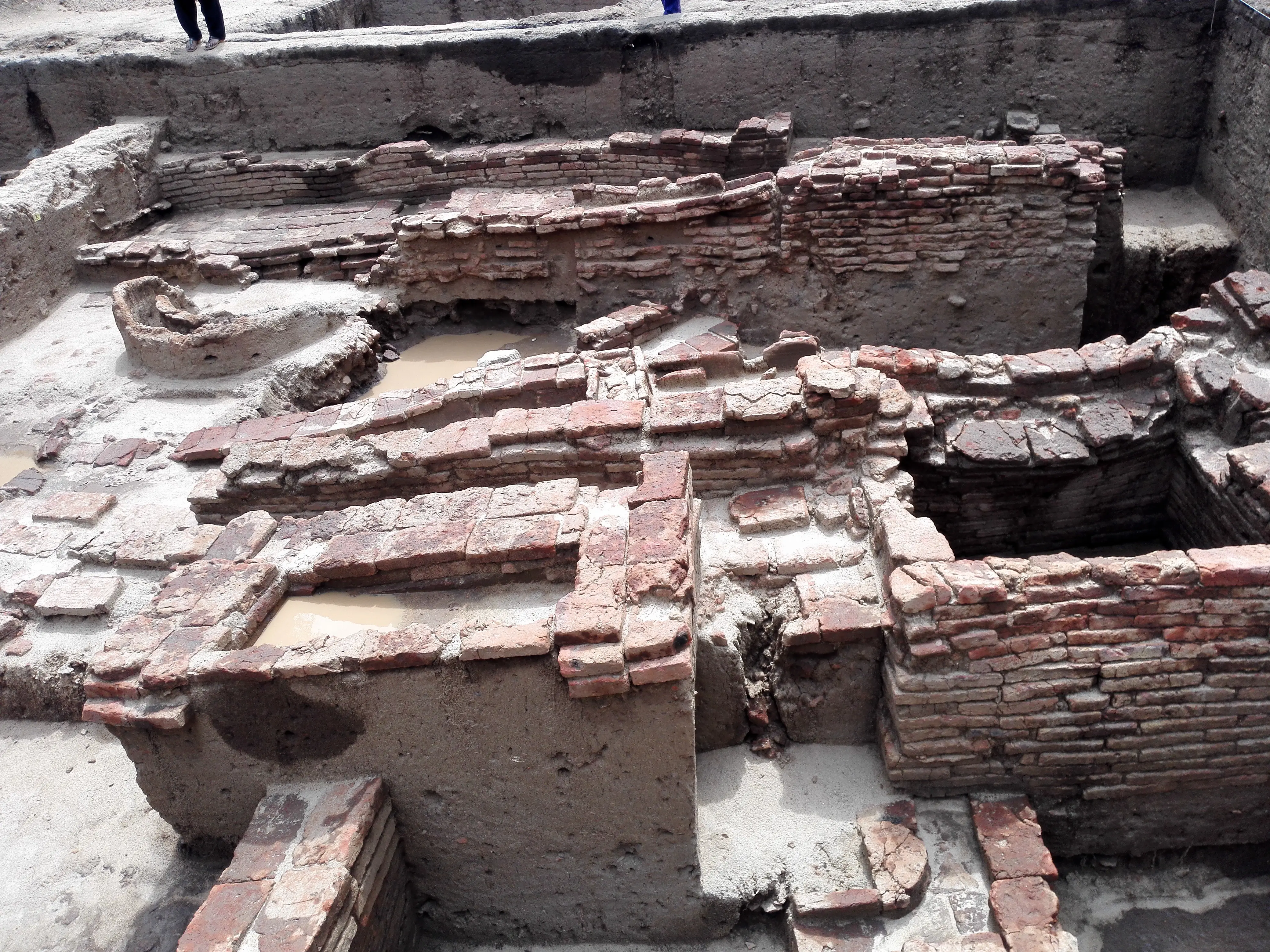)
The genetic roots of Tamils: 75,000 DNA markers decoded in latest study of Sangam-era settlement
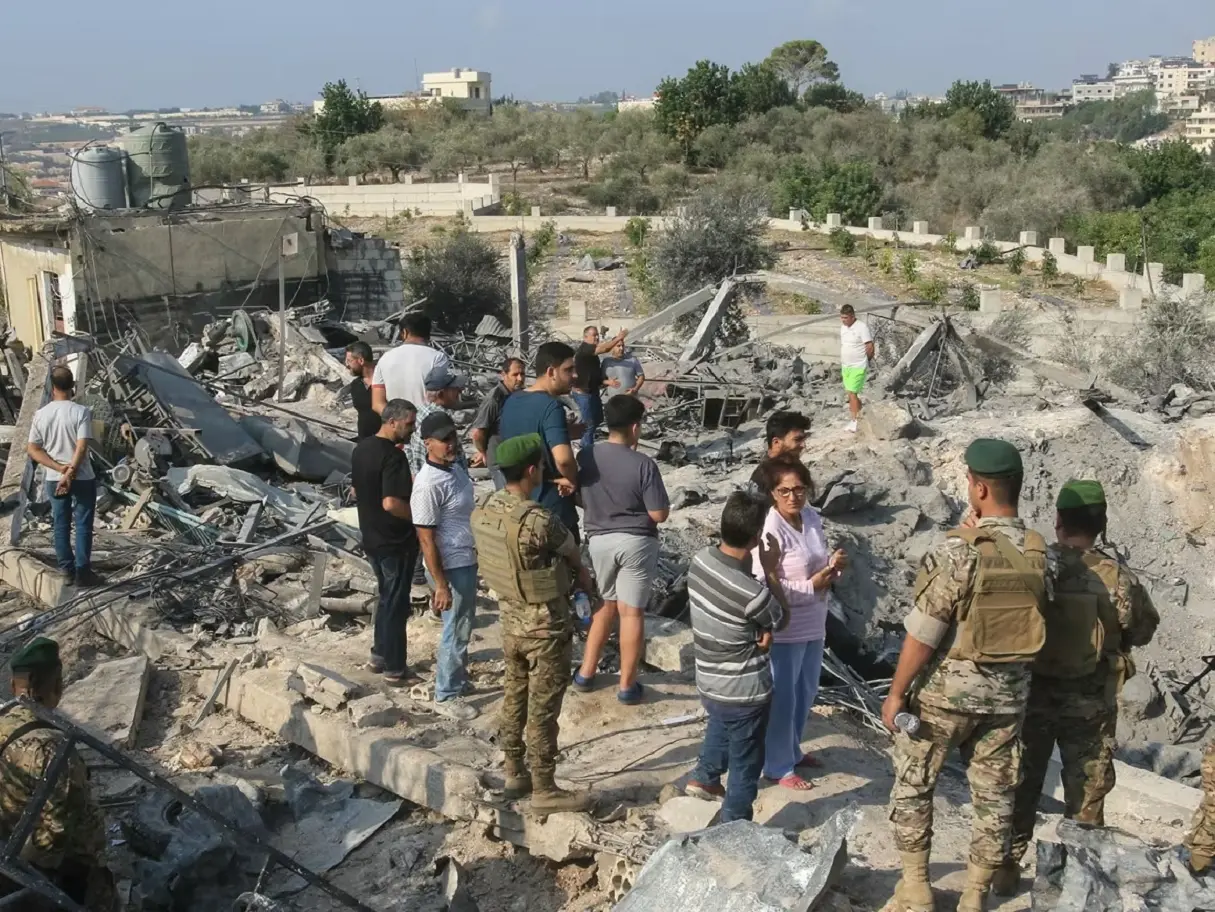)
Netanyahu reignites tensions with Lebanon strikes, Iran threatens to hit Gulf states | Gravitas
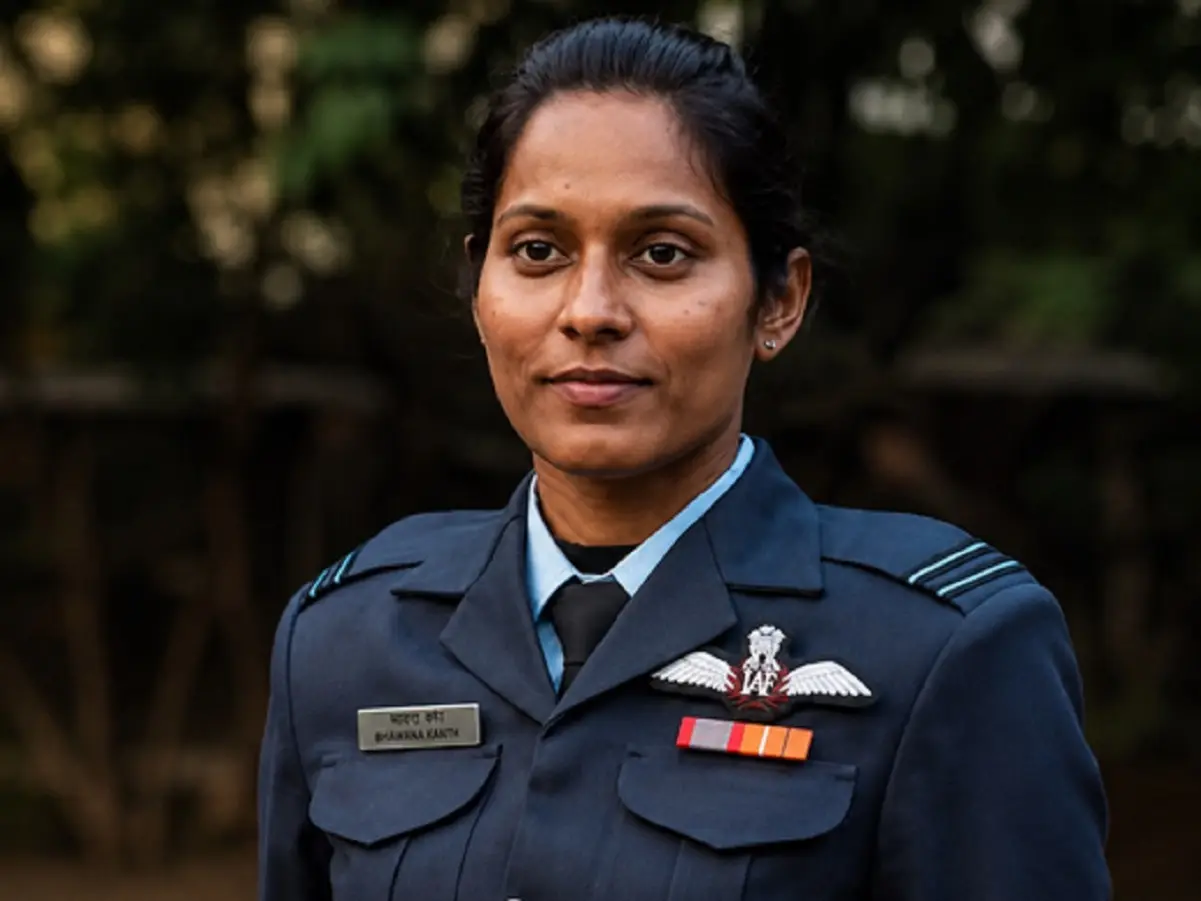)
Squadron Leader Bhawana Kanth scripts history as Indian Air Force gets its first woman ‘Top Gun’ pilot
)
'I would like to support...': Sonam Wangchuk reveals if he will join Jharkhand student protesters in Ranchi
)
Trump says Iranian school bombing photos could be AI-generated - 'I don’t think...'
)
'Dhoni Made Fleming Great': Panesar says ECB made the wrong choice for England Test coach
)
Ex top Pakistan official blames economic woes on China: Here's how CPEC became a failure
)
Now we know that the Reflecting Pool sealant was indeed knifed, and who did it
&im=FitAndFill=(700,400))
From Jos Buttler to Kieron Pollard, 5 highest run-scorers in T20 cricket
)
When Salman Khan wouldn’t let Pradeep Rawat go home for six months: ‘I’d eat there, sleep there, work out there'
)
India cuts timeline to remove unlawful AI content from 36 to 3 hours. What are the new rules?
&im=FitAndFill=(700,400))
Why Russian tanks are much lighter compared to US tanks
)
Who is Abhay Kumar Tiwari? The alleged mastermind of Jharkhand exam paper leaks
)
Secret weapon test blamed for US plane crash that killed four | Gravitas
Algerian and Iraq maintain that the steps were taken to guarantee the security and therefore the credibility of national exams.
However, the truth is people across the country bear the brunt of government's decision.
A huge fraction of people depend on the Internet to communicate. These shutdowns also have a negative effect on the economy because internet access has become crucial to businesses across the world.
The Internet is not a luxury but a human right. The United Nations has added Section 32 to Article 19 of the Universal Declaration of Human Rights, which highlights “The promotion, protection, and enjoyment of human rights on the Internet."
Rights organisations have raised concerned about the Internet shutdown, saying that no matter how guarded the intentions of government are, but the move disrupts social movements and silences opinions.
Digital blackout is a 'drastic measure' that impacts businesses, emergency services, journalism and social campaigns. With rising trend of 'state-sponsored blackouts', telecommunication companies and Internet service providers have to come forward and resist shutting down of the Internet.
In fact, #keepiton, a global campaign has over 100 organisations from 52 countries fighting against the blackouts. The campaign develops a list of internet shutdowns and provides information on the context of these events.
India too suffers from the cheating epidemic
This year, India saw two CBSE paper leaks, Class 10 Maths and Class 12 Economics. Exam papers were widely shared on WhatsApp.
Mass cheating has been reported in Bihar for years. However, the trend is different there, students have been caught copying from their notebooks, passing notes to each other in presence of examiners.
Last month, the government suggested measures to make the examination process secure and foolproof through the use of technology. It has also called for harsher punishments for students, teachers and board officials involved in cheating.
In Uttar Pradesh, which has a reputation as one of the worst states when it comes to cheating in school exams, the state government took help of the STF and local intelligence agents to deal with the 'cheating racket'.
Better use of technology, counselling, fear of harsher punishment can put off students and invigilators from doing the mischief.
Advisably, for the countries who think Internet shutdown is the only solution to stop students from cheating, it is wiser to use the technology to resolve a crisis, and not ban it, creating inconvenience to everyone.
(Disclaimer: The opinions expressed above are the personal views of the author and do not reflect the views of ZMCL)