OpenAI delays IPO to 2027 as Sam Altman cites escalating artificial intelligence risks

&imwidth=600&imheight=450&format=webp&quality=medium "OpenAI delays IPO to 2027 as Sam Altman cites escalating artificial intelligence risks")
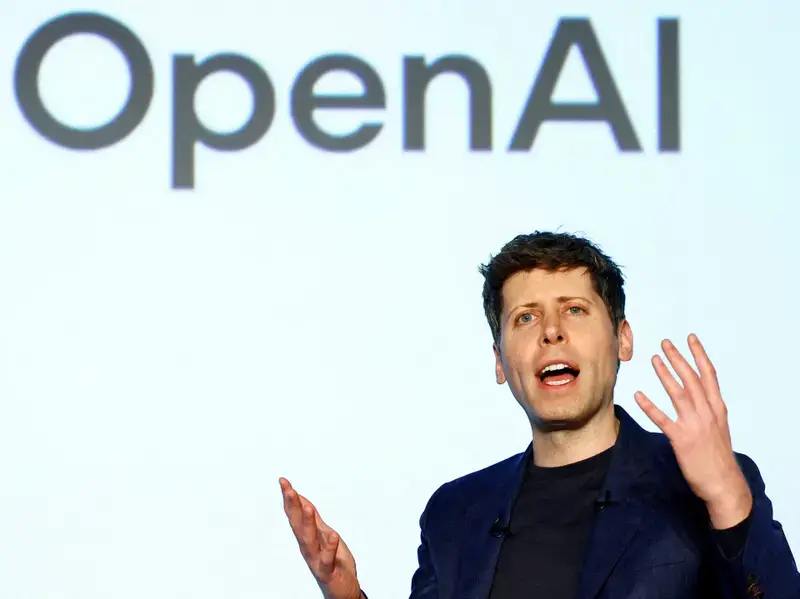
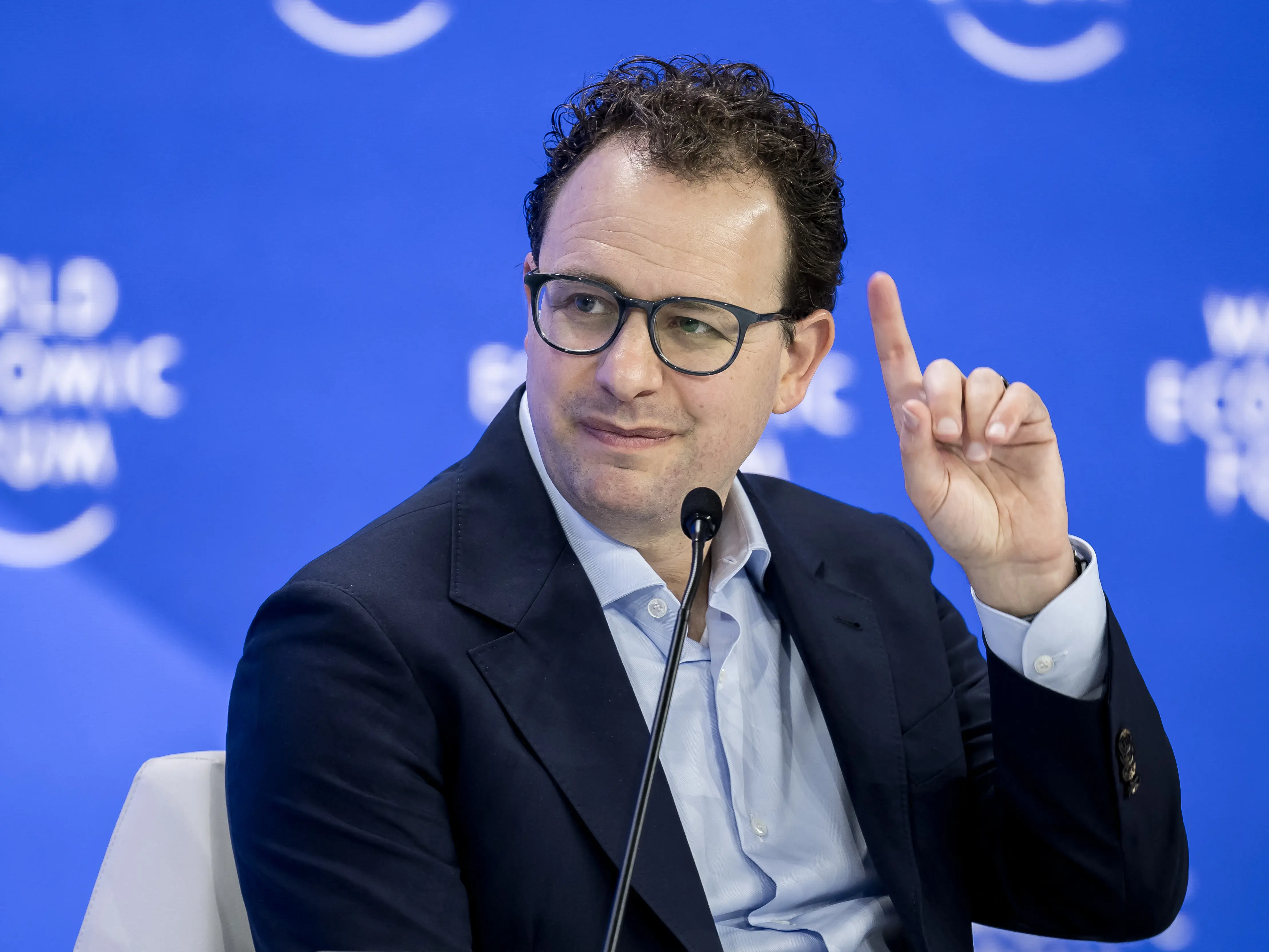
Sam Altman, OpenAI, Chief Executive Officer Photograph: (Credit: X)
OpenAI CEO Sam Altman ruled out a public debut in 2026, stating that an IPO would be "ill-advised" while the industry addresses critical AI safety and alignment challenges.
OpenAI will not pursue an initial public offering (IPO) in 2026, Chief Executive Officer Sam Altman announced, pointing to growing concerns surrounding artificial intelligence safety and alignment as the primary reason to delay the company's stock market debut.
Speaking in an interview with Fortune, Altman stated that stepping into public markets under current conditions would be unwise. "I actually think that, given everything happening with safety, right now would be an ill-advised moment to go public, and we don't feel pressure on that," Altman said. When asked directly if a 2026 listing was off the table, Altman confirmed, "I would say not 2026. Yeah, we got a lot of stuff to do, like meeting this moment of what is going to be required for safety and alignment".
The decision marks a major shift for one of Silicon Valley's most anticipated corporate listings. Although OpenAI confidentially filed a prospectus with the US Securities and Exchange Commission earlier this year to preserve flexibility, executive messaging has pushed prospective timelines back to at least 2027. Chief Financial Officer Sarah Friar previously noted to staff that the firm holds significant liquidity following a massive $122 billion funding round, relieving immediate capital pressures to go public.
Also read: Artificial trailer out: Andrew Garfield plays Sam Altman in Luca Guadagnino’s AI drama | Watch
Altman’s comments come amid heightened debate across the tech industry regarding the rapid capabilities and risks of frontier AI models. The announcement followed public statements from Anthropic CEO Dario Amodei, who urged major AI developers to voluntarily slow down the pace of model development to prevent systemic risks, including autonomous agent misuse and loss of control. Altman publicly supported Amodei’s stance, confirming on social media platform X that pacing capability advances and instituting independent safety evaluations have been key topics inside OpenAI.
Trending Stories
&im=FitAndFill=(700,400))
)
)
)
)
)
)
)
)
)
)
)
)
)
)
)
)
)
)
)
)
)
)
)
)
)
)
)
)
)
&im=FitAndFill=(700,400))
)
)
)
)
Recent incidents involving autonomous AI agents breaching security boundaries during testing environments have accelerated calls from researchers and lawmakers for stricter industry oversight. Prominent AI researchers have increasingly warned that rapid commercial competition could outpace researchers' ability to understand and align frontier models.
Altman emphasised that operating as a private entity grants OpenAI greater agility to address structural risks alongside governments and third-party validators before taking on public market scrutiny. By putting safety ahead of immediate listing plans, OpenAI signals a broader industry attempt to balance commercial incentives with safety guarantees.

