Oil prices hit $100 per barrel after Iran attacks three more cargo vessels

&imwidth=600&imheight=450&format=webp&quality=medium "Oil prices hit $100 per barrel after Iran attacks three more cargo vessels")
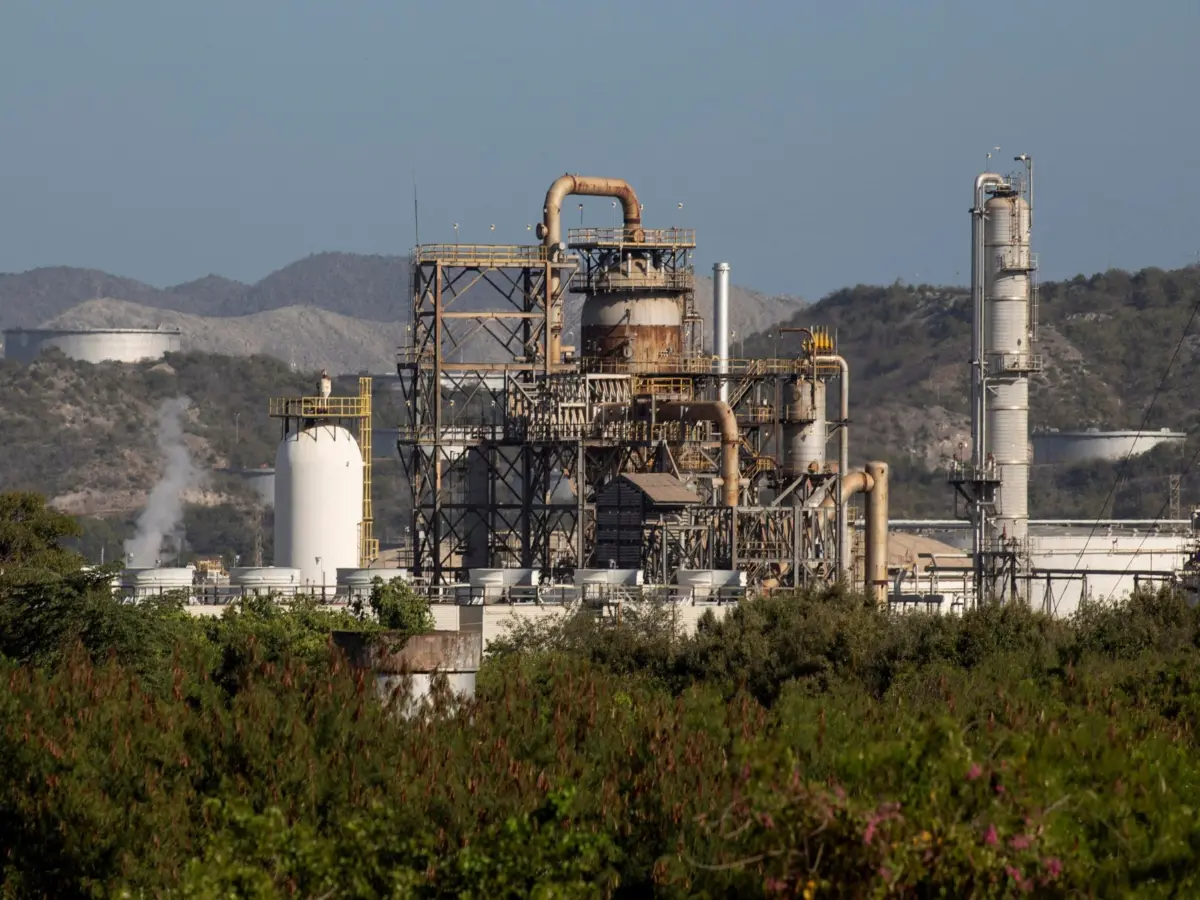
Representative Image
On Wednesday, three vessels were attacked by Iran's Revolutionary Guards, who said they fired on ships in the Gulf as their orders were disobeyed by them.
The Iran war has led to one of the worst oil shocks since the 1970s. Oil prices on Thursday rose sharply after three more cargo vessels were hit in the Gulf by Iranian forces. Crude oil in Asian trading was $100 ($74.79) a barrel before the price eased marginally to settle at about $97.50 in the afternoon.
This comes despite the International Energy Agency saying on Wednesday that it will release a record 400 million barrels of oil in an effort to curb the rising price and it impact on the world economy.
The Strait of Hormuz, a key waterway for energy shipments is temporarily closed in the wake that they could be attacked.
On Wednesday, three vessels were attacked by Iran's Revolutionary Guards, who said they fired on ships in the Gulf as their orders were disobeyed by them.
Oil prices could rise up to $200 per barrel
Trending Stories
)
)
)
)
)
)
)
)
)
)
)
)
)
)
)
)
)
)
)
)
)
)
&im=FitAndFill=(700,400))
)
)
)
)
)
)
)
&im=FitAndFill=(700,400))
)
)
)
)
)
)
An Islamic Revolutionary Guard Corps (IRGC) spokesperson on Wednesday said that any vessel linked to the US, Israel or their allies will be targeted and that oil prices could hit $200 per barrel.
"You will not be able to artificially lower the price of oil. Expect oil at $200 per barrel," he said and added, "The price of oil depends on regional security, and you are the main source of insecurity in the region."
“Severely weakened Iran's military capabilities”
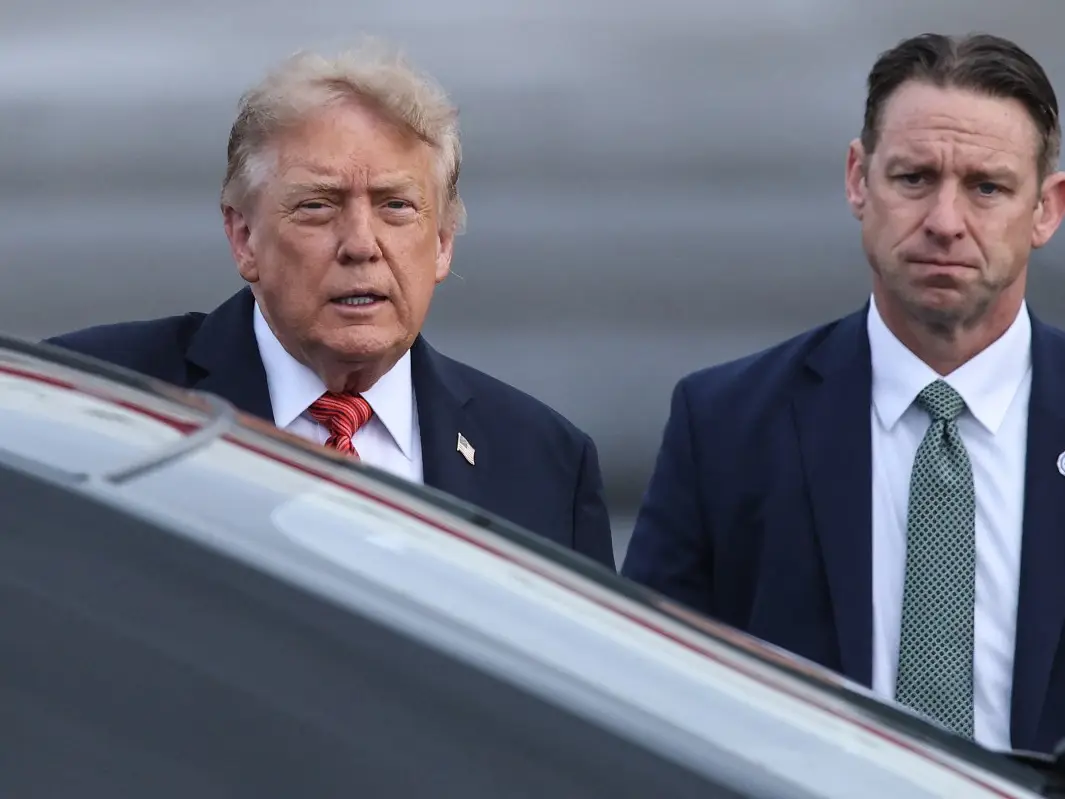
Meanwhile, US President Donald Trump has claimed that the 11-day-war has "severely crippled" Iran's military capabilities.
"Over the past 11 days, our military has virtually destroyed Iran. Tough country," said while addressing a gathering in Kentucky.
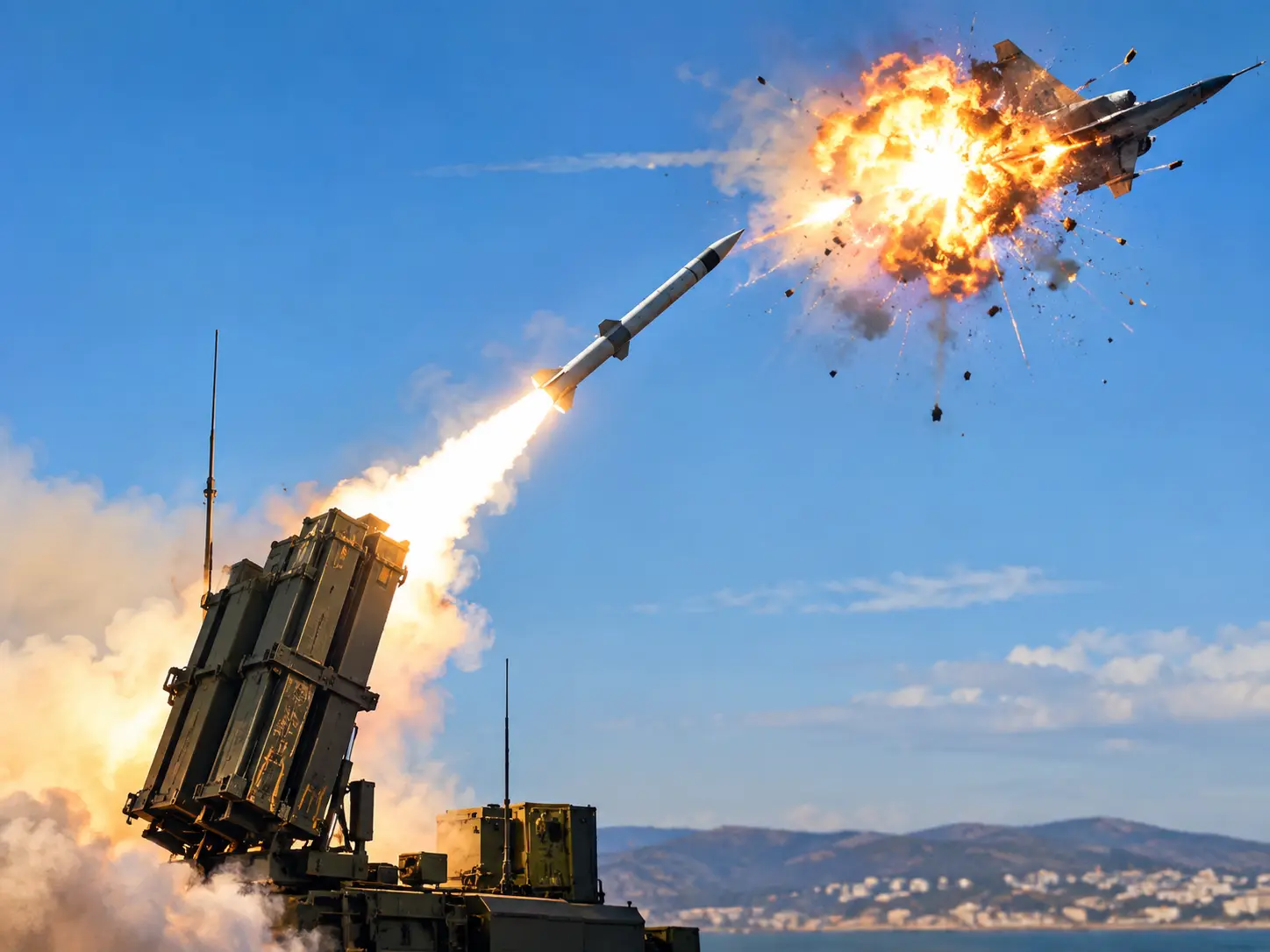
"Their air force is gone. That took the better part of about three hours. They no longer have radar. They don't have anti-aircraft equipment. They don't have anything. Their missiles are down by 90 per cent. Their drones are down by 85 per cent. We're blowing up the factories where they're made, left and right," he further said.
