Not even a month in office, Nepal’s Balen Shah govt already facing protests - Here’s why

&imwidth=600&imheight=450&format=webp&quality=medium "Not even a month in office, Nepal’s Balen Shah govt already facing protests - Here’s why")
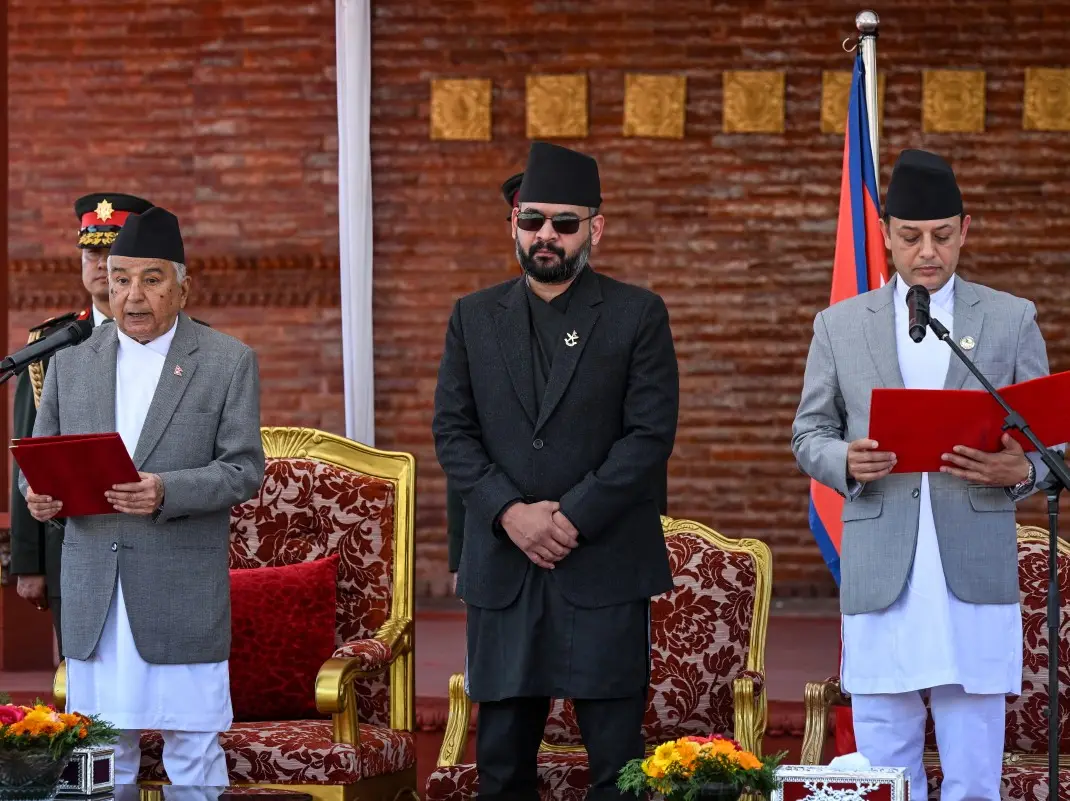
Rastriya Swatantra Party (RSP) Deputy Chairman Dol Prasad Aryal (R) takes the oath of office as the newly elected Speaker of the House of Representatives, as Prime Minister Balendra Shah (C) and President Ram Chandra Paudel look on during a swearing-in ceremony in Kathmandu on April 5, 2026. Photograph: (AFP)
Less than a month in, Balen Shah’s government faces nationwide protests over border customs duties, the sidelining of student unions, and corruption allegations involving Home Minister Sudan Gurung’s assets.
Public anger is mounting in Nepal against the government led by Balen Shah, less than a month after it assumed office with a two-thirds majority, as protests intensify across the country over a series of contentious decisions. Demonstrations have spread from the streets of Kathmandu to Singha Durbar, the country’s administrative nerve centre, with students, political groups and ordinary citizens joining rallies in growing numbers. Protesters have also gathered in other major cities, signalling widening unrest.
One of the key triggers for the protests is the government’s decision to impose a mandatory customs duty on goods worth over ₹100 brought in from India. Residents in Nepal’s border regions have criticised the move, saying it directly affects their daily lives as they depend heavily on cross-border purchases for essential goods. Demonstrators argue that the policy imposes an additional financial burden on ordinary citizens and fails to reflect the realities of border communities.
The unrest has been further fuelled by a row over student unions, with the government accused of rejecting or sidelining unions affiliated with political parties. Student leaders have alleged that authorities have adopted a repressive approach instead of engaging in dialogue, prompting a strong backlash from the youth.
Thousands of students have taken part in protests nationwide, many of them from schools and colleges. Visuals from demonstrations show students in uniform holding placards and raising slogans against government policies, underlining how the agitation has spread beyond political circles into wider society.
Trending Stories
&imwidth=280&imheight=210&format=webp&quality=medium)
&imwidth=280&imheight=210&format=webp&quality=medium)
&imwidth=280&imheight=210&format=webp&quality=medium)
&imwidth=280&imheight=210&format=webp&quality=medium)
&imwidth=280&imheight=210&format=webp&quality=medium)
&imwidth=280&imheight=210&format=webp&quality=medium)
&imwidth=280&imheight=210&format=webp&quality=medium)
&imwidth=280&imheight=210&format=webp&quality=medium)
&imwidth=280&imheight=210&format=webp&quality=medium)
&imwidth=280&imheight=210&format=webp&quality=medium)
&imwidth=280&imheight=210&format=webp&quality=medium)
&imwidth=280&imheight=210&format=webp&quality=medium)
&imwidth=280&imheight=210&format=webp&quality=medium)
&imwidth=280&imheight=210&format=webp&quality=medium)
&imwidth=280&imheight=210&format=webp&quality=medium)
&imwidth=280&imheight=210&format=webp&quality=medium)
&imwidth=280&imheight=210&format=webp&quality=medium)
&imwidth=280&imheight=210&format=webp&quality=medium)
&imwidth=280&imheight=210&format=webp&quality=medium)
&imwidth=280&imheight=210&format=webp&quality=medium)
&imwidth=280&imheight=210&format=webp&quality=medium)
&imwidth=280&imheight=210&format=webp&quality=medium)
&imwidth=280&imheight=210&format=webp&quality=medium)
&imwidth=280&imheight=210&format=webp&quality=medium)
&imwidth=280&imheight=210&format=webp&quality=medium)
&imwidth=280&imheight=210&format=webp&quality=medium)
&im=FitAndFill=(700,400)&imwidth=280&imheight=210&format=webp&quality=medium)
&imwidth=280&imheight=210&format=webp&quality=medium)
&imwidth=280&imheight=210&format=webp&quality=medium)
&imwidth=280&imheight=210&format=webp&quality=medium)
&imwidth=280&imheight=210&format=webp&quality=medium)
&imwidth=280&imheight=210&format=webp&quality=medium)
&imwidth=280&imheight=210&format=webp&quality=medium)
&imwidth=280&imheight=210&format=webp&quality=medium)
&imwidth=280&imheight=210&format=webp&quality=medium)
&imwidth=280&imheight=210&format=webp&quality=medium)
Calls are also growing for the resignation of Home Minister Sudan Gurung, who is facing allegations of possessing disproportionate assets and engaging in questionable financial dealings. Protesters and opposition groups have accused Gurung of links to suspicious business transactions, including alleged connections to individuals implicated in financial crimes.
According to multiple media reports in Nepal, documents point to investments and shareholdings linked to controversial entities, intensifying demands for his resignation on moral grounds. Political parties and civil society groups have continued to stage demonstrations over the issue, making it a central focus of the ongoing protests.

