From India to Australia: Why are oil refineries across the globe burning simultaneously?

Over the span of the last 45 days since the start of the war, around 45+ cases of fire have been reported across the globe in oil refineries or power plants. This is a rough 1800 per cent jump from sporadic 9-10 fires usually reported in a year.
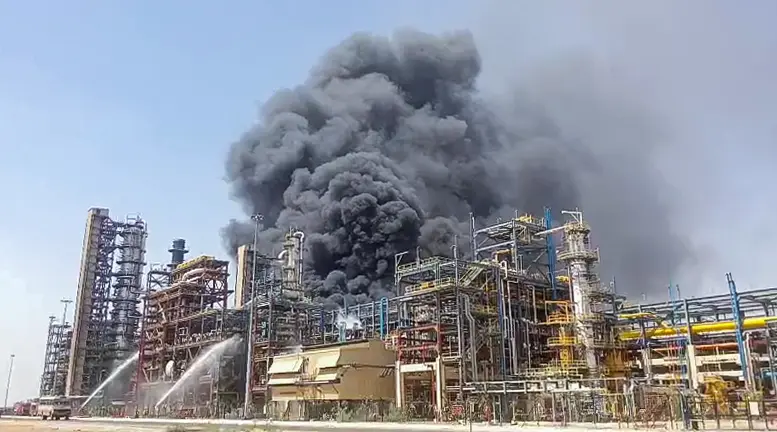
Rajasthan, India
Just a day before the HPCL Rajasthan Refinery oil refinery was to be inaugurated, on April 20, a fire broke out at the facility's 'heart' -the Crude Distillation Unit. HPCL said that it appears that leakage of hydrocarbons through one of the valves or flanges in the heat exchanger circuit caused the fire. A four-member committee has been formed to investigate the incident. Another notable incident earlier in the week was the industrial disaster at the Vedanta (Athena) Singhitarai Power Plant in Sakti district, Chhattisgarh, which killed 24 and injured several others.
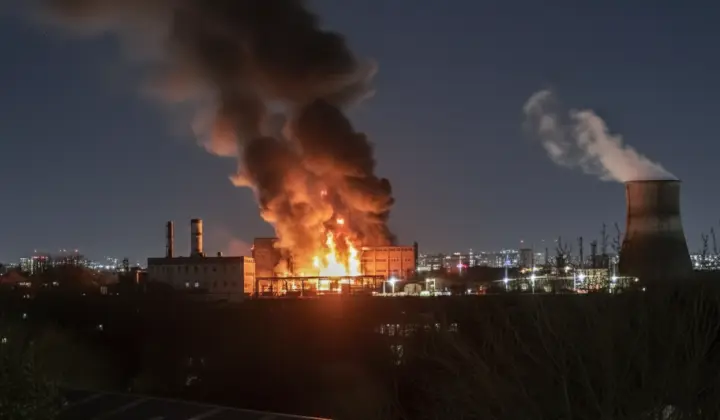
Bucharest, Romania
An explosion was heard at a combined heat and power plant in Romania's capital, Bucharest, on April 20. "The fire started in two electrical transformers and later spread to a third,” said the Romanian Department for Emergency Situations. Around 40 per cent of Bucharest was left without hot water following the incident. Authorities are investigating the cause of the explosion.
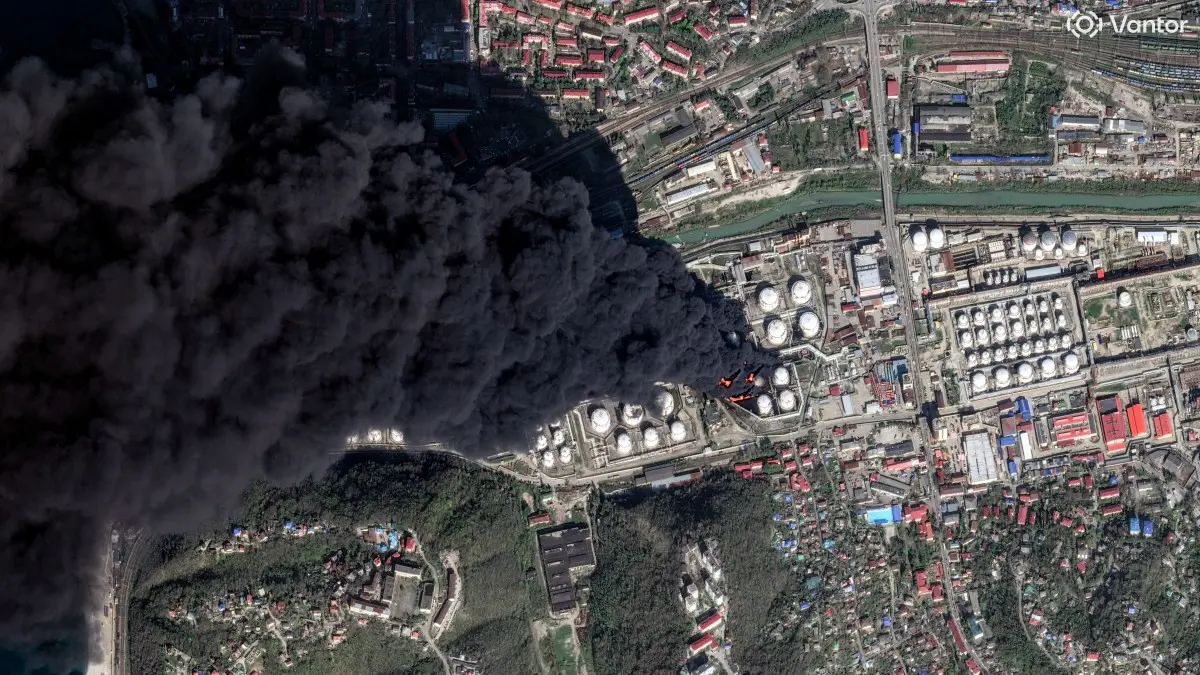
Russia
Multiple facilities, including the Tuapse and Yaroslavl refineries, were hit by drone strikes linked to the ongoing conflict with Ukraine. Yaroslavl is the fifth-largest oil refinery in Russia. Around 90 per cent of these oils are exported to countries like Turkey, China, Malaysia and Singapore. After the strike of April 20, the Tupase refinery has halted operation completely, Reuters reported. While the Yaroslavl facility was hit in late March, specifically targeting the VT6 unit, which handles roughly 6.2 million tons of oil per year.
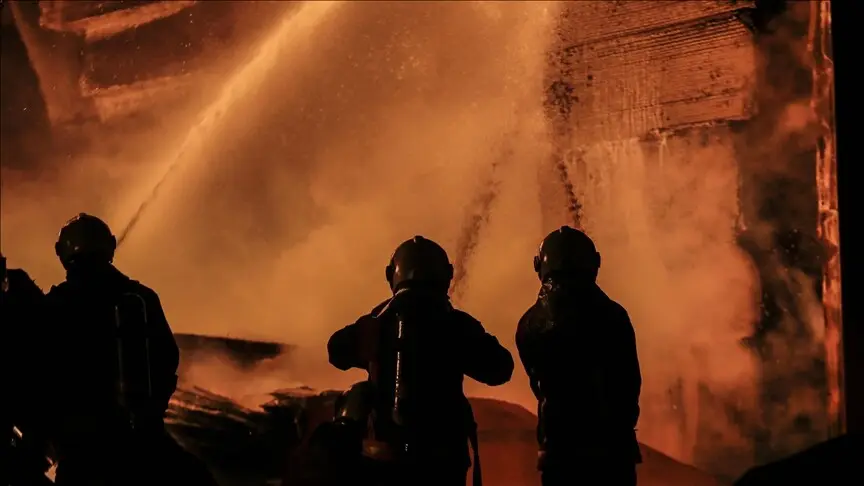
Myanmar
At least two people were killed and 11 others injured after a major fire broke out at a river port in Homalin Township, Myanmar’s northwestern Sagaing region, local media reported on April 21. At least 22 motorised boats, many of which were serving as small-scale tankers, and over 10 fuel tankers/barges were completely incinerated.
Texas, USA
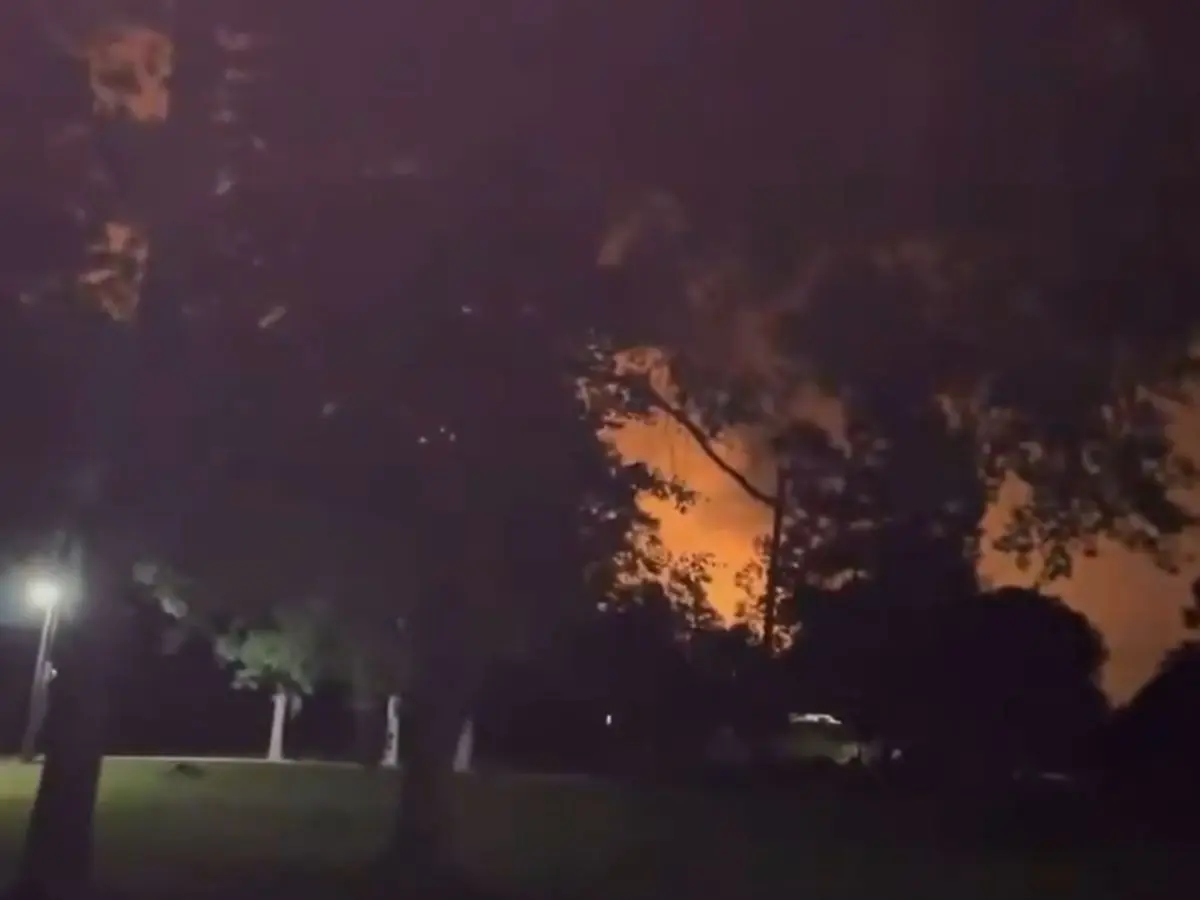
At least 3 major incidents were reported in Texas, US, within the last 30 days. First one in March, Valero Port Arthur Refinery, second in Etoile Well Site Explosion on April 20, and the third was in Martin Lake Power Plant on April 20. Notably, all of these incidents are happening almost at the same time in Romania, Russia, the US, Myanmar and India.
Victoria, Australia
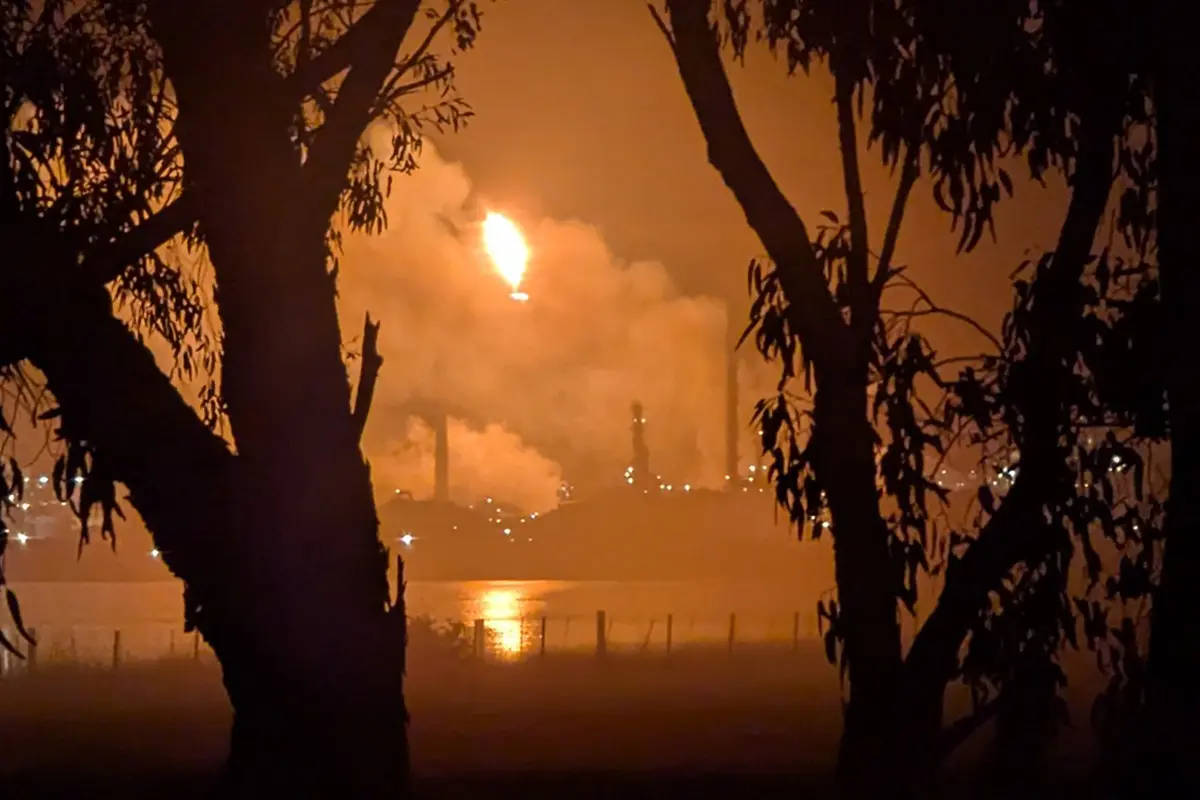
Another notable incident was in Victoria, Australia, on April 15 at Viva Energy's Geelong Refinery. The fire burned for 13 hours, which reduced the capacity of the plant to produce diesel and jet fuel to 80 per cent and gasoline to 60 per cent

Are these events orchestarted?
The occurrence of these events outside of the conflict region of West Asia drove intense speculation of a major sabotage job of energy facilities across the globe. But we might never know if these were just random events due to system strain on refineries performing at their maximum capacity amid the energy crisis or an orchestrated event. What we can see is who benefits from this. When a major refinery in India or Australia goes offline, global supply drops. The two major beneficiaries of continued disruption are the US and Russia, both of which are the largest energy suppliers outside the countries in West Asia. Russia gains as European nations weaken and become desperate, and decrease their support of Ukraine. While US corporations like Chevron and Exxon Mobil gain major market share and emerge as the major energy suppliers, keeping everyone tied to the dollar for the trade of oil.
)
)
)
)
)