Nigeria, where most forms of violence thrive and an end looks distant

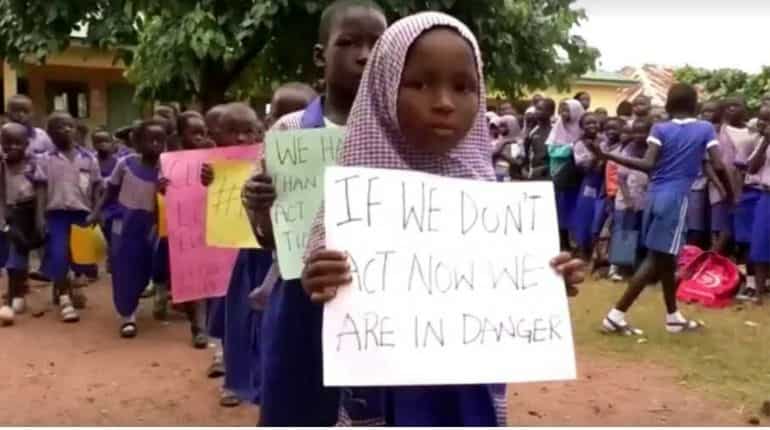
Seven Nigerian troops killed in jihadist attack
Nigerian President Muhammadu Buhari's throne is shaking.
His election in 2015 had brought hope that he would end the violence in the country, but the situation became worse.

The entire nation is gripped by multiple conflicts, from the militant group Boko Haram thriving in the northeast to armed bandits laying siege in the northwest and central regions.
There are deadly clashes between farmers and herders, organised gangs taking over the streets, Biafra separatists raising their voice in the southeast and oil militants attacking rigs in the Niger Delta.
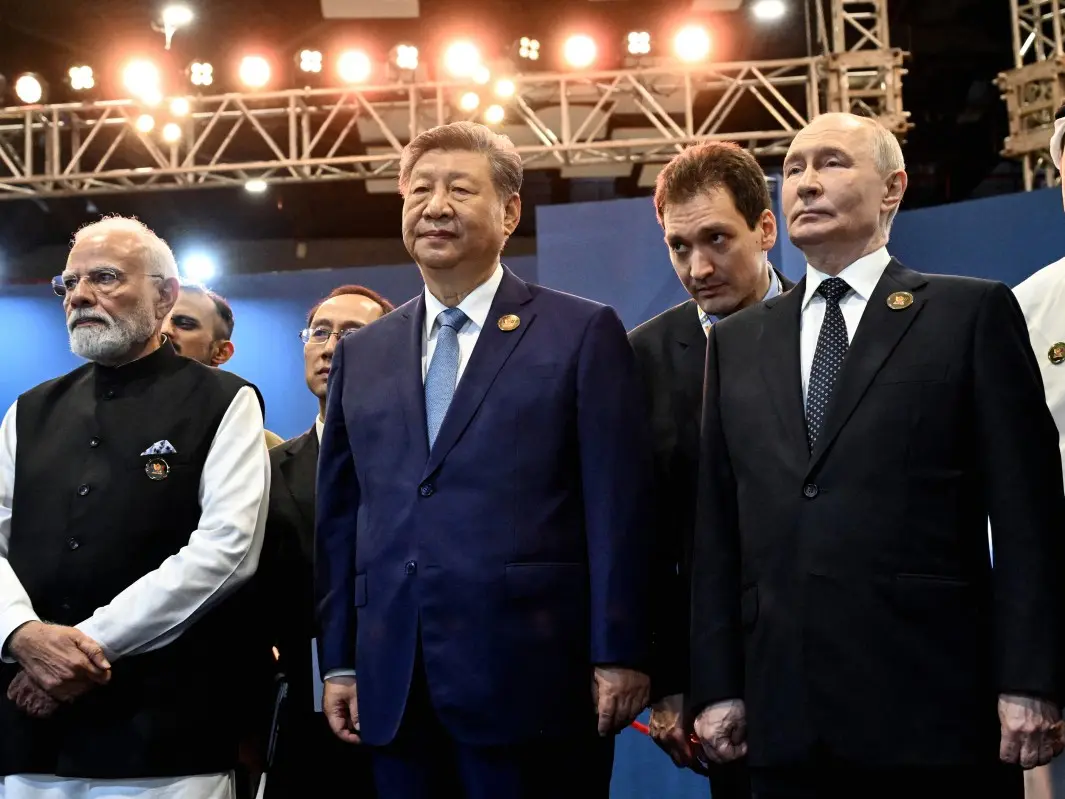)
Did India risk its US trade deal despite softer stance at BRICS?
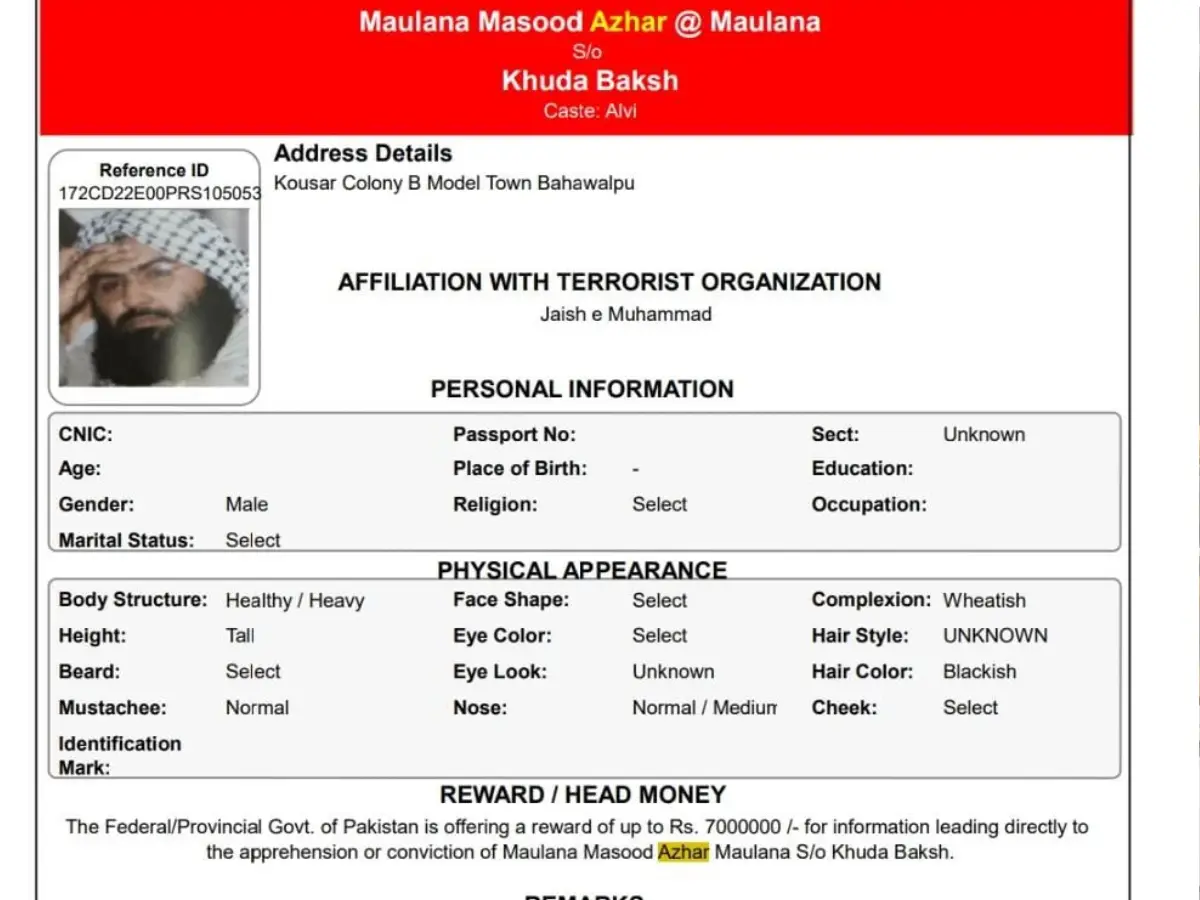)
Pakistan puts Pak Rs 70 lakh bounty on UN terrorist Masood Azhar; move draws skepticism in Delhi
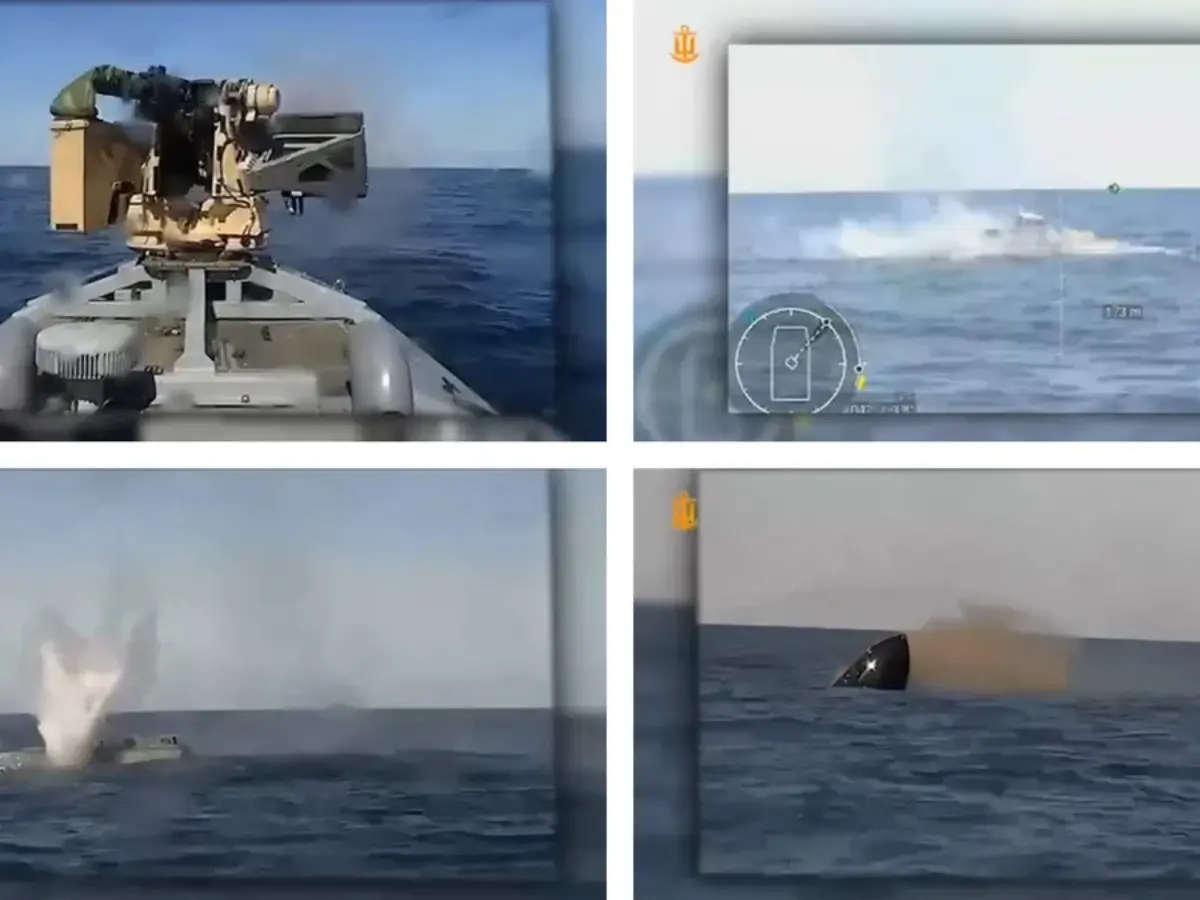)
First naval drone battle? Ukraine says Sargan 3000 sank Russian unmanned boat
)
Practical Magic 2 breaks Spidey spell over North American box office
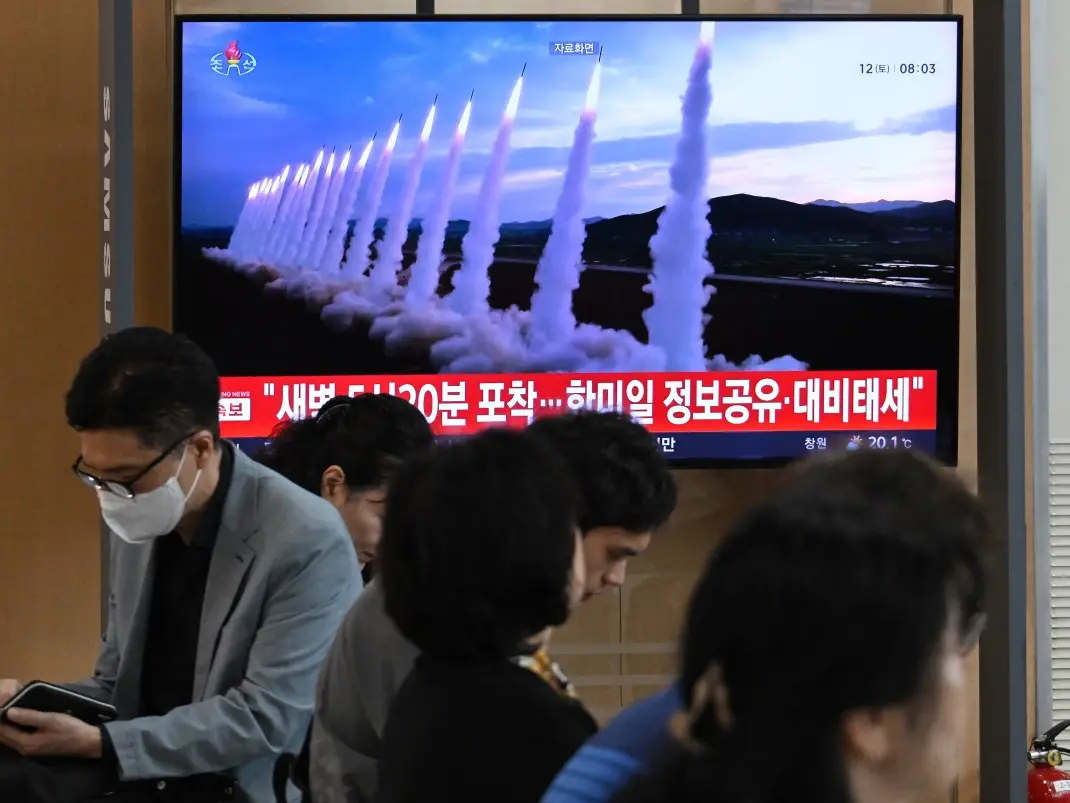)
'Huge destructive power': North Korea calls its latest missile launches 'live-fire drill' even as US dismisses 'immediate threat'
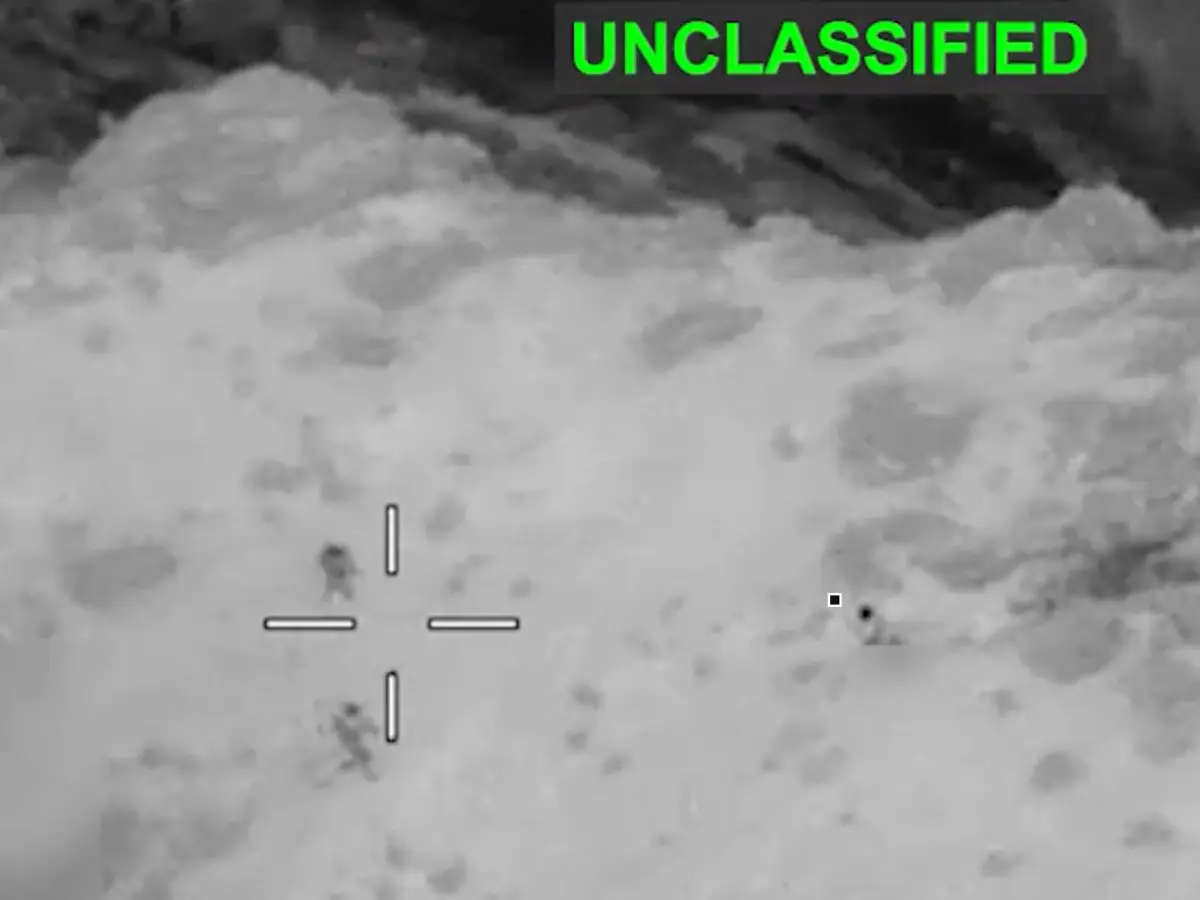)
‘Let’s go’: Newly declassified videos show dramatic rescue of US Air Force officers downed in Iran
)
Delhi’s balancing act: BRICS serves as a stage for West Asia diplomacy
&im=FitAndFill=(700,400))
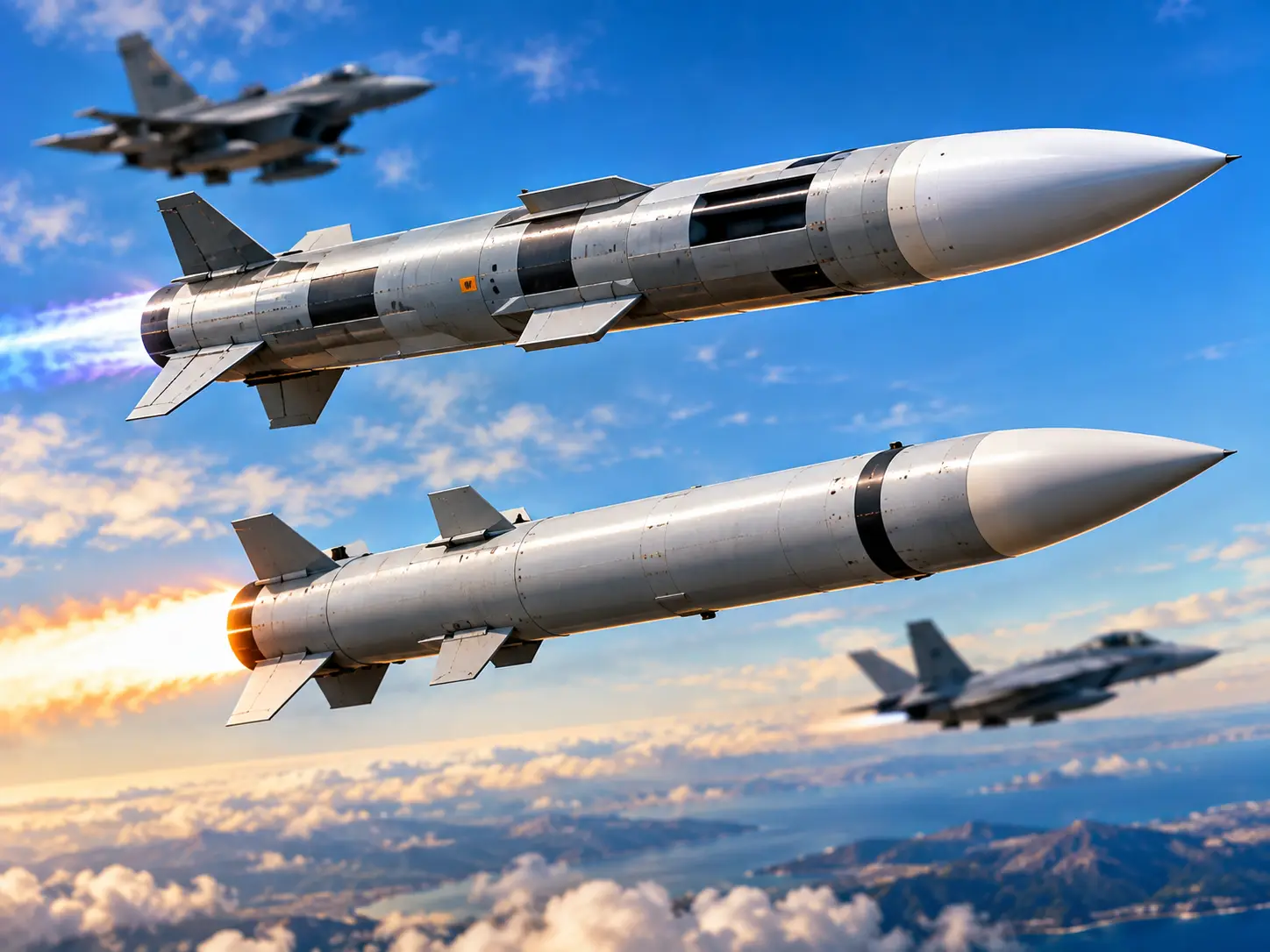
Why European Meteor missiles use ramjet engines compared to standard US solid rockets
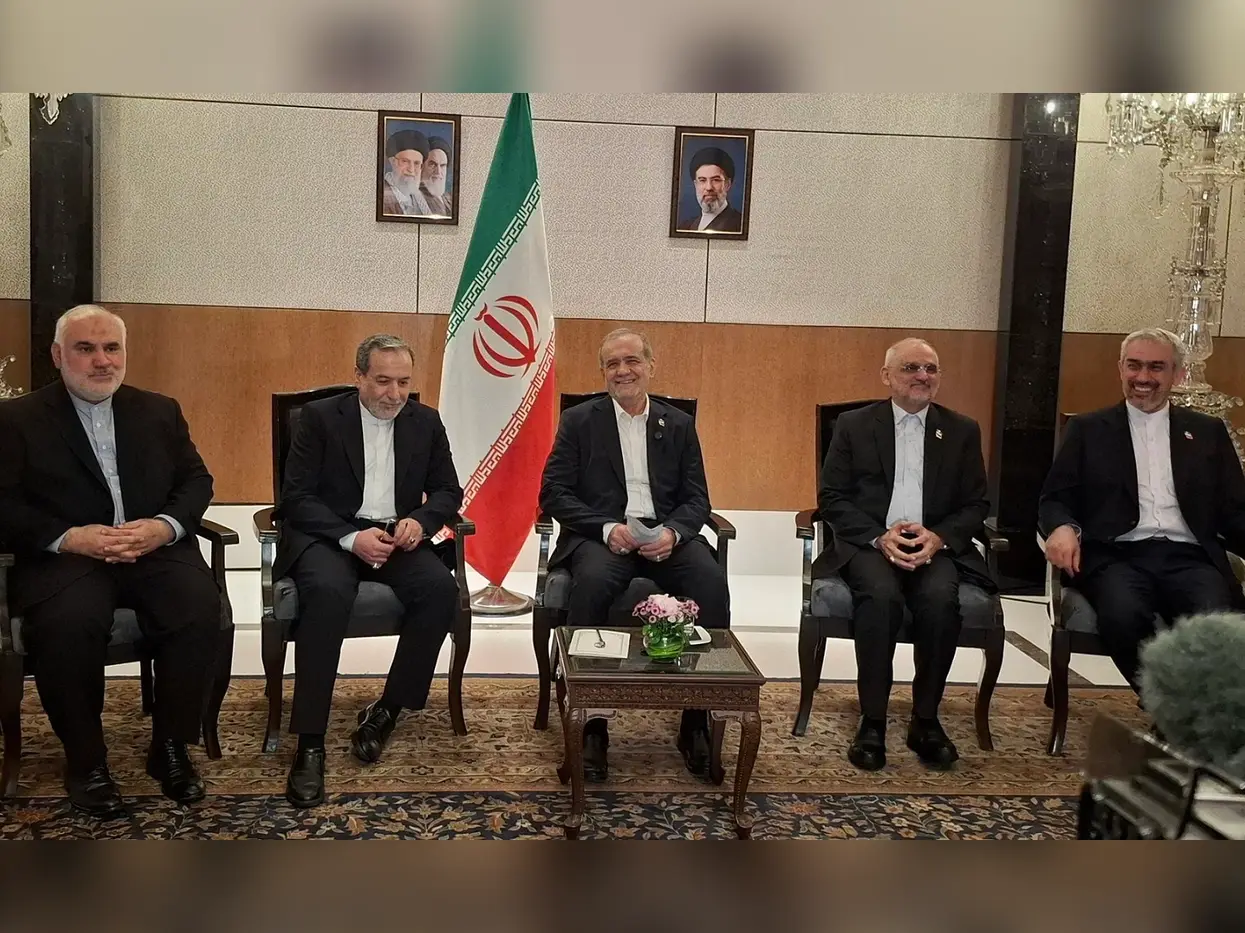)
Iran, India agree to deepen humanitarian and political ties, President Pezeshkian says
)
‘Want to reset ties with India, have engagement based on mutual interests,’ says Bangladesh minister
)
Trump says Canada eager to reach a deal, it could come ‘fairly soon’ if Ottawa treats US farmers better
)
Turkish Airlines plane flies through a storm three times, triggering severe turbulence
&im=FitAndFill=(700,400))
Why Chinese PL-15 air-to-air missiles use dual-pulse motors compared to European interceptors
)
Orlando Bloom addresses Pirates of the Caribbean comeback and reunion with Johnny Depp
)
China thinned Himalayan troop presence in 2025, India defence report says; terms border situation 'stable'
)
800 million years old - Scientists discover 'fingerprints' of supercontinent Gondwana in ancient rocks
)
Russia proposes to build 360 kmph Ivolga FG trains in India: What happened on sidelines of BRICS
)
Israeli minister calls to strip Gaza film directors of citizenship
)
'Nobody knows if it can be in control': ‘Godfather’ of AI, China spy chief back AI slowdown calls, flags political threat
)
China discovers vast gold and silver 'mine' in the Pacific with unheard-of deposits
)
Russian drone hits Warsaw-bound train near Polish border, Zelensky accuses Moscow of ‘deliberate’ targeting
)
War is making Russia stronger? How Ukraine is shaping Moscow’s next generation of weapons
)
Plane carrying prominent figure crashes at Libya’s Misrata airport: Report
)
Veteran Bollywood actress Nafisa Ali shares health update as Stage 4 cancer progresses, starts targeted therapy
)
NEET-UG to move to computer-based test soon, NTA DG says ‘CBT is the future’
)
Woman removes all her clothes on American Airlines flight, performs 'indecent acts'; arrested
)
Liam Neeson sparks romance rumours after holding hands with Stella Stocker at TIFF 2026
&im=FitAndFill=(700,400))
New OTT releases this week (September 14-20, 2026): Lust Stories 3, Waiting Hai, Irumudi- 5 new titles coming on Netflix, Prime Video and more
)
Indian importers urge Bangladesh to lift export ban on 'Hilsa' fish ahead of Durga Puja
)
Video of Pakistani lawmaker struggling to read English tribute to Jinnah goes viral - WATCH
)
Did China give Iran intel before US base strike that killed 3 troops? Trump says, 'You’re right...'
)
Crude oil prices jump more than $107 per barrel following Houthi attacks on Saudi
)
Women's Asia Cup 2026: India denied trophy once again despite winning the title
)
Humans may lose control of AI: Anthropic CEO calls for slowdown, Altman, Musk back him
Buhari's, a former general, inability to resolve these conflicts is emboldening Boko Haram.
In northwest Nigeria, Boko Haram is wooing Fulani militias, who are engaged in kidnapping, banditry and cattle stealing.
The lines between ethnic clashes and terrorism have become blurred.
Boko Haram has claimed more than 36,000 lives in 10 years and forced around two million people to flee their homes.
Lacking state protection, communities in Nigeria are becoming vulnerable.
Between January and June alone, over 600 civilians killed in more than 200 attacks.
Local economies have been hit, first by violence and then by the pandemic.
The United Nations says at least 10 million people in the country are in urgent need of support.
The essential supplies are getting hit with aid convoys and workers being targetted.
In a rare interview, the president admitted that the violence is disturbing, but he blamed the armed forces for it.
As many as 356 soldiers have applied for voluntary retirement, suggesting the morale is low and the risks are high.
The Senate has passed a resolution asking the service chiefs to step down.
However, the army chief has placed the blamed on Nigerians, asking them to stop the violence.
His comments took the country by storm.
Buhari has to decide whether he needs to retain the service chiefs or not, but his own position is in jeopardy.
Still, the question that haunts all the Nigerians and the rest of the world is: how did Africa's most populous and largest economy end up in this situation?