New study says Trump-backed hydroxychloroquine no better than placebo

Hydroxychloroquine
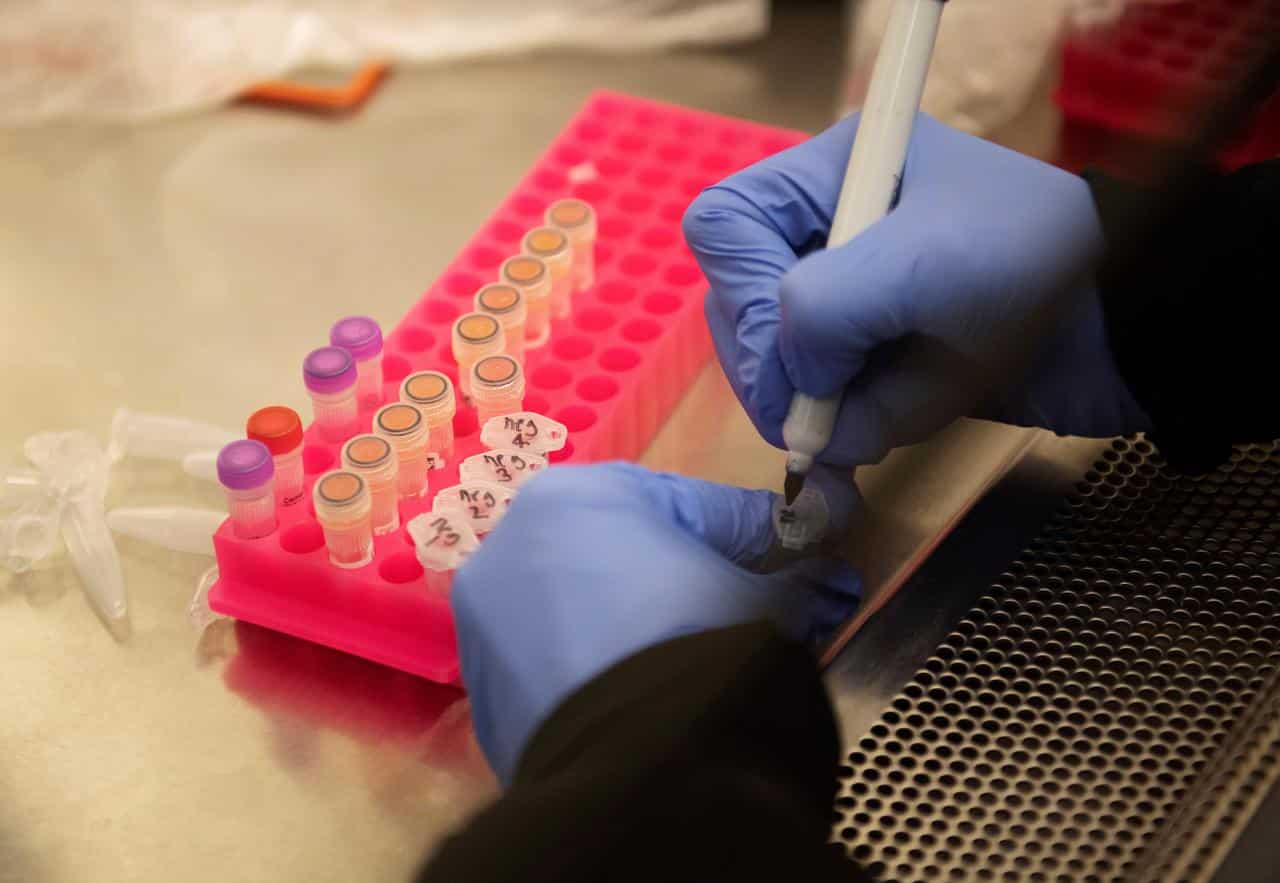
As US President Donald Trump continues to back the anti-malarial drug hydroxychloroquine as a potential treatment to novel coronavirus, a new study has claimed that the drug does not avoid infection in a statistically meaningful way.
The study led by a team at the University of Minnesota has also claimed that hydroxychloroquine is no significantly better than a placebo when it comes to coronavirus.

Meanwhile, the White House said that President Trump remains healthy and free of any side-effects of hydroxychloroquine.
As many as 821 people across the United States and Canada were part of this study that was published in the New England Journal of Medicine.
)
Three labourers killed as DU student loses control of his car, rams into them on Dwarka Expressway
)
Pentagon revives mandatory testosterone testing for male troops aged 30 and above
)
FACT CHECK: Why did PM Modi ask Xi ‘is it okay’ at BRICS Summit? New video reveals...
)
India seeks to build a full semiconductor supply chain
&im=FitAndFill=(700,400))
From Abhishek Sharma to Sahil Chauhan, 5 batters with fastest T20I hundreds
)
Indian activist-lawyer Prashant Bhushan's post brings focus on ‘conflict of interest’ appointments of ex-govt officials at Reliance, Adani groups
)
Pyongyang dismisses US, western pressure over nuclear programme
)
US And Denmark reach Greenland deal, Trump announces expanded military presence
)
Google’s Gemini AI hacks real systems by guessing passwords during security test
)
China may have gained access to US's classified F-35 jets; parts meant for repairs diverted to Hong Kong, sparking Pentagon inquiry
)
NASA research plane reaches 61,000 feet over Panama
)
Godfather of AI Geoffrey Hinton gives US lawmakers a one-year warning on AI
)
Shivakumar attends 79th Kalyana Karnataka Utsav in Kalaburagi
)
Trump signs Russia sanctions law: India faces fresh 100% tariff threat over Russian oil
)
Brigitte Bardot’s private collection set for Paris auction; key items and prices revealed
)
Why Ranveer Singh’s Dhurandhar missed India’s Oscar entry; FFI jury member reveals what happened
)
‘Will go to any extent’: Pakistan vows to defend Saudi Arabia amid Houthi attacks
)
The Verdict | When precision fails: US commits war crime in Minab school strike, UN finds
)
Trump signs Russia sanctions bill into law, targets Moscow’s energy sector
&im=FitAndFill=(700,400))
New Friday OTT releases (September 18, 2026): Lust Stories 3, You+Me, Best of the Best- 8 new titles coming on Netflix, Prime Video and more
)
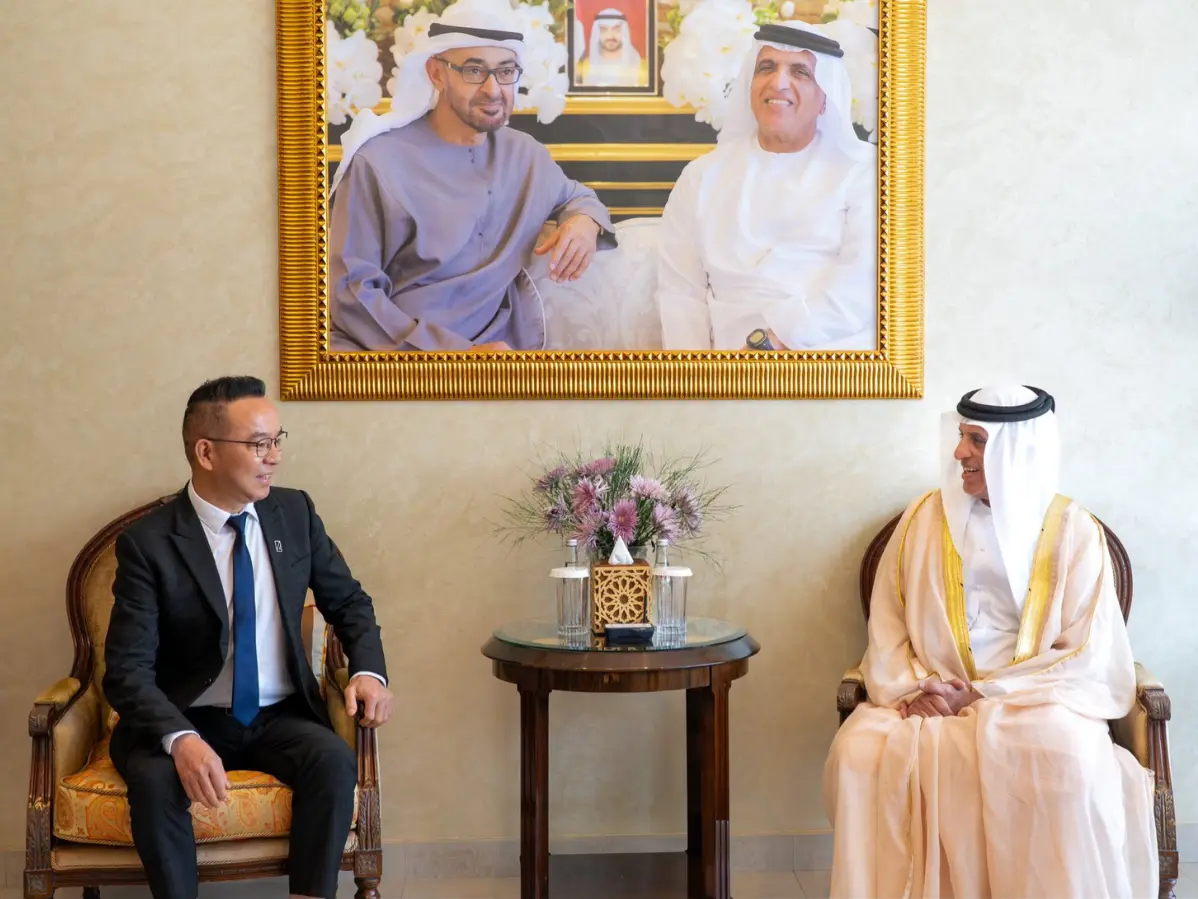
Fast bowler Brydon Carse faces no charges over Derby nightclub incident
)
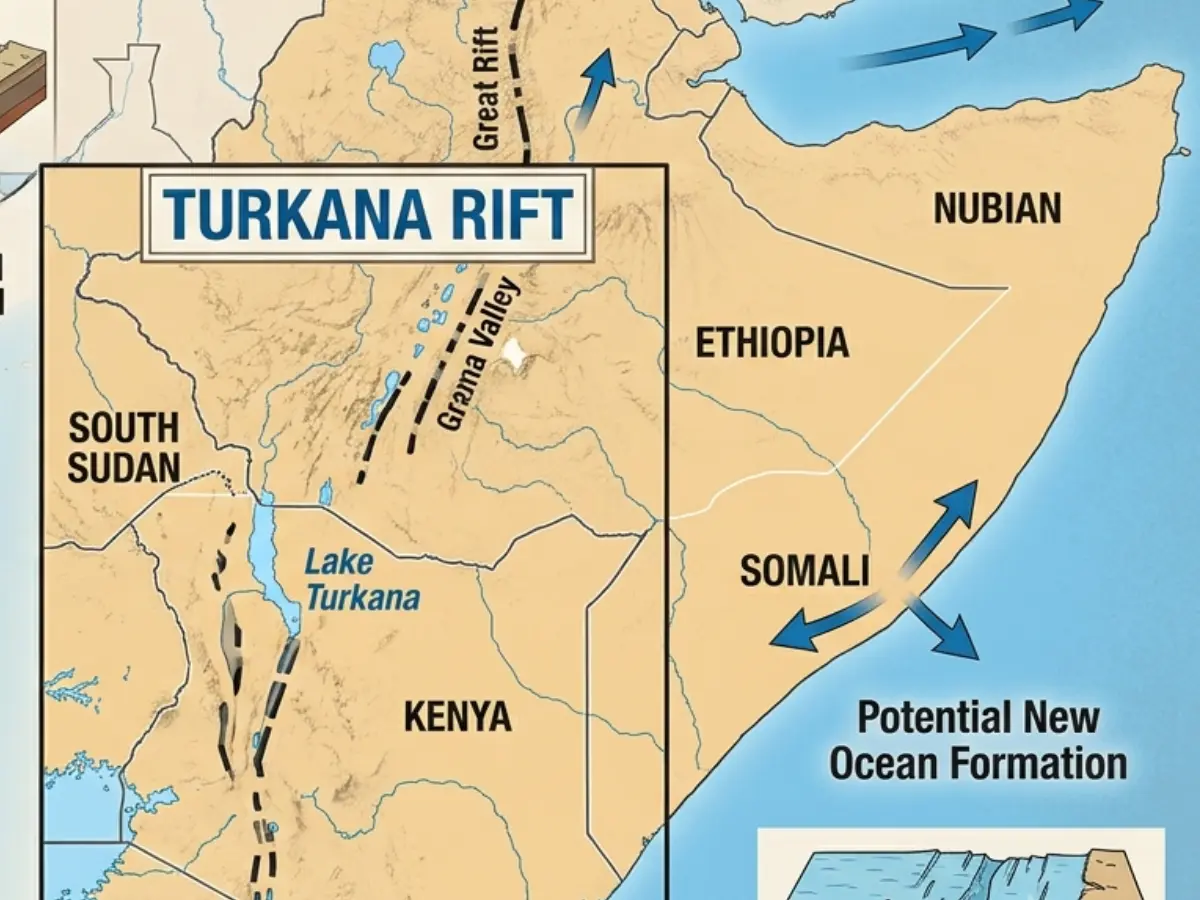
Flying cars in UAE: Ras Al Khaimah signs deal with Chinese company to test new transport
)
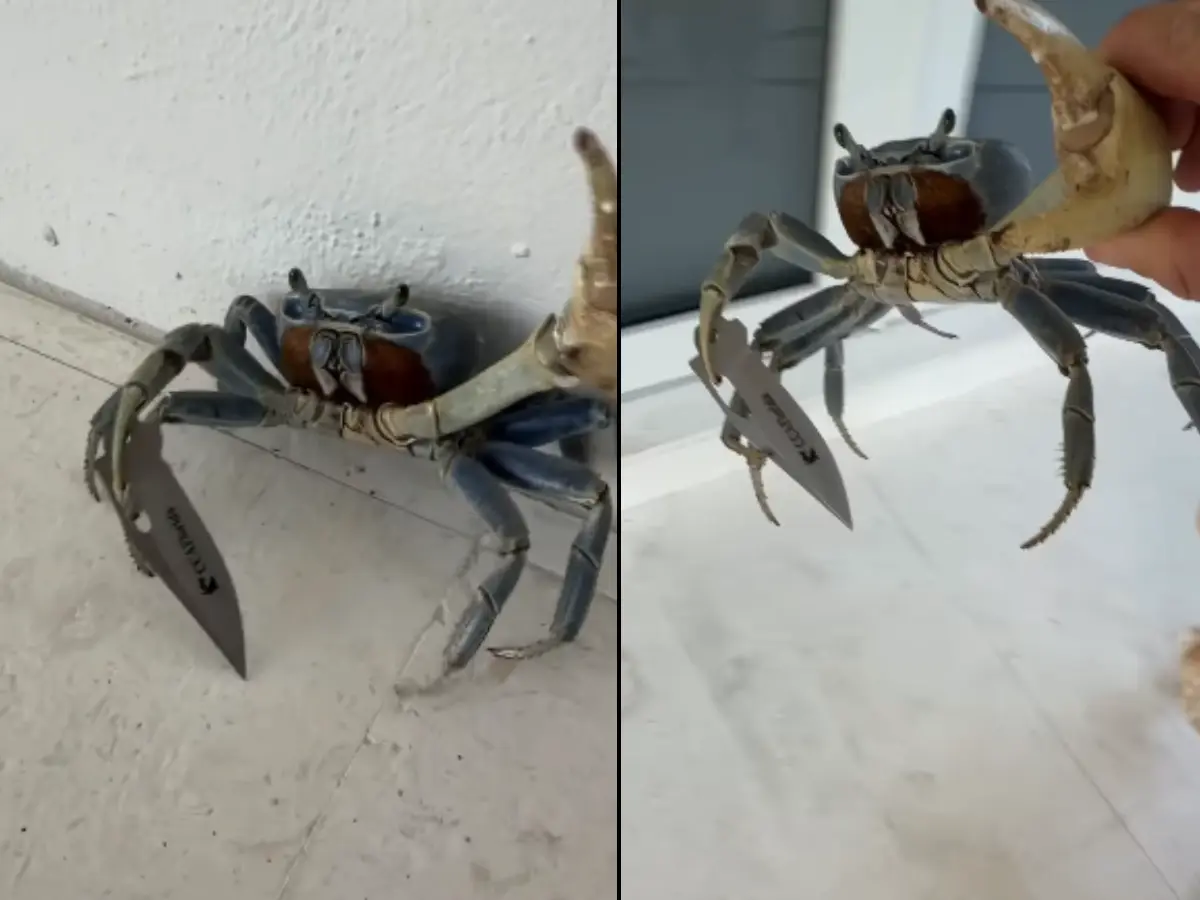
Africa is splitting, and a lot sooner than estimated, giving way to a new ocean
)
'Gangsta' crab shoves knife blade at man and his dog in Florida - Watch
)
Trump bans CNN, MS NOW and Politico from White House over ‘FAKE NEWS’
)
Trump 2.0: Dark days ahead for America’s ‘imperial presidency’
)
Trump's Greenland dream comes true? POTUS announces 'Infinite Life' deal with Denmark, claims permanent US control
)
Drone strikes cooling tower at Russia's Kursk Nuclear Plant, IAEA confirms
)
Who is Khalilur Rahman? All you need to know about 81st UN General Assembly President
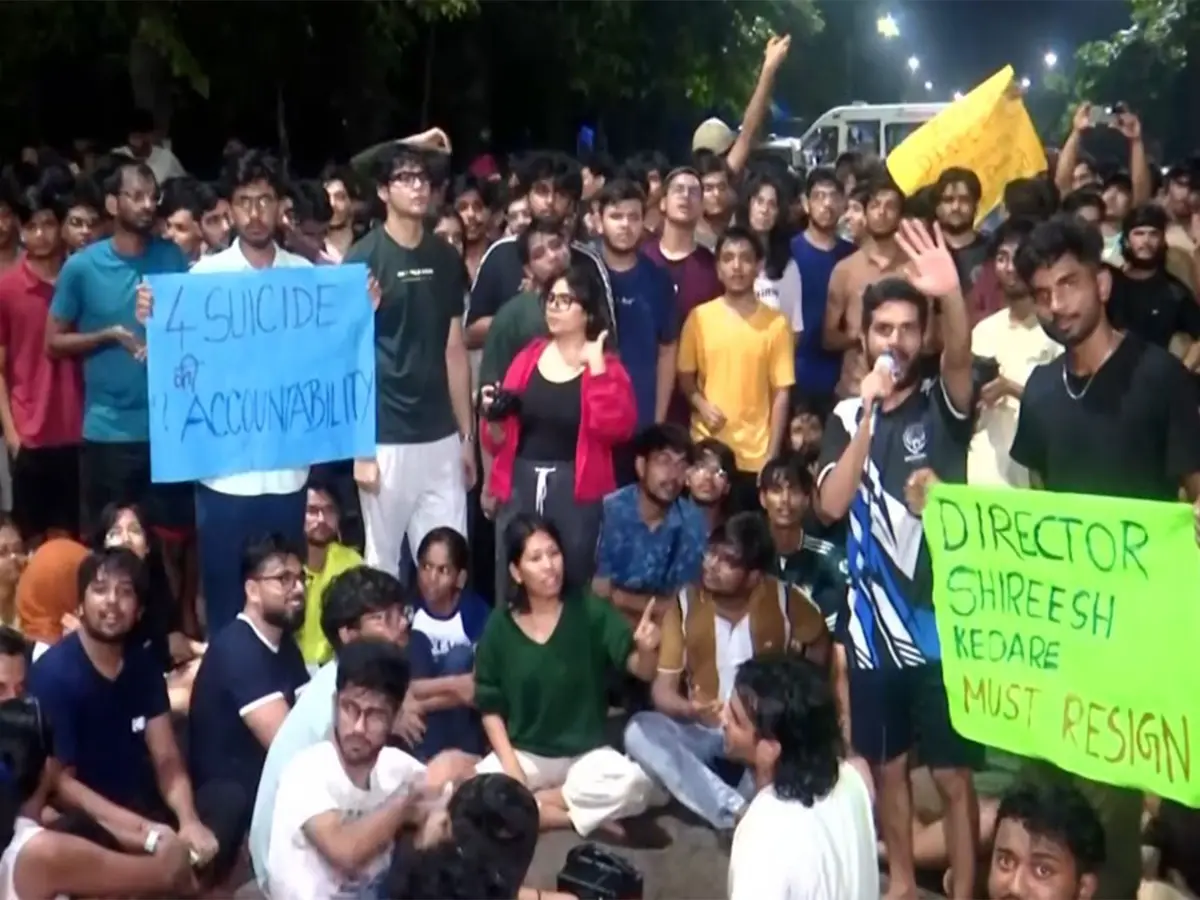)
IIT Bombay student dies by suicide, was caught seeking AI help during exams
&im=FitAndFill=(700,400))
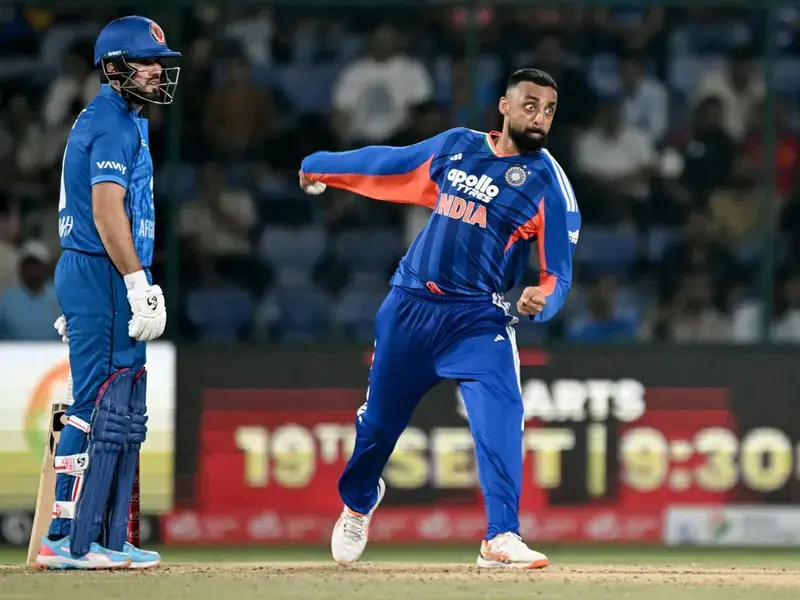
Meet top 5 bowlers in latest ICC T20I rankings
)
Indian Cinema bets big on mythology, brings ancient stories to modern audiences
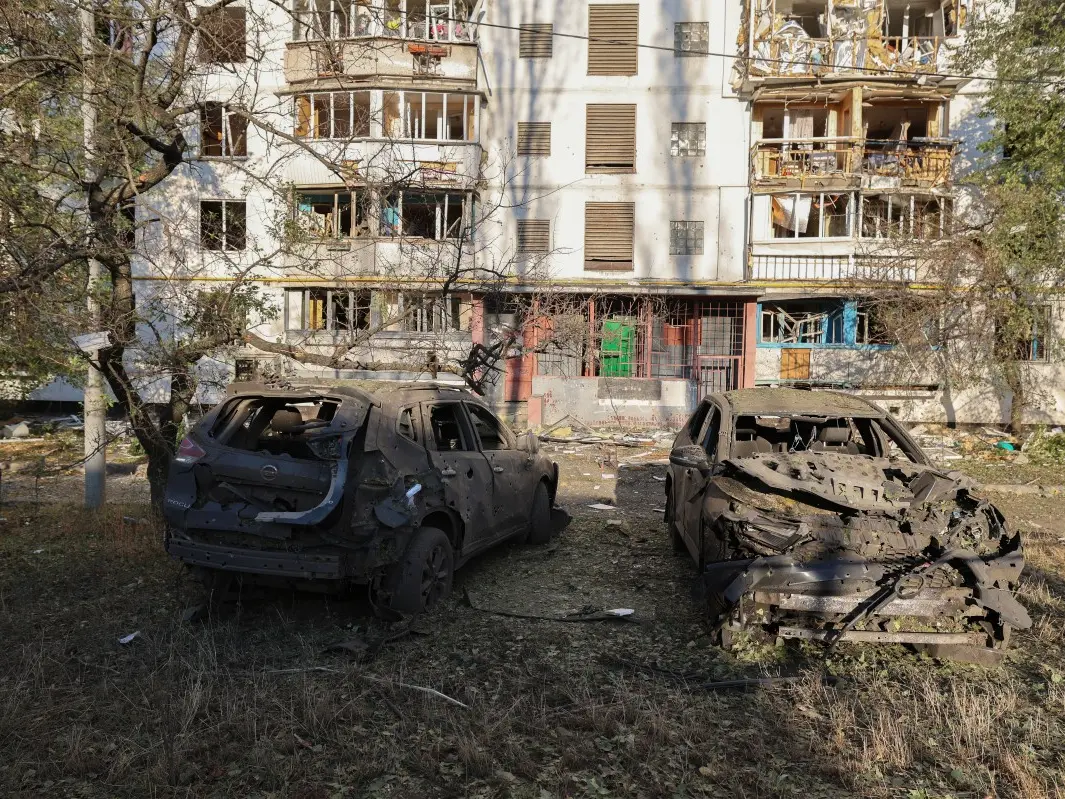)
Ukraine plans record $109 bn defence spending, nearly two thirds of budget amid Russia war
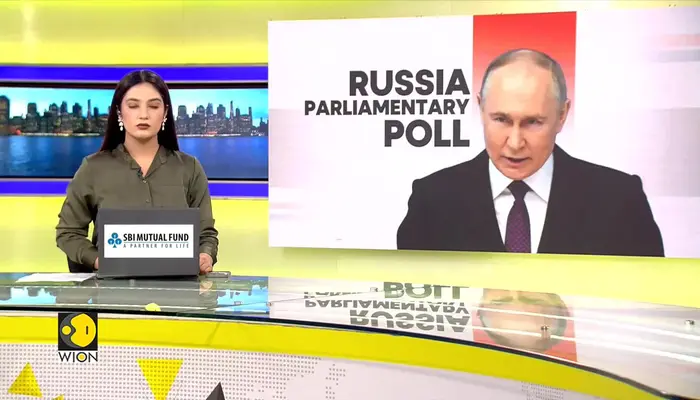)
Russia holds first parliamentary elections since the beginning of the Ukraine war
&im=FitAndFill=(700,400))
Meet top 5 Indian batters with fastest T20I centuries
Adults who were part of this study were those who came in contact with someone who had a confirmed case of COVID-19 for more than 10 minutes at a distance of six feet (about two meters) or less.
At least 719 people out of the total 821, were put under the category of "high-risk" exposure because they wore neither a face mask nor an eye shield at the time of their contact and were closer to a distance of two feet with the infected patient for more than 10 minutes.
The remaining people belonged to the "moderate-risk" category as they covered themselves with masks, but not with eyewear.
The participants were randomly given hydroxychloroquine, rheumatoid arthritis and lupus -- or a placebo, within four days of their exposure to the virus.
About 107 participants developed COVID-19 in the 14-day period.
Among those who received the anti-malarial drug, 49 developed COVID-19 or compatible symptoms such as fever or cough, while those who took a placebo, 58 of them developed coronavirus symptoms.
Two people in each group were hospitalised, however, none of the infected persons died.
Also, the participants that took HCQ had a higher rate of reporting side-effects such as nausea and stomach pain, which was 40 %, while the placebo's side effects were 17 %.
"This randomized trial did not demonstrate a significant benefit of hydroxychloroquine as postexposure prophylaxis for COVID-19," the authors of the study wrote.